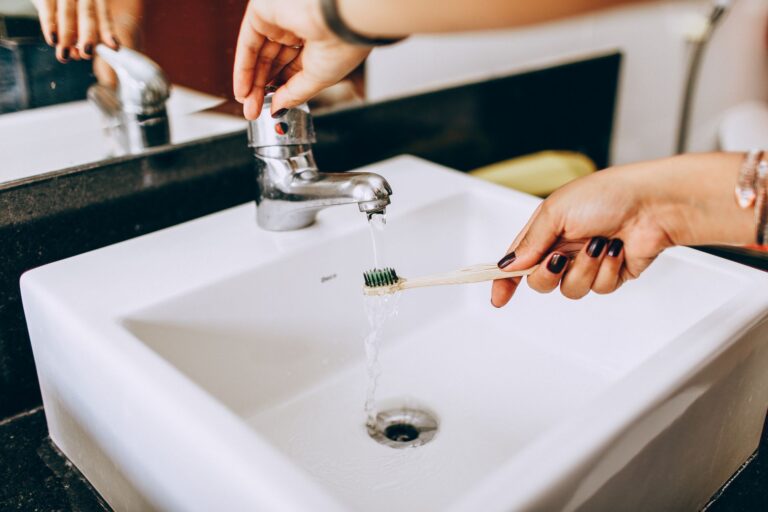
A 20-second wash with soap after a lukewarm rinse clears most air-freshener residue from skin. Reserve dish soap for greasy plug-in refill liquid, fragrance oil, or essential oil residue. A faint scent on clean hands is unpleasant, but scent alone does not show that a harmful amount remains.
This page covers aerosol sprays, gels, plug-in refills, and oils. You’ll also find skin-care steps, odor options, and clear signs that call for Poison Control or medical care.
Product Form Sets the Starting Cleanup Method
A light mist from Febreze or Glade aerosol spray behaves differently from a spilled Air Wick refill. Spray residue dries fast, while plug-in liquid, gel, fragrance oil, and essential oils can leave a slick film between your fingers and around nail edges.
| Product form | What you may notice | Skin-safe starting method |
|---|---|---|
| Aerosol room spray | Light dampness or perfume-like scent | Lukewarm water and hand soap |
| Gel freshener | Sticky coating on fingertips | Rinse, then wash twice with hand soap |
| Plug-in refill | Oily shine and strong scent | Hand soap, then dish soap for grease |
| Fragrance or essential oil | Slippery residue and concentrated odor | Rinse, wash, then use dish soap for remaining oil |
Fragrance compounds mix readily with natural skin oils. That is why your fingertips can hold perfume odor after visible residue disappears. The scent can transfer to a coffee mug or sandwich wrapper, yet transfer does not prove dangerous exposure.
Residue trapped under accessories needs separate rinsing
Take off rings, watches, bracelets, gloves, and fitness bands before washing. Liquid beneath a ring stays against your skin longer and can keep releasing scent after the rest of your hand feels clean.
A plug-in refill spill across a wedding band can leave oil in the narrow space beneath the setting. Rinsing the jewelry separately removes the source that would otherwise touch your skin again after drying.
That distinction matters because lingering fragrance can bind to the skin’s natural oils.
Fragrance Compounds Can Stay in Skin Oils After Washing
Plain water carries away water-soluble material, but oily fragrance ingredients resist a long faucet rinse. Soap molecules surround oil and pull it into rinse water, which is why soap and warm water work better than water alone.
Clean skin can still carry a light scent
A greasy feel means oil-based residue remains and calls for another careful wash. A faint scent without slickness, stickiness, redness, or stinging points to fragrance compounds sitting in the outer oils of your skin.
Your target is residue removal, not a perfectly neutral smell. Once your hands feel clean and no longer slide against each other, stop chasing the last trace of fragrance.
Repeated washing can turn a small spill into raw knuckles. Stripped skin can sting more than the original freshener residue, especially around cuticles and finger webs.
Because repeated washing can damage skin, cleanup should escalate only as needed.
Do not judge cleanliness by scent alone. A clean, dry hand with a light perfume odor needs time and hand moisturizer, not hard scrubbing.
Rinsing, Soap, and Dish Soap Form the Safe Cleanup Order
A non-greasy feel is the useful checkpoint. To remove air freshener from hands without roughing up your skin, start with water and ordinary hand soap, then use dish soap only after oil remains.
Water and soap remove the bulk of residue
- Remove accessories. Take off contaminated rings, watches, gloves, and bands so liquid does not stay pressed against your skin.
- Rinse promptly. Hold both hands under lukewarm running water to dilute residue before rubbing it across your fingers.
- Wash for 20 seconds. Work ordinary hand soap over palms, backs, thumbs, nail edges, and finger webs for at least 20 seconds.
- Check for grease. Use a small amount of dish soap for oily refill liquid, fragrance oil, or essential-oil residue that still feels slippery.
- Rinse all lather. Flush away soap with running water, including around cuticles and beneath jewelry.
- Pat hands dry. Press a clean towel against your hands instead of scrubbing, then check whether the surface still feels oily.
Dish soap lifts cooking oil from hard surfaces and can disperse oily fragrance residue on your hands. Use a small amount for one focused wash; extra soap does not remove more scent and can leave your skin tight.
For a spilled lavender essential-oil blend, rinse visible liquid away, wash for 20 seconds, then use dish soap once where the thumb and index finger still feel slick. That sequence explains how to wash fragrance oil off skin without adding another irritant.
Spray air freshener on skin needs less work than an oily refill. Rinse the spray, wash with ordinary soap, and stop once your hands feel clean rather than continuing through several harsh rounds.
Gentle Odor Methods Work Better Than Harsh Chemicals
Residual odor calls for restraint rather than a stronger solvent. A repeat dish-soap wash suits an oily film, while dry skin with perfume odor needs a gentler path.
Simple methods suit intact, non-irritated skin
- Repeat dish soap. Use dish soap one more time only where your fingertips still feel oily after the earlier rinse.
- Use baking soda. Mix baking soda with a few drops of water, rub lightly for 10 seconds, then rinse it away.
- Clean nail edges. Work soap lather around nails with a soft washcloth, where scented liquid can collect.
- Allow time. Leave clean hands alone for 30 to 60 minutes while the remaining surface scent fades.
Baking soda can reduce lingering odor on intact skin. Stop for stinging or redness, since its mild abrasive feel can create tiny surface damage that makes fragrance chemicals feel sharper.
Harsh solvents create a bigger skin problem than the smell. Skip gasoline, paint thinner, bleach, abrasive hand scrubs, and undiluted essential oils, all of which can strip the barrier that holds water in your skin.
Rubbing alcohol can cut fragrance residue, yet repeated use can dry and sting already-red areas. It is not a useful routine answer to what removes odor from hands, especially around cuts, eczema patches, or cracked knuckles.
Cooking oil is not a useful shortcut for freshener residue. Adding more oil can spread concentrated fragrance across a larger area and leave another greasy layer for your next wash.
Skin Recovery Starts After the Residue Is Gone
Several soap rounds pull lipids from the outer skin layer that holds moisture in place. You can feel dryness, itching, redness, tightness, or mild stinging after a refill spill and repeated washing.
Fragrance-free moisture helps irritated hands settle
Pat your hands dry, then use fragrance-free hand moisturizer. Cream or ointment works well around cuticles and finger webs, where repeated rinsing leaves thin, rough patches.
Avoid scented lotion for several hours. New fragrance on your hands can make it harder to tell whether irritation came from the air freshener residue or the lotion.
Contact dermatitis is a skin reaction after direct contact with an irritant or allergen. Persistent itching, spreading redness, cracks, blisters, or a rash point away from odor cleanup and toward a reaction that needs professional advice.
Stop scrubbing once redness or stinging begins. Your skin needs moisture and time after residue removal, not another abrasive paste or solvent.
Persistent symptoms or exposure to a concentrated product call for more than routine aftercare.
Symptoms and Product Details Direct the Next Safety Step
A burning sensation that grows after washing deserves more attention than a lingering scent. Concentrated refills and fragrance oils contain different ingredients, so the product label and Safety Data Sheet (SDS) list product-specific emergency directions.
Poison Control sorts out uncertain skin exposures
Call Poison Control at 1-800-222-1222 for uncertainty about the product, accidental ingestion, a large spill, or symptoms that do not settle after washing. The American Association of Poison Control Centers routes that number to a local poison specialist.
Keep the container nearby or take a clear photo of its ingredient panel. Tell the specialist the brand, product form, amount involved, time since contact, and symptoms so you can give details that separate a minor spill from concentrated exposure.
Product labels and the SDS can list first-aid directions, ingredient hazards, and emergency contact details. Your call can move faster with that information in hand.
Severe symptoms need prompt medical care
- Trouble breathing. Seek urgent medical care for shortness of breath, wheezing, chest tightness, or throat swelling.
- Severe burning. Get prompt care for pain that worsens after rinsing or skin that turns pale, gray, or blistered.
- Spreading swelling. Facial swelling, hand swelling, or a widespread rash can signal a stronger reaction.
- Eye exposure. Flush eyes with clean running water for at least 15 minutes, then seek advice for pain, redness, or vision changes.
- Accidental ingestion. Contact Poison Control promptly and avoid forcing vomiting unless a poison specialist directs you to do so.
Serious reactions to fragrance products need medical attention. For a basic spill, you can remove air freshener from hands with rinsing, soap, and patience; breathing trouble, swelling, blistering, or intense pain changes that plan.
Safe Cleanup Stops Once Your Hands Feel Clean
Start with lukewarm water and 20 seconds of soap, then reserve dish soap for an oily feel from refills, fragrance oils, or essential oils. Your skin does not need to smell completely neutral to be clean.
Stop after residue is gone, pat hands dry, and use fragrance-free hand moisturizer for dryness. Poison Control or urgent care fits burning, swelling, breathing trouble, eye symptoms, ingestion, blistering, or a spreading rash.
FAQ
How do I get air freshener off my hands quickly?
Lukewarm running water followed by a 20-second wash with ordinary hand soap clears the residue fast. Use dish soap only for a greasy plug-in refill, fragrance oil, or essential-oil coating. Pat dry once your hands feel clean.
What should I do if spray air freshener or fragrance oil gets on my skin?
Rinse spray air freshener from your skin, then wash with soap. Fragrance oil needs the same start, followed by one dish-soap wash for a slippery coating. Stop scrubbing after the oily feel is gone, then use fragrance-free moisturizer for dryness.
Why does the air freshener smell stay on my hands after washing?
Fragrance compounds can cling to the natural oils on your skin after visible residue is gone. A light scent without grease, redness, itching, or stinging does not show that your hands remain dirty. Let the remaining odor fade instead of washing until your skin feels raw.
Will dish soap remove air freshener fragrance and oily residue?
Dish soap can lift oily residue from plug-in liquids, fragrance oils, and essential oils. Use a small amount after a soap-and-water wash leaves your fingertips slippery. Dish soap is harsher than hand soap, so repeated use can leave your skin dry and tight.
Can baking soda help remove fragrance smell from hands?
Baking soda can reduce fragrance smell on clean, unbroken skin. Mix it with a few drops of water, rub lightly for 10 seconds, and rinse. Stop for stinging or redness because the powder can irritate skin that is already dry or damaged.
How do I get essential oil or fragrance oil smells off my hands safely?
Remove essential oil residue from hands with lukewarm water, ordinary soap for 20 seconds, and one dish-soap wash for remaining slickness. Avoid undiluted essential oils, bleach, gasoline, paint thinner, and abrasive scrub particles. Use fragrance-free moisturizer after drying.