Even a small scoop of used grounds can create a plumbing problem, and the clear answer is no. Grounds do not dissolve in water; they settle in pipe bends, catch grease or soap residue, and can form a dense blockage in your kitchen sink drain.
Your daily cleanup routine changes with brew method, disposal equipment, drain symptoms, and septic plumbing. The sections below show where solids travel and where they belong.
Coffee Grounds Stay Outside Household Plumbing
A wet paper filter can feel awkward at 7 a.m., which makes the sink tempting. Keep grounds out of your kitchen sink drain, garbage disposal, toilet plumbing, shower drain, and floor drain. Water moves the particles briefly, but it does not melt them away.
Used coffee grounds are spent plant material, not a water-soluble liquid. A small spoonful can move through your drain without an immediate symptom, yet repeated rinsing leaves sediment in pipe sections you cannot see. That explains why can coffee grounds clog drains: grit settles, joins residue, and narrows the wastewater route.
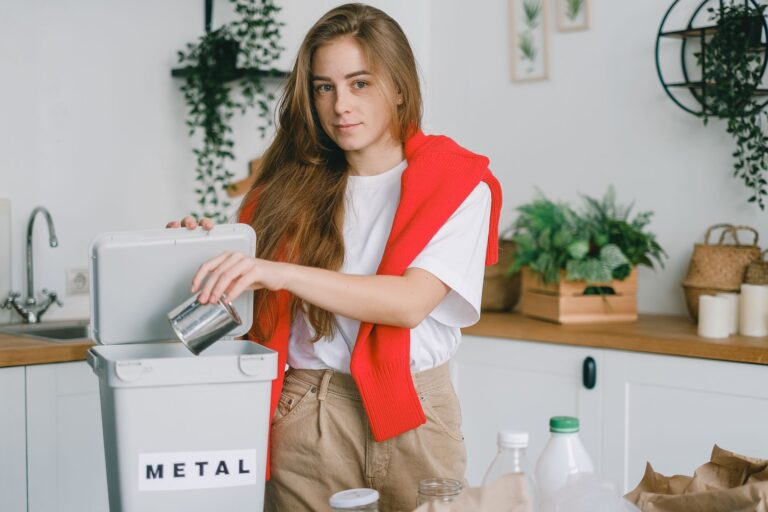
Put used grounds into household trash or a local compost stream instead. Keeping solids out of plumbing protects more than the visible sink basin.
For most homes, a lined trash bin, compost bin, or yard-waste cart is a sound destination. Your city or county sets its own food-waste rules, so check whether the organics program accepts coffee grounds and used coffee filters. That brief check keeps your cleanup routine in line with local collection rules.
The risk begins after the rinse, inside curved fittings and level pipe runs where heavy particles slow down. Clear water at the faucet does not show what remains in a drain trap (P-trap) or along a wall connection.
Pipe Bends Collect Grounds and Residue
The P-Trap Holds Heavy Sediment
A curved pipe beneath the sink holds water and blocks sewer gas while collecting heavy sediment. Grounds can fall into that curve and settle at its lowest point. Your drain then sends water through horizontal runs that have less downward force than the vertical pipe below the basin.
From the kitchen, wastewater enters a branch line and then a larger sewer line or septic system. Fine particles do not need to form a hard plug by themselves. A thin layer gives grease, food scraps, and soap residue a rough surface where they can stick.
Grease Turns Grit Into Sludge
Warm cooking fat can flow as a liquid, then cool on pipe walls into a sticky coating. Grounds caught in that film act like sand pressed into wet mortar, especially near an older pipe joint or rough interior surface. Your dishwater can add another layer each time the sink drains.
| Pipe location | What settles there | What you may notice |
|---|---|---|
| P-trap curve | Heavy grounds and food grit | Slow drainage near the sink |
| Horizontal branch pipe | Grounds mixed with soap residue | Gurgling after a full basin drains |
| Wall connection | Grease, scraps, and older debris | Recurring backup after dishwashing |
| Septic inlet line | Solids moving toward the tank | Drainage trouble at several fixtures |
Extra water can push a light amount farther down the line, but it cannot turn grounds into liquid. Your faucet may move the trouble out of sight rather than remove it. A garbage disposal changes particle size, yet the same pipe path remains.
A Garbage Disposal Reduces Size but Not Pipe Burden
The Grinder Ends at the Drain Opening
Metal grinding plates break food waste into smaller bits before water carries it away. A garbage disposal does not dissolve grounds or scrub pipe walls. Its work ends at the outlet, while your plumbing still has to move every particle through the drain line.
Small amounts of coffee grounds in garbage disposal units can pass without an immediate jam. Repeated use sends fine sediment beyond the unit, where your sink has no blades and no direct access. That difference matters more than whether the motor sounds normal.
| Cleanup route | What happens to grounds | Pipe burden |
|---|---|---|
| Garbage disposal | Particles become smaller | Solids still enter the drain line |
| Kitchen sink | Particles pass through the strainer | Sediment can rest in the P-trap |
| Trash container | Grounds stay contained | No plumbing exposure |
| Compost collection | Grounds enter an organics stream | No plumbing exposure |
Toilets Add Another Trap Point
Flushing grounds is not a workaround. Toilet plumbing is built for toilet paper and human waste, not dense kitchen solids. Grounds can catch in the toilet trapway or move toward the sewer connection with other solids.
Your septic system works better with minimal extra solids entering the tank. Coffee residue adds material that must settle or move through the system, so keep it out of septic plumbing. A cleaner counter routine removes the urge to use either fixture.
Low-Mess Cleanup Starts at the Brewer
Drip Brewers Need a Short Drain Time
Let the filter drain in the brew basket for 30 to 60 seconds after the last drip. Then lift it by the edges and place it in a countertop scrap bowl, compost pail, or lined trash bin. Your hands stay cleaner, and the sink stays out of the process.
- Use a scrap bowl: Keep a small bowl beside your brewer until you empty it after breakfast.
- Line the bin: A paper bag or compostable liner contains wet grounds and cuts residue inside your trash can.
- Drain over the basket: Let excess water leave through the filter instead of your kitchen sink drain.
- Empty reusable pods: Cool reusable pods, tap grounds into a container, then rinse the empty pod.
- Scrape French presses: Spoon the settled layer into trash or compost before rinsing the glass carafe.
Brewer Design Changes the Cleanup Step
A French press leaves a dense layer at the bottom, so use a spoon or silicone scraper rather than filling the carafe with rinse water. For reusable mesh baskets, knock grounds into a bowl over the trash. Your final rinse should carry only fine residue left on the basket.
Pod machines leave grounds inside a sealed capsule or reusable insert. Cool the pod, open it over your chosen container, and discard the outer piece based on its material. Food-waste rules differ among municipal programs, so your collection list settles that detail.
How to dispose of coffee grounds through organics collection depends on local instructions. Some programs accept paper filters and food scraps together; others accept grounds but reject lined paper products. Your collection provider’s posted list gives a clearer answer than a guess at the cart.
Even with a reliable disposal routine, an occasional spill into the sink calls for restraint rather than more water.
Fresh Grounds in a Drain Need a Calm Response
A Small Spill Calls for Restraint
A tablespoon that slipped through the strainer is not an automatic plumbing emergency. Stop sending more grounds down, skip grease and chunky food scraps for the rest of the day, and use the sink only while it drains at its normal speed. Your goal is to avoid adding sticky material to a small deposit.
Do not pour harsh liquid drain openers, such as Drano, into a drain because of coffee grounds. Those products can sit against a partial blockage, create heat, and complicate later pipe work. Tell a plumber about any cleaner already poured into the drain.
Drain Symptoms Mark the Service Point
Slow drainage, gurgling, standing water, foul odor, and repeat backups point to a developing restriction. A sink that drains slowly after dishwashing but improves overnight can signal residue moving inside the branch line. Your next use sends more water and food debris through that narrowed route.
- Stop sink use: Halt dishwashing once water rises or returns into the basin.
- Check nearby fixtures: Watch the dishwasher, bathroom sink, and floor drain for shared drainage trouble.
- Use a plunger: A sink plunger can move a shallow blockage after sealing the second basin.
- Call for service: Contact a plumber as drainage worsens, water returns, or several fixtures back up.
- Share septic details: Tell the service professional about your septic system and the grounds spill.
Several affected fixtures point beyond the sink trap, perhaps toward a shared drain line. A municipal wastewater treatment plant handles water after it leaves a sewer connection, but household plumbing still has to move solids out of your home. Septic homes have no municipal route, which makes solid disposal at the counter even more sensible.
That need to keep solids out of the system makes a small compost stream a practical alternative.
Composting Uses Grounds in Small Amounts
Grounds Need Dry Material Around Them
The same wet grounds that burden a drain can join a compost pile in modest amounts. Mix them with dry leaves, shredded plain paper, or torn cardboard. Your pile needs air spaces, and a thick wet layer can pack down like damp clay.
Used coffee filters can join a home compost pile where your setup accepts them. Tear a heavy filter into a few pieces, then cover it with dry browns. Municipal compost sites set their own rules, so place filters in household trash where program instructions exclude them.
Garden Beds Need a Thin Layer
Grounds are not a stand-alone soil amendment. Spread a thin amount through compost or mix it with other organic matter before it reaches a planting bed. A thick mat on bare soil can shed water and limit air at the surface, which works against your garden goals.
For a small apartment kitchen, household trash can be the cleanest route. What to do with used coffee grounds does not need to become a weekend task: contain them, empty the container on schedule, and keep them out of every drain. Your routine stays simpler than a daily rinse into plumbing.
The Bottom Line Keeps Solids Out of Pipes
Your sink is built to carry wastewater, not a daily load of gritty solids. A small amount can pass, but routine disposal gives sediment, grease, and food debris a place to gather. Drain grounds in their filter, then use compost, yard waste, or household trash based on your local rules and available space.
FAQ
Can you put coffee grounds down the sink?
No. Used coffee grounds do not dissolve in water, and the gritty particles can settle in the P-trap or horizontal pipe sections. Your sink may drain after a small spill, but repeated rinsing can leave sediment that mixes with grease, soap residue, and food scraps.
How do you dispose of coffee grounds?
Place used grounds in a compost bin, municipal organics cart, yard-waste container, or household trash. Your low-mess method is to let the filter drain, lift it into a lined container, and empty that container on a regular schedule. Check local rules before placing paper filters in municipal compost collection.
What is the best thing to do with old coffee grounds?
Composting is a useful choice where you have a home pile or a local organics program that accepts grounds. Mix your grounds with dry leaves, shredded paper, or cardboard rather than dumping a deep wet layer into the pile. Household trash is a sound choice where composting is unavailable.
Are coffee grounds okay to put in the garbage disposal?
Inside a garbage disposal, grinding breaks up coffee grounds but does not remove the pipe risk. Small amounts can move through your unit, while repeated disposal can leave fine sediment farther down the drain line. Put grounds in compost or trash instead, especially where your kitchen drain already runs slowly.
Can I flush coffee grounds down the toilet?
One flush can send coffee grounds into pipes where they may settle and contribute to clogs. The solids can settle in toilet plumbing or add to buildup in the drain route beyond it. Your septic system should receive minimal extra solids, and grounds offer no benefit there. Trash or compost keeps that material out of the toilet trapway.
Why do coffee grounds clog kitchen sinks?
Grounds do not dissolve in water, so they can settle in the P-trap and horizontal plumbing pipes. There, they can mix with grease, soap residue, food particles, and older debris. Your sink may still drain at first, yet each rinse can add material to a sludge-like blockage.