

A solid home security setup no longer demands a hardwired control panel or a long-term monitoring contract. Modern wireless home security systems let you install sensors, keypads, and cameras without drilling through walls, and they connect through your home Wi-Fi rather than a landline. The challenge today is sorting through entry-level add-ons, full starter kits, and outdoor cameras to find the right mix for your front door, your apartment, or a multi-room family home.
The Choices Worth Comparing

SimpliSafe Entry Sensor

SimpliSafe Entry Sensor (Pack of 4)
SimpliSafe Wireless Keypad

SimpliSafe 8 Piece Wireless Home Security System

ADT Blu Outdoor Camera Home Security System
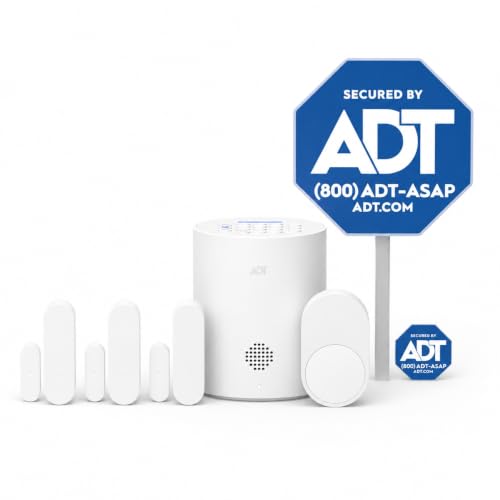
ADT Blu Home Security System Starter Kit
A Deeper Look At The Lineup
Adding protection to a single entry point is where most people start, and this single SimpliSafe Entry Sensor fits that job without overcomplicating things. The unit is small enough to sit on a window frame, a door casing, or a cabinet door without standing out, which matters in rentals where you can’t make permanent modifications. Because it pairs wirelessly with the SimpliSafe Gen 3 base station, no wiring runs back to a panel and no tools are required for the install.
The trade-off is straightforward too. A single sensor covers one opening, so outfitting a multi-door home means buying several. For shoppers who only want a quick first layer of protection at the most-used door, that limitation is rarely a dealbreaker.
Advantages To Know
- Compact body that disappears on most door and window frames
- Wireless pairing means installation takes minutes, not hours
- Compatible with the SimpliSafe Gen 3 base for a familiar ecosystem
- Useful for non-traditional openings like medicine cabinets or gun safes
Worth Noting
- One sensor covers one opening, so a full entry setup requires several units
- Only works inside a SimpliSafe ecosystem, not as a standalone alert
Feature Snapshot
Right Fit For
Rivers and renters adding a single sensor to their most-used door before building out a full system.
Consider Something Else When
Shoppers outfitting a whole house should reach for the SimpliSafe Entry Sensor (Pack of 4) instead, since multi-door coverage comes out cheaper per sensor.
Where the single sensor above covers one opening, this four-pack expands protection across every door and window that matters in a typical home. For shoppers planning ahead, the bundle removes the guesswork of counting openings and figuring out how many sensors to add later. Compared to the single-unit option, you get the same compact design with a much lower per-sensor cost.
The honest read is that four sensors is plenty for an apartment or small house but may fall short for larger properties with many windows. For most households starting fresh, though it lands in a useful middle spot.
What It Does Well
- Lowers the cost per sensor compared to buying singles
- Covers a typical front door, back door, and two key windows in one box
- Same compact body and wireless install as the single version
Trade Offs
- Overkill for studio apartments that only have one or two openings
- Requires a SimpliSafe base station to actually function
- Adhesive backing may need reapplication on textured surfaces over time
Made For
First-time owners outfitting a multi-door home on a sensible budget.
Look Elsewhere When
Shoppers who want a full kit with keypad, base station, and sensors should look at the SimpliSafe 8 Piece Wireless Home Security System instead.
A wireless keypad sounds like a small add-on, but it changes how a system feels day to day. The SimpliSafe Wireless Keypad runs on batteries, so there’s no hunting for an outlet near the entryway. Touch-to-wake technology keeps the display dark until your finger lands on it, which is a thoughtful touch for bedrooms and hallways where a glowing panel would be distracting at 2 a.m.
The keypad also reads as reassuring rather than intimidating, with soft-touch buttons that work in low-visibility conditions. For shoppers who want to mount a keypad near a back door or garage entry without rewiring, this version solves the placement problem the older plug-in models couldn’t.
A Few Strong Suits
- Battery-powered so it goes where you want it, not where the outlet is
- Touch-to-wake display stays dark until needed, reducing nighttime glare
- Smash-safe design still triggers alerts if tampered with
- Communicates which entry sensor was triggered during arming or entry delays
Soft Spots
- Needs battery replacement over years of use, depending on traffic
- Only useful alongside a SimpliSafe base station and entry sensors
Key Specs
Best Suited To
Homeowners adding a second arming station near a back door or garage without running new wiring.
Swap It Out When
Shoppers who don’t already own SimpliSafe hardware should pick the SimpliSafe 8 Piece Wireless Home Security System instead, since that bundle includes the keypad.
For shoppers starting from scratch, the SimpliSafe 8 Piece Wireless Home Security System bundles the brain and the body of a complete setup. The base station includes a backup battery rated for up to 24 hours and a built-in 100 dB siren, which together keep the system alive through short power outages. A smash-safe keypad, multiple entry sensors, and motion detection cover the main entry points and interior zones in one box.
The system also plays nicely with voice assistants, so arming can happen through a quick spoken command rather than walking to the keypad. For shoppers on the fence about which individual pieces to buy, this bundle removes the decision-making entirely.
Everyday Advantages
- Complete starter kit that covers main entries and interior motion
- Base station includes 100 dB siren and up to 24-hour battery backup
- Optional 24/7 professional monitoring without a long-term contract
- Voice assistant integration makes arming hands-free
Points To Keep In Mind
- Professional monitoring requires a separate paid plan after the trial period
- Eight pieces may still leave larger homes needing expansion sensors
- Outdoor coverage isn’t included, so driveway and yard protection require extras
Feature Card
Who Will Love This
First-time owners who want a one-box setup that handles front entry, keypad, and interior motion from day one.
A Better Fit Elsewhere
Shoppers focused on outdoor video should grab the ADT Blu Outdoor Camera Home Security System, since this kit skips exterior cameras.
Indoor sensors and keypads cover the inside of the home, but the driveway, backyard, and side gate tell a different story. The ADT Blu Outdoor Camera steps into that gap with 2K video, a built-in spotlight for darker corners, and night vision that holds up after sunset. Smart detection distinguishes between people, pets, and packages, so the camera isn’t perfect at filtering every passing critter from real events.
ADT’s Blu line is also structured around month-to-month plans with no long-term contract, which suits shoppers wary of being locked in. For homes with a side yard or detached garage that needs a visible camera, this outdoor unit is the natural fit.
Practical Pluses
- 2K resolution sharp enough to read a license plate at close range
- Built-in spotlight plus night vision covers dim driveways and gates
- Smart detection filters out non-event motion
- 30-day free monitoring trial with month-to-month plans after
A Few Limitations
- Requires an active paid monitoring plan to unlock full features
- Outdoor mounting may need a ladder and a power source nearby
- Designed for outdoor use, so it complements rather than replaces indoor sensors
The Right Fit
Homeowners with a driveway, side gate, or detached garage who want visible outdoor video without a long-term contract.
Reach For A Different Pick When
Shoppers wanting entry sensors and a base station should pick the ADT Blu Home Security System Starter Kit instead, since this camera alone doesn’t cover interior openings.
The ADT Blu Home Security System Starter Kit pairs the ADT name recognition with a DIY-friendly install path. Inside the box sits a base hub, three door and window sensors, a pet-friendly motion sensor, a yard sign, and window stickers. That combination is enough to cover a small home or apartment on day one, and the yard sign alone tends to discourage casual probing before any sensor triggers.
The kit also keeps the contract question simple. Self-Protect and Pro-Protect plans run month to month, so shoppers can step up to live monitoring later without re-signing anything. For shoppers who want ADT’s brand backing without a hardwired install or a long-term deal, this is the cleanest entry point.
Strong Points
- Full starter kit covers doors, windows, and motion in one box
- Pet-friendly motion sensor avoids false alarms from cats and small dogs
- Yard sign and window stickers add a visible deterrent before break-in attempts
- Month-to-month plans, no contract lock-in
Honest Caveats
- Monitoring requires a paid subscription to access full functionality
- Smaller sensor count than some competing starter kits
- No outdoor camera included, so yard coverage requires a separate add-on
Perfect Match For
Apartment dwellers and first-time owners who want a recognizable brand with DIY install and no long-term contract.
Not Your Match When
Shoppers who already run a SimpliSafe system should stick to SimpliSafe accessories like the Smart Keypad rather than mixing ecosystems.
Picking The Right Wireless Security Setup
Know What You’re Trying To Cover
Start by walking through your home with a notepad. Count the doors and ground-floor windows that actually need sensors, then decide whether you want interior motion detection. Driveways, side gates, and detached garages call for outdoor cameras rather than more entry sensors, so factor those in separately.
Decide How You Want To Monitor
Self-monitoring means alerts land on your phone and you decide what to do next. Professional monitoring adds a staffed center that calls for help on your behalf. Both are valid, but they change the ongoing cost of ownership and the level of hands-on attention you have to give the system.
Match The Hardware To Your Living Situation
Renters benefit from adhesive-mounted sensors and wireless keypads that don’t require drilling. Homeowners with more square footage may want a bundle that covers multiple rooms at once. Apartments can usually make do with a smaller starter kit and a single keypad near the entryway.
Plan For The Sensors You Haven’t Bought Yet
Most homes grow over time, so check that your chosen system supports expansion sensors and add-on keypads later. A starter kit that locks you into one ecosystem is fine, as long as that ecosystem has the parts you may need next year.
Quick Considerations Across These Picks
Wrong Turns To Avoid
Buying only one sensor for a multi-entry home leaves obvious gaps. Skipping a yard sign and stickers means missing the cheapest deterrent in the box. Choosing a plan-locked kit before confirming the monthly monitoring fees can also catch you out, so double-check the subscription terms before checkout.
When Paying More Pays Off
Higher-tier kits tend to bundle more sensors, a louder siren, and longer battery backup, which all add real coverage during outages. Upgrading to a kit with a smart outdoor camera also buys you package detection and visible deterrence. The upgrade usually pays off for larger homes and for households that travel often.
Frequently Asked Questions
Do Wireless Home Security Systems Need An Internet Connection?
Most wireless systems rely on your home Wi-Fi to send alerts and updates to your phone, though some include cellular backup through a monitoring plan.
Can I Install These Systems Without Drilling?
Many entry sensors and wireless keypads use adhesive backing that mounts cleanly on smooth frames and trim.
Will Pets Set Off The Motion Sensors?
Pet-friendly motion sensors in modern starter kits are designed to ignore animals below a certain weight, typically around 40 to 60 pounds.
Do I Have To Pay A Monthly Fee?
Self-monitoring is usually free, while 24/7 professional monitoring requires a subscription, and most kits offer a short trial before billing starts.
How Many Sensors Does A Typical Home Need?
A small home or apartment usually starts with three to five entry sensors plus one motion sensor, while larger homes benefit from eight or more.
Closing Thoughts
The right wireless home security setup comes down to matching the kit to your floor plan, your monitoring preferences, and how much hands-on attention you want to give it. Start with the openings that matter most, layer in a keypad that fits your entry routine, and bring in outdoor video only where you actually need eyes on the property.




