

Well water has its own personality, sometimes crisp and clean, sometimes carrying a faint metallic edge or a sandy grit that settles at the bottom of the kettle. That variability is exactly why a thoughtful filter matters. The right pick turns tap water into something you’d happily drink, cook with, and pour for guests without a second thought. This lineup covers pitcher replacements, whole-house cartridges, reverse osmosis, and portable straw filters, so anyone drawing from a private well, a cistern, or a municipal line can find a match that fits their space and routine.
The Shortlist At A Glance

Haley’s Corker Wine Bottle Stopper Set of 4

Brita Stream Pitcher Replacement Filter, 3 Pack

PUREPLUS Whole House Sediment and Carbon Filter 2-Pack

PUREPLUS Whole House Pleated Sediment Filter, 2 Pack

PUREPLUS 5 Micron Whole House Well Water Filter, 2 Pack

Rusco Spin-Down Replacement Water Filter RUSCO-FS-1-100
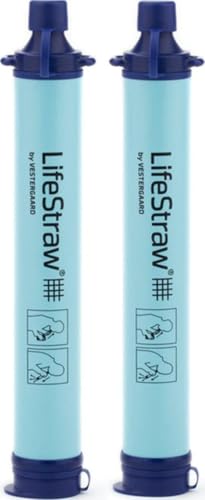
LifeStraw Personal Water Filter, Blue, 2 Pack

Brita Original Replacement Water Filter, 3 Pack

Brita Water Bottle Replacement Filters, 3-Pack
VIVA21 5-Stage Reverse Osmosis Under-Sink System
A Deeper Look At The Lineup
This is the one entry on the list that quietly bends the category. Haley’s Corker isn’t a water filter in the strict sense, it’s a multi-function pourer and stopper set that handles wine, oils, and vinegar. Each spout aerates as it dispenses and reseals the bottle, which keeps half-finished bottles from going flat on the counter.
Hosts who pour oils for finishing dishes, or anyone tired of stained tablecloths, will appreciate how the spout controls drips. For well water use specifically, it doesn’t apply, but for kitchen-adjacent liquid handling it’s a tidy little tool. The four-pack covers a few bottles at once without running out.
The Value In It
- Doubles as a stopper, pourer, and aerator in one piece
- Vented spout prevents splashing and dripping on counters
- Seals opened bottles for storage between pours
- Set of four covers several open bottles during meals
- Fits standard wine, oil, and vinegar bottle openings
Points To Note
- Hand washing is usually required to preserve the seal
- Not designed for carbonated or pulpy liquids
Made For
Entertainers, home cooks finishing dishes with olive oil, and anyone tired of drippy bottle mouths on the dining table.
Skip It When
Filtering actual well water is the goal, the Brita Stream Pitcher Replacement Filter covers everyday drinking needs at the tap instead.
Brita’s Stream filter is the answer for anyone who hates waiting for a pitcher to drip through. Water flows as you pour, no reservoir sitting on the counter, no patience required. The three-pack format means roughly half a year of fresh cartridges before reordering.
The dual-layer carbon core pulls chlorine taste and odor along with Class VI particulates, which is shorthand for visible sediment down to a measurable size. In a small kitchen or rental where drilling holes for an under-sink system isn’t an option, this filter slips into a standard Brita pitcher and quietly does the work. Compared to the Haley’s Corker reviewed earlier, this one actually treats the water itself.
Useful Highlights
- Pour-through design eliminates the drip-and-wait step
- Three-pack supplies several months of replacements at once
- Carbon layer reduces chlorine taste and visible particulates
- Slides into existing Brita pitchers and dispensers
- No installation tools or plumbing required
Trade Offs
- Doesn’t address microbial contaminants on its own
- Heavy use can shorten the 40-gallon life expectancy
Quick Facts
Who It Suits Best
Apartment dwellers, renters, and small households who want cleaner-tasting tap water without modifying plumbing.
Consider Something Else When
Whole-house sediment is the priority, the PUREPLUS 5 Micron Whole House Well Water Filter handles incoming supply lines.
PUREPLUS bridges two jobs in one cartridge: a 5 micron sediment layer that catches sand, rust, and grit, paired with a carbon stage that takes chlorine taste out of the equation. The 10-inch by 4.5-inch format drops into standard big-blue housings already mounted on many home manifolds.
For a private well with moderate sediment, this two-pack rotates out roughly every six months, which keeps the swap schedule manageable. The manufacturer lists compatibility with several GE, Culligan, and Pentek housings, so cross-referencing the existing housing model before buying is the smart move. Compared to the pitcher-focused Brita Stream reviewed earlier, this one treats every tap in the house at once.
What Earns Its Place
- Combines sediment and carbon filtration in a single cartridge
- Standard 10-by-4.5-inch size fits common big-blue housings
- Two-pack extends time between reorders
- Targets both visible grit and chlorine taste
- Food-grade materials with documented compliance certifications
Worth Bearing In Mind
- Manufacturer recommends this for tap water, not heavy well loads
- Heavy sediment loads shorten cartridge life noticeably
- Requires a compatible housing already installed at the manifold
Best Suited To
Homeowners on municipal or lightly sedimented well water who want a single stage that handles both particulate and taste.
A Better Fit Elsewhere
Dirtier well sources need something heavier, the PUREPLUS Pleated Sediment Filter carries more grit before clogging.
The pleated design here is the key difference. Where a string-wound or melt-blown cartridge acts like a sponge, pleated media folds outward like an accordion, exposing more surface area to the water passing through. That extra area means less pressure drop and longer service intervals in sandy or silty conditions.
For a well that throws visible grit into the toilet tank or leaves sediment in the showerhead, this filter catches it before the water reaches any fixture. Like the PUREPLUS 2-in-1 cartridge reviewed above, it drops into standard big-blue housings. Where it diverges is the carbon stage, this one focuses purely on sediment, leaving taste and odor reduction to a separate filter downstream.
A Few Strong Suits
- Pleated structure offers larger filtration surface than wound filters
- Maintains strong flow under heavy sediment load
- Catches rust, sand, and visible color particles
- Two-pack stretches the replacement cycle for routine homes
Room For Improvement
- Doesn’t address chlorine taste or odor on its own
- Sediment-only focus means a second stage is often needed for taste
Feature Snapshot
Perfect Match For
Houses drawing from wells with visible sand or rust where maintaining strong flow at every fixture matters.
Look Elsewhere When
Taste and odor are the main complaints, pair this with a carbon stage or pick the PUREPLUS Whole House Sediment and Carbon Filter.
This is the cartridge PUREPLUS builds specifically for well water, and the honeycomb media structure is the giveaway. The dense, thin-walled pattern captures sediment, sand, and rust while keeping enough flow for simultaneous showers and laundry cycles. It’s not a marketing rebrand of the sediment-only cartridge, it’s tuned for well conditions.
For homes drawing from private wells with periodic grit or color, this filter installs in the same big-blue housings used by the other PUREPLUS cartridges reviewed earlier. A 5 micron rating balances thoroughness and pressure well, finer and the cartridge clogs too quickly, looser and visible sediment slips through. That’s the trade-off the manufacturer tuned for here.
What Helps Most
- Honeycomb media structure handles sediment-heavy well water
- Standard big-blue housing format for easy swap-in
- Two-pack covers a full year of routine replacement
- Targets sand, rust, sediment, and color in one stage
Points To Keep In Mind
- Doesn’t strip chlorine since most wells don’t carry it
- Iron staining beyond light levels may need a dedicated iron filter
- Cartridge lifespan shortens under very heavy sediment loads
Quick Technical Notes
Right Fit For
Private well owners who see visible grit, rusty water after heavy rain, or periodic color in the supply.
Reach For A Different Pick When
Municipal water is the source and taste is the priority, the Brita Original Replacement Water Filter handles the kitchen side easily.
Rusco’s spin-down separator works on a different principle than the cartridges on this list. Water enters the housing and centrifugal force throws heavier particles outward, where they collect in a clear bowl that you can see and drain. That makes it a pre-filter, not a polishing stage, and a workhorse for catching what would otherwise clog the cartridges downstream.
For well owners who replace sediment filters every few months due to grit, this device cuts that frequency dramatically by stripping the largest particles first. The 100 mesh rating is coarser than the 5 micron cartridges above, so don’t expect this alone to polish drinking water. Pair it with the PUREPLUS Whole House Well Water Filter and the system handles everything from coarse grit to fine sediment.
Standout Benefits
- Centrifugal design captures sediment without consumable media
- Clear bowl shows collected debris at a glance
- Reduces clogging on downstream cartridge filters
- Drain valve lets you flush sediment without tools
- Extends the life of more expensive replacement cartridges
Honest Caveats
- Coarser rating means finer sediment still passes through
- Not a stand-alone drinking water solution
- Bowl flushing requires manual attention on a schedule
Who Should Grab It
Hands-on homeowners with heavy well sediment who want to protect downstream filters and reduce how often they swap cartridges.
Swap It Out When
Sediment isn’t the main concern, the Brita Water Bottle Replacement Filters fit an active commute instead.
LifeStraw is the outlier in this lineup, and that’s its strength. The hollow-fiber membrane inside each straw removes bacteria, parasites, microplastics, and silt from untreated water drawn directly from lakes, streams, or emergency cisterns. You drink through it like a straw, no pumping, no setup.
Two straws in the pack means one for the go-bag and one for the trail, or a backup if one is misplaced on a long hike. In a true grid-down emergency where the well pump stops working, this device keeps hydration possible without any power. It doesn’t replace a household system, that’s where the PUREPLUS well water filter above earns its keep, but for camping and emergency kits it’s a different tool entirely.
What Makes Sense
- Removes common waterborne bacteria and parasites without chemicals
- Drink directly from natural water sources
- Ultralight format suits backpackers and emergency kits
- Two straws cover both a primary and backup role
- No moving parts, batteries, or pumping required
Some Limits To Know
- Doesn’t remove chemical contaminants or heavy metals
- Slow flow rate compared to pumped or gravity filters
- Suited to personal hydration, not household supply
Built With In Mind
Backpackers, overlanders, and anyone assembling an emergency kit who needs a backup hydration method.
Another Choice May Suit
Daily household water treatment is the goal, the VIVA21 5-Stage Reverse Osmosis System filters tap water at the kitchen sink.
The Original Brita Standard is the cartridge the brand built its name on, and the multi-contaminant carbon stage is the headline. It pulls chlorine taste and odor along with copper, mercury, and cadmium, which covers the metallic complaints most municipal and well water drinkers actually report.
Each filter lasts around 40 gallons or roughly two months for a typical family, so the three-pack covers about half a year. It fits the standard Brita pitcher and dispenser line, including models with a SmartLight indicator that signals when it’s time to swap. Compared to the Brita Stream reviewed earlier, this one uses the traditional reservoir-style pitcher, slower but with broader contaminant claims on the label.
Benefits That Matter
- Carbon stage targets chlorine, copper, mercury, and cadmium
- Three-pack supplies roughly six months of filters
- Fits the full Brita pitcher and dispenser lineup
- Compatible with SmartLight reminder indicators
- Drop-in replacement with no tools required
Small Caveats
- Slower pour than on-demand Stream-style cartridges
- Doesn’t address bacterial contamination from untreated wells
Feature Card
Whose Shelf It Belongs On
Families using a Brita pitcher or dispenser who want a steady supply of replacement cartridges without reordering monthly.
Not Your Match When
Untreated well water with bacterial risk is the source, pair the source-side PUREPLUS Whole House Well Water Filter with a UV stage for microbes.
This is the Brita format designed for life off the kitchen counter. The cartridges slot into Brita’s filtered water bottle line, turning tap water at a gym, office, or hotel sink into filtered drinking water on the move. The activated carbon blend drops chlorine taste and Class VI particulates while keeping some healthy minerals in the mix.
For commuters and gym-goers, the appeal is avoiding single-use plastic bottles without hauling a pitcher around. Each filter is rated for about 40 gallons or two months, so the three-pack keeps one in the bottle, one spare in the bag, and one on the shelf. Where it sits versus the pitcher cartridges reviewed earlier is purely scale, same media, smaller housing, same swap rhythm.
What Works In Its Favor
- Compact cartridge size fits portable Brita bottles
- BPA-free construction for on-the-go drinking
- Reduces chlorine taste and visible particulates
- Three-pack covers roughly half a year of bottle use
- Drop-in replacement, no tools or priming steps
Practical Considerations
- Bottle hardware is sold separately from the filters
- Doesn’t treat bacterial or viral contamination
The Right Fit
Commuters, travelers, and active households who already own a Brita bottle and want a steady cartridge supply.
Where A Sibling Pick Shines
Sediment reduction is the bigger issue, the PUREPLUS Whole House Pleated Sediment Filter works at the supply line.
Reverse osmosis is the deepest treatment on this list. The VIVA21 system runs tap water through five stages: sediment, carbon, the RO membrane itself, and a post-carbon polish. Dissolved solids, lead, and a wide range of contaminants stay on one side of the membrane while clean water collects in a small pressurized tank under the sink.
The complete kit includes the lead-free faucet and a leak detector, which addresses the most common worry with under-sink installs. Compared to the pitcher-style Brita cartridges reviewed earlier, this system is a permanent installation with stricter filtration claims. For well owners who want a dedicated drinking water tap and don’t mind giving up under-sink storage, it’s a meaningful step up.
Positive Points
- Five-stage treatment targets dissolved solids and metals
- Includes dedicated lead-free faucet and storage tank
- Leak detector helps catch installation issues early
- Independent certification covers RO performance and lead content
- Provides on-demand filtered water at the kitchen tap
Things To Consider
- Installation is more involved than pitcher or counter units
- Produces wastewater during the filtration cycle
- Periodic filter and membrane replacements are part of ownership
Best Suited To
Households wanting the most thorough point-of-use filtration and willing to commit to under-sink installation and routine maintenance.
A Better Fit Elsewhere
Renters who can’t modify plumbing need a non-invasive option, the Brita Stream Pitcher Replacement Filter slips into any existing pitcher.
Picking The Right Well Water Filter For Your Home
Choosing well water filters starts with knowing what your water actually carries. A simple at-home test or a mailed lab panel tells you whether sediment, iron, hardness, or microbial concerns are the priority. The cartridges, pitchers, and reverse osmosis units on this list each solve a different slice of the problem, so matching the product to the contaminant is more useful than chasing the longest spec sheet.
Sediment is the most visible issue, sand in the toilet tank, grit on the kettle element, and rusty water after storms. Cartridge filters in the 5 micron range, like the PUREPLUS options above, catch that without choking flow. Higher flow applications or pre-filter duty benefit from pleated media or a spin-down separator that handles larger volumes with minimal pressure loss.
Taste and odor concerns point toward activated carbon. Chlorine is rare in well water, but organic compounds, sulfur, and certain minerals create off-flavors that carbon absorbs effectively. For metallic tastes from iron or manganese, a dedicated oxidation or iron-removal stage is usually required before carbon does its best work.
Point-of-use versus point-of-entry is the next fork. Pitchers, bottles, and under-sink RO systems treat water at a single tap, great for drinking and cooking. Whole-house systems treat every fixture, which matters for showering, laundry, and protecting appliances from sediment. Combining a coarse pre-filter at the entry with a polishing stage at the kitchen tap covers both ends of the home.
Maintenance rhythm matters more than people expect. Cartridges have a finite life, and ignoring the swap schedule turns a filter into a harbor for the contaminants it was meant to remove. Pick a system whose replacement cadence fits how often you’ll actually change it. A 40-gallon filter that gets replaced every two months beats a fancier cartridge that sits past its service window.
Things To Weigh Before You Commit
Common Shopping Slip Ups
The most common mistake is treating all well water the same. A cartridge tuned for sediment on a clear-running well underperforms, and a carbon filter on iron-heavy water loads up and clogs fast. A second frequent miss is buying the wrong housing size, a 10-by-2.5-inch cartridge simply won’t seat in a 10-by-4.5-inch big-blue housing, even with the same micron rating. Check the existing housing model and the cartridge dimensions before checkout.
Where The Extra Money Goes
Premium picks like the VIVA21 reverse osmosis system cost more because they treat more. Five stages of filtration, a dedicated faucet, a storage tank, and a leak detector add up to a different category of product than a pitcher cartridge. For households with broader contamination concerns or a desire for the cleanest possible drinking water, that upgrade pays off in fewer countertop appliances and one consolidated treatment point. For renters or small households with mild taste concerns, a fraction of that investment in pitcher cartridges does the same job.
Frequently Asked Questions
What micron rating is best for well water filters?
A 5 micron rating is the most common balance for well water filters. It catches visible sand, rust, and silt while maintaining enough flow for whole-house use. Finer ratings like 1 micron remove more but clog faster under heavy sediment loads.
How often do well water filters need replacing?
Most cartridge filters last around three to six months under typical household demand, though spin-down separators can run much longer since they flush rather than consume. The exact cadence depends on water quality and gallons used.
Can a single filter handle both sediment and chlorine taste?
Dual-stage cartridges like the PUREPLUS Whole House Sediment and Carbon Filter pair both jobs in one housing. Separate sediment and carbon stages in series work just as well and let each filter specialize, which often extends service life.
Are pitcher filters enough for well water?
For taste and chlorine concerns in lightly treated water, yes. For untreated well water with sediment, iron, or microbial risk, pitcher filters are an addition to a whole-house or point-of-entry setup rather than a replacement.
Does reverse osmosis make sense for well water?
Reverse osmosis suits wells with dissolved solids, nitrates, or metals that cartridge and carbon filters miss. The trade-off is installation complexity, wastewater during operation, and a higher ongoing cost for membrane and filter replacements.
Closing Remarks
Well water filters cover a wide spectrum, from portable straws for the trail to permanent reverse osmosis systems under the kitchen sink. The right pick depends on what your water actually carries and how much maintenance you’re willing to take on. Match the product to the contaminant, keep the swap schedule realistic, and the rest is just choosing between pitcher convenience, whole-house coverage, or point-of-use depth.




