

Whether you’re draining a flooded basement, moving diesel to a backup generator, or hauling rainwater out of a stock tank, the right pump turns a sweat-soaked afternoon into a manageable task. This roundup covers six workhorse options spanning heavy-duty submersibles, compact utility units, and portable transfer pumps designed for fuel and non-potable water. Each pick solves a different problem, so the right one depends on how much liquid you need to move, how fast, and from where.
An Overview Of The Picks
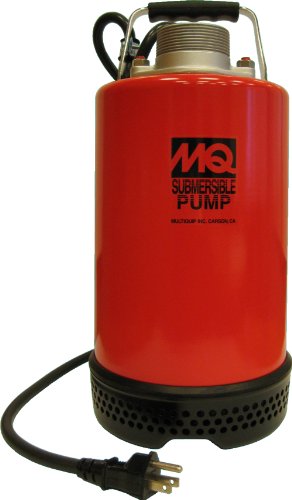
Multiquip Bon Submersible Electric Pump (35-318)

Superior Pump 91016 Thermoplastic Utility Pump

Keimi Electric Fuel Transfer Pump (Auto-Stop & Trigger)

Keimi Electric Fuel Transfer Pump with Auto-Stop

Keimi Electric Fuel Transfer Pump with Hand Trigger

BestCosy Hand Siphon Pump (Deep Orange)
Taking A Closer Look At The Options
Built for crews who can’t afford downtime, the Multiquip Bon submersible moves serious volume through a 2-inch discharge. Its cast aluminum housing shrugs off the rough handling that destroys lighter pumps on real job sites.
The 73 GPM rating translates to draining a standard flooded basement in minutes rather than hours, and the sealed ball-bearing impeller keeps debris from chewing up the internals. Where the Superior Pump covered in the next review targets casual household jobs, this unit is overbuilt for contractors and serious homeowners.
The Helpful Details
- Internal thermal overload protection cuts power before overheating becomes a repair bill.
- Dual shaft seals resist the grit and silt that finish off cheaper single-seal designs.
- A molded 25-foot power cable with strain relief reaches distant outlets without splicing.
- 73 GPM flow rate clears standing water fast enough for time-sensitive emergencies.
- Cast aluminum body handles transport between sites without cracking.
Trade Offs
- Heavier than thermoplastic models, so hauling it up basement stairs wears on you.
- Higher price tier makes it overkill for a one-time pool cover drain.
- Aluminum finish can show scuffs over time with frequent truck-bed transport.
Key Specs
Made For
Contractors, utility crews, and homeowners facing flooded basements or large-volume drainage.
Consider Something Else When
The Superior Pump 91016 covers smaller residential jobs with less weight and a friendlier price.
The Superior Pump 91016 fills the gap between a heavy-duty contractor pump and a flimsy backyard gadget. The 1/6 HP motor delivers enough flow to clear a flooded laundry room or drain a stock tank, yet the unit stays light enough to carry with one hand.
Oil-free operation simplifies maintenance and removes one more fluid to check before storage. Copper motor windings and electronically controlled split capacitors help this pump outlast bargain-bin alternatives, and the reinforced thermoplastic body shrugs off the dings that come with garage-shelf storage.
Notable Gains
- Lightweight thermoplastic housing makes single-person setup realistic.
- Oil-free design removes a fluid change from seasonal maintenance.
- Solid copper windings handle repeated start-stop cycles.
- Submersible form factor fits tight sump pits and narrow drains.
Points To Keep In Mind
- Lower horsepower means slower clearing on deep standing water.
- Thermoplastic housing can scuff under repeated dragging on concrete.
- Not designed for continuous industrial duty cycles.
Right Fit For
Homeowners handling pool cover water, sump backups, and small flooded areas on a budget.
Look Elsewhere When
The Multiquip Bon makes more sense for job-site abuse and faster drainage.
Most fuel transfer pumps lock you into one operating style, but the Keimi Auto-Stop and Hand Trigger model blends both into a single nozzle. You can run sensor-based shutoff when topping off small tanks, or switch to squeeze-trigger control for larger transfers where you want to dictate the pace.
The 3.8 GPM flow rate sits comfortably between slow hand pumps and bulky 12V professional units. Power options include four AA batteries for cord-free work or USB connection to a power bank or vehicle charger, which matters when there’s no outlet near the fuel drum.
Where It Delivers
- Dual-mode nozzle adapts to different tank sizes and transfer styles.
- Battery and USB power options cut the cord-tangle problem.
- Compact body stores in a glove box or small toolbox.
- Lightweight enough to carry between vehicles on a property.
Honest Caveats
- AA battery drain means keeping spares on hand for longer jobs.
- Auto-stop sensor requires the nozzle to stay positioned correctly to function.
- Not rated for gasoline transfer in all jurisdictions, so check local rules.
Feature Snapshot
Best Suited To
Shop owners and property caretakers who juggle different transfer jobs and want one pump that adapts.
A Better Fit Elsewhere
The Keimi Hand Trigger model is simpler and lighter if you never need the auto-stop function.
Auto-stop nozzles earn their keep when you’re filling small tanks where overfilling means fuel on the garage floor. This Keimi unit shuts flow off the moment liquid reaches the sensor, which limits splash-back during attended transfers.
Compared to the dual-mode Keimi covered above, this version drops the hand-trigger option in favor of a streamlined sensor-only design. For routine fuel top-offs, that simplification actually helps, since there’s one less control to think about mid-pour.
Good Reasons To Consider
- Sensor shutoff reduces the risk of overflow on small tanks.
- 3.8 GPM flow handles mid-size equipment fuel tanks in minutes.
- USB power option works from a vehicle charger or power bank.
- Compact footprint fits in a drawer between uses.
Small Caveats
- Sensor must stay clean to function reliably over time.
- No manual override for partial fills without repositioning.
- Battery-only mode drains AA cells faster than expected on big transfers.
Who Should Grab It
Garage tinkerers and homeowners topping off lawn equipment and ATV tanks without watching every second.
Skip It When
The Keimi Hand Trigger model fits better when you want squeeze-controlled flow for varied container sizes.
Squeeze-to-flow, release-to-stop keeps the operator in full command. This trigger-only Keimi model skips the auto-stop sensor entirely, which means no sensor to foul and no calibration to second-guess before each use.
That direct feel matters during field refueling when you’re filling odd-shaped containers or topping off jerry cans. The 3.8 GPM rating matches the rest of the Keimi lineup, and AA battery or USB power keeps the unit independent of any vehicle system.
What Helps Most
- Operator-controlled flow suits irregular tank shapes and partial fills.
- No sensor to clean or replace over the pump’s life.
- Simple controls reduce the learning curve for occasional users.
- USB option recharges from a vehicle on long trips.
Areas To Watch
- Requires constant grip on the trigger during transfer.
- No spill protection if you walk away mid-pour.
- Same AA battery caveat as the other Keimi units.
Quick Facts
Whose Shelf It Belongs On
Off-grid travelers, ranchers, and remote-property owners who want manual control without sensor complications.
Swap It Out When
The Keimi Auto-Stop model fits better for garage transfers where unattended shutoff is a safety plus.
The BestCosy hand siphon runs on squeeze action, not electricity. That single detail makes it the most field-ready option in this roundup, since dead batteries and missing outlets stop being concerns.
The 47-inch reach helps when you’re pulling liquid from a deep tank or awkward container, and the multi-use design covers gas, diesel, and non-potable water. The 2.4 GPM flow rate is slower than the powered Keimi units, but for emergency use that trade-off feels minor.
What It Does Well
- No batteries, cables, or motors to fail when you need it.
- Lightweight design stashes in a trunk or emergency kit.
- Multi-fluid compatibility handles gas, diesel, and water transfers.
- Manual pumping gives precise control over small transfers.
Things To Weigh
- Hand pumping tires your arm during larger transfers.
- Slower than powered pumps for big-volume jobs.
- Requires priming before the first use each session.
Who Will Love This
Preppers, campers, and anyone who wants a backup pump that works without external power.
Another Choice May Suit
The Keimi Hand Trigger pump covers bigger jobs faster when power sources are available.
What Matters Most Before Choosing Water Transfer Pumps
Matching The Pump To The Liquid
Water and fuel behave nothing alike when it comes to pump compatibility. Submersible electric pumps like the Multiquip Bon and Superior Pump 91016 move pool cover water, sump backups, and floodwater efficiently, but they should not see gasoline or diesel unless the manufacturer specifically rates them for it. Fuel-rated units use seals and housings that resist chemical breakdown, while water pumps prioritize abrasion resistance against silt.
The three Keimi electric pumps and the BestCosy hand pump handle fuel transfer specifically. Picking the wrong category leads to seal failures, fuel contamination, or worse, so always match the pump to the fluid type.
Flow Rate Versus Tank Size
Flow rate tells you how fast the pump empties a container, but speed isn’t always a virtue. A 73 GPM submersible empties a 50-gallon drum in under a minute, which sounds great until you realize that fast water can stir sediment or splash in shallow tanks. Smaller 3.8 GPM fuel pumps give you time to react during top-offs without overflow, while the 2.4 GPM hand siphon trades speed for total power independence.
The right flow rate depends on tank size, transfer frequency, and whether you’re monitoring the pour.
Power Source Reality Check
Submersibles need 110V or 220V outlets, which limits you to garage, basement, or jobsite use. The Keimi battery and USB models go anywhere, but they chew through AA cells during big transfers. The BestCosy hand pump needs nothing, which is its biggest selling point for emergency kits. Honest assessment of where you’ll actually use the pump matters more than spec-sheet performance numbers.
Key Considerations Across These Picks
Pitfalls Shoppers Hit
Buying a contractor-grade pump for a one-time basement flood burns money you could have spent elsewhere. Conversely, grabbing a budget utility pump to drain a flooded crawl space every weekend usually ends with a burned-out motor. Size the unit to your most common job, not your worst-case scenario, and you’ll avoid overpaying or underbuilding.
What The Higher Tier Buys
Spending more on a pump like the Multiquip Bon buys thermal protection, dual shaft seals, and a cast aluminum body that survives site abuse. Cheaper pumps save on materials that fail first under heavy use. For occasional home jobs, the savings rarely justify the downgrade, but for contractors and frequent users, the upgrade pays for itself in avoided downtime.
Frequently Asked Questions
Can I use a water transfer pump for fuel?
Only pumps specifically rated for fuel transfer should move gasoline or diesel. Water pumps use materials that break down on contact with hydrocarbons, which risks contamination and seal failure. The Keimi units and BestCosy siphon are designed for fuel, while the Multiquip Bon and Superior Pump 91016 target water transfer.
How much flow rate do I actually need?
For household flooding and pool covers, 30 to 50 GPM handles most situations comfortably. For fuel transfer, 2 to 4 GPM is plenty, since faster flow makes overflow more likely. Job sites and frequent drainage work benefit from 70+ GPM, where the Multiquip Bon sits.
Do these pumps need continuous monitoring?
Electric submersibles run unattended once started, but fuel transfer pumps benefit from operator attention to prevent overflow. Auto-stop nozzles reduce that requirement but still need the sensor kept clean. Hand siphons always require active pumping.
How long do water transfer pumps typically last?
Owners commonly report years of seasonal use from thermoplastic utility pumps when stored dry between jobs. Cast aluminum submersibles with dual seals run longer under heavy workloads, often outlasting cheaper single-seal units by a wide margin. Battery-powered pumps depend on battery quality and storage conditions.
Can I run these pumps from a generator?
Submersibles like the Multiquip Bon and Superior Pump 91016 work fine from a clean generator output, assuming the generator handles the startup surge. Battery and USB-powered pumps work independently of any external source, which makes them more generator-friendly during outages.




