Hard water, metallic taste, scale on faucets, sediment in the showerhead. These are the everyday gripes that push homeowners to look at real filtration. Whole-house setups and dedicated softeners handle different problems, and picking the right one shapes how every tap in your home performs. The picks below lean into both camps, with options for renters on well water, owners fighting chlorine taste, and anyone who just wants a cartridge swap to feel less like a chore.
The Leading Options At A Glance
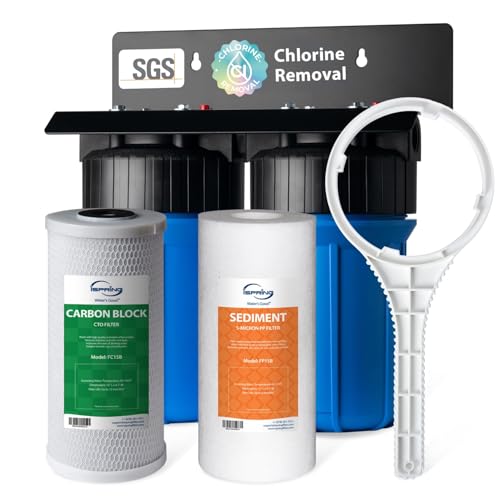
iSpring WGB21B 2-Stage Whole House Water Filtration, 50000 Gallons

iSpring WGB21B-DS 2-Stage Anti-Scale Whole House Water Filter
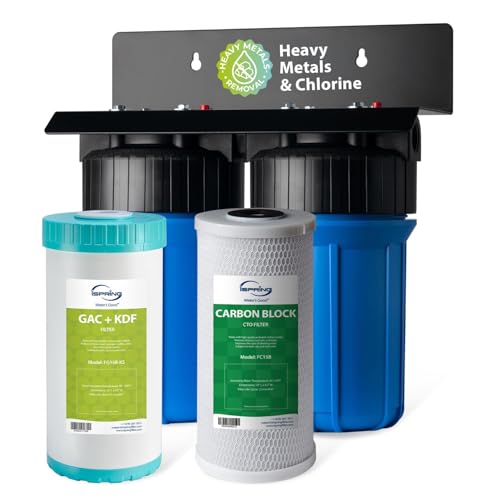
iSpring WGB21B-KS 2-Stage Heavy Metals Whole House Water Filter
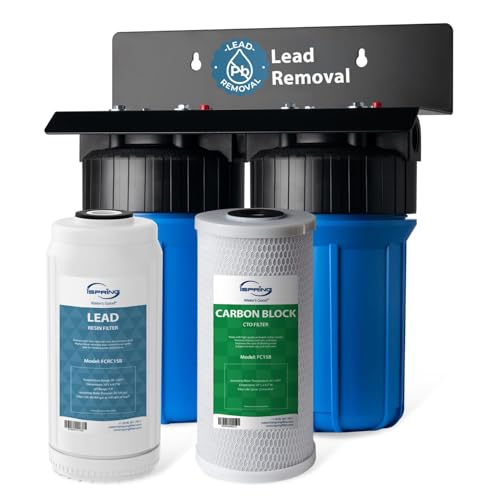
iSpring WGB21B-PB 2-Stage Lead & Chloramine Whole House Filter

iSpring WGB21BM 2-Stage Whole House Filtration with Iron & Manganese Reduction

iSpring WGB21B-PF PFAS Whole House Water Filter System

Camco Premium Replacement Cartridge for EVO RV Water Filter

HQUA OR01 O-Ring Replacement, 6 Pack
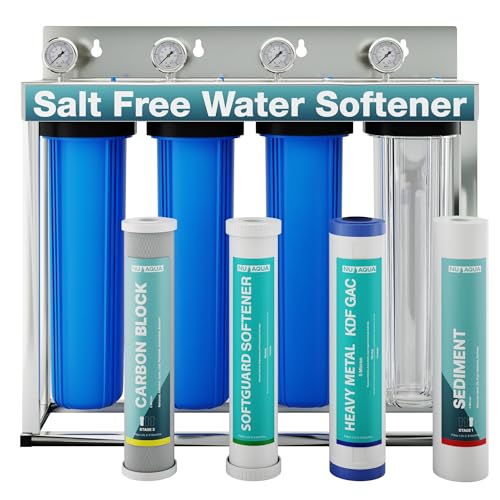
NU Aqua 4-Stage Salt Free Water Softener Whole House Filter

iSpring WGB21B-CPB 2-Stage Whole House Filtration with Lead Reduction
More Details On Our Top Picks
The iSpring WGB21B sits at the entry point of the brand’s whole-house lineup, and that positioning is exactly its strength. A 5-micron polypropylene sediment stage handles the heavy grit, while a coconut shell carbon block finishes the job by knocking down chlorine taste and odor. For most city-water homes, that combination is the difference between tolerating a glass of tap water and actually enjoying it.
Capacity lands around 50,000 gallons, which translates to roughly a year of service for a family of four before cartridge swaps. In our view, the housing is sturdy enough for a basement install, and the 1-inch ports keep pressure drop modest. The setup reads as a baseline that does the basics well rather than chasing niche contaminants.
A Favorable Mix
- Sediment pre-filter catches sand, silt, and rust before they reach plumbing fixtures.
- Carbon block stage targets chlorine taste and odor, improving drinking and cooking water.
- 50,000-gallon capacity suits average households with a once-a-year swap cadence.
- Compact footprint compared to multi-tank softener setups, helpful in tight utility rooms.
Things To Consider
- Doesn’t address hard-water scale, so pairing with a softener may still be needed.
- Annual cartridge replacement is a real cost shoppers should factor in.
Key Specs
Who It Suits Best
City-water households that want cleaner drinking water and a noticeable drop in chlorine taste without stepping into specialized filtration territory.
Where Another Pick Suits Better
Anyone battling hard water should look at the iSpring WGB21B-DS, which adds an anti-scale stage for scale-prone plumbing.
The WGB21B-DS swaps in a polyfilter stage aimed squarely at scale. Where the base WGB21B focuses on sediment and chlorine, this model targets the chalky buildup that clogs showerheads and shortens water-heater life. For homeowners in mineral-heavy regions, that one stage changes the whole feel of daily use.
The first stage still pulls cloudiness, tastes, and odors out of the line before the polyfilter handles scale-forming minerals. Together the two stages act as a softener-adjacent system without the salt bag or regeneration cycles. Compared to the original WGB21B, this is a smarter pick when scale is the visible enemy on your fixtures.
Positive Points
- Anti-scale polyfilter helps protect water heaters, dishwashers, and showerheads.
- CTO carbon stage strips chlorine, improving taste for drinking and cooking.
- No electricity or salt required, simplifying long-term operation.
- Helpful where a full softener feels like overkill but scale is still a problem.
Worth Noting
- Scale protection is partial compared to a true ion-exchange softener, especially in very hard water.
- Filter swaps should be tracked; missed changes reduce scale performance quickly.
- Still doesn’t address heavy metals or PFAS, so households with those concerns may need a different model.
Right Fit For
Homeowners in moderately hard water areas who want a salt-free, low-electricity path to less fixture scaling and better-tasting water.
Not Your Match When
Households chasing lead reduction should step up to the iSpring WGB21B-PB, which is tuned for that specific concern.
The WGB21B-KS is built for households that want one filter doing serious work on heavy metals. The two stages combine a CTO carbon block with a KDF and GAC filter, a pairing that targets lead and mercury alongside the usual chlorine suspects. For well-water users or anyone with older plumbing, that matters.
Unlike the original WGB21B, this version leans into contaminant reduction rather than just taste. The setup is still approachable for DIY installation, and the same 10-inch housing format keeps replacement cartridges easy to find. The trade-off is heavier filter media and a slightly faster pressure drop if you forget to swap on schedule.
Features That Help
- KDF media targets lead, mercury, and other heavy metals in supply water.
- CTO stage handles chlorine taste and odor for everyday drinking water.
- Standard 10-inch cartridges keep replacements affordable and easy to source.
- Suited to both municipal and well-water households with metal concerns.
Points To Note
- KDF media can restrict flow if the filter runs too long past its rated life.
- Annual cartridge swaps are a real expense to plan for.
Made For
Households on well water or older municipal lines where heavy metal reduction is the primary concern.
Look Elsewhere When
If PFAS is the headline concern, the iSpring WGB21B-PF targets that profile with SGS-tested reduction claims.
The WGB21B-PB focuses on two contaminants that often show up together in older municipal systems: lead and chloramine. The dedicated lead-removal second stage is tuned for up to 50,000 gallons of lead-loaded water, which makes it a sensible match for homes with aging service lines or soldered copper plumbing.
Compared to the WGB21B-KS, this model trades broader heavy-metal coverage for sharper lead reduction and chloramine handling. Chloramine, a disinfectant used by many utilities, doesn’t filter out the way chlorine does, so a stage designed for it makes a visible difference in taste. For families, that specificity can outweigh a more general filter.
What Makes Sense
- Dedicated lead stage reaches up to 99% reduction in published spec claims.
- Chloramine-specific media handles a stubborn disinfectant most carbon filters miss.
- 50,000-gallon rated life keeps annual maintenance simple.
Trade Offs
- More specialized, so it costs more than the basic WGB21B for features you may not need.
- Doesn’t target PFAS, so PFAS-conscious shoppers may need a second stage or different system.
Feature Snapshot
Best Suited To
Families in older homes with lead-soldered plumbing or chloramine-treated municipal water who want targeted protection without an RO system.
Skip It When
Shoppers in newer construction with no lead service line may find the iSpring WGB21B’s broader sediment-plus-taste focus a smarter spend.
The WGB21BM exists for one specific headache: staining fixtures orange, brown, or black from iron and manganese. The 10-inch by 4.5-inch carbon block handles the chlorine side, while the second-stage iron and manganese cartridge pulls those metals out of the supply. On well water, that pairing can mean the difference between replacing stained toilets and keeping them clean.
For homes drawing from a private well, this is one of the more targeted whole-house options in the iSpring family. Same 1-inch ports as the other WGB21B variants, so installation is consistent across the line. Iron content dictates how often the cartridge needs swapping, so plan for a slightly faster cadence than city-water households see.
Standout Benefits
- Iron and manganese stage reduces staining on sinks, tubs, and laundry.
- Carbon block handles taste, odor, and chlorine in a single housing.
- 1-inch ports keep flow strong for multi-bathroom homes.
- Standard 10-inch format makes replacements easy to source.
Honest Caveats
- High-iron wells may still require pre-treatment or a dedicated iron filter upstream.
- Replacement cartridge life shrinks noticeably with elevated iron levels.
Quick Facts
Who Will Love This
Households on well water with visible staining, metallic taste, or appliance discoloration that simpler filters can’t touch.
Another Choice May Suit
City-water shoppers with no iron concerns get more value from the standard iSpring WGB21B or the WGB21B-DS for scale.
The WGB21B-PF addresses a class of contaminants most whole-house filters ignore: PFAS, PFOA, and PFOS, often called forever chemicals because they resist breakdown in the environment. SGS-tested reduction claims put this model on a short list of point-of-entry options that even mention the category. For shoppers near documented PFAS sources, that focus is a real differentiator.
Beyond the specialty stage, the system still does the day-to-day work of sediment and chlorine reduction. So you get a 10-inch housing format that filters particulates and taste along with PFAS. Compare that to the WGB21B-KS, which targets heavy metals, and you can see how iSpring’s lineup lets you match the filter to the actual contaminant on your radar.
Good Reasons To Consider
- SGS-tested for up to 99% PFAS reduction, a rare claim in whole-house filtration.
- Two-stage format handles sediment and chlorine in the same housing.
- 10-inch filter size keeps replacements straightforward.
Softer Spots
- Specialty filter media raises cartridge cost compared to basic carbon blocks.
- PFAS focus is overkill in regions where testing hasn’t flagged the supply.
- Annual cartridge swaps are still required to maintain the PFAS reduction rating.
The Right Fit
Households near military bases, industrial sites, or known PFAS contamination who want whole-house coverage rather than a single faucet solution.
Reach For A Different Pick When
Shoppers without a PFAS concern will find better value in the iSpring WGB21B-PB for lead or the base WGB21B for general taste.
The Camco EVO replacement cartridge is built specifically for the brand’s RV water filter housing. It uses 5-micron filtration, a step finer than the typical RV carbon block, which matters when you’re hooking up to park water supplies of wildly variable quality. For RVers, the cartridge swap is the kind of routine chore that becomes invisible when the parts fit cleanly.
Made in the USA and sized to drop into the existing Camco housing, this cartridge keeps the install side of RV water filtration painless. Compared to the whole-house options above, this is a single-housing solution at a single point of entry, but in a camper that’s the entire home. Stocking a spare cartridge before a long trip is the most useful habit here.
The Helpful Details
- 5-micron rating catches finer sediment than many standard RV cartridges.
- Drop-in replacement designed for the Camco EVO housing.
- Made in the USA, which tends to mean tighter quality control for a small part.
Worth Bearing In Mind
- Only fits Camco EVO housings, so it isn’t a universal RV cartridge.
- Cartridge life is shorter in areas with heavy sediment, so heavy users should plan more frequent swaps.
Feature Card
Perfect Match For
RVers who already run the Camco EVO housing and want a reliable, fine-rated replacement cartridge on hand for seasonal trips.
Swap It Out When
Owners of a different RV filter brand will need a cartridge matched to their housing rather than this Camco-specific part.
The HQUA OR01 O-Ring pack isn’t a filter at all, and that’s the point. It’s a six-pack of replacement seals for HQUA reverse osmosis and water filtration systems, the small rubber parts that keep housings from dripping during cartridge changes. For owners already running an HQUA system, this is the kind of consumable that prevents a future service call.
The value here is convenience. A six-pack covers several service cycles, so you can replace seals proactively when they show wear rather than scrambling after a leak. Compared to the whole-house picks above, this is a maintenance accessory rather than a primary purchase, but it earns its place for shoppers who already own compatible HQUA equipment.
Why It Works Well
- Six-pack quantity covers multiple filter changes over time.
- Exact-fit seals for HQUA OWS and TWS systems, reducing install guesswork.
Small Caveats
- Only useful for shoppers already running HQUA filtration equipment.
- Not a standalone solution; this is a maintenance part, not a filter system.
Whose Shelf It Belongs On
HQUA system owners who want a small stash of seals on hand before the next cartridge swap.
Where A Sibling Pick Shines
If you don’t already own HQUA gear, the iSpring WGB21B or NU Aqua 4-Stage system is the actual filtration solution to start with.
The NU Aqua 4-Stage system is the only true softener in this list, and it does its work without salt or electricity. Scale-prevention media conditions the water while filtration stages address heavy metals and other contaminants, all in a single whole-house unit. For homeowners who don’t want to haul salt bags or run a regeneration schedule, that combination is the main draw.
Compared to the iSpring WGB21B-DS, which handles scale in two stages, the NU Aqua stretches the filtration side to four stages while keeping the conditioning approach salt-free. The honest read is that salt-free systems condition more than they truly soften, so very hard water may still need a traditional softener. For moderate hardness, the trade-off is usually worth it.
What Helps Most
- No salt and no electricity means low ongoing cost and simple operation.
- Four-stage filtration addresses scale plus common contaminants in one housing.
- Preserves beneficial minerals that salt-based softeners strip out.
Less Ideal Details
- Scale prevention is not the same as ion-exchange softening in very hard water.
- Larger footprint than the two-stage iSpring options, so plan utility-room space.
At A Glance
Who Should Grab It
Homeowners in moderately hard water areas who want scale protection plus filtration without salt maintenance or electrical hookup.
Consider Something Else When
Shoppers in very hard water regions may want a traditional salt-based softener alongside the iSpring WGB21B for taste and sediment.
The WGB21B-CPB closes out the list with a sharper focus on lead alongside other heavy metals like cadmium and mercury. A polypropylene sediment stage handles particulates, while the second stage, an FC15B-PB lead-removal cartridge, is rated for up to 99% lead reduction. That two-stage pairing is a sensible match for homes concerned about both lead and broader water clarity.
Compared to the WGB21B-PB, this model broadens the heavy-metal coverage to include cadmium and mercury while keeping the lead stage front and center. The 1-inch inlet and outlet ports support higher flow rates, which matters in multi-bathroom homes where pressure drop shows up fast. It’s a focused filter rather than a generalist, and that focus is its appeal.
Everyday Wins
- Lead stage targets up to 99% reduction in published spec claims.
- Also addresses cadmium and mercury, broadening heavy-metal coverage.
- 1-inch ports keep flow strong across multi-bathroom homes.
- Sediment pre-filter extends the life of the specialty lead cartridge.
Practical Considerations
- Specialty cartridge cost is higher than basic carbon blocks.
- Annual cartridge swaps are a must to maintain lead reduction performance.
Built With In Mind
Homeowners in older properties with potential lead service lines or soldered plumbing who want one filter handling sediment and heavy metals at once.
A Better Fit Elsewhere
Shoppers without lead or heavy-metal concerns can save by going with the base iSpring WGB21B for chlorine and sediment alone.
Factors To Consider When Choosing Water Softener And Filtration Systems
Start With The Water, Not The Filter
Before comparing housings and cartridges, get a sense of what your water actually carries. Municipal consumers can read a local water quality report for chlorine, chloramine, lead, and hardness numbers. Private well users should test for iron, manganese, sulfur, hardness, and pH, since those drive most stain and taste complaints. A filter that targets the wrong contaminant is just expensive plumbing, so matching the system to the water is the first real decision.
Match Capacity To Household Size
Filter ratings in gallons look impressive on a product page, but the meaningful number is how many gallons your home actually runs through. A family of four uses far more water than a couple in the same house, and homes with high-flow fixtures or irrigation tie-ins move even more. The iSpring 50,000-gallon cartridges handle typical households for a year, while well-water homes with iron may need swaps more often. Plan for filter costs as part of the first-year budget, not a surprise.
Decide Between Softener And Filtration, Or Both
Hard water and filtration concerns are different problems that sometimes get treated as one. A true softener swaps calcium and magnesium for sodium or potassium using ion exchange, while salt-free systems like the NU Aqua 4-Stage condition water to reduce scale without removing minerals. Filtration stages handle chlorine, lead, PFAS, and other contaminants. Some homes need both, others need only one, and choosing the right category up front saves money and cabinet space.
Think About Maintenance Realistically
Every filter on this list demands a cartridge swap, and the timing is non-negotiable if you want the system to keep performing. Sediment pre-filters clog first, often visible as a pressure drop at the tap. Specialty cartridges for lead, PFAS, or iron have fixed life ratings, and overshooting those ratings quietly reduces performance. Shoppers who don’t want a maintenance calendar may prefer a salt-free conditioner with longer service intervals, while hands-on homeowners can stretch the cheaper basic carbon setups for years.
Key Considerations Across These Picks
Pitfalls Shoppers Hit
Buying a filter without testing your water first is the most common slip. Pick a system based on what you actually need to remove, not on the most contaminants listed on a box. Another trap is underestimating cartridge cost, which can quietly exceed the upfront price over a few years. Make sure replacement cartridges are easy to find and that the housing accepts standard sizes.
What Separates Premium From Basic
Higher-tier models in this category earn their position through specialty media, like KDF for heavy metals, anti-scale polyfilters, and PFAS-specific stages. The trade-off is filter cost and sometimes flow rate, since denser media can restrict water if not maintained. For most households, the basic WGB21B covers the day-to-day; premium picks make sense when testing has flagged a specific contaminant the basic filter won’t touch.
Frequently Asked Questions
How often do whole-house water filter cartridges need to be replaced?
Most cartridges on this list are rated for around 50,000 gallons or roughly a year of typical household use. Heavy sediment, iron, or hard water shortens that interval, so visual checks and pressure-drop cues matter as much as the calendar.
Do these systems actually soften water?
The dedicated salt-free softener in this list conditions water to reduce scale, while the anti-scale polyfilter stage in the WGB21B-DS targets scale-prone plumbing. A true ion-exchange softener is a different system, and very hard water may still need one.
Will a whole-house filter reduce water pressure?
The 1-inch port models in this list keep pressure drop modest for typical home flow rates. Denser media like KDF or specialty cartridges can restrict flow if they run past their rated life, so timely swaps keep pressure steady.
Are these filters safe for drinking water?
Whole-house systems on this list use carbon and specialty media designed for potable water, and they’re installed on the cold supply line feeding the home. For point-of-use drinking water, some shoppers still add a dedicated under-sink filter as a final polish.
Can I install a whole-house filter myself?
Most of the iSpring WGB21B variants are designed for DIY install on a main water line with basic plumbing tools. If soldering, main shutoff work, or a drain line is involved, a plumber is the safer call, and local code may require professional installation.
Wrap Up
The right water softener and filtration system depends on what your water actually carries, your home’s flow rate, and how much maintenance you want to take on. For general city-water taste and sediment, the iSpring WGB21B is a sensible starting point. For scale, lead, PFAS, or well-water iron, the specialty variants earn their place. Take a sample, match the filter to the contaminant, and the rest of the decision gets a lot easier.