

Clean drinking water shapes daily comfort, from a quick pour over pasta to a long stretch on a backcountry trail. The right system turns ordinary tap or stream water into something noticeably fresher without turning your kitchen into a science lab. This roundup covers nine options built for homes, offices, and travelers, so you can match a filter to the way you actually drink water.
The Picks In Brief

Brita Stream Replacement Filters (Pack of 12)

LifeStraw Personal Water Filter, 3-Pack

Brita XL 27 Cup Water Pitcher Dispenser
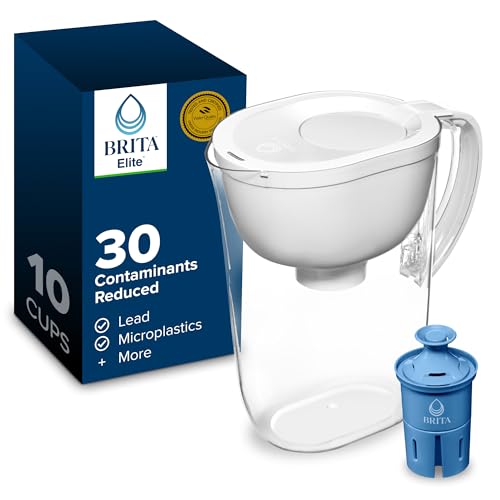
Brita 10-Cup Filter Pitcher with Elite Filter

Brita Water Bottle Replacement Filters (3-Pack)

Purewell 3-Stage Gravity Filter, 2.25G (2 Filters)

Purewell 3-Stage Gravity Filter, 2.25G (4 Filters)

Purewell 8-Stage Gravity Filter, 2.25G

Purewell 8-Stage Filter with Metal Spigot
More On The Choices That Made The List
Refills rarely excite anyone, but the right cartridge pack quietly keeps a household running without weekly trips to the store. The Brita Stream line is the only Brita series that filters water as you pour, so there is no reservoir wait time before a glass is ready.
For pour-through households already using a Stream pitcher, this 12-pack gives roughly a year of replacements at a per-filter cost that drops well below buying singles. It suits daily tap drinkers who care more about chlorine taste and basic particulate removal than heavy contaminant lists.
The Value In It
- As-you-pour design eliminates the gravity drip wait seen on standard Brita pitchers
- Twelve filters cover about a full year for one to two-person use
- WQA NSF/ANSI certification covers chlorine taste, odor, and Class VI particulates
- Carbon-form dual-layer media leaves beneficial minerals untouched
Things To Consider
- Only compatible with Stream pitchers and dispensers, not standard Brita units
- Targets taste and chlorine rather than lead or microplastics
- Filter life is roughly 40 gallons, so heavy-use homes may finish the pack sooner than expected
Who It Suits Best
Pour-through Brita households that want a year of replacements on hand without reordering every month.
Look Elsewhere When
Tap water quality concerns you about lead or microplastics, which is where the Brita 10-Cup Filter Pitcher with Elite Filter pulls ahead.
Most home filters stop at the kitchen faucet. The LifeStraw leaves that boundary behind, turning streams, puddles, and questionable hotel taps into something you can actually drink. As the original straw-style filter, it has earned its place in many ultralight kits.
A 3-pack gives a single hiker or a small group spares for long-distance routes, and the hollow-fiber membrane handles bacteria, parasites, and microplastics. Backcountry travelers, emergency kit builders, and international backpackers get a practical layer of defense without the weight of pump systems.
Advantages To Know
- Removes bacteria like E. coli along with parasites such as Giardia and Cryptosporidium
- Microplastic and sediment reduction without chemicals
- Drink directly from a source or use it to fill a bottle or pot
- Three-pack gives rotation and backup for longer trips
- Lightweight enough to live in a daypack or bug-out bag
Honest Caveats
- Does not remove viruses, which matters in some international settings
- Sipping through a straw gets tiring during heavy drinking sessions
- No chlorine or chemical reduction, so it is not a home tap replacement
Feature Snapshot
Made For
Backpackers, preppers, and international travelers who need portable protection against biological contaminants in untreated water.
A Better Fit Elsewhere
Daily home drinking and fridge storage, where a countertop pitcher like the Brita XL 27 Cup Water Pitcher Dispenser serves better.
A small pitcher gets refilled constantly in a busy home. The Brita XL 27 Cup Dispenser flips that script with a tall reservoir that lives in the fridge and handles several rounds of glasses, cooking water, and lunch boxes without constant refilling.
Unlike the smaller Brita 10-Cup pitcher covered later, this model prioritizes volume for households that drink a lot of water throughout the day. The included Elite filter targets lead, microplastics, and a broader contaminant list than standard cartridges.
A Strong Showing
- 27-cup capacity covers several rounds of drinking and cooking
- Elite filter media reduces lead, chlorine, asbestos, mercury, and microplastics
- Slender footprint fits standard fridge shelves
- No installation, no plumbing, easy to move during cleaning
Points To Note
- Tall body may not fit shorter or door-mounted fridge shelves
- Pour speed slows as the filter nears its life limit
- BPA-free plastic construction needs hand-washing rather than dishwasher cycles
Best Suited To
Large families, roommates, and home offices that want fewer refills and broader contaminant reduction than a basic pitcher offers.
Skip It When
Counter space is tight and you mainly drink one glass at a time, which is where the Brita 10-Cup Filter Pitcher with Elite Filter feels more practical.
Countertop space is the first casualty of kitchen gear, and water filters are no exception. The Brita 10-Cup Pitcher solves that by trimming the size while keeping the brand’s higher-tier Elite filter media, the same filtration that drops lead, microplastics, and a long list of contaminants.
It is the practical middle ground for anyone who wants the bigger Brita XL’s filter quality in a more compact body. Renters and small-household drinkers benefit most, since the slim pitcher fits through most fridge doors without rearranging shelves.
Noteworthy Benefits
- Elite filter targets 99% of lead and reduces 30 listed contaminants
- WQA NSF/ANSI certified for chlorine, asbestos, mercury, benzene, and cadmium
- 10-cup reservoir suits one or two-person households without constant refills
- BPA-free construction keeps filtered water free from plastic-derived concerns
Worth Bearing In Mind
- Refills come quicker than the XL 27-cup version under heavy use
- Pour flow slows near the end of the filter life
- Replacement Elite filters cost more than standard Brita cartridges over time
Key Product Details
Right Fit For
Singles, couples, and renters who want lead and microplastic reduction without giving up counter space for a larger dispenser.
Where Another Pick Suits Better
Bigger families that drink several pitchers’ worth a day should consider the Brita XL 27 Cup Water Pitcher Dispenser instead.
Bottled water has a habit of piling up in recycling bins. The Brita Bottle Filter swaps that pattern for a reusable bottle that filters as you sip, cutting down on single-use plastic for commuters, students, and gym regulars.
Unlike the at-home Stream pitcher cartridges earlier in this list, these are sized for personal bottle hardware. Each filter lasts around 40 gallons, roughly two months of steady personal use.
What Pays Off
- Reduces the need for single-use plastic bottles during commutes
- BPA-free media keeps filtered water free from common plastic additives
- Proprietary activated-carbon blend drops chlorine taste and Class VI particulates
- Leaves beneficial minerals and electrolytes behind for everyday drinking
- Three-pack covers about six months of personal use
Trade-Offs
- Only fits Brita bottle hardware, not standard wide-mouth sport bottles
- Sipping through a narrow straw feels slower than gulping from an open bottle
- Filter swaps require rinsing and air-drying the straw to avoid off-flavors
Perfect Match For
Daily commuters and gym-goers who want filtered water in their bag without hauling a full pitcher to work.
Not Your Match When
Your household drinks most of its water at home, where the Brita 10-Cup Filter Pitcher with Elite Filter delivers broader contaminant reduction.
Countertop filtration moves into different territory with the Purewell gravity system. Instead of a small plastic pitcher, it uses a stainless steel upper and lower chamber setup that filters by gravity, no electricity, no plumbing, no permanent install.
For renters or anyone wary of drilling into a countertop, this approach gives a larger daily output than most pitchers. The 0.01-micron hollow-fiber UF membrane traps sediment and larger contaminants that basic carbon filters often miss.
The Case For It
- 304 stainless steel body resists rust and stands up to daily kitchen use
- Three-stage cartridge handles chlorine, sediment, and organic matter
- NSF/ANSI 42 and 372 certifications cover material safety and chlorine reduction
- No power or plumbing needed, ideal for renters and off-grid kitchens
Factors To Consider
- 2.25-gallon total capacity still requires topping off the upper chamber regularly
- Gravity flow is slower than pressurized reverse osmosis systems
- Stainless steel exterior shows water spots and fingerprints between wipes
Built With In Mind
Renters and small households that want filter-grade performance without committing to an under-sink install.
Reach For A Different Pick When
You specifically want fluoride reduction, where the Purewell 8-Stage Gravity Filter, 2.25G pulls noticeably ahead.
The same Purewell gravity system, but bundled with four carbon filters instead of two, suits households that plan to keep the unit running for a year or more. Each pair of filters handles up to 6,000 gallons before replacement, so the larger pack quietly stretches the maintenance window.
Compared with the 2-filter version earlier, this bundle targets shoppers who want to skip mid-year cartridge orders. It carries the same NSF/ANSI 42 and 372 certifications, so chlorine reduction and material safety carry over from the standard model.
Key Advantages
- Four-filter bundle covers multi-year use without reordering
- Same 0.01-micron UF membrane for sediment interception
- NSF/ANSI 42 certification on carbon filter for verified chlorine reduction
- Stainless steel body matches the 2-filter variant’s durability
Practical Considerations
- Higher upfront cost than the 2-filter starter bundle
- Extra cartridges need a cool, dry storage spot away from direct sunlight
- Replacement timing still depends on actual water quality and household volume
Feature Card
Whose Shelf It Belongs On
Year-round household drinkers who prefer a one-time filter bundle over yearly reorders.
Another Choice May Suit
Anyone focused on fluoride reduction should pick the Purewell 8-Stage Gravity Filter, 2.25G, which adds a dedicated fluoride cartridge.
Most gravity filters stop at chlorine and sediment. The Purewell 8-Stage adds a fluoride cartridge to the lineup, making it a noticeable step up from the 3-stage models earlier in the roundup. The fluoride element uses high-grade removal material rather than alumina, which avoids the health concerns some raised about alumina-based filters.
For households that want one countertop unit handling chlorine and fluoride at the same time, this configuration pulls ahead of standard carbon-only systems. The 5-stage fluoride cartridge layers a fluoride reduction membrane with activated carbon and sediment PP membranes.
Strengths Worth Knowing
- Reduces 90% of fluoride using a safer material than alumina
- 8-stage media chain handles fluoride, chlorine, sediment, and organic matter
- NSF/ANSI 42 certification on the fluoride cartridge for chlorine reduction
- Stainless steel body keeps the unit stable on standard countertops
Some Limits To Know
- Filter replacement cost is higher than carbon-only replacements
- Gravity flow rate still slower than electric pump systems
- TDS levels are not reduced, which may matter for shoppers focused on mineralization
Who Should Grab It
Families with fluoride concerns in their municipal water who want a no-plumbing countertop solution.
Swap It Out When
You’re focused on chlorine and sediment only, since the Purewell 3-Stage Gravity Filter, 2.25G handles those at a lower upfront cost.
Small details decide how a filter feels in daily use. Purewell’s 8-Stage system with a metal spigot swaps the usual plastic tap for a metal one, which reads cleaner visually and holds up better against wear around the handle.
Compared with the standard 8-Stage model just above, this PW-OB-CF version adds the metal spigot to the same fluoride and chlorine reduction media. It suits design-minded shoppers who want the upgraded hardware without changing the filter setup.
Points In Its Favor
- Metal water-level spigot replaces standard plastic for a cleaner look and feel
- Same 8-stage fluoride and chlorine media chain as the standard 8-Stage
- 304 stainless steel upper and lower chambers for kitchen-friendly aesthetics
- 2.25-gallon capacity suits small to mid-size households
Where It Is Less Suited
- Higher cost than the plastic-spigot 8-Stage for the same filter media
- Spigot metal adds a touch more weight to the lower chamber
- Same gravity flow rate as other Purewell units, so pour speed stays modest
Quick Facts
Who Will Love This
Shoppers who want the same fluoride-reducing media with a more polished countertop presentation.
Consider Something Else When
Budget is the deciding factor, since the Purewell 3-Stage Gravity Filter, 2.25G covers the basics at a lower upfront cost.
What Matters Most Before Choosing Water Purifiers
Filter Type and Contaminant Targets
Activated carbon drops chlorine taste and odor, which is why most pitchers and refill cartridges rely on it. Hollow-fiber membranes add a mechanical layer that traps bacteria, sediment, and microplastics. Fluoride reduction requires a dedicated element, since carbon alone does not touch it. Match the filter type to the contaminants that matter most in your local water, not the longest spec sheet.
Daily Volume and Capacity
A 10-cup pitcher covers one or two people with a single daily fill. A 27-cup dispenser fits families and home offices, while a 2.25-gallon gravity system suits small to mid-size households that cook with filtered water. Backpackers need a personal straw or bottle filter, not a countertop unit.
Form Factor and Installation
Pour-through pitchers need fridge space and a reminder to refill. Gravity countertop systems stay on the counter and need no plumbing. Under-sink systems require drilling and a dedicated faucet, which renters often avoid. Choose based on your space and tolerance for installation.
Certification and Media Transparency
WQA NSF/ANSI and NSF/ANSI 42 certifications confirm chlorine reduction claims against independent standards. Material certifications like NSF/ANSI 372 cover lead-free components. Look for explicit certifications rather than vague marketing language about purity.
Mistakes Worth Dodging and When To Pay More
Where Shoppers Go Wrong
Buying a pitcher without checking filter compatibility. Brita Stream cartridges do not fit standard Brita pitchers, and bottle filters only work with their matching bottle hardware. Always confirm your existing unit before ordering refills. Another common slip is assuming all carbon filters reduce lead, since standard cartridges typically do not, and only Elite-class media covers that.
The Upgrade Payoff
Higher-tier Purewell models add a fluoride cartridge and a metal spigot, which matters for households that want one countertop unit handling more than just chlorine. Premium Brita Elite filters raise the contaminant count well beyond standard carbon, which justifies the higher replacement cost in homes with older plumbing or well water. Paying more earns longer filter life, broader contaminant coverage, and hardware that ages better, but only when those features align with your actual water concerns.
Frequently Asked Questions
How often should I replace water purifier filters?
Carbon pitcher filters generally last around 40 gallons or roughly two months for one to two people. Purewell gravity cartridges stretch to about 6,000 gallons per pair, depending on water quality and household size.
Do these purifiers remove lead and microplastics?
Only filters with certified lead-reduction media, like the Brita Elite cartridges and Purewell UF membrane systems, target lead and microplastics. Standard carbon pitchers focus on chlorine taste and odor.
Can I use a gravity filter without electricity or plumbing?
Yes. Purewell gravity systems filter purely by gravity and need no power connection or under-sink install. The only maintenance is refilling the upper chamber and swapping cartridges on schedule.
Are straw filters safe for international travel?
LifeStraw handles bacteria, parasites, and microplastics, which covers many trail and well-water situations. For regions with known viral contamination, a purifier rated against viruses offers stronger protection.
What is the difference between a filter and a purifier?
A filter physically traps contaminants through mechanical and chemical media. A purifier adds treatment that neutralizes viruses and bacteria, which most pitcher and gravity systems do not target. Choose based on whether your water source carries viral risk.
Final Verdict
Cleaner water does not require a complicated setup, and the right pick depends on where you drink most. Pitcher filters and bottle cartridges cover daily kitchen and commute use, while gravity countertop units suit households that cook with filtered water or want fluoride reduction. For trail days and emergency kits, a portable straw filter fills a role nothing else in this roundup touches. Match the format to your routine, and the upgrade tends to pay for itself in fewer plastic bottles and noticeably better-tasting water.




