

Tap water tells different stories depending on where you live. Hard minerals build up inside pipes, chlorine leaves a flat taste, and well water can carry sediment you never see coming. The right filter solves the specific problem your household actually has, not the one a generic guide assumes. This lineup breaks down nine water purifiers for home use that tackle everything from full-house sediment to on-the-go hydration, so you can match the system to your plumbing, your water, and your routine.
The Choices Worth Comparing

Express Water Whole Home Water Filter System, Essential Protection

Express Water Whole House Water Filter System, Heavy Metal, 3-Stage

Express Water Whole House Water Filter System, Iron & Manganese, 3-Stage

Express Water Whole House Water Filter System, Ultimate Protection, 3-Stage

Express Water Whole House Water Filter System, Anti-Scale, 3-Stage
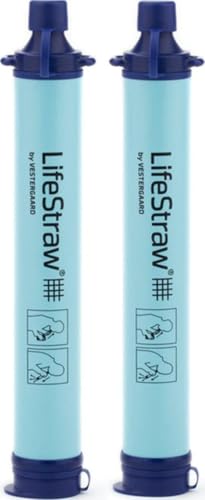
LifeStraw Personal Water Filter for Hiking, Travel and Emergency, 2PK

Fortitude V2 Series 30 Micron Pleated Sediment Filter Large Size
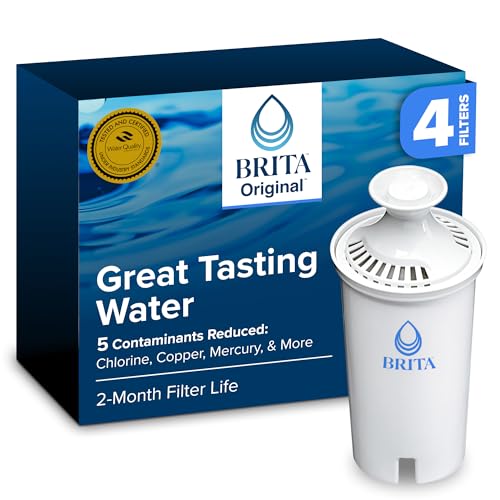
Brita Standard Pitcher and Dispenser Replacement Water Filters, 4-Pack

Bluevua RO100ROPOT Countertop Reverse Osmosis Water Filter System
More On The Choices That Made The List
Filtering every tap in the house, from the kitchen sink to the shower, changes how you think about water. The Essential Protection setup is a three-stage whole-house system aimed at households on municipal water who want chlorine and sediment out of every faucet without juggling pitchers on the counter.
It lives where the main water line enters the home, so showers, laundry, and drinking taps all share the same filtered supply. If you have moved past countertop filters and want broad coverage without a dedicated drinking tap, the appeal is obvious. You get cleaner water everywhere without remembering to refill anything.
Why It Works Well
- Filters every faucet in the home through a single point-of-entry setup
- Three-stage design reduces chlorine and common sediment in one pass
- Protects pipes and appliances from buildup that shortens their lifespan
- Three-stage layout makes cartridge swaps straightforward for first-time owners
Things To Consider
- Filter cartridges need periodic replacement, adding to long-term upkeep
- Whole-house installation typically requires some plumbing work
- Not targeted at specific contaminants like heavy metals or iron
Feature Snapshot
Made For
Households on city water who want broad, all-tap filtration without dedicated drinking taps.
Consider Something Else When
Well owners chasing iron staining should reach for the Iron & Manganese system instead, since the Essential version does not address mineral-specific problems.
Older neighborhoods often carry traces of metal from aging supply lines. This Heavy Metal version swaps in KDF media, a copper-zinc alloy filter medium that uses a chemical process called redox to neutralize contaminants, catching what a standard carbon stage misses.
It runs in the same three-stage layout as the Essential system covered above, so the footprint and cartridge rhythm feel familiar. The difference shows up in the chemistry: KDF media pulls heavy metals out before water reaches your glass or shower head, which matters more in homes built before the 1990s.
Useful Highlights
- KDF media targets heavy metals that pass through basic carbon filters
- Whole-house coverage treats every tap from a single entry point
- Redox-based filtration pairs with sediment stages for layered defense
- Helpful in homes where plumbing runs through older supply lines
Trade Offs
- KDF cartridges typically cost more than standard carbon replacements
- Professional installation is often recommended for point-of-entry plumbing
Best Suited To
Households in older homes where trace metal contamination is a real concern rather than a hypothetical one.
Look Elsewhere When
You primarily need scale protection, in which case the Anti-Scale system on this lineup handles that job more directly.
Reddish-brown stains in sinks and tubs almost always mean the same thing: iron and manganese in the water. Private wells hit this problem more often than municipal supplies, and standard carbon filters don’t touch it.
This Iron & Manganese system is built around that exact issue, using media specifically aimed at those two minerals rather than chlorine or sediment. It fits the same three-stage cabinet layout as the other Express Water entries, so swapping from a generic setup is a similar physical task. For well owners, the cleaner porcelain and brighter laundry are usually the first signs it is working.
What Makes Sense
- Targets iron and manganese, the two minerals behind most well-water staining
- Whole-house coverage means stained fixtures in every bathroom improve
- Helps protect washing machines and dishwashers from mineral fouling
- Uses the same three-stage layout as other Express Water systems for familiarity
Honest Caveats
- Requires regular media replacement, which can add up over time
- Most useful for well water, less impactful on treated municipal supplies
- Heavy well-water sediment may clog pre-filters faster than expected
Right Fit For
Private well owners fighting persistent orange or black staining in sinks, tubs, and laundry.
Swap It Out When
You are on city water and mainly want chlorine taste gone, since the Essential system handles that more economically.
Sediment is the silent killer of filter cartridges. Load it with sand and rust, and downstream media burn out fast. The Ultimate Protection system adds a reusable 50-micron spin-down pre-filter that catches large particles before they ever reach the specialty cartridges.
Compared to the standard Essential version covered earlier, this one spends its upgrade budget on pre-filtration rather than different media chemistry. That means the downstream filters can focus on taste and chemical reduction instead of fighting grit. For high-volume households where showers run daily and laundry never stops, the longer cartridge life is the real win.
Positive Takeaways
- Reusable 50-micron spin-down pre-filter catches sediment before main cartridges
- Extends the lifespan of downstream specialty filters
- Maintains strong flow even as the system collects debris
- Three-stage architecture matches the broader Express Water family
- Pre-filter is reusable, cutting down on replacement waste
Worth Noting
- Sits at the higher end of the Express Water lineup in terms of upfront cost
- Spin-down pre-filter needs periodic flushing to stay effective
Feature Snapshot
Who It Suits Best
High-use households that want maximum cartridge life and minimal mid-cycle replacements.
Reach For A Different Pick When
Your water is relatively clean and you would rather spend less upfront, since the Essential system handles light sediment fine.
Hard water leaves a chalky crust on shower heads, faucets, and water heater elements. The Anti-Scale system uses media designed to keep those minerals in solution rather than letting them plate onto your plumbing.
Where the Heavy Metal version earlier swaps in KDF media, this one uses a scale-focused formulation. It runs through the same three-stage cabinet, so installation feels familiar to anyone who has looked at other Express Water entries. For households in regions with notoriously hard water, the result is fewer clogged aerators and longer-lived water heater efficiency.
Real-World Strengths
- Targets mineral scale that clouds fixtures and shortens appliance life
- Whole-house coverage tackles scale at every tap and appliance
- Helps water heaters and dishwashers run more efficiently
Points To Keep In Mind
- Specialty media replacement costs more than generic carbon cartridges
- Less impactful in regions with naturally soft water
Quick Facts
Perfect Match For
Homeowners in hard-water regions where scale buildup is a daily annoyance on fixtures and appliances.
A Better Fit Elsewhere
Renters who cannot modify plumbing should look at the Bluevua countertop reverse osmosis system for drinking water only.
Not every water problem lives inside the house. Backpackers, day hikers, and emergency kits need filtration that fits in a palm. The LifeStraw is a hollow-fiber membrane filter you drink through directly, removing bacteria, parasites, microplastics, and sediment from natural water sources.
The two-pack makes sense for shared kits or as a backup stashed in a go-bag. Compared to the whole-house systems earlier in this list, the LifeStraw is the opposite in scale: no plumbing, no installation, no power, just point-and-sip. It does not remove viruses or chemical contaminants, so it complements rather than replaces home filtration.
A Few Highlights
- Ultralight straw design fits in any daypack or emergency kit
- Removes bacteria, parasites, microplastics, and visible sediment
- Two-pack format covers partners or a primary plus backup
- No moving parts, batteries, or plumbing required
Practical Considerations
- Designed for personal use, not for filling bottles quickly
- Does not remove viruses, chemicals, or heavy metals
Whose Shelf It Belongs On
Hikers, campers, and anyone building an emergency kit who needs a backup water source they can trust on the trail.
Where Another Pick Suits Better
For daily drinking water at home, the Brita pitcher replacement cartridges covered below are a more practical fit.
Sediment cartridges are usually throwaway items. The Fortitude V2 flips that script with a pleated, washable design rated at 30 microns, fine enough to catch sand, silt, and rust while staying reusable.
It functions as a pre-filter that sits ahead of finer media. A micron rating measures how small a particle the filter can catch: lower numbers mean finer filtration. At 30 microns, this filter targets visible grit rather than dissolved chemicals. Pair it with a carbon or KDF stage downstream, and you extend the life of every cartridge behind it. For households on well water or older municipal lines, that adds up to fewer replacements over the year.
Positive Points
- Washable pleated design cuts down on replacement waste
- 30-micron rating captures sand, rust, and visible sediment
- High-flow format keeps water pressure steady across the home
- Drops into standard whole-house filter housings
Possible Compromises
- Sediment-only filtration, needs a downstream stage for chemicals
- Periodic rinsing required to keep flow rates consistent
Feature Rundown
Built With In Mind
Homeowners with dirty source water who want to extend the lifespan of every filter behind the pre-stage.
Not Your Match When
You want a complete system out of the box, since the Essential system on this list bundles pre-filtration and chemical reduction together.
Sometimes the simplest tool is the right one. Brita standard replacement cartridges drop into a pitcher or dispenser, no tools, no plumbing, no contractor. This four-pack keeps you stocked for months without reordering constantly.
The cartridges combine activated carbon, which attracts and traps chlorine and odor compounds, with ion-exchange resin, tiny beads that swap hard mineral ions for less harmful ones, to address taste, odor, and a few common impurities. Built-in mesh screens help keep black carbon flecks out of your pour. For renters, dorm rooms, or anyone testing the idea of filtered water without committing to a whole-house install, the low effort and zero footprint make this a comfortable starting point.
Everyday Wins
- Drop-in design works with any standard Brita pitcher or dispenser
- Activated carbon and ion-exchange resin reduce chlorine taste and odor
- Mesh screens help keep carbon dust out of your glass
- Four-pack stretches supply for several months of normal use
- No tools, plumbing, or electricity required
Room For Improvement
- Only filters the water you pour, leaving showers and laundry untreated
- Slow drip-by-drip filtration compared to plumbed systems
Who Should Grab It
Renters and small households who want better-tasting drinking water without installing anything.
Skip It When
You want every tap filtered, since the Essential whole-house system on this list covers the entire home instead.
Reverse osmosis, the process of forcing water through a semi-permeable membrane to strip out dissolved solids, has lived under sinks for decades. The Bluevua RO100ROPOT pulls that technology onto the countertop with no plumbing required, just a power outlet and a tap to fill the reservoir.
The borosilicate glass carafe sets it apart from the plastic pitchers most filters rely on, keeping filtered water away from the materials you might be filtering it from in the first place. For renters, apartment dwellers, or anyone who cannot modify plumbing, it delivers RO-grade filtration in a portable footprint. The trade-off is speed: countertop RO units produce filtered water in batches rather than on demand.
Real Benefits
- Reverse osmosis filtration in a portable countertop format
- Borosilicate glass carafe avoids plastic contact with filtered water
- No plumbing modifications needed, ideal for renters
- Plugs into any standard outlet and fills from any tap
- Removes a broader spectrum of dissolved contaminants than carbon alone
A Few Limitations
- Batch filtration produces water more slowly than on-demand systems
- Generates a small amount of wastewater during the RO process
- Takes up counter space compared to under-sink alternatives
Technical Highlights
The Right Fit
Renters and apartment dwellers who want RO-grade filtration without modifying plumbing.
Where A Sibling Pick Shines
Homeowners who already have under-sink space should consider a plumbed RO system instead for continuous, on-demand filtered water.
Choosing A Whole-House Or Point-Of-Use Filter
Match The Filter To Your Source Water
The first question is where your water comes from. Municipal water typically carries chlorine and a small amount of sediment, while well water often adds iron, manganese, sulfur, and sometimes bacteria. A carbon-based filter handles the first case well; well owners usually need targeted media like KDF or iron-specific cartridges to address minerals that carbon leaves behind.
Decide Between Point-Of-Entry And Point-Of-Use
Whole-house systems filter every tap, which is ideal when you want cleaner shower water, protected appliances, and filtered drinking taps all at once. Point-of-use options like pitchers and countertop RO units cover only the water you drink or cook with, but skip the installation, the plumbing work, and the higher upfront cost. Renters and small apartments often find point-of-use more practical.
Watch For Micron Ratings And Contaminant Claims
A lower micron rating means finer filtration, useful for catching sediment, cysts, and parasites, but it does nothing for chlorine or dissolved metals. Always match the filter media to the contaminant you actually want removed, since no single stage handles everything.
Plan For Cartridge Replacement And Maintenance
Every filter system needs periodic cartridge swaps or media changes, and the cost adds up over years. Reusable pre-filters like pleated sediment cartridges reduce waste, while specialty media like KDF or scale inhibitors cost more per replacement. Budget for the long-term ownership, not just the upfront price.
Where Shoppers Go Wrong And When Paying More Helps
Traps First Timers Fall Into
Buying a filter designed for chlorine when your real problem is hard-water scale leaves you frustrated and out of pocket. Skipping a sediment pre-filter in dirty-water regions burns through downstream cartridges three times faster. Assuming any filter removes everything is the most common mistake; match the media to the contaminant, not the other way around.
When Paying More Pays Off
Spending more up front usually means longer-lasting cartridges, better pre-filtration, or broader contaminant coverage. The Ultimate Protection system on this list is a good example: its reusable spin-down stage protects every filter behind it, lowering total cost of ownership over the years even though the initial price is higher than the Essential version.




