

A flooded basement, an empty pool, a half-drained pond: water shows up where you don’t want it, and getting rid of it fast takes the right pump. This roundup walks through nine workhorse options for homeowners, contractors, and weekend warriors, from compact electric submersibles to gas-powered trash pumps. Each pick fits a specific situation, so the goal here is matching the tool to the mess rather than chasing a single “best” answer.
A Side-By-Side Look
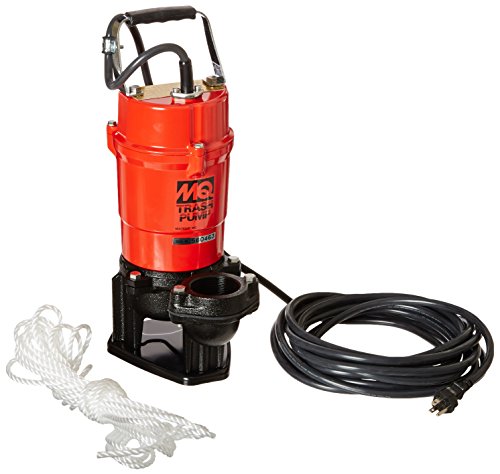
Multiquip ST2040T Electric Submersible Trash Pump
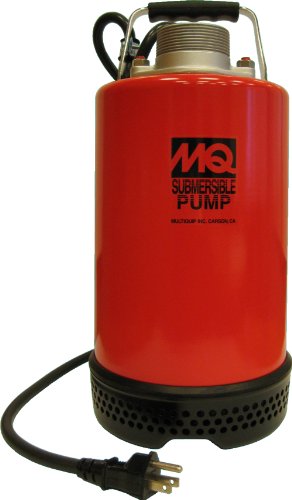
Multiquip Bon Submersible Electric Pump 73 GPM

Honda WB20 2-Inch General Purpose Gas Pump

Honda WX10 1-Inch General Purpose Gas Pump

Honda Water Pump Hose Kit 3-Inch

Honda WT20 2-Inch Gas Trash Pump

Honda WH15 High Pressure Water Pump

Honda WX15 1.5-Inch General Purpose Gas Pump

Honda Water Pump Hose Kit 1.5-Inch
More On The Choices That Made The List
When water comes with sticks, gravel, or mud, a standard utility pump chokes fast. The Multiquip ST2040T is built for exactly that: an industrial-grade cast iron housing surrounds a cast iron impeller with a neoprene rubber overlay, which is the part that actually moves the water and takes the abuse from solids up to about an inch across.
Rated at 79 GPM (gallons per minute) with a 1 HP single-phase motor, it pushes enough water for most basement floods and small jobsite trenches. A carrying handle and internal thermal overload protection round out a contractor-friendly package, though homeowners with the right outlet can use it too.
Positive Points
- Cast iron body shrugs off the rough handling a job site dishes out
- Handles solids up to 1 inch, a real upgrade over clean-water submersibles
- 79 GPM clears a flooded basement in a fraction of the time smaller pumps need
- Built-in thermal protection shuts things down before the motor burns out
- 2-inch suction and discharge match standard contractor hose fittings
Things To Consider
- Heavier than aluminum-bodied pumps, so plan for two hands on the move
- Needs a grounded single-phase outlet, limiting remote yard use
- Cast iron can rust on the surface if stored damp, so drying it off extends its life
Key Specs
Who It Suits Best
Contractors, restoration crews, and homeowners who regularly deal with muddy water from foundation drainage or jobsite work.
Look Elsewhere When
The Honda WB20 makes more sense for anyone needing high-volume, gas-powered pumping away from outlets.
The Bon 35-318 keeps the same general purpose submersible design as the ST2040T but swaps cast iron for rugged cast aluminum. The result is a pump that’s noticeably easier to lift out of a pit, a real bonus when you’re hauling it up basement stairs after every storm.
At 73 GPM with a 2-inch discharge, it sits in a similar performance neighborhood to the Multiquip above. The 25-foot molded power cable with strain relief adds placement flexibility, and sealed ball bearings keep maintenance low over the long haul.
Real-World Strengths
- Aluminum housing cuts weight without giving up the work-site feel
- 73 GPM suits swimming pool cover drains and standard basement cleanups
- Internal thermal overload shields the motor during long, heavy runs
- Molded 25-foot cable reaches farther outlets than many rivals
Worth Noting
- Not a trash pump, so leave sticks and gravel to the ST2040T
- Aluminum dents more easily than cast iron if you drop it on a jobsite
Made For
Homeowners and small service outfits who want a lighter electric pump for clean to lightly dirty water.
Consider Something Else When
The Multiquip ST2040T is the better match if your water carries rocks or construction debris.
When the water is far from any outlet, gas power steps in, and the Honda WB20 is a familiar sight on farms and ranches. The GX-series commercial engine starts easily and the 2-inch pump moves 164 GPM, which is roughly double what most electric submersibles in this list deliver.
Honda designed the WB20 for agriculture, construction, and landscaping work, so it tolerates long run times and rougher handling than a typical homeowner pump. The strainer allows solids up to 5/16 inch, enough to skip the worst of the muck without being a true trash pump.
A Strong Showing
- 164 GPM fills water tanks fast and drains ponds in a single afternoon
- Honda GX engine has a reputation for starting cold and running for years
- Self-priming design goes to work fast once you pour in the primer
- 2-inch port pairs with widely available 2-inch hose kits
Trade Offs
- Heavier and louder than electric options, so neighbors will notice
- Gas and oil mean routine engine maintenance you don’t get with a plug-in pump
- 5/16-inch solids limit is tight for muddy construction pits
Quick Facts
Best Suited To
Farmers, ranchers, and property owners moving large volumes of water where no power outlet is nearby.
Not Your Match When
The Honda WT20 is the better call if you need to push water loaded with rocks, leaves, and other debris.
The WX10 is the smallest Honda in the lineup, and that smallness is the point. At 32 GPM with a 1-inch port, it’s the kind of pump you grab for a quick pond top-off, a fountain circulation job, or emptying a kiddie pool without dragging out a 100-pound machine.
The mini 4-stroke Honda engine keeps the noise down compared to larger gas pumps, and the unit runs on regular gasoline. With a 121-foot total head lift (the maximum height the pump can push water vertically), it’s surprisingly capable for its size.
Key Advantages
- Compact body fits in a car trunk or a small shed corner
- 32 GPM suits garden, fountain, and light pool work without overkill
- Mini 4-stroke engine sips fuel and starts easily
- 121-foot head lift reaches uphill tanks and elevated planters
Honest Caveats
- Low flow makes it a poor fit for fast pool draining
- 1-inch port limits you to smaller hose kits
Who Should Grab It
Homeowners and gardeners with small water features who value portability over raw output.
Skip It When
The Honda WX15 delivers a meaningful jump in flow for property owners who want one pump to do more.
A great pump with a flimsy hose is a frustrating setup, which is exactly the gap this 3-inch Honda kit fills. Designed for the WB30X, WDP30X, and WT30X Honda transfer pumps, it bundles the suction and discharge hoses you need to actually use those larger machines.
The 20-foot green suction hose handles full suction pressure, and the 50-foot discharge line is built to resist weather and chemical exposure. A 3/8-inch steel round-hole strainer sits at the suction end to keep debris out of the pump.
A Few Strong Suits
- Purpose-built fit for Honda’s larger transfer and trash pumps
- Steel strainer protects the pump from small solids and rocks
- Pin lug connectors thread on like a garden hose, simple to set up
- 50-foot discharge reaches the far end of most driveways and yards
Points To Keep In Mind
- Only fits 3-inch Honda pump models, so check your unit first
- Bulkier to store than 1.5-inch or 2-inch hose kits
Perfect Match For
Honda WB30X, WDP30X, and WT30X owners who need a complete, ready-to-go hose setup.
A Better Fit Elsewhere
The 1.5-inch Honda hose kit is the right size for anyone running the WH15 high-pressure pump.
The WT20 is what you reach for when the WB20’s 5/16-inch limit isn’t enough. This 2-inch trash pump passes solids up to 13/16 inch, more than double the WB20’s allowance, while still moving 185 GPM through the same Honda GX commercial engine family.
It’s the kind of pump you see on job sites where water carries rocks, chunks of wood, and the kind of sediment that would shred a clean-water pump in an afternoon. The heavy-duty metal strainer and rugged frame signal that this is meant for daily contractor use.
Good Reasons To Consider
- 13/16-inch solids handling tackles the muddiest job site water
- 185 GPM tops the WB20 for raw throughput
- Honda GX engine keeps starting reliably in tough conditions
- Frame and strainer are built for daily, rough treatment
Possible Compromises
- Heavier and pricier than the WB20 for jobs that don’t need trash handling
- Gas engine maintenance is non-negotiable, including oil checks before each run
Technical Highlights
Whose Shelf It Belongs On
Contractors and crews who regularly work muddy excavations or demolition sites.
Swap It Out When
The Honda WB20 is a lighter, lower-cost choice for agricultural irrigation and clean pond work.
Most pumps on this list move a lot of water at low pressure. The Honda WH15 flips the script: it produces up to 57 psi (pounds per square inch) of pressure, so it can drive lawn sprinklers, reach distant trees with a nozzle, and power dust suppression on a small scale.
At 98 GPM with a 131-foot total head lift, it has the heart of a transfer pump and the pressure of a small irrigation system. The 1 1/2-inch port is smaller than the WB20 and WT20, but the smaller hose helps build and hold that pressure.
Notable Gains
- 57 psi output drives sprinklers and spray nozzles without a booster
- 131-foot head lift reaches uphill tanks and second-story gardens
- Honda GX commercial engine delivers consistent pressure under load
- 98 GPM keeps flow respectable even with pressure work
Soft Spots
- Not designed for trash, so keep it away from muddy water
- Pressure-focused design means a smaller port than a 2-inch transfer pump
Right Fit For
Homeowners and small property managers who need pressurized spray for irrigation or dust control.
Where Another Pick Suits Better
The Honda WB20 makes more sense if your priority is moving raw volume rather than pressure.
Slotted between the tiny WX10 and the bigger WB20, the WX15 is the all-rounder of the Honda general purpose family. At 74 GPM through a 1.5-inch port, it offers more flow than the WX10 without the weight and fuel cost of the WB20.
It runs on regular gasoline, starts easily thanks to the mini 4-stroke Honda engine, and stays light enough to carry to the back of the property. For pool draining, pond topping, and boat deck work, it’s the model most homeowners gravitate toward.
Why It Works Well
- 74 GPM hits a useful middle ground for residential work
- 1.5-inch port matches common garden-style hose adapters
- Mini 4-stroke engine keeps noise and vibration down
- Self-priming design gets to work in moments after fueling
Some Limits To Know
- Slower than the WB20 for big agricultural jobs
- Gas maintenance still applies, even on the smaller Honda engines
Who Will Love This
Homeowners with mid-sized yards, boats, or pools who pump water a few times a season.
Reach For A Different Pick When
The Honda WB20 is worth the extra weight for anyone moving water across long distances or uphill.
Built specifically for the WH15 high-pressure pump, this 1.5-inch kit is the smaller sibling to the 3-inch hose set reviewed earlier. The 20-foot green suction hose handles full suction pressure, and the 50-foot discharge line is built to resist weather and chemical damage.
The real standout is the included adjustable spray nozzle, which makes the kit ready to use for sprinkler work, dust suppression, or wash-down jobs straight out of the box. A 1/8-inch steel strainer keeps small particles out of the pump.
Where It Helps
- Adjustable nozzle adds immediate spraying versatility
- Tailored 1.5-inch fit maximizes the WH15’s pressure output
- Steel strainer catches debris that could damage impellers
- 50-foot discharge reaches gardens, driveways, and small job sites
Where It Is Less Suited
- Only fits the WH15, so it doesn’t double as a backup for other Honda pumps
- Smaller diameter limits total flow compared to the 3-inch kit
Built With In Mind
Honda WH15 owners who want a complete spraying and pressure kit from a single purchase.
Another Choice May Suit
The 3-inch Honda hose kit is the right pick for anyone running a WB30, WDP30, or WT30 transfer pump.
Choosing Water Pumps That Actually Fit Your Job
The first question to answer is whether the water is clean or carrying debris. Clean or lightly silty water works fine with general purpose submersibles like the Bon 35-318 or the WX15. Once you spot sticks, gravel, or mud, a trash pump such as the ST2040T or WT20 saves you from constant clogs.
Match the pump to your power source next. Electric submersibles are quieter and lower maintenance, but you need a grounded outlet and a long enough extension cord. Gas pumps like the WB20 and WT20 free you from outlets, at the cost of fuel, oil, and engine upkeep.
Port size, measured in inches, determines what hoses you can attach and how fast the water moves. A 1-inch port like the WX10 suits garden-scale work, while 2-inch and 3-inch ports are built for big-volume draining. Pick the smallest port that still meets your flow needs, since smaller pumps are easier to store and move.
Finally, decide whether pressure matters. Standard transfer pumps push water in volume, but high-pressure models like the WH15 add the psi needed for sprinklers, nozzles, and dust suppression. If your goal is to soak a lawn rather than fill a tank, pressure should be part of the math.
Key Considerations Across These Picks
Pitfalls Shoppers Hit
The most common misstep is buying a clean-water pump for jobs that include sediment. Owners report clogging within minutes when sticks or gravel show up, so check the solids handling spec (the maximum particle size a pump can pass) before anything else. Another trap is underestimating port size: a 1-inch pump on a 50-foot run to a distant garden loses flow fast, leaving you frustrated before the water arrives.
The Case For Spending Up
Higher-tier pumps earn their keep through heavier materials, larger solids handling, and more capable engines. Cast iron housings like the ST2040T outlast aluminum in punishing conditions, and Honda’s commercial GX engines tend to start more reliably after long storage. The upgrade pays off for anyone who pumps water more than a couple of times a year or in environments where downtime costs time and money.
Frequently Asked Questions
How do I know what size pump I need?
Match the pump’s GPM rating to the volume of water you need to move and the time you want it to take. A flooded basement calls for at least 50 GPM for fast clearance, while a small pond top-off can run on 20 to 30 GPM.
What’s the difference between a trash pump and a utility pump?
A trash pump is designed to pass water containing solids like leaves, gravel, and small sticks, while a utility pump handles mostly clean water. The trash pump’s wider internal clearances prevent clogging in dirty conditions.
Can I run a gas pump indoors?
No. Gas engines produce carbon monoxide, an odorless and dangerous exhaust gas. Always run gas-powered pumps outdoors in open air, well away from windows and doors.
Do I need a special hose for these pumps?
Most pumps use standard fittings, but the diameter must match. A 2-inch pump needs 2-inch hoses, and high-pressure pumps benefit from hoses rated for the pump’s psi output to prevent bursting.
How long do these pumps typically last?
With regular oil changes, clean fuel, and proper winter storage, Honda engines often run for years of seasonal use. Submersible electric pumps last a similar span when kept free of debris and stored dry between uses.
The Takeaway
Picking the right water pump comes down to the kind of water you’re moving, how far it needs to go, and whether you have power nearby. The Honda WB20 and WT20 are the go-to choices for big outdoor jobs, while the Multiquip submersibles and the WH15 shine for residential and irrigation work. Match the tool to the task, store it dry, and the pump will be ready the next time water shows up where it shouldn’t.




