

A well tank is the unsung middle layer between your pump and your faucets, and choosing the wrong one shows up fast as short cycling, pressure drops mid-shower, or a pump that wears out years too early. This roundup covers residential tanks, RV water fill hardware, and complete pump-and-tank combos so you can match capacity, draw-down, and material to your home or off-grid setup.
A Quick View Of The Lineup

G-Sunny All Metal RV City Water Inlet with 90 Degree Elbow

KES All Metal RV Water Inlet with Check Valve (Brushed)

Red Lion RL34A Vertical Pre-Charged Well Pressure Tank, 34-Gallon

Red Lion RL14A Vertical Pre-Charged Well Pressure Tank, 14-Gallon
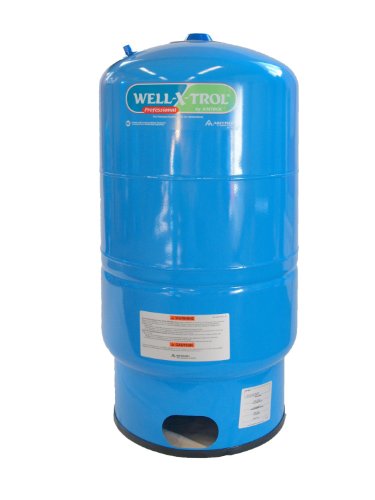
Amtrol WX-202 Well Pressure Tank

Red Lion RL20A Vertical Pre-Charged Well Pressure Tank, 20-Gallon

115V Shallow Well Pump with Pressure Tank, 1.6 HP Booster

115V Shallow Well Pump with Pressure Tank, 1 HP, 950 GPH

Shallow Well Pump with Pressure Tank, 1 HP, 950 GPH Booster
More Details On Our Top Picks
The G-Sunny inlet targets one of the most common weekend frustrations: a plastic city-water fill that cracks from UV exposure or splits when you tighten the hose too far. Built from stainless steel with a brushed finish, the unit pairs an inlet port with a 90-degree elbow so the hose clears the RV wall rather than kinking against it. On most rigs, the threading is a familiar 3/4-inch garden-hose pattern on the outside and 1/2-inch NPT on the inside, so swapping in this part rarely means re-plumbing the wall.
For full-time RVers, the real-world payoff is durability across four-season trips. The metal body resists freeze damage better than ABS plastic, and a rigid flange gives you torque when you snug the connection down without stripping threads. You may find the brushed finish shows water spots, but a quick towel-down after hookup keeps it looking sharp at the campsite.
Key Advantages
- Stainless steel construction that resists UV and weather wear
- 90-degree elbow keeps the supply hose from binding against the wall
- Familiar 3/4-inch GHT and 1/2-inch NPT fittings for straightforward replacement
- Rigid flange spreads torque across the wall surface during tightening
Worth Noting
- Brushed finish tends to spot after hookup, though a quick wipe handles it
- Metal body costs more up front than a plastic replacement part
Who It Suits Best
RVers and boaters who park in mixed weather and want a metal replacement for a worn plastic fill port.
A Better Fit Elsewhere
Choose the KES All Metal RV Water Inlet with Check Valve if you need a built-in check valve to stop backflow on a campsite water supply.
The KES inlet builds on the same stainless body idea as the G-Sunny, then adds a check valve, a small but meaningful upgrade. That one-way valve stops pressurized campsite water from pushing back into your freshwater tank or seeping out when you disconnect. For campers who hook up at unpredictable campground spigots, that single feature is often the difference between a dry bay and a soaked floor panel.
Where the G-Sunny focuses purely on fill-port durability, this unit pulls double duty as a sealed connection point. The 18/8 stainless body tolerates temperature swings without cracking the way plastic does, and the brushed exterior matches the trim on most modern RVs. Depending on your rig’s wall thickness, you may need to confirm the cutout diameter before ordering.
Where It Delivers
- Built-in check valve prevents backflow into the freshwater tank
- 18/8 stainless steel resists weather damage across long trips
- Leak-proof design cuts down on post-hookup drip checks
- Brushed finish coordinates with other metal RV fixtures
Things To Consider
- Check valve adds a small pressure drop compared to a plain inlet
- Confirm your wall opening matches the flange diameter before installing
Feature Snapshot
Made For
RVers and marine owners who routinely connect to pressurized campground water and want leak protection between trips.
Reach For A Different Pick When
Pick the G-Sunny 90-degree inlet instead if your priority is simply replacing a cracked plastic fill port and you do not need a check valve.
The Red Lion RL34A is the largest pre-charged tank in this lineup, and that headroom changes how the rest of the system behaves. A bigger tank holds more water between pump cycles, which means fewer starts per shower and noticeably longer pump life on a busy morning. For families running two bathrooms, a laundry cycle, and outdoor spigots at the same time, the extra gallons of stored pressure smooth out the demand spikes that smaller tanks cannot absorb.
Inside, the tank uses a variable-geometry butyl rubber diaphragm that flexes against a pre-charged air pocket, a design that keeps water from touching the metal shell. The 304 stainless water connection points are a nice upgrade over plain brass, since stainless resists corrosion in mineral-heavy well water. You will want to confirm your basement, utility room, or pump house can handle the footprint, as 34 gallons is a serious piece of hardware.
Useful Touches
- 34-gallon capacity reduces short cycling during peak household demand
- 304 stainless water connection resists corrosion in hard well water
- Butyl diaphragm design keeps stored water separate from the air charge
- 20-gauge steel shell handles pressure swings without flexing
Honest Caveats
- Large vertical footprint requires planning for floor space and ceiling clearance
- Heavier than smaller tanks, so plan a helper for transport and placement
Right Fit For
Households on private wells with high simultaneous demand from multiple bathrooms, irrigation, or large appliances.
Look Elsewhere When
The Amtrol WX-202 is the better fit for a standard residential well where floor space is tight and mid-size capacity is plenty.
The RL14A sits at the small end of the Red Lion pre-charged family, and that is exactly the point. Cabins, guest houses, and modest two-person households rarely need 30-plus gallons of stored water. A 14-gallon tank fits beside a water heater in a closet, slides under a basement stair landing, or stands next to a pressure switch without crowding the workspace. Pre-charged out of the box, it cuts the setup time most DIYers spend chasing a tire pump and pressure gauge.
Even at this size, Red Lion keeps the same internal recipe as the larger RL34A: a butyl rubber diaphragm and a 304 stainless water connection. Smaller capacity does mean a faster refill cycle between pump starts, so for a household that runs two showers back-to-back, you may hear the pump kick in sooner than with a 34-gallon unit.
What Stands Out
- Compact 14-gallon size slips into closets or small utility rooms
- Factory pre-charge simplifies the first startup
- 304 stainless connection matches the corrosion resistance of larger siblings
- Butyl diaphragm isolates water from the air charge for cleaner output
Trade Offs
- Smaller draw-down means the pump cycles more during heavy simultaneous use
- Best matched to single-fixture demand patterns rather than multi-bath homes
Best Suited To
Cabin owners, in-law suites, and small households where floor space matters more than maximum draw-down.
Skip It When
Pick the Red Lion RL20A instead if you want a small footprint but need a bit more reserve for family-sized demand.
The Amtrol WX-202 has been a fixture in home well systems for years, and for good reason. Its compact blue footprint fits in mechanical rooms where larger tanks simply will not go, and the well-x-trol line is built around a reputation for long diaphragm life. For a typical three-bedroom home with one or two bathrooms, this tank hits a familiar middle ground of size and reserve that plumbers reach for as a default.
Inside, a butyl diaphragm works against a pre-charged air pocket and a polypropylene liner that resists bacterial growth. The corrosion-resistant virgin polypropylene liner is a quiet upgrade over older epoxy-coated tanks, since it does not flake into the water supply over time. You will want to confirm pre-charge pressure against your pump’s cut-in setting, since a small mismatch is the most common cause of short cycling after installation.
Noteworthy Benefits
- Compact floor stand design fits tight mechanical rooms
- Polypropylene liner resists corrosion and biofilm buildup
- Long-standing reputation for diaphragm durability
- Appliance-like blue finish blends into utility spaces
Points To Keep In Mind
- Pre-charge pressure should be checked annually with a tire gauge
- Mid-size capacity may run short for homes with irrigation zones
Technical Sheet
Perfect Match For
Standard residential well owners who want a proven tank brand with a modest footprint and balanced capacity.
Where Another Pick Suits Better
The Red Lion RL34A is the smarter upgrade if your home runs multiple bathrooms and a sprinkler system at the same time.
The RL20A is the middle child of the Red Lion pre-charged lineup, and it lands in the sweet spot for a lot of households. Twenty gallons of reserve is enough to ride through a shower and a dishwasher cycle without the pump clicking on mid-stream, but the tank is still narrow enough to slip through a standard basement doorway. For a family of three or four on a moderate-demand well, it is rarely the wrong answer.
Compared with the 14-gallon RL14A, the RL20A gives you a noticeably longer draw-down before the pump needs to fire. Compared with the 34-gallon RL34A, it trades capacity for a smaller floor print and easier installation. You may find the air pre-charge settles a few psi over the first month, so a quick gauge check after install is worth the five minutes.
What Pays Off
- 20-gallon capacity covers typical family-sized demand patterns
- Vertical profile fits through standard doorways and basement stairs
- Factory pre-charge gets the system running with minimal setup
- Matches Red Lion’s standard connection and diaphragm design
Where It May Fall Short
- Not large enough for simultaneous irrigation and household use
- Pre-charge can drift slightly during the first month after install
Whose Shelf It Belongs On
Family-sized homes on a private well that want a balance between reserve capacity and installation flexibility.
Not Your Match When
Choose the Takywep 1.6 HP shallow well pump combo instead if you also need to replace the pump, not just the tank.
The Takywep 1.6 HP shallow well pump is the heavyweight in this roundup, and it is aimed at homes that need both a new pump and a tank in one package. With a 1.6 HP motor, the unit moves a high volume of water per hour and pushes enough head pressure to handle multi-story homes and outbuildings. The integrated pressure tank stabilizes the flow so the pump does not lurch on and off every time you open a faucet.
For rural properties with deep-set shallow wells, agricultural use, or households that have simply outgrown their existing pump, this combo cuts the guesswork. The 115V design plugs into a standard household circuit, though at this draw you will want a dedicated line and a properly sized breaker. Depending on your existing plumbing, you may need to adapt fittings since high-output pumps often pair with larger supply lines than a basic 1 HP unit.
Points In Its Favor
- 1.6 HP motor handles whole-home and light agricultural demand
- Integrated pressure tank smooths flow across multiple fixtures
- 115V compatibility works with standard residential wiring
- Combo package removes the need to source a separate tank
Some Limits To Know
- Requires a dedicated electrical circuit to handle the motor draw
- More installation work than a simple tank swap
Built With In Mind
Homeowners replacing an aging shallow well pump who want a high-output system and a matched tank in one purchase.
Consider Something Else When
The Takywep 1 HP 950 GPH pump is a calmer fit if your well serves a smaller home and you do not need the extra horsepower.
The 1 HP, 950 GPH Takywep is the calmer sibling of the 1.6 HP unit, and that step down in power is exactly what many homes actually need. At 950 gallons per hour, it covers two to three people running showers, laundry, and a garden hose without complaint, while using less current and putting less wear on the motor. The bundled pressure tank handles the short cycling that small pumps are usually guilty of, giving you steadier pressure at the tap.
This pump is also friendlier for DIYers who do not want to pull permits for a dedicated high-amp circuit. Most standard 15-amp household lines can handle a 1 HP motor without tripping, though you still want to verify your wire gauge and breaker before plugging in. You may find the included tank is smaller than a dedicated aftermarket unit, but for average residential use the match is sensible.
What It Does Well
- 950 GPH flow covers typical residential peak demand
- 1 HP motor runs on standard 115V household wiring
- Bundled pressure tank reduces short cycling during back-to-back use
- Lower current draw than higher-horsepower alternatives
Practical Considerations
- Included tank is smaller than a dedicated aftermarket pressure tank
- May feel underpowered for homes with heavy irrigation zones
Who Should Grab It
Mid-size households on shallow wells that want a pump-and-tank combo without upgrading their electrical service.
Swap It Out When
Pick the Takywep 1.6 HP shallow well pump if your home runs multiple irrigation zones or a multi-story pressure boost.
The third Takywep entry in this list looks similar on paper to the 1 HP, 950 GPH unit, and for most homes it performs the same job: a steady, no-drama shallow well pump with an integrated pressure tank. Where this one separates itself is in its framing as a water booster, a useful angle for households fed by a low-pressure city line or a slow-recovery shallow well that just needs a push.
For most homeowners, the daily-driver appeal is straightforward installation and a familiar 115V plug-in design. The pressure tank smooths the on-and-off cycling that drives people to replace pumps in the first place. You may find the booster-style setup quieter than older jet pumps, which matters in homes where the utility room shares a wall with living space.
What Earns Its Place
- 950 GPH output supports standard household demand
- Booster configuration lifts pressure on low-yield shallow wells
- Integrated tank reduces the noise of pump cycling
- Standard 115V operation simplifies DIY installation
Worth Bearing In Mind
- Pressure boost is helpful but does not replace a deeper well pump
- Check inlet fitting size to confirm it matches your existing plumbing
Who Will Love This
Homeowners on a shallow well or low-pressure supply who want a quieter pump with built-in pressure stabilization.
Where A Sibling Pick Shines
Pick the Red Lion RL20A tank instead if your existing pump is healthy and you only need to replace the pressure tank.
What Matters Most Before Choosing Water Pressure Tanks For Wells
Match Capacity to Peak Demand
The right tank size depends on how many fixtures your household runs at once. A two-person cabin rarely needs more than 14 gallons, while a family with two showers and a washing machine going at the same time benefits from 20 gallons or more. Match the tank’s draw-down (the water it delivers between pump cycles) to your busiest minutes, not your average use.
Pick the Right Diaphragm and Liner
A butyl rubber diaphragm separates the stored water from the pressurized air charge, and the liner keeps that water from touching bare metal. Polypropylene and propylene liners resist corrosion in mineral-heavy well water, which matters more than people expect in regions with high iron content. A quality diaphragm also means fewer mid-season pressure drops and less annual recharging.
Plan for Footprint and Pre-Charge
Vertical tanks save floor space but need ceiling clearance, while horizontal tanks trade height for a wider footprint. Pre-charged tanks ship ready for most residential cut-in pressures, but you should still verify the air charge with a tire gauge before startup. A quick annual check keeps the pump from short cycling and extends motor life.
Key Considerations Across These Picks
Where Shoppers Go Wrong
The most common mistake is sizing a tank to total volume instead of draw-down. A 34-gallon tank does not deliver 34 gallons per cycle, and a too-small reserve causes the pump to cycle constantly. Another misstep is skipping the pre-charge check on a brand-new tank, which can leave the diaphragm under-supported and shorten pump life.
When Paying More Pays Off
Higher-tier tanks earn their price through stainless water connections, polypropylene liners, and thicker gauge steel shells. For households with corrosive well water or heavy daily demand, those upgrades show up as longer service intervals and fewer mid-winter surprises. For light-duty cabins and seasonal properties, a mid-tier tank is usually enough.




