

You probably don’t think about your tap water until something tastes off, or a filter finally gives up. Homeowners upgrading to alkaline or ionized water want better-tasting hydration, fewer contaminants, and equipment that fits a real kitchen without a remodel. These nine water ionizers for home span full under-sink installs, plug-in countertop units, and simple pitchers, so the right match depends on how hands-on you want to get and how much counter space you can spare.
How The Shortlist Stacks Up

PL-MAX Under Sink Water Ionizer (Korean-Made, 7 Plates)

Bluevua RO100ROPOT-Lite Countertop Reverse Osmosis Water Filter
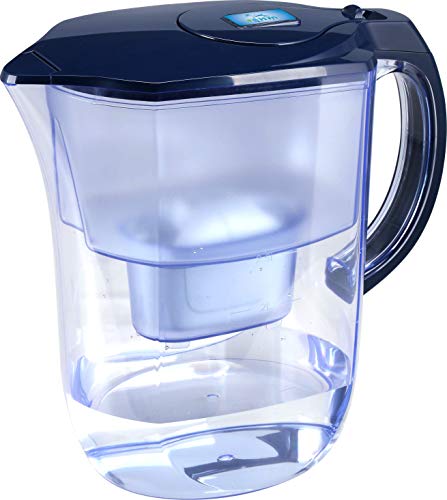
Ehm Ultra Premium Alkaline Water Filter Pitcher (3.8L)
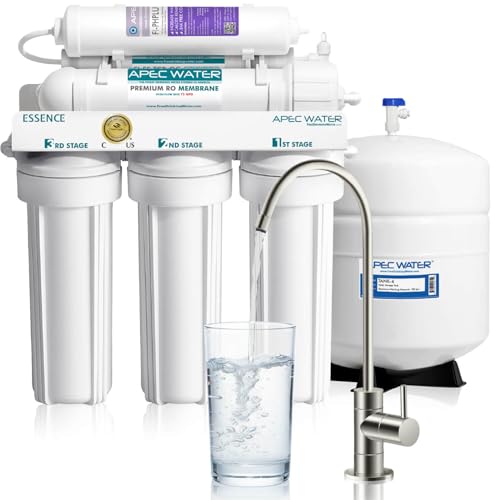
APEC ROES-PH75 6-Stage Under Sink RO System (75 GPD)

Invigorated Water pH On-The-Go Alkaline Filter Pouch (3-Pack)

Pitcher of Life Alkaline Replacement Filters (Pack of 3)

Pitcher of Life Alkaline Glass Pitcher (3.8L, NSF Filter)

Bluevua RO100ROPOT Countertop Reverse Osmosis Water Filter
Bluevua RO100ROPOT-Travel Reverse Osmosis Countertop Filter
A Breakdown Of The Leading Choices
The PL-MAX tucks its entire ionization engine below the counter and leaves only a slim, digital touch-screen faucet visible above. For homeowners who cook daily and hate countertop clutter, that kind of separation matters: the heavy lifting happens out of sight, while seven preset output levels (alkaline, neutral, and acidic streams) are tapped from the spout itself. The plates are solid platinum-coated titanium, and the system runs on an SMPS power supply, which is the kind of industrial-grade language that signals serious electrode life rather than hobbyist hardware.
DARC self-cleaning cycles keep mineral buildup off the plates without manual descaling. The five-year warranty suggests the maker expects long service, though you may want a plumber involved since this is a permanent under-sink install. Compared with the Bluevua RO100ROPOT-Lite that follows, this unit trades plug-and-play simplicity for higher pH range and a dedicated faucet.
Advantages To Know
- Seven solid platinum-titanium plates for stable electrolysis across years of use.
- Seven output levels cover alkaline drinking, neutral cooking, and acidic cleaning streams.
- Touch-screen faucet with no bulky countertop hardware stealing prep space.
- DARC self-cleaning reduces the descaling chores that plague cheaper ionizers.
- Five-year coverage offers rare long-term protection in this category.
Things To Consider
- Requires under-sink space and likely a plumber for the dedicated faucet line.
- Higher upfront cost than countertop or pitcher alternatives.
- Hard-water homes still see mineral scaling over time despite self-cleaning cycles.
Who It Suits Best
Owners doing a full kitchen upgrade who want a permanent install and broad pH flexibility.
Where Another Pick Suits Better
For renters who can’t drill into counters, the Bluevua RO100ROPOT-Lite is the no-install alternative.
Reverse osmosis (RO) pushes water through a membrane with pores tiny enough to strip out dissolved solids, heavy metals, and most contaminants. The ROPOT-Lite delivers that technology without any plumbing modifications. You fill the top reservoir from the tap, plug the unit into any outlet, and the system pushes purified water into a borosilicate glass carafe, sidestepping the plastic taste some shoppers dislike.
For renters, dorm dwellers, or anyone without under-sink clearance, this is the easiest path to RO water. The catch is throughput: countertop RO is slower than under-sink plumbing because there’s no continuous supply line. For a single person or a couple, that’s a non-issue, but big families may refill often.
The Value In It
- Zero installation, just fill, plug, and pour.
- Glass carafe avoids plastic contact with filtered water.
- Reverse osmosis handles contaminants most carbon pitchers miss.
- Compact footprint suits small counters and rental kitchens.
Worth Noting
- Manual refilling and a slower output than plumbed-in RO.
- Replacement filter costs add to long-term ownership.
- Doesn’t offer the broad alkaline pH range of a true ionizer.
Feature Snapshot
Made For
Renters and apartment dwellers who want RO purity without committing to a permanent install.
Skip It When
Large families drinking many liters a day should consider the APEC ROES-PH75 for continuous flow.
The Ehm pitcher is a plain-Jane countertop tool that asks almost nothing of you: no power, no plumbing, no install. Fill the top chamber, wait for gravity to pull water through an activated carbon filter, and pour. The 3.8-liter body is generous for a pitcher, and the company rates output pH up to 9.5 depending on source water. For households dipping a first toe into alkaline drinking, this is the lowest-friction entry point on the list.
The activated carbon stage pulls chlorine and improves taste, but it doesn’t reach the heavy-metal reduction of an RO membrane like the Bluevua RO100ROPOT-Lite. That’s the honest trade-off: pitchers are convenient and cheap to operate, yet they’re a step below multi-stage filtration in raw contaminant removal.
Why It Works Well
- No electricity or plumbing, just fill and pour.
- Fast flow design delivers filtered water in minutes, not hours.
- BPA-free construction keeps plastic concerns low.
- Cartridges are widely available and inexpensive to swap.
Trade Offs
- Activated carbon alone won’t strip dissolved solids or fluoride the way RO does.
- Filter life caps at a few hundred liters before tasting the difference.
- Glass-free plastic body may bother shoppers avoiding plastic contact.
Best Suited To
First-time alkaline shoppers who want a low-commitment way to test filtered water before investing in a plumbed system.
Consider Something Else When
If you want stronger contaminant reduction without giving up pitcher simplicity, the Pitcher of Life Alkaline Glass Pitcher adds NSF-certified stages.
APEC builds the kind of RO system you spec for serious contaminant removal. The six-stage design stacks carbon, sediment, and RO membrane stages, then finishes with an alkaline remineralization stage that adds back healthy minerals RO would otherwise strip out. At 75 gallons per day, this is a continuous-flow under-sink install that feels closer to a dedicated filtered tap than a portable unit.
Compared with the Bluevua countertop models, the ROES-PH75 trades portability for raw filtration depth and consistent output. It requires under-sink space, a dedicated faucet, and a drain line for wastewater. For homeowners in areas with high TDS (total dissolved solids) or known heavy-metal issues, that hardware commitment is worth the effort.
Real-World Strengths
- Six-stage process targets dissolved solids, chlorine, and a wide spectrum of contaminants.
- Alkaline remineralization restores minerals after RO strips them.
- 75 GPD output keeps up with family-sized demand without slow trickle waits.
- Under-sink mounting frees the counter entirely.
Honest Caveats
- Plumbing skills or a professional install is effectively required.
- RO membranes produce wastewater, a real consideration for water-conscious households.
- Pre-filter swaps every six months add to ongoing ownership cost.
Technical Sheet
Who Will Love This
Homeowners dealing with high TDS, well water, or known contaminant concerns who want lab-grade filtration at home.
Look Elsewhere When
Studio apartment dwellers should reach for the Bluevua RO100ROPOT-Lite for a zero-install alternative.
This isn’t a countertop appliance. It’s a small filter pouch you drop into your own water bottle, refill, and shake. The pouch raises pH on the go and slips into gym bags, carry-ons, and briefcases without adding weight. The 3-pack means you can stash one at work, one at home, and one in a suitcase without scrambling when the active pouch wears out.
Capacity is the obvious limitation. Each pouch is rated for a finite lifespan before alkalization drops off, so heavy daily drinkers will cycle through them quickly. For travelers and casual users, the convenience is hard to match anywhere else on this list.
Useful Highlights
- Tiny footprint fits any bottle or jug you already own.
- No power, plumbing, or counter space required.
- Three-pack spreads refills across home, work, and travel.
- Useful as a complement to a stationary home filter.
A Few Limitations
- Limited total filtered volume before the media is spent.
- Won’t replace a serious home filtration system for everyday cooking water.
- Pouches can be hard to track once buried in a busy bag.
Perfect Match For
Travelers, gym-goers, and office workers who want alkaline water away from the kitchen counter.
Another Choice May Suit
Households needing consistent kitchen hydration should anchor with the Bluevua RO100ROPOT instead.
If you already own an alkaline pitcher, the recurring cost is the cartridge. Life Ionizers’ replacement filters claim a 8.5 to 9.5 pH output range and add antioxidant and low negative ORP (oxidation-reduction potential) characteristics to the water. A pack of three keeps your rotation steady without reordering monthly.
The catch is that these are replacement cartridges for compatible pitchers, not a standalone product. The honest read: if your current filter brand is compatible, you’re set. If not, this purchase won’t do much on its own.
Everyday Perks
- Six-stage filter media targets alkalization plus antioxidant claims.
- Pack of three spreads ownership cost across months.
- Drop-in design replaces worn cartridges in minutes.
Softer Spots
- Only useful to owners of compatible pitcher housings.
- Filter lifespan of about a month for a four-person household means steady repurchasing.
Key Product Details
Whose Shelf It Belongs On
Existing alkaline-pitcher owners who already know their housing and want a clean replacement cycle.
Swap It Out When
Shoppers without a compatible pitcher should start with the Pitcher of Life Alkaline Glass Pitcher as a full setup.
This is the pitcher for people who want their kitchen gear to look like kitchen gear. The borosilicate glass body resists thermal shock and won’t leach plastic flavors, while the food-grade stainless steel infuser lets you brew alkaline teas or fruit water in the same vessel. NSF/ANSI 42 and 61 certifications on the filter cartridge give it a credibility edge over uncertified competitors.
The six-stage filter raises pH into the 8.5 to 9.5 range and reduces chlorine. Compared with the Ehm pitcher earlier, the trade-off is weight and price for a more elegant body and certified filter media.
Well-Handled Touches
- Borosilicate glass body avoids plastic contact with drinking water.
- NSF/ANSI 42 and 61 certified filter media.
- Stainless infuser adds functional versatility beyond plain water.
- Hydrogen-infusion claim gives the filter a marketing differentiator.
Small Caveats
- Glass body is heavier and breakable versus plastic pitchers.
- Higher upfront price than basic alkaline pitchers.
- Smaller household output than plumbed systems like the APEC ROES-PH75.
Right Fit For
Style-conscious shoppers who want a countertop pitcher that doubles as a serving piece.
Reach For A Different Pick When
Heavy daily drinkers needing volume should consider the Bluevua RO100ROPOT countertop system instead.
The full-size ROPOT is the everyday hydration workhorse in the Bluevua lineup. Where the Lite version targets renters and small households, this one aims at families drinking real volumes of water daily. The borosilicate glass carafe continues the no-plastic-contact design philosophy, and the multi-stage RO process reduces TDS, heavy metals, and chlorine.
It’s still plug-in and countertop, so no plumbing modifications. The honest trade-off: more daily throughput than the Lite, but a larger counter footprint. For families transitioning off bottled water, this hits a practical middle ground.
A Few Highlights
- Reverse osmosis filtration targets a wider contaminant list than carbon pitchers.
- Glass carafe avoids plastic taste and leaching concerns.
- Plug-in install keeps it renter-friendly.
- Higher daily output suits small families.
Points To Note
- Counter footprint is larger than a simple pitcher.
- Manual reservoir refilling still required.
- Replacement filters are an ongoing cost to factor in.
Quick Facts
Built With In Mind
Small families replacing bottled-water habits with a real countertop RO system.
Where A Sibling Pick Shines
The PL-MAX Under Sink Water Ionizer suits households ready to commit to a permanent install with broader pH range.
The Travel version takes the ROPOT formula and adds UV light to the filtration train, targeting biological contaminants that worry travelers using unfamiliar tap water. The 0.0001μm pore rating on the RO membrane is genuinely tiny, and the unit still only asks for an outlet and a flat surface.
It’s the most specialized pick on the list. For an RV, a vacation rental, or a frequently moved household, the combination of RO plus UV delivers peace of mind that simpler pitchers can’t. The trade-off is price and a still-modest reservoir size.
Strengths Worth Knowing
- UV stage adds biological disinfection on top of RO filtration.
- Compact enough for countertops, RVs, and short-term rentals.
- Glass carafe keeps water contact plastic-free.
- Multi-stage design targets a wide contaminant spectrum.
Less Ideal Details
- Premium price over the standard ROPOT.
- Reservoir size is smaller than plumbed-in systems like the APEC ROES-PH75.
- UV lamp adds a maintenance step when bulbs age out.
Who Should Grab It
Frequent travelers, RV owners, and anyone needing confident filtration away from a permanent kitchen.
Not Your Match When
Stationary households are better served by the more affordable Bluevua RO100ROPOT full-size model.
What To Weigh Before Choosing Water Ionizers For Home
Filtration depth and daily volume drive most decisions. If you live in an area with high total dissolved solids or you want broad alkaline and acidic output for cleaning, an under-sink ionizer like the PL-MAX earns its permanent install. For most households drinking normal municipal water, a countertop RO unit or a quality alkaline pitcher covers the bases without a plumber visit.
Power, plumbing, and patience are the three real trade-offs. RO systems generate wastewater and need a drain line or careful manual emptying. Pitchers are slow but free of electricity. Countertop plug-in units split the difference, which is why so many shoppers land there first.
Match the pick to your household size, your tolerance for install work, and the contaminants on your local water report. A family of four needs different throughput than a single-person studio.
Key Considerations Across These Picks
Mistakes Worth Dodging
Buying more filtration than your tap actually needs is a common slip-up. If your municipal water already tests clean, an elaborate RO system adds cost without much benefit. On the flip side, choosing a basic pitcher in an area with known heavy-metal concerns leaves real contaminants behind. Pull a recent local water quality report before committing.
Where The Extra Money Goes
Higher-tier ionizers and RO systems buy you multi-stage filtration, durable electrodes, and longer warranties. The upgrade pays off in households drinking serious daily volumes or in regions where basic carbon filters fall short. For light users, the extra cost is harder to justify.
Frequently Asked Questions
Do water ionizers actually raise pH?
Yes, alkaline ionizers use electrolysis to separate incoming water into alkaline and acidic streams, raising the pH of the drinking side. Output depends on source water mineral content and plate quality.
How is reverse osmosis different from an alkaline pitcher?
RO pushes water through a semipermeable membrane to strip dissolved solids, while pitchers rely on gravity-fed carbon and mineral media. RO removes more contaminants, while pitchers focus on taste and modest pH adjustment.
Do under-sink ionizers need professional installation?
Most do, since they require a dedicated faucet, a drain line, and sometimes an electrical outlet. Plumber fees should be part of the total ownership budget.
How often do filters need replacing?
Pitcher cartridges typically last one to three months depending on household size. RO pre-filters run six to twelve months, while RO membranes often last two to three years.
Can these systems remove fluoride?
Reverse osmosis and certain alkaline multi-stage filters can reduce fluoride, while basic carbon pitchers generally cannot. Check the manufacturer’s specifications before assuming removal.
The Takeaway
The right water ionizer depends on whether you want a permanent under-sink install, a plug-in countertop workhorse, or a simple pitcher on the fridge. Match the unit to your kitchen layout, your daily water volume, and the contaminants on your local water report. Any of the picks above will reward you with better-tasting hydration than an unfiltered tap.




