Aging municipal lines, hard well water, and the rising tide of “forever chemicals” have made clean drinking water less of a luxury and more of a daily concern. The right whole-home setup tackles chlorine taste at the kitchen sink and chlorine vapor in a hot shower, while a quick swap at the fridge keeps the morning coffee honest. This roundup sorts the genuinely useful picks: point-of-entry systems that treat every tap, point-of-use units that polish a single faucet, and replacement cartridges that keep everything running smoothly.
The Leading Options At A Glance

iSpring FP15X50-N 5 Micron Sediment Filter Cartridges 50-Pack

iSpring F9K 1-Year RO Replacement Filter Pack

iSpring F3 Pre-Filter Set for RCC7AK Systems

iSpring RCC7P-AK 6-Stage RO System with Pump

Waterdrop 15UB Under Sink Filter System

Pureal Puri-3 0.01μm UF Under Sink Filter
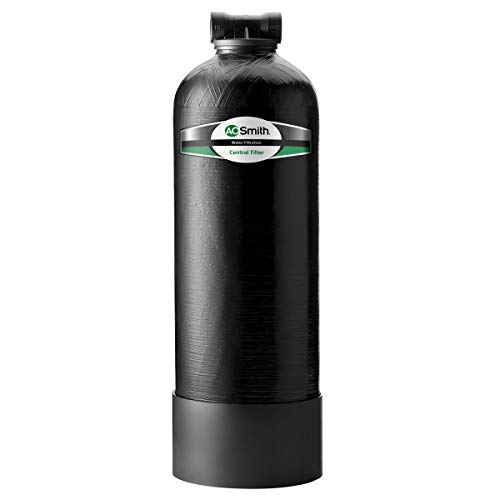
A. O. Smith AO-WH-Filter Whole House System

A. O. Smith AO-WH-PREL Sediment Filter

A. O. Smith AO-WH-PRE Pre-Filter Housing

ecoviva Mate 3 UV RO Countertop Purifier
The Details Behind The Selections
Every sediment pre-filter wears out eventually, and the iSpring FP15X50-N 50-pack is built for households that would rather swap cartridges on a relaxed weekend than track down replacements in a pinch. Each cartridge is a 5-micron rating, meaning it traps particles down to five micrometers: think fine sand, pipe scale, and rust flakes that sneak in from older municipal mains.
The 10-inch by 2.5-inch form factor fits the most common under-sink and whole-home housings, so it doubles as a refill for whichever system you already own. Genuine iSpring cartridges tested to NSF/ANSI standards reduce the worry that a bargain knock-off will channel sediment straight into your drinking glass.
What Works In Its Favor
- Fifty-cartridge supply covers roughly four years of three- to six-month swaps for a single-home setup.
- 5-micron rating captures finer particles than standard 20-micron string filters.
- Standard 10-inch x 2.5-inch dimensions fit the majority of under-sink and whole-home housings.
- Melt-blown polypropylene construction handles variable inlet pressure without channeling.
- Third-party NSF/ANSI testing gives measurable backing for filtration claims.
Things To Consider
- A 50-pack is overkill for a one-bath apartment and takes up storage space.
- Sediment filters only address particulates, so taste, chlorine, and dissolved minerals still need a downstream stage.
Made For
Large households running an existing multi-stage system who want to lock in a multi-year cartridge supply.
Consider Something Else When
Your home needs a complete turnkey unit, in which case the A. O. Smith AO-WH-Filter whole-house system arrives pre-plumbed and ready to install.
Reverse osmosis (RO) systems work by pushing water through a semi-permeable membrane that strips out dissolved solids, but the membrane only stays effective if the surrounding pre- and post-filters are swapped on schedule. The iSpring F9K bundle packages a full twelve months of cartridges for a six-stage RO setup, so you can plan one annual maintenance window instead of three mid-year scrambles.
Unlike the bare-bones F3 pack covered next, this kit includes the alkaline remineralization stage that raises pH and adds back healthy minerals after the membrane strips them out. Tasting flat, slightly acidic RO water is the most common complaint about the technology, and the alkaline stage is the remedy.
Features That Help
- Nine cartridges cover a full year without leaving you short during a hot summer.
- Alkaline remineralization stage restores minerals stripped by the RO membrane.
- Standard 10-inch cartridges slot into the iSpring six-stage RO chassis.
- Individually wrapped cartridges stay sealed until install.
Trade Offs
- Does not include the RO membrane itself, so a depleted membrane means a separate purchase.
- Only fits iSpring six-stage RO systems, which limits cross-brand compatibility.
Right Fit For
Owners of an iSpring six-stage RO who want one purchase to cover an entire year of filter rotations.
Look Elsewhere When
You only need a mid-year pre-filter swap, in which case the smaller iSpring F3 set handles the basics at a lower entry cost.
The first three stages of any RO system take the brunt of the work: sediment, granular activated carbon, and carbon block each pull a different class of contaminant before water ever reaches the membrane. The iSpring F3 set ships one of each in a single box, matched to the popular RCC7AK and US31 chassis covered later in this roundup.
If you already own a six-stage RO and only need to refresh the upstream stages, this trio replaces the F9K’s nine-cartridge mega-pack with a leaner, six-month supply. The membrane and post-filters stay put.
Benefits That Matter
- Three-piece set covers the entire pre-filter rotation in one purchase.
- Sediment plus dual carbon stages protect the RO membrane from premature fouling.
- Standard 10-inch x 2.5-inch cartridges match most under-sink housings.
- Individually sealed cartridges fresh out of the box.
Minor Gripes
- Does not include the RO membrane, post-carbon, or alkaline stage.
- Six-month supply is short for a family that fills multiple pots a day.
Key Specs
Best Suited To
Existing iSpring RCC7AK owners scheduling a mid-year pre-filter refresh.
Reach For A Different Pick When
You want a complete twelve-month supply, in which case the F9K nine-cartridge pack covers the full rotation.
Reverse osmosis systems need at least 40 to 60 psi of incoming line pressure to push water through the membrane. Homes on a well, in a high-rise, or at the end of a long municipal run often sit below that threshold, and a standard RO system slows to a trickle. The iSpring RCC7P-AK solves that problem with a built-in electric booster pump that lifts pressure on demand.
Six stages of filtration strip sediment, chlorine, dissolved solids, and trace contaminants before an alkaline remineralization stage adds back calcium and magnesium. The patented top-mounted faucet design also simplifies install: you do not have to wrestle a separate adapter under the counter.
What Makes Sense
- Booster pump maintains flow even when line pressure drops below 40 psi.
- Six-stage filtration plus alkaline remineralization addresses taste complaints common to flat RO water.
- Top-mounted faucet design cuts under-sink install time.
- Targets a broad contaminant list including lead, chlorine, fluoride, arsenic, and PFAS.
Worth Noting
- Requires a dedicated power outlet under the sink for the booster pump.
- Higher wastewater ratio than non-pumped RO units when inlet pressure is already adequate.
Feature Rundown
Who Should Grab It
Homeowners with low municipal pressure or private wells who want a complete RO system rather than a cartridge refresh.
A Better Fit Elsewhere
Renters who cannot drill a countertop hole should consider the ecoviva Mate 3 countertop RO, which needs zero plumbing.
Not every household needs the full six-stage RO treatment. The Waterdrop 15UB is a multistage under-sink carbon block system designed for municipal cold water, stripping chlorine, lead, and a long list of common contaminants without producing the wastewater stream that an RO membrane does. The slim profile fits behind a standard sink basin in apartments where every inch under the counter counts.
A dedicated brushed-metal faucet comes in the box, so the install is a tee fitting, two lines, and a few hand-tightened compression fittings. Compared to the iSpring RCC7P-AK covered earlier, this unit is simpler, faster to install, and produces no drain-water waste.
Noteworthy Benefits
- Multistage filtration reduces lead, chlorine, and sediment without RO wastewater.
- Slim under-sink footprint works in tight galley kitchens.
- Dedicated faucet included in the box.
- Replacement filter pricing stays in a reasonable range for ongoing ownership.
Practical Considerations
- Designed for municipal cold water only; not a fit for well water or hot supply lines.
- Carbon block filters do not reduce dissolved minerals the way RO membranes do.
Who It Suits Best
Apartment dwellers on city water who want better-tasting drinking water without a tank or drain line.
Where Another Pick Suits Better
Homeowners needing whole-house coverage should pair the A. O. Smith AO-WH-Filter with this under-sink unit for layered defense.
Ultrafiltration (UF) membranes sit between carbon block and reverse osmosis in fineness. The Pureal Puri-3’s 0.01-micron membrane catches cysts, rust, and most heavy metals while leaving healthy minerals intact, and unlike RO it sends nothing to the drain. Three stages plus five filtration layers cover sediment, chlorine, and metals in a compact under-sink housing.
Compared to the Waterdrop 15UB covered just above, this unit tightens the cyst and metals reduction without the wastewater cost of an RO membrane. A stainless steel faucet ships in the box, lending a slightly more finished look at the sink.
Everyday Perks
- 0.01-micron UF membrane catches cysts without stripping beneficial calcium and magnesium.
- No wastewater stream means lower ongoing operating cost than RO.
- Three-stage, five-layer filtration handles rust, sediment, chlorine, and metals.
- Stainless steel faucet adds a clean visual at the sink.
Honest Caveats
- Does not reduce total dissolved solids (TDS), so hard-water spots on glassware remain.
- UF membrane sits below RO for absolute contaminant reduction, which matters on some well sources.
Feature Snapshot
Perfect Match For
Households that want cyst and metals reduction but do not want to install a drain line for RO wastewater.
Swap It Out When
Your water report shows high TDS or hard-water scaling, in which case the iSpring RCC7P-AK’s RO membrane is the better tool.
A whole-house filter sits on the main line where water enters the home, treating every tap, shower, and washing machine at once. The A. O. Smith AO-WH-Filter reduces chlorine taste and odor across a 600,000-gallon capacity, which for a family of four can mean several years between cartridge swaps. Showers feel softer on the skin, and chlorine vapor in the steam bath drops noticeably.
This is a single-stage carbon system, not a softener, so hardness minerals pass untouched. Pair it with one of the sediment pre-filter housings covered later in this roundup if your incoming water carries visible rust or sand.
The Good Stuff
- 600,000-gallon capacity means multi-year service intervals in typical households.
- Treats every tap in the home at once, including showers and laundry.
- Reduces chlorine vapor, a common irritant in steamy bathrooms.
- DIY-friendly install with clear inlet and outlet markings.
Points To Keep In Mind
- Not a water softener; hardness minerals pass straight through.
- A large filter housing needs a nearby floor drain or drip pan for the pressure-relief button.
Key Specs
Whose Shelf It Belongs On
Homeowners on municipal water who want one central system to improve taste at every tap and reduce chlorine exposure in the shower.
Not Your Match When
Your water supply draws from a private well with sediment, in which case the A. O. Smith AO-WH-PREL pre-filter should be staged upstream first.
Sediment pre-filters protect downstream carbon and RO stages from premature clogging, but they only help if you actually swap them on time. The A. O. Smith AO-WH-PREL ships with a built-in timer that pings you at the right interval, removing the guesswork that often leads to forgotten cartridges.
A pressure-relief button simplifies the swap, which otherwise requires wrestling a sealed housing full of pressurized water. Compared to the AO-WH-PRE covered next, this version pairs the timer with the filter housing as a single SKU, suited for installers who want fewer moving parts.
Good Reasons To Consider
- Built-in reminder timer eliminates the “I forgot to swap it” problem.
- Pressure-relief button makes cartridge swaps cleaner and faster.
- NSF-certified to reduce sediment, dirt, and rust across the whole home.
- Stacks cleanly with other A. O. Smith whole-house filtration stages.
Some Limits To Know
- Timer runs on a battery that needs occasional replacement.
- Sediment only; chlorine and taste concerns require a downstream carbon stage.
Built With In Mind
Busy homeowners who want a whole-house pre-filter without tracking replacement intervals on a kitchen calendar.
Skip It When
You prefer a bare housing and buy cartridges separately, in which case the A. O. Smith AO-WH-PRE base housing keeps things flexible.
The A. O. Smith AO-WH-PRE is the empty housing rather than a loaded cartridge, which makes it the right starting point for staged whole-home filtration. Drop in a universal 2.5-inch sediment cartridge from any compatible supplier, then add the AO-WH-Filter carbon stage covered earlier when you are ready to scale up.
A built-in pressure-relief button keeps the swap clean. Compared to the timer-equipped AO-WH-PREL, this version is the choice for people who want to source their own cartridges and skip the bundled electronics.
Useful Highlights
- Universal 2.5-inch cartridge compatibility opens the door to off-brand or specialty media.
- Pressure-relief button simplifies routine swaps.
- Functions as a stand-alone sediment filter or as the first stage of a layered system.
- Sediment reduction protects water heaters, dishwashers, and washing machine valves.
Worth Bearing In Mind
- Housing only; cartridge is a separate purchase.
- Requires basic plumbing skills or a contractor to plumb into the main line.
The Right Fit
Homeowners planning a staged build who want to choose their own cartridges and add carbon or specialty media over time.
Another Choice May Suit
Homeowners who want a turnkey timer-equipped unit should consider the A. O. Smith AO-WH-PREL covered just above.
Renters, RV owners, and anyone renting out an Airbnb usually cannot drill a faucet hole or commit to under-sink plumbing. The ecoviva Mate 3 sidesteps the entire install: place it on the counter, plug it in, and pour tap water into the top reservoir. Internal RO filtration paired with UV sterilization handles bacteria and dissolved solids in one compact 9-inch cube.
Compared to the under-sink systems earlier in this roundup, the Mate 3 trades whole-home coverage and unlimited flow rate for genuine portability. The unit produces a few gallons per hour, enough for drinking and cooking but not for showers or laundry.
What Pays Off
- No plumbing or drilling required; just plug in and pour.
- UV stage adds a layer of microbial inactivation alongside the RO membrane.
- Compact 9-inch footprint fits small kitchens, RVs, and office break rooms.
- Moves with you when leases end or travel plans change.
Factors To Consider
- Low hourly output compared to plumbed-in RO units, so refilling the reservoir is routine.
- Point-of-use only; shower and laundry water remain untreated.
Feature Overview
Who Will Love This
Renters, frequent movers, and RV travelers who want RO-quality drinking water without modifying the property.
Where A Sibling Pick Shines
Homeowners with a fixed address will get better value from the under-sink Waterdrop 15UB covered earlier in the list.
What To Weigh Before Choosing A Whole-Home Water Filter
The first fork in the road is point-of-entry versus point-of-use. Whole-house systems, also called POE, sit on the main line and treat every tap, shower, and appliance. Under-sink units treat only the kitchen faucet, which is usually where drinking water comes from.
For households on city water, a single carbon-block whole-house filter addresses chlorine taste and shower irritation. For well water, plan on a sediment stage first to keep rust and sand out of downstream filters.
Filtration fineness matters more than cartridge count. A 5-micron sediment filter catches visible particles. A 0.01-micron ultrafiltration membrane catches cysts. A reverse osmosis membrane catches dissolved solids, but it also produces wastewater, so the Pureal Puri-3 or the ecoviva Mate 3 serve as waste-free alternatives.
Replacement intervals drive long-term cost more than the initial system. A 50-pack of sediment cartridges sounds like a lot, but it’s the routine three- to six-month swaps that add up over a decade.
Pressure compatibility is easy to overlook. RO systems with a booster pump, like the iSpring RCC7P-AK, work on low-pressure lines. Standard RO units need 40 to 60 psi to push water through the membrane.
Smart Buying Advice Across These Picks
Pitfalls Shoppers Hit
The most common mistake is treating chlorine and hardness as the same problem. Carbon filtration strips chlorine taste and odor, but it does not soften water. Hard-water scale on fixtures and inside water heaters needs a separate softener.
Another trap is choosing a high-stage RO system without planning for the drain line and the wastewater. RO membranes reject a percentage of the feed water as brine. If there is no floor drain near the sink, the install stalls.
A third slip is assuming any under-sink filter works on well water. Many are designed for municipal cold supply only. Read the spec sheet before assuming compatibility.
When Paying More Pays Off
Higher-tier RO systems with booster pumps handle low-pressure homes that would otherwise produce a frustrating trickle from a basic unit. Built-in timers on whole-house sediment housings also pay back their premium by preventing forgotten cartridges that let sediment slip downstream. The honest read is that the upgrade usually buys either pressure tolerance or maintenance automation, and either can save a service call later.
Frequently Asked Questions
What is the difference between point-of-entry and point-of-use filtration?
Point-of-entry systems sit on the main water line and treat every tap. Point-of-use systems treat a single faucet, usually the kitchen, where drinking water is drawn.
How often do sediment filters need replacement?
Most whole-home sediment cartridges need a swap every three to six months, depending on water usage and how much particulate the source water carries.
Does reverse osmosis remove healthy minerals?
Yes, RO strips dissolved minerals along with contaminants. Alkaline remineralization stages, like those in the iSpring F9K and RCC7P-AK, add calcium and magnesium back into the finished water.
Can a whole-house filter handle hard water?
Standard carbon-block filters reduce chlorine taste but not hardness minerals. Hardness reduction requires a dedicated water softener staged after filtration.
Is countertop RO effective for renters?
Countertop RO units like the ecoviva Mate 3 deliver the same dissolved-solids reduction as under-sink RO systems, with the trade-off of lower hourly output and no whole-home coverage.
Wrap Up
The right setup depends on where the water enters the home, how much pressure the line delivers, and whether you rent or own. Whole-house carbon systems like the A. O. Smith AO-WH-Filter handle taste and shower comfort, while under-sink RO delivers the cleanest drinking glass. Pick the filter that matches your plumbing reality, and the daily glass of water gets quietly better.