Tap water tells a different story depending on where you live. For renters, families, and anyone who wants better-tasting water without a full remodel, water filtration dispensers offer a low-commitment path to cleaner pours. This list covers pitchers, gravity systems, and an under-sink reverse osmosis option for households that want to go further.
The Choices Worth Comparing

Brita Stream Replacement Filter for Pitchers and Dispensers (Pack of 12)

iSpring RCC7P-BLK 5-Stage Reverse Osmosis System with Booster Pump
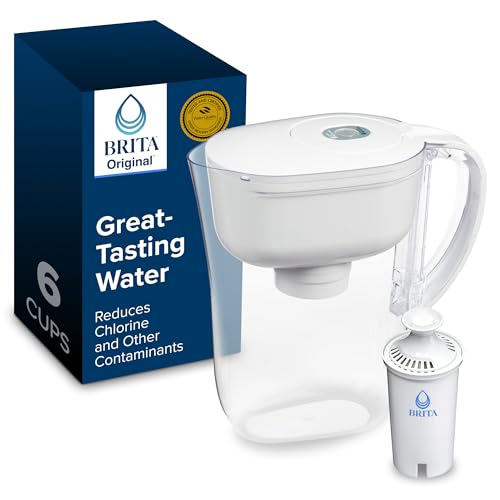
Brita Small 6-Cup Water Filter Pitcher (White)

Brita Metro 6-Cup Pitcher with BritaPlus Filter (Clear)

Brita 10-Cup Metro Pitcher with BritaPlus Filter (Black)

LifeStraw Home Activated Carbon + Ion Exchange Replacement Filter (3-Pack)

Purewell 3-Stage Gravity Water Filter, 2.25 Gallon Stainless Steel (PW-OBT)
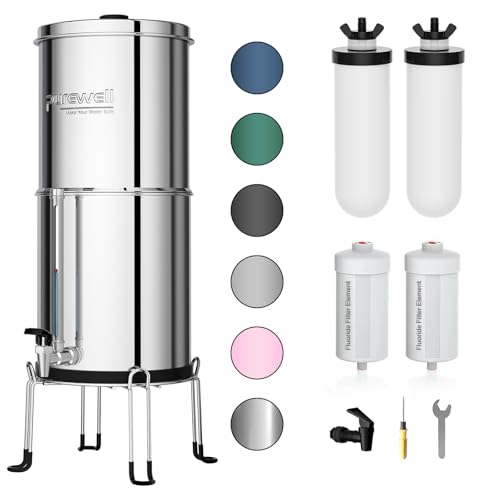
Purewell 8-Stage Gravity Water Filter, 2.25 Gallon Stainless Steel (PW-OBT-CF)

Purewell 3-Stage Gravity Water Filter with Metal Spigot (PW-OBT-K)

Soma by Full Circle Plant-Based Pitcher Filters (Pack of 2)
Taking A Closer Look At The Options
Owners of the Brita Stream pitcher already know the appeal: filtered water the moment it leaves the spout, with no internal reservoir wait. This 12-pack of replacement cartridges keeps that convenience going for a year or longer, depending on household size, before you need to reorder. The as-you-pour design relies on a dual-layer carbon format that captures chlorine taste, odor, and Class VI particulates while the water flows.
For high-volume households or anyone tired of running out of filters at awkward moments, the bulk count earns its shelf space. Each cartridge is rated for roughly 40 gallons, and the WQA NSF/ANSI certification gives a baseline confidence in the contaminant claims. If your pitcher is the Stream model specifically, this is the only filter that fits, and stocking up here is the move.
Key Advantages
- Pour-and-go filtration means no waiting for a reservoir to drip through
- Twelve cartridges cover a long stretch without reordering
- WQA NSF/ANSI certification backs the chlorine and particulate claims
- Compact cartridge size keeps the pitcher profile slim
- Carbon format trims chlorine taste and odor noticeably for most people
Things To Consider
- Only compatible with Brita Stream pitchers, not the standard Metro or Everyday line
- Replacement cadence is roughly every 40 gallons, so heavy daily drinkers may burn through faster
Who It Suits Best
Busy households that already own a Brita Stream pitcher and want a long-stash supply of certified replacement cartridges.
Where Another Pick Suits Better
The Brita 10-Cup Metro Pitcher with BritaPlus Filter suits anyone who wants a traditional reservoir-style pitcher with higher-density contaminant reduction.
Stepping well beyond a countertop pitcher, the iSpring RCC7P-BLK is a five-stage reverse osmosis (RO) system that mounts under the sink and feeds a dedicated black faucet. A booster pump keeps pressure strong in homes where incoming line pressure runs low, which is a common real-world headache with tankless RO units. Reverse osmosis works by pushing water through a semi-permeable membrane to strip out dissolved solids, and pairing that membrane with sediment and carbon stages gives a layered defense.
This is the right tool for homeowners serious about TDS (total dissolved solids) reduction, PFAS interception, and fridge-water-line integration with an add-on kit. Installation is more involved than a pitcher but less involved than a traditional tanked RO, thanks to the top-mounted faucet design. For renters or anyone who cannot drill a countertop hole, look at the pitcher picks instead.
A Few Highlights
- Five-stage process targets a broad range of dissolved and particulate contaminants
- Booster pump helps in homes with low incoming pressure
- Pairs with a fridge water line via a separate connection kit for whole-kitchen coverage
- Top-mounted faucet simplifies under-sink install compared to many RO units
Worth Noting
- Requires under-sink space, a dedicated faucet hole, and basic plumbing comfort
- Periodic filter and membrane replacements add to long-term ownership costs
- Not a fit for renters who cannot modify the countertop
Key Specs
Made For
Homeowners who want whole-kitchen filtered water and are comfortable with a permanent under-sink install.
Consider Something Else When
The Brita 10-Cup Metro Pitcher with BritaPlus Filter is a better fit for renters or anyone avoiding plumbing work.
The smallest Brita in the lineup solves a specific problem: fitting a water filter pitcher on a narrow fridge shelf or a cramped dorm counter. At 6 cups of capacity, it produces roughly enough drinking water for one or two people between refills. The included standard filter carries WQA NSF/ANSI certification to reduce chlorine taste and odor along with copper, cadmium, and mercury.
For solo drinkers, dorm rooms, or office desks, the small footprint makes daily use painless. The trade-off is refill frequency, which is why couples and families tend to graduate to a 10-cup unit within a season. The BPA-free construction is also worth noting for anyone tracking what touches their drinking water.
Useful Touches
- Slim 6-cup body fits standard fridge doors and tight shelves
- Certified to reduce chlorine, copper, cadmium, and mercury
- BPA-free plastic for the water-contact surfaces
- Includes a starter filter so it is ready to use out of the box
Trade Offs
- Small reservoir means frequent refills for multiple-person households
- Uses Brita Standard filters rather than the higher-density BritaPlus media
Right Fit For
Solo drinkers, dorm residents, and anyone with very limited counter or shelf space.
Skip It When
The Brita Metro 6-Cup Pitcher with BritaPlus Filter suits drinkers who want a same-size pitcher with stronger contaminant reduction.
Same small-pitcher footprint as the entry-level 6-cup model, but this Metro ships with the BritaPlus filter, which is the higher-density media Brita offers. That media is rated to reduce roughly twice the contaminants of the Standard filter, including chlorine taste and odor, copper, mercury, cadmium, and zinc. The pitcher also aims to retain beneficial minerals, which matters if you are wary of stripping everything out of the water.
You give up nothing in convenience, since the body matches the standard Metro form factor, and you gain noticeably cleaner-tasting water in regions where the tap carries a strong mineral signature. Compared to the iSpring RO system earlier in this list, this is far simpler but trades depth of filtration for portability and zero install.
Useful Strengths
- BritaPlus filter doubles down on contaminant reduction versus the Standard filter
- Retains beneficial minerals for those who want balance, not just stripping
- Compact 6-cup body keeps the fridge-door fit
- WQA NSF/ANSI certification backs the listed contaminant claims
Minor Gripes
- BritaPlus replacements cost more than Standard cartridges over time
- Capacity still limits use for larger households
Best Suited To
Dorm dwellers and small-kitchen drinkers who want better-tasting water and care about mineral retention.
A Better Fit Elsewhere
The Brita 10-Cup Metro Pitcher with BritaPlus Filter suits households that need the same BritaPlus media but with twice the capacity.
This is the Brita sweet spot for most households. Ten cups is enough to keep two adults and a couple of kids hydrated between filter cycles, and the BritaPlus media delivers the higher-density contaminant reduction that the 6-cup model offers. The black housing adds a clean, appliance-friendly look that disappears into modern kitchens better than the classic white units.
Unlike the pour-through Stream cartridges reviewed earlier, this pitcher holds water in a reservoir that drips through the filter, which means a short wait on initial fill. That is the cost of admission for any reservoir-style pitcher. Owners commonly report that the trade feels minor once the pitcher lives in the fridge full-time.
Positive Points
- 10-cup reservoir cuts down on refill frequency for couples and small families
- BritaPlus filter reduces twice the contaminants of the Standard media
- Black finish blends well with stainless and matte kitchen appliances
- WQA NSF/ANSI certification supports the listed reduction claims
- Mineral retention approach appeals to taste-focused drinkers
Room For Improvement
- Reservoir design means a brief wait before the first glass is ready
- BritaPlus cartridge replacements are pricier per filter than Standard
Key Specs
Who Will Love This
Couples and small families who want stronger contaminant reduction without moving to a plumbed-in system.
Reach For A Different Pick When
The Brita Metro 6-Cup Pitcher with BritaPlus Filter is the better match for solo drinkers with limited fridge space.
The LifeStraw name is familiar from outdoor gravity setups, but this Home line targets kitchen taps with a media combo of activated carbon and ion exchange. Together, those layers address the contaminants that worry a lot of households: PFAS compounds (often called forever chemicals), lead, mercury, chromium, cadmium, copper, chlorine, and a wide spread of pesticides and herbicides.
This is a replacement cartridge pack, so it pairs with a LifeStraw Home pitcher or dispenser body. The three-pack covers roughly six months at normal household consumption. Compared to the BritaPlus media reviewed earlier, the LifeStraw filter goes after a more aggressive list, but it sits in a similar pitcher-style form factor.
Useful Highlights
- Activated carbon plus ion exchange media targets PFAS, lead, mercury, and more
- Reduces pesticides and herbicides that standard carbon filters can miss
- Three-pack supplies around six months of typical use
- Compatible with the LifeStraw Home pitcher and dispenser bodies
Points To Keep In Mind
- Requires owning a compatible LifeStraw Home pitcher or dispenser body separately
- Filter life varies with usage and incoming water quality
Perfect Match For
Households on private wells or older plumbing who want a stronger reduction profile than basic carbon offers.
Where Another Pick Suits Better
The Brita 10-Cup Metro Pitcher with BritaPlus Filter is a smarter choice if you already own a Brita body and want a simpler swap-in path.
Gravity systems work differently from pitchers. You pour water into the upper chamber, and gravity slowly pulls it through the filter media into a lower reservoir. That means no electricity, no plumbing, and the unit simply sits on the counter or a stand. The Purewell 3-Stage system packs a ceramic outer layer, activated carbon middle layer, and silver-ion inner layer into a stainless steel housing that holds 2.25 gallons.
The ceramic cartridges are washable, which is the headline advantage: you are not throwing away a plastic cartridge every two months. The trade-off is filtration speed, since gravity is slower than a pour-through pitcher. For off-grid cabins, rentals that forbid plumbing mods, or households that simply prefer stainless over plastic, this fits the bill.
Benefits That Matter
- Stainless steel housing is durable and resists cracking over years of use
- Washable ceramic filters cut down on cartridge waste and replacement cost
- Three-layer media addresses sediment, chlorine, and microbial growth
- No power or plumbing required, so it travels well to rentals and cabins
Smaller Caveats
- Gravity flow is slower than pour-through pitchers, so advance planning matters
- Stainless body adds weight and needs a stable stand or counter spot
Whose Shelf It Belongs On
Renters, off-grid households, and anyone who wants a long-lasting filter without disposable cartridges.
Where A Sibling Pick Shines
The Purewell 3-Stage system with a metal water-level spigot is the better choice when you want to see remaining water at a glance.
Where the 3-stage Purewell focuses on the basics, this 8-stage version stretches the gravity format into a more thorough reduction profile. It adds a dedicated fluoride filter alongside the ceramic and carbon stages, which is rare in countertop gravity systems. The four-filter setup, paired with the stainless body, is what gives this unit its depth.
Like the smaller Purewell system, this one runs on gravity alone, so the filter pace is steady rather than instant. The metal water-level spigot helps you see how much filtered water is left without lifting the lid. For households that want a gravity system and care about fluoride reduction, this is the one to weigh.
What It Does Well
- Eight-stage media addresses chlorine, sediment, organic compounds, and fluoride
- Ceramic and fluoride cartridges both included in the four-filter setup
- Stainless body holds up to daily use and looks the part in modern kitchens
- Metal water-level spigot makes remaining volume easy to read
Points To Note
- Gravity flow pace means planning ahead during heavy-use days
- Larger footprint than a typical pitcher and needs a stable spot
Key Specs
Right Fit For
Families who want a gravity system that goes further on contaminant reduction, including fluoride.
Swap It Out When
The Brita 10-Cup Metro Pitcher with BritaPlus Filter suits anyone who wants quicker pour-through filtration in a smaller fridge-door body.
This Purewell model shares the 3-stage ceramic-and-carbon filtration of the PW-OBT reviewed earlier, with one practical difference: a metal spigot designed to show the water level in the lower chamber. For households that refill the upper chamber throughout the day, knowing what remains without opening the lid is a small but real quality-of-life upgrade.
The 2.25-gallon stainless body still anchors the system on a stand or countertop, and the washable ceramic cartridges keep long-term cost and waste down. Where the 8-stage sibling focuses on depth, this one focuses on daily usability with a simpler media profile.
The Value In It
- Visible water-level spigot takes the guesswork out of refills
- Washable ceramic cartridges reduce replacement waste
- Stainless steel housing for long-term durability
- 3-layer media covers sediment, chlorine, and microbial growth
Honest Caveats
- No dedicated fluoride reduction like the 8-stage Purewell
- Gravity flow is slower than pitcher pour-through
Built With In Mind
Countertop kitchens where the family refills throughout the day and wants to see remaining water at a glance.
Not Your Match When
The Purewell 8-Stage system fits households that want fluoride reduction layered into the gravity flow.
Soma’s plant-based filters are the only pick on this list built around coconut-shell activated carbon, which is one of the more porous filtration materials in everyday use. The media targets chlorine, cadmium, mercury, copper, and zinc while keeping the housing mostly plant-derived rather than petroleum-derived plastic. For households that want a more sustainable filter rotation, the material story matters as much as the contaminant list.
This is a replacement filter pack, so you need a Soma pitcher body to use them. The two-pack covers a decent stretch of normal use, and the filters slot into the pitcher quickly. The honest trade-off is that the Soma pitcher ecosystem is more limited than Brita’s, so future upgrades stay within the same brand.
A Strong Showing
- Coconut-shell carbon is highly porous and effective at common tap contaminants
- Plant-based housing trims petroleum-derived plastic in the filter build
- Targets chlorine, cadmium, mercury, copper, and zinc
- Two-pack gives a few months of typical use
Some Limits To Know
- Requires owning a Soma pitcher body to use these cartridges
- Filter ecosystem is narrower than larger pitcher brands
Who Should Grab It
Soma pitcher owners who want to keep their filter rotation plant-based and effective against chlorine and heavy metals.
Look Elsewhere When
The LifeStraw Home replacement filter pack is the smarter call for households that want PFAS and lead reduction.
What To Weigh Before Choosing Water Filtration Dispensers
Capacity And Daily Habits
Capacity is the single biggest day-to-day factor. A 6-cup pitcher works for one or two light drinkers, while a 10-cup unit or 2.25-gallon gravity system suits families that go through multiple glasses per person. Match the size to your household, not the largest option on the shelf, or you will end up refilling constantly or letting water sit too long.
Filter Media And Contaminant Goals
Different media target different contaminants. Activated carbon handles chlorine taste and odor well, while ion exchange layers pull out heavy metals. Ceramic stages add sediment reduction, and reverse osmosis (which forces water through a semi-permeable membrane) strips the broadest range of dissolved solids. Match the media to what your local water report flags, not the longest bullet list.
Install, Maintenance, And Replacement Cost
Pitchers and gravity units need almost no setup, while under-sink reverse osmosis systems require plumbing work. Filter replacement costs vary widely, and washable ceramic media cuts long-term spending for households willing to maintain it. In most kitchens, the cheapest filter up front becomes the most expensive over five years, so factor in the cartridge pipeline before committing.
Footprint And Storage
Countertop real estate matters more than people expect. A 2.25-gallon gravity system needs a solid stand and clearance above, while a slim 6-cup pitcher slides into a fridge door. Measure your shelf depth and counter height before ordering, since returning a giant dispenser is a chore.
What To Know Before You Commit
Common Shopping Slip Ups
Buyers often grab the cheapest pitcher without checking filter compatibility, only to find replacements are scarce or expensive. Others over-invest in a reverse osmosis system when a simple carbon pitcher would cover their actual tap concerns. The honest fix is to pull your local water quality report first, then match the filtration depth to what the report actually flags.
Where The Extra Money Goes
Higher-tier dispensers usually pay for denser filter media, longer cartridge life, or heavier housings like stainless steel. Multi-stage reverse osmosis commands a premium because the membrane technology and booster pump add real cost. The upgrade is worth it when your water source genuinely demands it, but for most municipal taps, a mid-tier pitcher hits the same taste and odor goals at a fraction of the ongoing cost.
Frequently Asked Questions
How Often Should You Replace Filter Cartridges?
Most pitcher cartridges need replacing every 40 gallons or about two months under typical household use. Gravity ceramic filters last much longer between cleanings, while reverse osmosis membranes follow their own longer schedule. Setting a reminder tied to gallons rather than the calendar keeps the rotation honest.
Do Water Filtration Dispensers Remove Beneficial Minerals?
Standard activated carbon filters leave minerals mostly intact, which is one reason many drinkers prefer them. Reverse osmosis strips more dissolved solids, which is why some systems add a remineralization stage. If mineral content matters to you, look for filters specifically designed to retain beneficial electrolytes.
Can You Use A Filtration Dispenser With Well Water?
Yes, but well water often needs more aggressive filtration than municipal taps. Sediment, iron, and bacterial load can shorten filter life and overwhelm simple carbon cartridges. For wells, a multi-stage system or a unit with ceramic media tends to hold up better than a basic pitcher.
Are Stainless Steel Dispensers Worth The Higher Cost?
Stainless steel housings outlast plastic pitchers by years and resist cracking, staining, and odor absorption. They cost more up front but can outlast several plastic replacements, which makes them a sensible upgrade for long-term households. For short-term renters, plastic still does the job.
Is Reverse Osmosis Necessary For City Tap Water?
For most city dwellers, no. A quality carbon or carbon-plus-ion-exchange filter handles chlorine, lead, and many taste concerns at a much lower cost. Reverse osmosis earns its place when total dissolved solids run elevated or when specific contaminants like PFAS are a documented concern in your supply.
Final Take
The right water filtration dispenser depends less on brand and more on your tap. Match the media to the contaminants in your local report, the capacity to your household size, and the housing to the space you actually have. For most people, that points to a mid-size pitcher with denser carbon media, with gravity or reverse osmosis systems earning their keep in specific scenarios. Start there, replace cartridges on schedule, and your water will quietly get a lot better.