

Picking the right video cameras for home security changes the feel of a house. You go from wondering what happened on the porch to scrolling a real recording. Whether it’s a single doorbell swap or a full perimeter overhaul, the right hardware makes the difference between footage you actually use and clips you wish you’d had. Below are seven options worth your attention, spanning budget wireless kits, cellular off-grid units, mobile pet robots, and full multi-camera PoE systems.
An Overview Of The Picks

Nikoglly 2 Pack 4MP Wireless Outdoor Security Cameras

LIWAN 4G LTE Cellular Outdoor Security Camera 2K

Crigge Mobile Pet Camera Robot 1080P

REOLINK Duo 3 PoE Dual-Lens Camera 180°
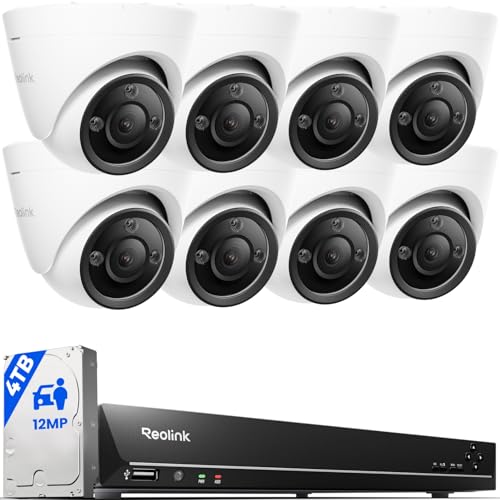
REOLINK 16CH 12MP PoE Camera System RLK16-1200D8-A
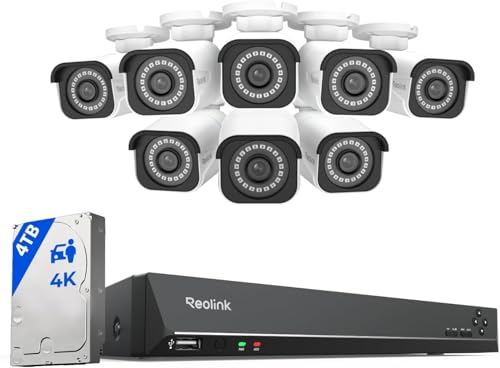
REOLINK 16CH 4K Bullet Camera System RLK16-800B8

REOLINK Argus PT Ultra 4K Solar Security Camera 2 Pack
Taking A Closer Look At The Options
Starting simple is fine. The Nikoglly 2 Pack arrives as two bullet-style units (a “bullet” camera refers to the classic cylindrical shape that mounts to a wall or eave) built around 4MP sensors, which lands right between standard 1080p and the sharper 4K tier. For most first-time installers, the wireless framing cuts down on setup friction, since each camera only needs a power lead rather than a dedicated data cable. You’ll mount one over the driveway and one over the side gate, then run the app to pair them.
Color night vision (the camera’s ability to render full-color footage after dark instead of the typical grayscale infrared look) is the headline feature. Owners commonly report that built-in LEDs warm the scene enough to make plate numbers and jacket colors readable at close range. Compared with the LIWAN unit below, this kit is wired for home Wi-Fi rather than cellular, so it needs a stable router signal where you mount it.
The Value In It
- Two-camera kit covers front and back entry points on day one.
- 4MP resolution (roughly 2560 x 1440) keeps facial details sharp at typical porch distances.
- Color night vision mode helps identify clothing and vehicle colors after dark.
- Wireless setup removes the data-cable step most beginners dread.
Things To Consider
- Wi-Fi signal strength at the mounting point can affect live-stream smoothness.
- Bullet form factor is more visible than compact dome housings.
Quick Facts
Right Fit For
First-time homeowners who want front-and-back visibility without running cables or paying for a full PoE install.
Consider Something Else When
You have no reliable Wi-Fi at the mount point; the LIWAN 4G LTE Cellular Security Camera handles off-grid locations more cleanly.
Most cameras assume you have Wi-Fi. The LIWAN 4G LTE Cellular Security Camera does not. It runs on a cellular data connection, which makes it the right answer for barns, vacation homes, construction lots, and other places a router can’t reach. Power comes from solar, so a single install covers most off-grid needs once you have line of sight to the sky.
The 2K sensor lands a step above 1080p, sharp enough to read labels and faces at moderate distances. For most rural setups, the trade-off is data plan cost, since cellular streams chew through monthly data faster than you’d think. Compared to the Nikoglly kit above, this unit trades Wi-Fi simplicity for true independence from any home network.
Why It Works Well
- Cellular-only operation means no router or extender needed.
- Solar power keeps the camera running without grid wiring.
- 2K resolution (about 2560 x 1440) preserves detail across open spaces.
- Outdoor-rated housing handles weather exposure year-round.
Trade-Offs To Weigh
- Requires an active cellular plan and SIM setup, which adds a recurring cost.
- Solar charging drops in performance during heavy cloud cover or short winter days.
Made For
Ranch owners and remote-property shoppers who can’t run a router or power line to the camera site.
Look Elsewhere When
You have a stable Wi-Fi mesh at home; the Nikoglly 2 Pack or a Reolink PoE system will save the recurring data plan.
A fixed camera watches one corner. The Crigge Mobile Pet Camera Robot rolls. You drive it from your phone, so a dog hiding behind the couch becomes reachable, and the kitchen counter becomes checkable without a second device. The 1080P sensor is standard for indoor monitoring, and built-in night vision keeps the picture usable after lights out.
Compared with the Reolink outdoor units later in the roundup, the Crigge is purely an indoor tool with no weather rating. You will need a clean floor with no thick rugs, and you’ll want to mind cables, since the wheels can snag on stray cords. For most pet households, this is the fun pick on the list.
Good Reasons To Consider
- App-controlled wheels let you check on pets in different rooms from one screen.
- 1080P video (about 1920 x 1080) is sharp enough for indoor pet monitoring.
- Night vision handles dim hallways and nap-time rooms.
- Two-way audio lets you call a pet or a family member remotely.
Honest Caveats
- Indoor-only design, no weather sealing for outdoor placement.
- Battery life between charges depends heavily on how much you drive it.
Best Suited To
Pet owners who travel and want a roaming view of multiple spaces, not just a single camera angle.
Reach For A Different Pick When
Your priority is perimeter or outdoor coverage; the REOLINK Argus PT Ultra 4K Solar Security Camera handles outdoor duty with far more ruggedness.
Wide driveways and open yards defeat single-lens cameras, because the edges always fall off. The REOLINK Duo 3 PoE uses two lenses stitched together to cover a 180° field. Instead of three separate units, you mount one camera and watch the whole curb in a single frame. PoE (Power over Ethernet) means a single cable carries both data and power, so installation stays tidy.
Two 4K image sensors working together push resolution into the 16MP range, which is well past what most home networks need but useful for cropping after the fact. Compared with the Nikoglly 4MP wireless kit earlier, this unit trades wireless convenience for a wider, sharper image and a more permanent wired install.
Well-Handled Touches
- 180° panoramic view replaces two or three single-lens cameras in many setups.
- PoE installation uses one cable for power and data, simplifying routing.
- Wide-aperture lens with infrared LEDs keeps night footage readable up to roughly 100 ft.
- Dual-lens stitching reduces blind spots at the edges of the frame.
Points To Keep In Mind
- Requires a PoE switch or injector, so plan on extra networking hardware.
- Stitched images can show mild curvature at the far edges of the view.
Spec Overview
Who It Suits Best
Homeowners with wide driveways, side yards, or open lots who want fewer cameras doing more work.
A Better Fit Elsewhere
You need a full multi-camera system across a large property; the REOLINK 16CH 12MP PoE System covers more ground with one NVR box.
When one camera isn’t enough, the right answer is a kit. The REOLINK 16CH 12MP PoE Security Camera System arrives with eight bullet units, a 16-channel NVR (Network Video Recorder, the box that ingests and stores all camera feeds), and a 4TB hard drive already installed. That’s enough local storage for weeks of continuous recording without paying for cloud subscriptions. An NVR-based system also keeps footage inside your home network, which sidesteps monthly fees.
Each camera records at 12MP, comfortably above 4K, with spotlights that enable full-color night vision on a schedule. Compared with the REOLINK 16CH 4K system, this kit pushes the resolution higher per camera and is the right call for shoppers who want maximum detail.
The Practical Payoff
- Eight included bullet cameras cover a typical property perimeter on day one.
- 12MP per-channel footage stays sharp after digital zoom into a clip.
- Built-in 4TB HDD supports weeks of continuous recording without cloud fees.
- 16-channel NVR leaves room to add more cameras later as needs grow.
- Spotlight-driven color night vision helps identify colors after dark.
Some Limits To Know
- Eight cameras is more than smaller homes typically need.
- PoE install requires running ethernet cable to each mounting point.
- Higher per-camera resolution means larger storage demand over time.
Feature Rundown
Right Fit For
Large properties and small-business owners who want whole-perimeter coverage in one box with no recurring fees.
Skip It When
You only need a couple of entry-point cameras; the Nikoglly 2 Pack covers basics at a smaller commitment.
Not every property calls for 12MP cameras. The REOLINK 16CH 4K kit delivers 4K (about 8MP) per channel, which is still roughly four times the clarity of 1080p, and trims cost by dropping the resolution tier. You get the same 16-channel NVR, the same 4TB of local storage, and eight bullet cameras ready to mount.
Smart detection picks out people, vehicles, and animals separately, so your phone alerts carry more meaning than a generic motion ping. Compared with the 12MP system above, this kit is the sensible middle ground for shoppers who care more about coverage count than maximum detail.
Benefits That Matter
- 4K resolution delivers about four times the clarity of 1080p footage.
- Smart person, vehicle, and animal detection reduces useless alerts.
- Local 4TB storage sidesteps monthly cloud subscription fees.
- 16-channel NVR leaves room to expand as the property grows.
A Few Limitations
- Eight cameras is overkill for smaller homes or apartments.
- PoE cabling must be planned and routed to each mounting location.
Whose Shelf It Belongs On
Mid-sized homes and small businesses that want solid 4K coverage with smart alerts and no monthly fees.
Swap It Out When
Maximum per-camera clarity is the priority; the REOLINK 16CH 12MP PoE System pushes detail further at a higher spend.
Wire-free is the headline. The REOLINK Argus PT Ultra 2 Pack arrives as two 4K cameras on a pan-tilt mount (a motor-driven head that rotates side to side and up and down for remote aim), with solar panels bundled in. You mount each one where Wi-Fi reaches, and the sun handles charging. The 2.4/5GHz dual-band Wi-Fi support helps when 5GHz is crowded or 2.4GHz reaches farther.
Spotlight color night vision rounds out the package, so low-light scenes arrive with usable color rather than a flat grayscale wash. Compared with the LIWAN 4G LTE unit, this kit stays on Wi-Fi rather than cellular, which trades the off-grid flexibility for lower running cost. For most renters, this is the friendliest install on the list.
Practical Advantages
- Wire-free installation needs only a mount and a reachable Wi-Fi signal.
- Solar panels keep the battery topped up for most climates and seasons.
- 4K resolution keeps detail high for license plates and faces at moderate range.
- Pan-tilt head lets you aim remotely from the app without remounting.
- Dual-band Wi-Fi support (2.4 + 5 GHz) helps in crowded network environments.
Where It Is Less Suited
- Solar charging depends on sunlight; shaded mounting spots reduce uptime.
- Wi-Fi-only operation rules out barns and remote properties without a router.
Feature Snapshot
Perfect Match For
Renters and homeowners who want no-drill, no-cable outdoor coverage with the freedom to reposition later.
Where Another Pick Suits Better
You need off-grid coverage with no router nearby; the LIWAN 4G LTE Cellular Security Camera covers barns and vacation homes where Wi-Fi won’t reach.
What To Weigh Before Choosing Video Cameras For Home Security
Wired Reliability Versus Wireless Flexibility
PoE systems like the Reolink Duo 3 or the 16-channel kits demand ethernet runs to each mount, but they pay back in rock-solid streaming and consistent power. Wireless options like the Nikoglly 2 Pack or the Argus PT Ultra trade that reliability for easier setup. Run an honest inventory of where routers reach, where sunlight falls, and how permanent the install feels before picking a side.
Resolution That Earns Its Place
Resolution matters most when you actually need to crop a frame later. 4MP, 2K, 4K, and 12MP tiers each buy more cropping room, but bigger files fill hard drives faster. Match the resolution to your real evidence need: a porch camera catching delivery drivers does fine at 4MP, while a long driveway benefits from 4K or higher.
Power And Connectivity Assumptions
Most home cameras assume Wi-Fi and a power outlet. The exceptions are solar-charged units like the Argus PT Ultra and cellular units like the LIWAN. If your camera site lacks either resource, your shopping list shrinks fast. Plan the power source and the network connection before you pick a model.
Storage And Subscription Trade-offs
NVR kits with built-in hard drives store footage locally and skip monthly fees, but they require a permanent install. Cloud-friendly cameras offer app-based playback without local hardware, but they often ride along with subscription tiers. Decide which ownership model fits your patience for recurring charges.
Key Considerations Across These Picks
Where Shoppers Go Wrong
The most common slip is buying more cameras than the property needs. Eight-camera kits feel reassuring, but a two-camera wireless setup handles many driveways and entry points cleanly. The opposite trap is buying the cheapest 1080P camera and expecting 4K-level evidence after a break-in, which rarely survives a digital zoom. Match camera count and resolution tier to the actual coverage zone, not the spec sheet.
When Paying More Pays Off
Higher spend in this category buys three things: better sensors, better build, and less subscription drag. PoE kits with local NVR storage avoid monthly fees entirely, while cheaper wireless cameras often nudge you toward cloud plans after a free trial. Premium tiers also tend to carry wider apertures and stronger infrared, which translates to cleaner night footage when something actually happens. The upgrade pays for itself fastest on homes with longer driveways or genuinely remote corners.




