

Utility sinks carry the workload nobody else wants: paint brushes soaked in turpentine, muddy soccer cleats, dog bowls that smell like a pond. If your laundry room doubles as a potting station or your garage has become a weekend workshop, a dedicated basin changes the whole workflow. The right one handles bulky items, resists stains from dye or bleach, and stays out of the way until you need it. These nine options cover drop-in granite, freestanding stainless workhorses, and compact undermounts, so you can match the basin to the space and the mess.
A Fast Comparison Of The Options
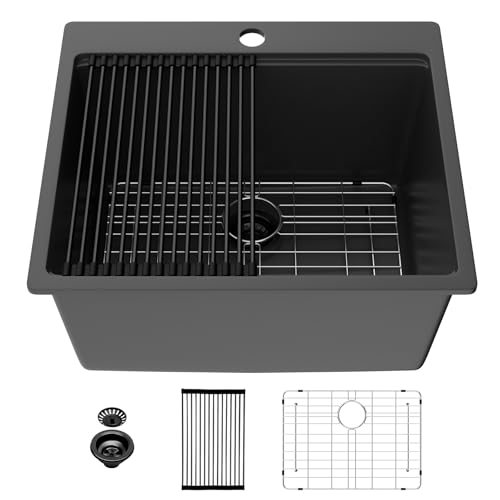
Lordear 25x22x12 inch Black Granite Composite Laundry Sink

E.L. MUSTEE & SON 14K Mustee Sink Mold 20 Gal. 1 Basin

Ruvati 21x18x12 Inch Deep Laundry Utility Sink (Undermount)

Lordear 21 Inch Laundry Sink Stainless Steel 21x18x12 Undermount

Lordear Drop in Laundry Sink 25x22x12 Deep Utility Sink

Worcest Stainless Steel Freestanding Garage Sink 22 Inch

Lordear Freestanding Utility Sink with Faucet (Stainless Steel)

Lordear 25x22x12 inch White Granite Composite Laundry Sink

Worcest Stainless Steel Sink with Countertop Workstation 47 Inch
Meet The Standout Selections
Granite composite sinks used to feel out of place outside the kitchen, but the Lordear 25x22x12 in matte black bridges that gap nicely. The tiered interior creates a working shelf for brushes or bar soap, with a deeper zone underneath that drains rinse water away cleanly.
At 25 inches across, this drop-in unit needs a generous cutout, and the dark finish hides scuffs from paint and garden soil far better than stainless. Compared to the molded-plastic Mustee basin below, this one looks like a deliberate design choice rather than an afterthought.
A Favorable Mix
- Tiered interior creates a built-in shelf for cleaning supplies
- Black composite disguises stains from dye, paint, and soil
- 25×22 footprint handles oversized pots and bulky gear
- Granite composite resists scratches under typical hand-washing loads
- Drop-in install works with standard countertop cutouts
Things To Consider
- Heavier than stainless, so cabinet reinforcement may be needed
- Dark surface can show water spots after rinsing
Who It Suits Best
Homeowners who want a utility sink that looks intentional in a finished laundry or mudroom, not just functional.
Where Another Pick Suits Better
For a budget-friendly install in an unfinished garage, the Mustee 14K utilatub below is easier on the wallet.
The Mustee 14K utilatub has been a laundry-room default for decades, and for good reason. It’s molded from a single piece of structural plastic (called copoly), so there are no seams, caulk lines, or welded corners to fail later.
At roughly 20 gallons of capacity, the basin swallows paint rollers, mop heads, and pet bedding without complaint. This is the pick for a basement drain corner where a heavier, prettier sink would feel out of place.
Useful Strengths
- Single-piece molded construction means no leaks at the seams
- Lightweight, so a single person can carry and set it
- Plastic body shrugs off bleach and harsh detergents
- Low cost frees up budget for a new faucet or supply lines
Trade Offs
- Plastic scratches more easily than stainless or composite
- Plain look does not blend with finished laundry designs
- Can flex slightly under heavy cast-iron loads
Feature Snapshot
Made For
Rough basement corners, garage drains, and anyone outfitting a utility space on a strict budget.
Skip It When
If you want an undermount look or a basin that doubles as a design feature, the Ruvati stainless sink ahead is the smarter target.
Ruvati builds the RVU6121 for people who want laundry-room function with kitchen-grade refinement. The 12-inch depth gives you real working room, so a mop bucket or a folded quilt fits without jamming against the rim.
Because this is an undermount, the rim hides beneath the countertop, which keeps crumbs and lint from collecting on a visible lip. If you are building a custom laundry cabinet around a stone or solid-surface top, this is the cleanest install path.
The Value In It
- T-304 stainless means strong resistance to rust and stains
- Brushed finish (a lightly textured grain) hides small scuffs from daily use
- Undermount rim keeps the counter edge clean and easy to wipe
- 12-inch depth handles tall buckets without tipping
Points To Note
- Requires a precise cutout and a solid countertop for support
- Stainless shows water spots if you skip drying after use
Feature Rundown
Best Suited To
Builders and remodelers fitting out a custom laundry counter with a premium undermount look.
Look Elsewhere When
If you don’t have a stone or solid-surface counter, the Lordear drop-in stainless sink below installs with a standard laminate top.
Lordear’s 21x18x12 undermount shares the Ruvati’s footprint but trims the price by skipping the premium brand markup. The 16-gauge T304 stainless basin (T304 is the standard “food-grade” alloy that resists corrosion) feels hefty when you set it, which is what you want from a sink that will absorb impacts from dropped paint cans.
Minimum cabinet base is 23 inches, so this fits tight custom builds where the Ruvati might be out of reach. Most owners find the brushed surface forgives minor wear between deep cleans.
The Helpful Details
- True 16-gauge steel resists dents from dropped tools
- 12-inch depth accepts a standard mop bucket without overflow
- Compact 21×18 footprint suits narrower laundry cabinets
Honest Caveats
- Smaller opening limits oversized pots and bulky gear
- Undermount install still requires a precise cutout
- Stainless finish shows fingerprints without a quick wipe
Spec Overview
Right Fit For
DIY remodelers fitting a heavy-duty undermount into a smaller laundry base cabinet.
A Better Fit Elsewhere
For a freestanding install that skips cabinet building entirely, the Lordear freestanding utility sink ahead is faster.
This Lordear drop-in model gives you the same 25×22 footprint as the black granite composite, but swaps to 16-gauge stainless for shops where hot tools and solvents are part of the routine. The panel thickness around 3mm gives the rim real rigidity, which matters on a sawhorse-topped workbench.
An X-shaped diversion groove on the basin floor speeds drainage so the sink doesn’t hold a puddle when you tilt a wet paintbrush. Compared to the freestanding Worcest garage sink below, this one requires a cutout, so plan the countertop first.
What Pays Off
- Drop-in rim works with laminate or plywood counters
- X-pattern floor groove speeds complete drainage
- T304 stainless tolerates common solvents and cleaners
- 25-inch width holds large tubs and bulky paint trays
Less Ideal Details
- Requires a router or jigsaw cutout in the host surface
- Stainless will mark up under aggressive wire brushes
Who Should Grab It
Shop owners and serious DIYers outfitting a workbench with a permanent wash basin.
Swap It Out When
For a no-cut freestanding install with a faucet included, the Worcest 22-inch garage sink ahead is more practical.
The Worcest freestanding 22-inch lands in the sweet spot for a weekend garage upgrade. It ships with the faucet, hot and cold supply lines, drainer basket, and a towel bar, so the parts hunt that usually follows a sink purchase is already handled.
Tool-free assembly means you can roll it into position and have water running the same afternoon. Compared to the Lordear drop-in above, this one doesn’t need a countertop or cabinet at all.
The Good Stuff
- Faucet and supply lines ship in the box
- 360-degree rotating spout reaches every corner of the basin
- Freestanding frame skips cabinet construction entirely
- Tool-free assembly shortens install to an afternoon
Practical Considerations
- Stainless finish needs regular wiping to stay presentable
- Freestanding legs may shift on uneven garage floors
Perfect Match For
Garage owners who want a complete sink station without hiring a plumber or building a base.
Consider Something Else When
For heavier industrial use or outdoor placement, the Lordear freestanding model ahead has thicker gauge steel throughout.
Lordear’s freestanding heavy-duty unit is built for places where a thinner sink would eventually wave the white flag. The 16-gauge basin is paired with 22-gauge steel legs and adjustable feet, so the whole frame stays planted even when you drag a heavy bucket across it.
Rounded corners on the inside help prevent the small bumps and snags that come with work gloves and wet sleeves. You may find the included faucet is a step up from the Worcest’s, especially if you run hot water through it for extended soak cycles.
Useful Touches
- Adjustable leveling feet keep the frame steady on rough floors
- Rounded interior corners reduce snag points for clothing
- 304 stainless resists corrosion in damp basement air
- Faucet included, so the box is ready to plumb
Possible Compromises
- Heavier than competing freestanding models at delivery
- Takes up more floor space than a compact drop-in
Whose Shelf It Belongs On
Contractors and shop owners who need a freestanding sink that handles daily commercial-style loads.
Reach For A Different Pick When
For a tighter garage footprint with a smaller basin, the Worcest 22-inch freestanding sink above is more space-efficient.
The white version of Lordear’s granite composite sink does the opposite job of the black one. Where black hides stains, white shows them, which forces tidier habits but brightens a windowless laundry room considerably.
The same tiered interior applies, so the upper step catches soap and brushes while the deep zone below handles the rinse water. Available in companion sizes (21x18x12 and 24x18x12, plus a 25x22x10 shallower profile) lets you match the basin to your exact counter cutout.
Standout Benefits
- White finish brightens windowless laundry rooms
- Tiered interior creates a built-in workspace for cleaning tools
- Multiple size variants fit different cabinet bases
- Composite material dampens noise from dropping items
Small Caveats
- White surface shows every drip and stain until wiped
- Heavier than stainless, so plan for cabinet reinforcement
Feature Card
The Right Fit
Laundry rooms with limited natural light where a bright basin visually lifts the space.
Where Another Pick Suits Better
If you’d rather hide stains than chase them, the black granite composite from the first pick ahead does that job naturally.
At 47 inches, this Worcest model is not a sink you tuck into a closet. The integrated countertop workstation turns the surrounding deck into a prep and staging surface, so the whole assembly reads like a small island rather than just a basin.
NSF certification (a third-party sanitation standard common in commercial kitchens) signals the build meets restaurant-kitchen standards, which is reassuring if your utility space doubles as a serious canning or butchering area. The 7.7-inch bowl depth keeps splashing contained during heavy rinse work.
Features That Help
- Built-in workstation deck adds usable prep surface
- NSF certification signals commercial-grade construction
- 360-degree swivel faucet reaches across the full deck
- Generous 47-inch footprint suits basements and outbuildings
Things To Weigh
- Demands significant floor or wall space to install
- Bowl depth is shallower than dedicated utility sinks
Who Will Love This
Basement workshops, hobby kitchens, and small commercial spaces that need a sink and a counter in one footprint.
Not Your Match When
For a compact drop-in at a standard 25-inch cutout, the Lordear drop-in stainless model ahead is more proportional.
What Matters Most When Choosing Utility Sinks
A utility sink needs to handle messes your kitchen sink shouldn’t see. Start with the installation type, since drop-in, undermount, and freestanding options solve very different problems. Drop-in models need a countertop cutout and work well in built cabinetry. Undermounts hide the lip for a cleaner finished look but require a solid-surface or stone top to anchor properly. Freestanding units skip cabinet work entirely and roll into place, which is ideal for garage or basement use.
Material choice shapes the next set of trade-offs. Stainless steel, especially 16-gauge T304, absorbs impacts and shrugs off solvents, though it shows water spots. Granite composite hides scuffs better and dampens sound, but weighs more and may need cabinet reinforcement. Molded plastic, like the Mustee utilatub, costs less and resists chemicals, though it scratches more easily under heavy tools.
Size and depth matter more than most shoppers expect. A 12-inch-deep basin accepts a standard mop bucket without tipping or splashing, while a 7 or 8-inch bowl feels cramped the moment you fill a large pot. Finally, consider what arrives in the box. Freestanding units that include a faucet, supply lines, and drain hardware save a separate trip and keep the project to an afternoon.
Key Considerations Across These Picks
Pitfalls Shoppers Hit
The most common mistake is measuring the cabinet base and not the actual cutout. A 21×18 sink needs a 23-inch minimum cabinet, and skimping on that margin leads to an install that fights you. Another trap is choosing a shallow basin for a deep mop bucket, which forces an awkward tilt every time you rinse. Finally, ignoring the floor surface costs stability. A freestanding sink on unlevel concrete rocks when you push against it, so adjustable feet matter.
Where The Extra Money Goes
Higher-tier stainless earns its keep through gauge thickness (16-gauge steel resists dents far better than 20-gauge) and tighter fabrication at the welds, which means fewer leaks years down the road. Composite sinks cost more because of the molding process and the heavier shipping weight. NSF certification, like on the 47-inch Worcest, adds third-party verification that the build meets commercial sanitation standards. Paying up makes sense for daily heavy use, while budget plastic still handles occasional weekend projects without complaint.
Frequently Asked Questions
What size utility sink do most people need?
A 21 to 25-inch basin with 12-inch depth covers the majority of household tasks, from soaking paint rollers to rinsing a mop bucket. Larger 40+ inch models work better when the sink needs to share space with a countertop workstation.
Are freestanding utility sinks stable enough for daily use?
Yes, when the legs include adjustable feet that lock against the floor. Models like the Lordear freestanding heavy-duty unit add thicker-gauge legs specifically to prevent wobble under repeated side pressure.
Can a utility sink handle hot pots from the stove?
Stainless and granite composite both tolerate typical cooking temperatures without issue. Avoid pouring boiling water into a cold plastic utilatub, since the thermal shock can stress the material over time.
Do undermount utility sinks need a special cabinet?
They need a reinforced base cabinet sized to the sink’s minimum requirement, plus a solid-surface or stone countertop to anchor the rim. Standard laminate counters cannot support an undermount reliably.
Is a composite sink better than stainless for laundry rooms?
It depends on your priorities. Composite hides scuffs and runs quieter, while stainless tolerates dropped tools and harsh solvents better. Both handle laundry detergent without staining.
The Takeaway
Your best match comes down to where the sink lives and what you plan to rinse. Built cabinetry points toward drop-in or undermount stainless or composite, while an open garage floor leans toward a freestanding unit with the faucet included. Once you know the room and the routine, the right basin usually picks itself.




