Tap water carries an unpredictable mix of chlorine, sediment, and trace contaminants, and the right under-sink system can quietly handle that mess without hogging counter space. Apartment dwellers, busy families, and anyone serious about cooking with better-tasting water all benefit from a dedicated filter tucked below the basin. This list walks through ten under-sink filtration options worth a look in 2026, spanning ultra-filtration, reverse osmosis, and specialty media for chloramine and PFAS.
The Leading Options At A Glance
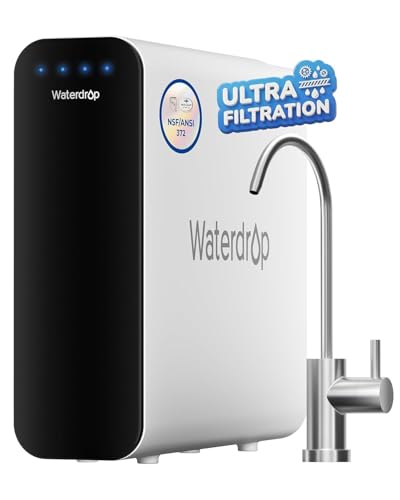
Waterdrop TSU 0.01 Micron Ultra Filtration Under Sink Water Filter System

iSpring RCC7P-BLK 5-Stage Reverse Osmosis System with Booster Pump

American Water Solutions Pro Products Pot Perm Greensand Iron Filter Regenerant

Waterdrop TSA 8 Layer Under Sink Water Filter System, NSF/ANSI 42 Certified

Waterdrop TSB 8 Layer Under Sink Water Filter System with Dedicated Faucet
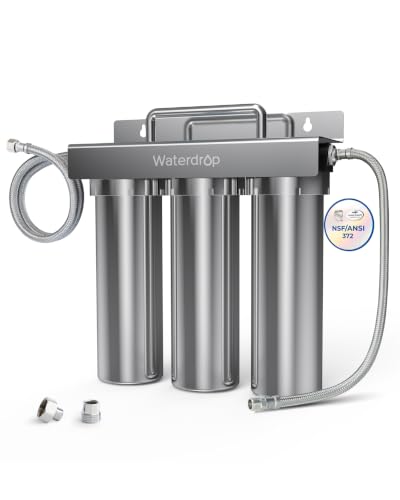
Waterdrop TST-UF 0.01μm Ultra-Filtration Under Sink Water Filter System

Waterdrop TSB-10-CM Under Sink Water Filter System, Reduce Chloramine
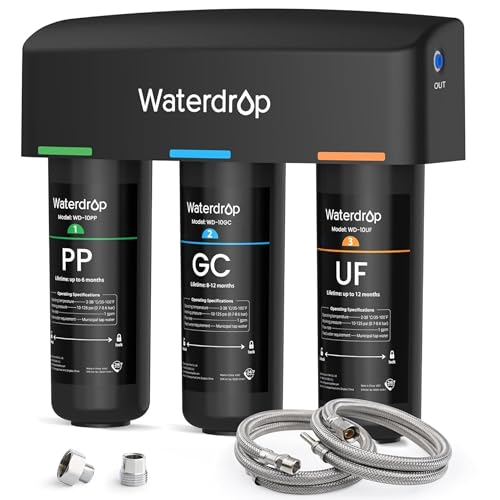
Waterdrop WD-TSA-UF 0.01μm Ultra Filtration Under Sink Water Filter System

Waterdrop TSB-ALK 8 Layer Slightly Alkaline Under Sink Water Filter System

Waterdrop TSB-PF Under Sink Water Filter System, Reduces 80+ Impurities
The Details Behind The Selections
The Waterdrop TSU 0.01 Micron Ultra Filtration Under Sink Water Filter System uses a 0.01-micron ultra-filtration membrane, a fine pore size capable of catching bacteria and most sediment while leaving beneficial minerals in the water. Unlike the iSpring RCC7P-BLK reviewed next, this setup does not reduce total dissolved solids, so you keep minerals like calcium and magnesium. The system targets more than thirty contaminants and produces zero wastewater during operation, a meaningful difference from reverse osmosis setups that flush several gallons for every gallon filtered.
A dedicated filtered faucet comes in the box, which means some countertop drilling is required, but most homeowners finish that step with a standard hole saw. The unit hooks into a standard cold-water line and is built for municipal tap water, so well-water owners should look elsewhere. For renters concerned about permanence, that dedicated faucet is the one part that may complicate moving day, but the under-sink hardware itself stays tidy and out of sight.
Positive Takeaways
- 0.01-micron ultra-filtration catches a wide contaminant range without stripping minerals.
- Zero wastewater means no extra load on the water bill during daily use.
- Three-stage media design extends filter life in typical municipal supply.
- Mineral retention matters for taste and for households preferring non-RO water.
Points To Note
- Countertop drilling for the dedicated faucet can be a hurdle for renters.
- Not suited to hot water lines or well-water supplies.
Feature Snapshot
Whose Counter It Suits Best
Apartment dwellers on municipal water who want cleaner drinking water without the wastewater penalty of reverse osmosis.
Reach For A Different Pick When
Renters who cannot drill a faucet hole should look at the Waterdrop TST-UF, which connects directly without countertop modification.
The iSpring RCC7P-BLK 5-Stage Reverse Osmosis System with Booster Pump takes a different path than the Waterdrop TSU above. Reverse osmosis (RO) forces water through a semi-permeable membrane, stripping nearly all contaminants plus dissolved solids, which is why TDS (total dissolved solids) drops significantly. The five-stage setup layers sediment and carbon prefilters ahead of the RO membrane, then polishes with a post-filter, so output water tastes remarkably neutral.
The built-in booster pump keeps tank pressure steady in homes with low household water pressure, an issue that frustrates owners of passive RO systems. The 304 stainless steel black faucet adds a modern accent, and the top-mounted design simplifies installation since you can replace cartridges without crawling under the sink. Owners planning a separate ice maker connection can add the ICEK kit, though that is sold separately.
Key Advantages
- Booster pump maintains strong performance even on low-pressure lines.
- Five-stage media dramatically lowers TDS for cooking and coffee.
- Stainless steel black faucet resists corrosion in humid under-sink cabinets.
- Top-mount cartridge access simplifies maintenance compared to bottom-load systems.
Trade-Offs To Consider
- RO process generates wastewater, so expect higher water usage.
- Tankless setup may disappoint shoppers wanting stored filtered water on tap.
- Larger footprint needs under-sink cabinet space planning.
Best Suited To
Homeowners seeking the most thorough contaminant removal, especially those with low household water pressure who want a booster built in.
Skip It When
Households wanting to keep beneficial minerals should consider the Waterdrop TSU 0.01 Micron Ultra Filtration Under Sink Water Filter System instead.
The American Water Solutions Pro Products Pot Perm Greensand Iron Filter Regenerant solves a very specific problem that the rest of this list does not really touch. Greensand filters rely on a manganese-coated media to capture iron and manganese from water, and over time that media loses its reactive capacity. Potassium permanganate (the active in this 76-ounce bottle) recharges the greensand bed, converting dissolved iron and manganese back into insoluble oxides that the filter can trap.
This is a maintenance product rather than a complete filtration system, so it pairs with a separate greensand tank rather than sitting inline at your kitchen faucet. Well-water households battling orange staining in sinks or a metallic taste benefit most. If your issue is chlorine odor or sediment from municipal supply, the Waterdrop TSA reviewed below is a better-targeted fit.
Notable Gains
- Restores effectiveness of greensand iron filters without replacement media.
- Converts dissolved iron and manganese into filterable insolubles.
- Free-flow pour makes measured dosing straightforward.
Points To Keep In Mind
- Not a standalone filter, requires a separate greensand tank setup.
- Potassium permanganate handling requires basic safety care.
- Niche use case; irrelevant for municipal water without iron issues.
Who Should Grab It
Well-water owners maintaining an existing greensand iron filter who need periodic regeneration supply on hand.
Where Another Pick Suits Better
City water shoppers looking for everyday drinking filtration should pick the Waterdrop TSA 8 Layer Under Sink Water Filter System instead.
The Waterdrop TSA 8 Layer Under Sink Water Filter System stands out with NSF/ANSI 42 certification, a third-party standard that verifies reduction of chlorine taste and odor, plus particulates. The eight-layer media stack handles sediment, chlorine, and several common chemical contaminants while leaving minerals intact. Compared to the iSpring RCC7P-BLK above, this one avoids reverse osmosis altogether, so there is no wastewater and TDS stays steady.
You connect the TSA to most existing faucets with 1/2-inch or 3/8-inch female NPT (National Pipe Thread) threads, which covers the majority of kitchen taps without major plumbing changes. The system runs on cold municipal water and is not intended for well sources, which is a recurring limitation across this category. Filter cartridges are widely available, and the twist-out design makes replacement a short job.
Positive Points
- NSF/ANSI 42 certification gives third-party confidence in chlorine reduction claims.
- Eight filtration layers handle particulates and chemical taste issues in one unit.
- Standard NPT thread fit works with most kitchen faucets out of the box.
- Mineral retention appeals to drinkers who prefer non-RO water.
Honest Caveats
- Cold-water-only restriction rules out pairing with a hot tap.
- Not designed for well water without a pre-filtration setup.
- Does not reduce TDS, so it is not a substitute for reverse osmosis.
Right Fit For
Municipal water shoppers wanting certified chlorine and taste reduction with a simple twist-on installation.
Not Your Match When
TDS-conscious households seeking a near-total dissolved-solids drop should look at the iSpring RCC7P-BLK reverse osmosis system instead.
The Waterdrop TSB 8 Layer Under Sink Water Filter System with Dedicated Faucet shares its eight-layer media design with the TSA above, but swaps the direct-to-faucet approach for a dedicated dispenser. That separate faucet keeps filtered and unfiltered water clearly separated, which matters in homes where kids might otherwise fill cups from the wrong handle. Installation requires a hole in the countertop or sink deck, much like the Waterdrop TSU.
Replacement cartridges are widely stocked and engineered for quick swap-outs, so most owners handle maintenance without calling a plumber. The same cold-water and municipal-water restrictions apply, so well-water households need a pre-filter first. For shoppers prioritizing a clean visual distinction between filtered and tap water, the dedicated faucet is the main reason to pick this over the TSA.
Well-Handled Touches
- Dedicated filtered faucet prevents accidental unfiltered draw for cooking or drinking.
- Eight-layer media matches the TSA’s broad contaminant approach.
- Quick-change cartridges simplify the routine maintenance cycle.
- Mineral retention suits households avoiding reverse osmosis.
Possible Compromises
- Countertop drilling complicates installation for renters.
- Same cold-water-only and municipal-supply restrictions as the TSA.
Feature Snapshot
Made For
Homeowners who want a dedicated filtered dispenser at the sink and prefer mineral-retaining filtration over reverse osmosis.
Look Elsewhere When
Renters avoiding permanent countertop changes should consider the Waterdrop TST-UF, which installs without drilling.
The Waterdrop TST-UF 0.01μm Ultra-Filtration Under Sink Water Filter System takes the ultra-filtration approach of the TSU at the top of the list but wraps it in a stainless steel housing designed to connect directly to most existing faucets. The 0.01-micron pore size is the same sub-micron threshold, so expect similar removal of bacteria and sediment while keeping calcium and magnesium in the water. Where it diverges from the TSU is the no-drill installation.
The unit uses 1/2-inch or 3/8-inch female NPT threads to mate with most kitchen taps, so it sidesteps the dedicated-faucet drilling that complicates the TSU and TSB. Owners in older homes with non-standard threads may need to reach out to Waterdrop for an adapter. Cold-water-only and municipal-water restrictions continue, the recurring theme across this category, but the stainless steel shell gives the under-sink cabinet a tidier look than plastic housings.
Practical Pluses
- No-drill installation is a real win for renters and short-term residents.
- Stainless steel housing tolerates humid under-sink cabinets longer than plastic.
- Sub-micron pore size catches common bacteria and particulates effectively.
- Mineral retention appeals to drinkers avoiding reverse osmosis.
Worth Noting
- Does not reduce TDS, so it cannot match RO systems for dissolved solids.
- Non-standard faucet threads may require an adapter request.
- Hot-water and well-water compatibility remain absent.
Built With In Mind
Tenants and short-term residents who want sub-micron filtration without committing to a permanent faucet hole.
Swap It Out When
Shoppers wanting the most thorough contaminant removal should move up to the iSpring RCC7P-BLK reverse osmosis system.
The Waterdrop TSB-10-CM Under Sink Water Filter System zeroes in on chloramine, a disinfectant that many utilities have adopted in place of chlorine because it lasts longer in the distribution system. Chloramine is harder to remove than chlorine, which is why standard carbon filters struggle with it, and it can produce a stronger chemical taste that picky drinkers notice immediately. This model adds dedicated catalytic carbon media to handle that specific chemistry.
Like its TSB sibling, it ships with a dedicated filtered faucet, so plan for some countertop work. The cold-water and municipal-water restrictions apply, and the unit does not reduce TDS, so minerals stay put. Shoppers whose main complaint is a chemical swimming-pool taste linked to chloramine will see the most direct benefit.
The Value In It
- Targeted chloramine reduction tackles a contaminant standard carbon filters miss.
- Keeps beneficial minerals in the drinking water.
- Dedicated faucet provides a clear visual line between filtered and tap water.
Some Limits To Know
- Countertop drilling is required for the dedicated faucet.
- Well-water and hot-water use are not supported.
- Narrow contaminant focus makes it less universal than broader systems.
Feature Snapshot
Who Will Love This
Municipal water households where chloramine, not chlorine, is the main taste and odor complaint.
Where A Sibling Pick Shines
Homeowners wanting broader PFAS and fluoride coverage should consider the Waterdrop TSB-PF reviewed below.
The Waterdrop WD-TSA-UF 0.01μm Ultra Filtration Under Sink Water Filter System blends the TSA family’s direct-to-faucet installation with the 0.01-micron ultra-filtration media seen in the TST-UF. The result is a filter that drops into most existing kitchen taps without a dedicated faucet, which makes it a friendly upgrade for anyone replacing an aging filter. Mineral retention continues to be the headline here, just like with the rest of the ultra-filtration lineup.
Standard 1/2-inch and 3/8-inch female NPT threads cover the common thread sizes, and Waterdrop supplies adapters for quick-connect faucets if your existing tap does not match. Cold-water-only operation is the recurring limitation in this category, so hot-line tie-ins are out. Owners in well-water regions still need a pre-filtration system to handle sediment and mineral load before this unit.
Where It Helps
- Sub-micron filtration without a dedicated faucet installation.
- Mineral retention suits households preferring non-RO drinking water.
- Standard NPT thread fit matches most kitchen taps out of the box.
Minor Gripes
- Does not reduce TDS, so RO shoppers should look elsewhere.
- Cold-water restriction limits placement options under the sink.
The Right Fit
Homeowners replacing an older direct-connect filter who want a sub-micron upgrade without drilling a new faucet hole.
A Better Fit Elsewhere
Households targeting PFAS specifically should consider the Waterdrop TSB-PF instead.
The Waterdrop TSB-ALK 8 Layer Slightly Alkaline Under Sink Water Filter System introduces an alkaline remineralization stage to the standard eight-layer media stack. After filtration, water passes through mineral media that raises pH modestly and adds back trace minerals, which some drinkers prefer for taste and mouthfeel. Compared to the TSB reviewed earlier, the ALK version targets the same broad filtration but adjusts the finish of the water.
A dedicated filtered faucet is part of the package, so countertop drilling is part of the install. The unit is designed for municipal cold water and does not reduce TDS, similar to the rest of the TSB line. For shoppers who find neutral RO water flat and prefer a touch of mineral character, this is a useful middle path.
Practical Advantages
- Alkaline remineralization stage adjusts pH and adds trace minerals.
- Eight-layer media stack handles a wide range of common contaminants.
- Dedicated faucet separates filtered water visually.
- Quick-change cartridges keep maintenance short.
Factors To Consider
- Countertop drilling is required for the dedicated faucet.
- Alkaline output may not suit drinkers who want strictly neutral water.
Perfect Match For
Taste-focused households who want mineral character without committing to a full reverse osmosis setup.
Consider Something Else When
Drinkers wanting the absolute broadest contaminant reduction should consider the Waterdrop TSB-PF reviewed next.
The Waterdrop TSB-PF Under Sink Water Filter System uses a nine-layer media stack with MicroSpine technology and KDF (a copper-zinc redox media) to address a broad list of contaminants. PFAS (per- and polyfluoroalkyl substances, often called “forever chemicals”), PFOA and PFOS, chlorine, chloramine, fluoride, VOCs (volatile organic compounds), and chloroform all sit on the target list, and the unit claims eighty-plus reductions. Third-party lab testing backs the listed contaminants, and the filter leaves beneficial minerals and TDS in place.
A dedicated filtered faucet comes in the box, and installation uses quick-connect fittings that fit standard cold-water lines. Filter swaps reportedly take only a few seconds thanks to the twist-out design, and the system runs on municipal cold water only. For shoppers worried specifically about PFAS exposure and wanting broad coverage without reverse osmosis, this is the most targeted option in the list.
Where It Delivers
- Targets PFAS, PFOA, and PFOS, three of the most discussed “forever chemicals.”
- Nine-layer media handles chlorine, chloramine, fluoride, and VOCs in one pass.
- Mineral and TDS retention avoids the flat taste common with reverse osmosis.
- Quick-connect fittings and twist-out cartridges simplify routine maintenance.
Trade-Offs To Consider
- Countertop drilling required for the dedicated faucet.
- Cold-water and municipal-supply restrictions continue.
- Replacement filter sourcing should be confirmed before purchase.
Feature Snapshot
Who Should Grab It
PFAS-conscious households wanting broad contaminant coverage without committing to a full reverse osmosis system.
Where Another Pick Suits Better
Renters who cannot drill a countertop should pick the Waterdrop TST-UF, which installs directly onto the existing faucet.
What Matters Most Before Choosing Under Sink Filtration System
Filtration type sets the foundation. Ultra-filtration at 0.01 microns catches bacteria and sediment while leaving minerals intact, which suits most municipal supplies where taste and odor, not dissolved solids, are the main complaints. Reverse osmosis strips much more, including TDS, but generates wastewater and tends to need a tank or booster pump. Match the technology to your water complaint: chloramine calls for catalytic carbon, iron and manganese call for greensand with potassium permanganate regeneration, and PFAS call for multi-layer media with KDF or activated carbon blocks.
Installation footprint matters more than spec sheets suggest. Units with a dedicated filtered faucet require a hole in the countertop or sink deck, a step renters and short-term residents should avoid. Direct-to-faucet models connect to existing threads, usually 1/2-inch or 3/8-inch female NPT, and skip the drilling step. Cold-water-only operation is essentially universal in this category, so plan line placement accordingly, and confirm well-water compatibility if that is your supply.
Maintenance reality sets long-term ownership cost. Twist-out cartridges keep routine swaps short, while bottom-load designs can mean crawling under the sink. Filter lifespan depends on incoming water quality and household usage, so stocking replacement cartridges ahead of schedule avoids the dreaded “ran out and forgot to reorder” gap. Stainless steel housings handle humid under-sink cabinets better than plastic, a small detail that pays off over years of ownership.
Key Considerations Across These Picks
Pitfalls Shoppers Hit
Most buyers underestimate the countertop drilling question. Pick a direct-to-faucet model like the Waterdrop TST-UF if you rent or plan to move within a couple of years. Another common miss is ignoring the cold-water-only limitation; hot-water line tie-ins are not supported across nearly every model in this category, so under-sink placement near the cold supply line is the practical move.
Where The Extra Money Goes
Higher-tier models earn their cost through booster pumps for low-pressure homes, NSF/ANSI certifications for verified reductions, and multi-layer media that tackles stubborn contaminants like PFAS and chloramine. Stainless steel housings and quick-change cartridges also tend to live in the premium tier. The upgrade pays off most in homes with known water-quality complaints, since targeted media outperforms broad claims for specific problems.
Frequently Asked Questions
How often do cartridges need changing in an under sink filtration system?
Most cartridges in this category run six to twelve months under typical municipal use, though households with heavy cooking and drinking water consumption may hit the shorter end of that range.
Will an under sink filtration system reduce TDS?
Only reverse osmosis systems, like the iSpring RCC7P-BLK, drop TDS significantly. The ultra-filtration and carbon-based units in this list are designed to leave beneficial minerals in place.
Can renters install an under sink filtration system without drilling?
Direct-to-faucet models such as the Waterdrop TST-UF connect to standard threads without modifying the countertop, making them the cleanest option for renters.
Do these filters work with well water?
Most units in this roundup target municipal tap water and recommend a pre-filtration system for well sources. Well-water owners dealing with iron should also consider the greensand regenerant reviewed above.
Is a dedicated filtered faucet necessary?
A dedicated faucet provides a clear visual separation between filtered and unfiltered water, but it adds a drilling step. Direct-to-faucet models skip that requirement by routing filtered water through the existing kitchen tap.
Closing Remarks
The right under-sink filtration system comes down to your water complaint, your kitchen layout, and your tolerance for installation work. Renters and short-term residents land naturally on direct-to-faucet models, while homeowners chasing broader contaminant coverage find the most value in multi-layer media units. Whatever route you take, confirming filter availability and cold-line placement before ordering saves a frustrating weekend.