Clean drinking water shows up in more places than most people think, and the gear to get it varies just as much. The right filter for a weekend backcountry trip looks nothing like the one a homeowner wants tucked under a kitchen sink. This roundup walks through ten solid picks across personal straws, gravity-fed camp systems, under-sink units, and countertop gravity filters, so you can match a setup to the way you actually use water.
A Fast Comparison Of The Options

Practical Survival 5 High-Capacity Emergency Water Straws

Practical Survival Gravity Water Filtration System with Hanging Bags

Practical Survival Reusable Emergency Water Filter Straws, 2-Pack
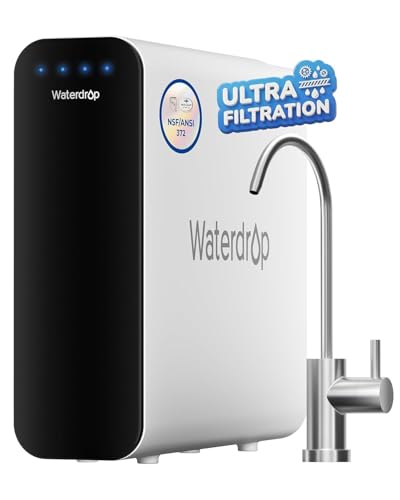
Waterdrop TSU 0.01 Micron Ultra Filtration Under Sink Water Filter System

Waterdrop 10UB Under Sink Water Filter System with Dedicated Faucet

iSpring US31-NC 3-Stage Under Sink Water Filter System with Faucet

Waterdrop TSA 8 Layer Under Sink Water Filter System, NSF/ANSI 42 Certified

Waterdrop TSB 8 Layer Under Sink Water Filter System, with Dedicated Faucet
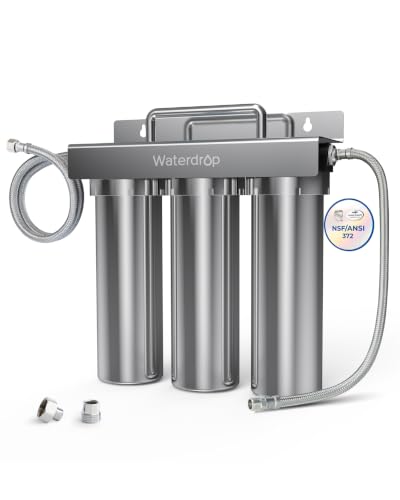
Waterdrop TST-UF 0.01μm Ultra-Filtration Under Sink Water Filter System

Royal Berkey 3.25 Gal Gravity Water Filter System with BB9-2 Filters
A Deeper Look At The Lineup
When a water source is just a creek, a pond, or even a questionable tap abroad, the Practical Survival 5-pack puts five personal straws in your kit. Each unit is a hollow-fiber membrane filter (a tube of tiny porous fibers that physically strain out bacteria and parasites as you sip) rated to roughly 1,800 gallons before it gives out, which is years of personal use for most people. You drink straight through the straw like a thick drinking straw, no pumping or batteries required.
The five-pack matters more than it sounds. A solo hiker can stash one in a daypack, leave one in the car, and drop another in a home emergency bin. Compared with the Practical Survival 2-pack covered later, this version spreads coverage across more people or more stashes without much weight gain, since each straw still weighs about 2 ounces and measures around 8 inches long.
The Helpful Details
- Five straws cover a household kit, a group trip, or multiple gear caches.
- 1,800-gallon per-straw rating means a single unit can outlast years of backcountry use.
- 2-ounce weight and 8-inch length fit in hydration pockets, glove boxes, and MOLLE webbing.
- Sipping is intuitive: no pumping, no priming, no batteries to babysit.
- Storing extras means a friend can drink safely if you hand over a straw mid-trip.
Things To Consider
- Requires physical suction, so children or anyone with weak sip strength may struggle.
- Not built for filtering large volumes for cooking; better as a personal drinking tool.
Key Specs
Who It Suits Best
Group campers, emergency-prep households, and anyone building a go-bag for natural disasters.
A Better Fit Elsewhere
Solo hikers who want a lighter backup should consider the Practical Survival Reusable Emergency Water Filter Straws 2-Pack, which covers the same use case with less pack weight.
Once a camp kitchen needs real volume for cooking and washing, sipping through a straw gets old fast. The Practical Survival Gravity Water Filtration System flips that equation: fill a dirty-water bag, hang it above a clean-water bag, and let gravity push water through a hollow-fiber filter (a bundle of straw-like tubes whose pore size blocks bacteria and parasites). You walk away and come back to finished drinking water.
The kit ships with both the dirty and clean reservoirs, the inline filter, and a cleaning plunger to backflush the membrane when flow slows. Compared with the straw pick above, this is the right tool when one or two people in camp drink liters at a time, or when you need filtered water for rehydrating freeze-dried meals.
Positive Takeaways
- Hang-and-forget operation frees you to do camp tasks while water filters.
- Filters bacteria, parasites, and microplastics down to 0.1 micron (a unit equal to one-millionth of a meter, used to size particles the membrane blocks).
- Cleaning plunger extends filter life by clearing clogged fibers in the field.
- Two bags let you stage dirty and clean water at the same time.
Worth Noting
- Needs a stable hang point, which rules out dense forest or open alpine camps.
- Throughput depends on water temperature; very cold water filters noticeably slower.
Made For
Car campers and basecamp cooks who need liters of drinking and cooking water without manual pumping.
Skip It When
You travel solo and only need personal sips, in which case the Practical Survival 5 High-Capacity Emergency Water Straws will weigh less and pack smaller.
The 2-pack version of the Practical Survival straw exists for people who want one filter for the trail and one to leave behind. Each straw uses the same hollow-fiber membrane and the same 8-inch, 2-ounce body as the 5-pack, so the experience is identical. What changes is the count: two straws instead of five.
For solo day hikers, two straws cover the common case of one in the pack and one in a vehicle or a partner’s bag. It is also the more economical pick when you do not need a full household kit. Owners commonly report that the second straw becomes a backup when the first slows from heavy silt.
Why It Works Well
- Light enough that carrying two barely registers on a daypack scale.
- Same 0.1-micron-class bacteria and parasite reduction as the larger Practical Survival kits.
- Reusable design supports backflushing, so a single straw lasts a long time.
Points To Keep In Mind
- Only two straws means a third party on a trip goes without a personal filter.
- Sipping still takes effort, so it is not ideal for users with low lung power.
Best Suited To
Solo hikers and couples who want a compact, no-fuss filter for day trips and weekend overnights.
Where Another Pick Suits Better
Families or group leaders should look at the Practical Survival 5 High-Capacity Emergency Water Straws, which spreads coverage to more people at a similar per-straw cost.
Once the conversation moves indoors, under-sink filters take over from portable gear. The Waterdrop TSU is a 3-stage unit (water passes through three separate filter cartridges in sequence, each catching different contaminants) that installs on the cold-water line and pushes finished water through a dedicated faucet. The 0.01-micron ultrafiltration membrane is finer than a sediment cartridge but does not strip dissolved minerals, so calcium and magnesium stay in the glass.
What separates the TSU from the other Waterdrop models in this list is its flexibility on faucet. The dedicated faucet included in the box requires drilling a small hole in the countertop or sink rim, which makes it a better fit for a kitchen you own and are willing to modify. Compared with the Waterdrop 10UB covered next, you trade some cost for a deeper filter media stack.
Useful Touches
- Mineral retention keeps tap water tasting like tap water, not flat.
- Three-stage design targets different contaminant classes at each step.
- Produces no wastewater, unlike reverse osmosis (a process that forces water through a membrane and flushes rejected contaminants down the drain).
- Twist-out cartridges simplify biannual filter swaps.
Trade Offs
- Requires drilling a dedicated faucet hole, which is a poor fit for renters.
- Not rated for well water, so it needs a pre-filter in some regions.
Feature Snapshot
Right Fit For
Homeowners with municipal water who want filtered drinking water without removing healthy minerals.
Look Elsewhere When
Renters who cannot drill should consider the Waterdrop 10UB Under Sink Water Filter System, which uses an existing faucet and skips the countertop modification.
The 10UB is Waterdrop’s entry into the dedicated-faucet category, and it is the most budget-friendly under-sink pick in this lineup. It uses a multistage filter cartridge to reduce chlorine, sediment, and a wide range of common contaminants while leaving beneficial minerals in the water. The dedicated faucet mounts through a standard hole, so installation looks like any other filtered tap.
Where the 10UB differs from the TSU above is in filter depth. You get fewer media layers, which often means lower replacement cost and slightly faster flow. If you do not have a stubborn contaminant problem and just want better-tasting drinking water, the 10UB typically covers it. Replacement cartridges are widely listed and reasonably priced.
Where It Delivers
- Lower upfront cost than most dedicated-faucet under-sink systems.
- Replacement filters are common and easy to source, which keeps long-term cost in check.
- Multistage media addresses taste, odor, and sediment in one cartridge.
A Few Limitations
- Not designed for well water; pretreatment is required in high-iron or hard-water regions.
- Fewer media layers than the 8-stage TSA or TSB picks, so stubborn contaminants may slip through.
Who Should Grab It
First-time under-sink filter shoppers and renters with a drillable counter who want a simple, lower-cost install.
Another Choice May Suit
If you want deeper media and broader contaminant reduction, the Waterdrop TSA 8 Layer Under Sink Water Filter System steps up to 8 stages in a similar form factor.
iSpring brings something the Waterdrop units in this roundup do not: dedicated chloramine reduction (chloramine is a chlorine-and-ammonia disinfectant used by some municipal plants that regular carbon blocks often miss). The US31-NC pairs an FP15 sediment cartridge with an FC15 catalytic carbon block (carbon treated to trigger chemical reactions that break down chloramine), and the system is third-party tested to NSF/ANSI 42 standards (a public-health certification covering material safety and chlorine reduction).
For households on chloraminated municipal water, that single detail often decides the choice. The 3-stage design also gives the system a year of typical use before cartridge swaps, which lines up with most filter replacement reminders. The included dedicated faucet installs like any standard under-sink filtered tap.
Key Advantages
- Targets chloramine, which most carbon-only filters leave largely untouched.
- Third-party certifications give you independent verification rather than just marketing claims.
- Long service interval keeps maintenance a once-per-year chore for many households.
Honest Caveats
- Replacement cartridges cost more than basic carbon blocks, which adds up over years.
- Not designed for well water, so private wells need a different setup.
Perfect Match For
Suburban households on chloraminated municipal water who want independent certification behind their filter claims.
Not Your Match When
You want a no-drill install, in which case the Waterdrop TST-UF 0.01μm Ultra-Filtration Under Sink Water Filter System connects to your existing faucet with standard fittings.
The TSA is where Waterdrop stacks the most media into a single cartridge. Eight layers of filtration compress sediment, chlorine, and a long list of common contaminants into one housing, which simplifies the under-sink box. NSF/ANSI 42 certification (an independent standard covering chlorine, taste, and odor reduction) gives you documented performance rather than just spec-sheet promises.
Like the TSU covered earlier, the TSA uses a 0.01-micron-class membrane that does not strip healthy minerals. It does not include a dedicated faucet in the box, so it ties into your existing tap through a quick-connect fitting (a push-fit coupling that snaps onto standard 1/2-inch or 3/8-inch faucet threads without tools). For most people, that means a 15-minute install with no countertop drilling.
Everyday Wins
- Single-cartridge design with 8 stacked media layers cuts down on housing clutter.
- Independent certification covers chlorine, taste, and odor reduction.
- No-drill install works well in apartments and rental kitchens.
- Mineral retention preserves the taste of municipal tap water.
Where It Is Less Suited
- Quick-connect fitting may not match all faucet styles, so adapter checks matter before purchase.
- Single cartridge means a single replacement cost lands in full rather than spread across stages.
Whose Shelf It Belongs On
Long-term homeowners and renters on municipal water who want a single, certified, no-drill solution.
Reach For A Different Pick When
You specifically want a separate filtered tap, in which case the Waterdrop TSB 8 Layer Under Sink Water Filter System adds a dedicated faucet to the same 8-stage media stack.
Take the TSA’s 8-stage media and add a dedicated faucet, and you get the TSB. This is the pick for households that prefer filtered water to live on its own tap rather than sharing the main kitchen faucet. Installation is similar to other dedicated-faucet systems, with a small countertop hole drilled for the new tap.
The 3-stage system retains the same mineral-friendly 0.01-micron-class membrane found in the TSU. What you pay extra for over the TSA is convenience: a clearly labeled filtered tap means nobody in the household accidentally drinks unfiltered water, and you can run hot pans under the main tap without worrying about wasting the filter cartridge. Owners commonly report that dedicated filtered taps become the default glass-fill within a week of install.
Benefits That Matter
- Separate tap removes any confusion about which water is filtered.
- Eight-layer media compresses multiple filter types into one housing.
- Mineral retention supports the taste people expect from municipal water.
Possible Compromises
- Requires drilling a hole, which is a deal-breaker for renters with strict counters.
- Single-cartridge replacement means a higher one-time cost when swaps come due.
Who Will Love This
Homeowners who want a polished, dedicated filtered tap and prefer a single-cartridge setup under the sink.
Where A Sibling Pick Shines
Renters and drill-free kitchens should look at the Waterdrop TSA 8 Layer Under Sink Water Filter System, which uses the existing faucet instead.
Where most under-sink filters hide in plastic housings, the TST-UF lives in a stainless steel shell that looks at home next to modern faucets. Beyond aesthetics, that steel housing resists corrosion and dings better than plastic, which matters in tight sink cabinets where bottles and cleaners bump around. The 0.01-micron ultrafiltration membrane blocks the usual suspects while letting minerals through.
Installation skips the dedicated faucet entirely. The unit connects to the existing cold-water line and a standard 1/2-inch or 3/8-inch faucet thread, which is the same approach the TSA uses. Compared with the TSB covered above, you trade the separate filtered tap for a sturdier housing and a simpler install path.
Practical Advantages
- Stainless steel housing stands up to the rough environment under a sink.
- No-drill install suits renters and second kitchens.
- 0.01-micron membrane handles chlorine, taste, and odor without removing minerals.
Some Limits To Know
- Higher price than the plastic-housed Waterdrop models in this list.
- Quick-connect compatibility depends on the existing faucet thread, so check before purchase.
Quick Facts
Built With In Mind
Style-conscious homeowners and renters who want a durable, no-drill install that does not look industrial under the sink.
Swap It Out When
You specifically want a separate filtered tap, in which case the Waterdrop TSB 8 Layer Under Sink Water Filter System delivers that experience with a plastic housing at a lower price.
The Royal Berkey is a countertop gravity system in a different weight class. Two stainless steel chambers sit one above the other, with BB9-2 filter elements in between. You pour water into the top chamber, gravity pulls it through the filters, and clean water collects in the bottom chamber, ready to dispense through a spigot. The 3.25-gallon capacity is sized for households of roughly 2 to 4 people.
What makes the Royal Berkey a heavy-duty pick is its independence from plumbing. No supply line, no drain, no electricity. That makes it a strong fit for off-grid homes, cabins, RVs, and households that want a backup plan if municipal service goes down. Compared with the under-sink units in this list, the Berkey lives on the counter and does not need any installation tools.
Where It Excels
- No plumbing or drilling required, which suits renters, off-grid homes, and emergency prep.
- 3.25-gallon capacity handles daily drinking and cooking for small households.
- Stainless chambers resist rust and stand up to years of regular use.
Worth Bearing In Mind
- Counter footprint is real, so it needs a dedicated spot that does not block the workspace.
- Filters are an ongoing cost, and replacement intervals depend on source-water quality.
The Numbers That Matter
Who It Suits Best
Off-grid households, small families, and emergency-preparedness shoppers who want high-volume filtered water without touching the plumbing.
Not Your Match When
Counter space is tight, in which case the Waterdrop TSA 8 Layer Under Sink Water Filter System hides entirely below the sink and frees the counter for daily use.
Picking The Right Type Of Water Filtration System For Your Situation
The “best” filter depends on where the water comes from and where you are when you drink it. Portable straw filters like the Practical Survival 5-pack and 2-pack are built for personal use from natural water sources. Gravity-fed systems like the Practical Survival hanging-bag kit and the Royal Berkey cover camp kitchens and small households with batch volumes. Under-sink units from Waterdrop and iSpring target municipal tap water in a permanent install.
Source Water Drives The Choice
Surface water from streams, lakes, and ponds needs protection against bacteria and parasites, which is what hollow-fiber membranes target. Municipal tap water is usually already disinfected, so the priority shifts to chlorine, chloramine, and taste. Well water sits in its own category, with iron, hardness, and sediment often requiring a pre-filter that none of the picks in this roundup cover.
Portability Versus Capacity
Straws and small gravity bags are the right answer when ounces and inches matter. Under-sink and countertop gravity systems win when liters per day are the real demand. A 3.25-gallon Berkey produces finished water for an entire household, while a single straw makes a single glass at a time.
Install And Ownership Realities
Under-sink filters split into two camps: dedicated faucet and no-drill. Dedicated faucets look polished but require a hole, which is a deal-breaker for many renters. No-drill quick-connect units tie into the existing tap and typically take 15 to 30 minutes to install. Filter replacement intervals, cartridge cost, and NSF or third-party certifications all affect long-term ownership more than the initial purchase decision.
Key Considerations Across These Picks
Common Slip-Ups When Choosing A Filter
The most frequent mistake is matching a filter to the wrong water source. Straws and gravity filters built for backcountry water are not designed for tap water chemistry, and under-sink units built for municipal water do not handle well-water conditions. Confirming the source water before purchase prevents most disappointment. Another slip is ignoring filter replacement cost, which over a five-year span often outpaces the initial price of the unit.
What The Higher Tier Buys
The jump from a basic under-sink system to a premium pick usually means more media layers, third-party certification, or a sturdier housing. Eight-stage cartridges address a broader list of contaminants than three-stage designs, and stainless housings outlast plastic over years of sink-cabinet use. For households with stubborn taste or odor issues, the upgrade is usually worth it. For light municipal use, the entry-level picks often perform very similarly.