

A power outage used to mean flashlights and a half-charged phone. Now it means the fridge warming up, the sump pump going quiet, and the Wi-Fi router dying right when you need it most. Tri-fuel generators run on gasoline, propane, or natural gas, which gives you flexibility when one fuel is hard to find. This list covers options for whole-home backup, RV trips, and quiet weekend use, so you can match wattage, runtime, and noise to your situation.
The Essentials At A Glance

Westinghouse 14500 Peak Watt Tri-Fuel Home Backup Portable Generator

Westinghouse 13500 Peak Watt Tri-Fuel Home Backup Portable Generator

Westinghouse 12500 Watt Dual Fuel Home Backup Portable Generator
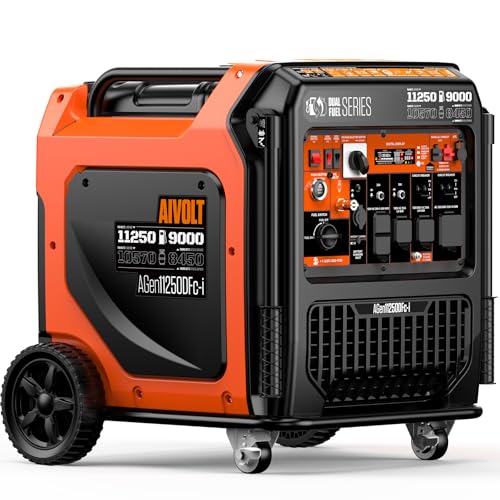
AIVOLT 11250W Dual Fuel Inverter Generator 50A

Honda EB2200i 2200 Watt Inverter Generator

Honda EB5000 5000 Watt Quiet Generator

Westinghouse 12000 Peak Watt Tri-Fuel Inverter Generator
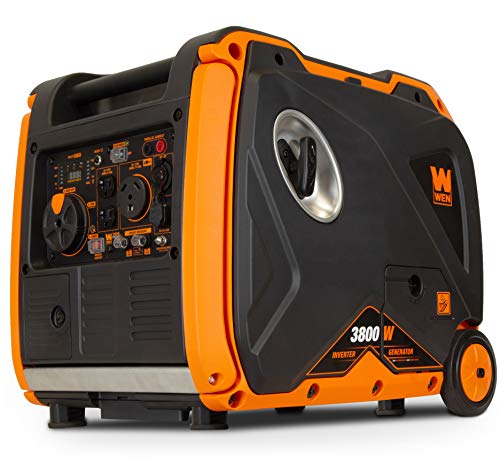
WEN 3800-Watt RV-Ready Inverter Generator (56380i)

AIVOLT 4300W Dual Fuel Inverter Generator
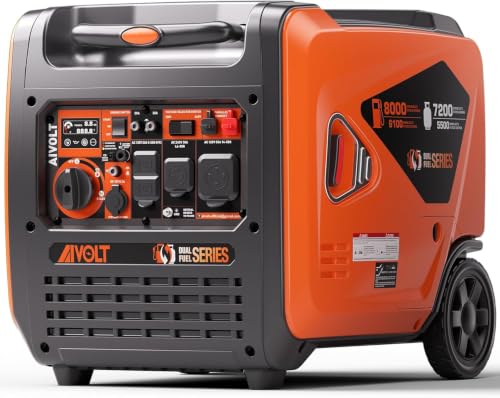
AIVOLT 8000W Dual Fuel Inverter Generator
The Strengths Of Each Pick
When the grid drops and the house has a well pump, electric range, and a window AC all wanting attention at once, wattage matters more than anything else. The Westinghouse 14500 Peak Watt Tri-Fuel Home Backup Portable Generator is built for that scale of outage, with a 550cc OHV engine (an overhead-valve design common in portable power) that produces serious starting watts on gasoline.
Unlike the smaller dual-fuel options later in this list, this one runs on natural gas too, so homes with an existing gas line can keep running without refueling. The remote electric start is genuinely useful during a storm, when stepping outside into rain to yank a cord is the last thing you want to do.
Good Reasons To Consider
- Highest peak wattage on this list at 14,500, enough to start most central AC compressors alongside other loads
- Tri-fuel capability means you can pivot between gasoline, propane, and a household natural gas line
- 9.5-gallon fuel tank supports long runtimes between fill-ups during multi-day outages
- Cast iron engine sleeve tends to hold up well across years of seasonal use
- Transfer switch ready, so an electrician can wire it into your home panel cleanly
Things To Consider
- Heavier and louder than inverter models, so placement away from bedrooms and neighbors matters
- You may find the size awkward to move solo; a wheeled kit helps
Built With In Mind
Large households in regions with frequent multi-day outages who want whole-home coverage from a single portable unit.
Swap It Out When
Noise and size are dealbreakers, in which case the Westinghouse 12000 Peak Watt Tri-Fuel Inverter Generator keeps things quieter with similar fuel flexibility.
The 13500 Peak Watt Tri-Fuel Home Backup Portable Generator sits in a comfortable middle spot. It uses a 500cc OHV engine with the same 9.5-gallon tank as its bigger sibling above, so you trade a bit of surge capacity for slightly easier handling. For most suburban homes with a transfer switch already wired, that trade feels right.
Tri-fuel flexibility is the headline feature here. You can run it on gasoline for maximum output, swap to propane for cleaner storage, or tie into natural gas during long winter storms when fuel deliveries stall.
The Upside
- 13,500 peak watts handles central air and well pumps together in most homes
- Tri-fuel flexibility gives you options when one fuel source dries up
- Same 9.5-gallon tank as the larger Westinghouse, supporting long stretches between refills
- Remote electric start avoids fumbling with a recoil cord in poor weather
Worth Noting
- Still a traditional open-frame design, so expect open-frame noise rather than inverter quiet
- Natural gas output drops compared to gasoline, so size loads accordingly
Made For
Suburban homeowners with a transfer switch who want tri-fuel peace of mind without the absolute largest footprint.
Look Elsewhere When
You need inverter-grade clean power for sensitive electronics, in which case the Westinghouse 12000 Peak Watt Tri-Fuel Inverter Generator is the better fit.
Not everyone has a natural gas line, and for those households, tri-fuel capability becomes wasted overhead. The Westinghouse 12500 Watt Dual Fuel Home Backup Portable Generator trims that down to gasoline and propane while keeping the same 12,500-watt surge capacity that covers most home essentials.
The 457cc engine is smaller than the tri-fuel units above, which means less weight to wrestle onto a truck bed. Owners commonly appreciate that it still pairs with a transfer switch for clean whole-home backup.
Positive Takeaways
- Dual-fuel design avoids the natural gas hookup complexity
- Remote electric start makes storm-day startup painless
- Transfer switch ready for straightforward professional installation
- Lighter than the tri-fuel Westinghouse units at similar wattage
Honest Caveats
- 6.6-gallon tank means shorter runtime windows than the 9.5-gallon tri-fuel units
- Still a traditional open-frame generator, so it won’t suit noise-sensitive neighborhoods
- Cast iron sleeve engines benefit from periodic oil changes even with light seasonal use
Best Suited To
Homeowners without natural gas access who want Westinghouse reliability at a lower capacity ceiling.
Where A Sibling Pick Shines
You want longer runtime between fills, in which case the Westinghouse 13500 Peak Watt Tri-Fuel Home Backup Portable Generator stretches that further.
Inverter generators (units that produce clean, stable sine-wave power safe for electronics, unlike traditional generators) usually top out around 4,000 to 5,000 watts. The AIVOLT 11250W Dual Fuel Inverter Generator breaks that ceiling, delivering 11,250 starting watts on gasoline while still cleaning power for laptops and home office gear.
That combination makes it interesting for RV owners with residential fridges and people who want a quieter neighborhood footprint. A 50-amp RV outlet is built in, so food trucks and big motorhomes plug in directly without adapters.
What Earns Its Place
- 11,250W surge on gasoline covers whole-home circuits without open-frame noise
- Clean inverter output safe for computers, TVs, and modern appliances
- 50A RV outlet supports large motorhomes and food trucks natively
- ATS compatible (Automatic Transfer Switch, a panel device that switches your home to generator power when the grid fails) for hands-free backup
Trade Offs
- Heavier than smaller inverter units, so storing it on a garage shelf gets awkward
- Fuel consumption rises noticeably at full load compared to economy modes
Quick Facts
Right Fit For
RV owners and homeowners who want inverter-clean output at wattage levels most inverters can’t reach.
A Better Fit Elsewhere
Portability matters more than wattage, in which case the AIVOLT 4300W Dual Fuel Inverter Generator trades capacity for easier transport.
The Honda EB2200i sits at the opposite end of the spectrum from the Westinghouse heavyweights. At 2,200 watts, it won’t run a house, but it will quietly keep a fridge cycling, charge phones, and power a CPAP machine during a blackout. Campers have relied on this size class for years for good reason.
Honda’s inverter design runs in the 48 to 57 dBA range, quieter than most window air conditioners. For apartment balconies or quiet campgrounds, that low footprint matters more than raw wattage.
A Few Strong Suits
- Exceptionally quiet operation suitable for camping and noise-restricted areas
- Honda inverter technology delivers clean power for sensitive electronics
- Lightweight enough to carry to a tailgate or picnic spot without strain
- Parallel capable, meaning two units can be linked to double output
Points To Keep In Mind
- 2,200W won’t run central air, electric ranges, or most whole-home setups
- Single-fuel (gasoline only), so no propane or natural gas flexibility
Who Should Grab It
Campers, apartment dwellers, and anyone who wants quiet backup for essentials rather than whole-home coverage.
Not Your Match When
You need to power heavy household loads, in which case the Westinghouse 14500 Peak Watt Tri-Fuel Home Backup Portable Generator steps up to the plate.
The Honda EB5000 lands in contractor territory. It produces 5,000 running watts with a brief 7,000-watt surge window to start motors up to about 3 horsepower. For workshop tools, well pumps, or small job sites, that headroom comes in handy.
Honda’s iAVR (Intelligent Automatic Voltage Regulation) keeps voltage steady under varying loads, which protects the tools you plug into it. The 63 to 65 dBA operating range is quieter than many comparably sized contractor generators, though louder than the inverter models.
Useful Strengths
- 5,000W running capacity with 7,000W brief surge window for motor startups
- iAVR voltage regulation protects sensitive tool electronics under load
- 120/240V output supports both standard household and heavier equipment
- Honda build quality tends to deliver long service life with proper maintenance
Things To Consider
- Single-fuel (gasoline only) limits fuel flexibility during long outages
- Heavier than inverter units in this wattage range
Feature Snapshot
Whose Shelf It Belongs On
Contractors, workshop owners, and homeowners with heavier tools who value Honda’s reputation for longevity.
Reach For A Different Pick When
You need RV-ready outlets and quiet operation, in which case the AIVOLT 4300W Dual Fuel Inverter Generator fills a similar role with less noise.
Traditional tri-fuel generators produce plenty of power but run rough on sensitive electronics. The Westinghouse 12000 Peak Watt Tri-Fuel Inverter Generator solves that with less than 3% THD (Total Harmonic Distortion, a measure of electrical noise that can confuse chargers and computer gear), which keeps laptops, TVs, and modern refrigerators happy.
At 64 dBA in eco mode, it lands closer to a loud conversation than a chainsaw. For homeowners with transfer switches and electronics-heavy offices, that combination of tri-fuel flexibility and clean output is hard to match.
Bright Spots
- Under 3% THD output is safe for computers, TVs, and modern appliances
- Tri-fuel capability covers gasoline, propane, and natural gas scenarios
- Parallel capable to combine units for higher output
- CO sensor adds a layer of carbon monoxide safety in enclosed areas
Small Caveats
- Higher upfront cost than non-inverter tri-fuel alternatives of similar wattage
- Cooling airflow around the unit needs clearance, which limits placement near walls
Perfect Match For
Homeowners with home offices and modern electronics who want tri-fuel flexibility without sacrificing power quality.
Consider Something Else When
Wattage is your only concern and electronics aren’t sensitive, in which case the Westinghouse 14500 Peak Watt Tri-Fuel Home Backup Portable Generator delivers more raw output.
The WEN 56380i sits in that sweet spot for tailgaters and weekend RVers. At 57 dBA at quarter load, it runs quieter than a window AC, which keeps campground neighbors on your side. The 212cc engine is small enough to lift without a second person, but big enough to push 3,800 surge watts.
Compare that to the larger AIVOLT 4300W covered earlier; the WEN trades a bit of capacity for a lighter frame and a longer track record in this size class. The fuel shut-off feature helps prevent carburetor issues during storage between trips.
Positive Points
- RV-ready outlets plug into travel trailers without adapters
- 57 dBA operation at quarter load stays campground-friendly
- Fuel shut-off protects the carburetor during off-season storage
- Electric start removes the recoil hassle on cold mornings
Less Ideal Details
- Single-fuel design, no propane or natural gas option
- 3,800W won’t support central AC or large window units
Who It Suits Best
RV travelers, tailgaters, and homeowners who want a portable backup for essentials rather than the whole house.
Skip It When
You need whole-home coverage, in which case the Westinghouse 12500 Watt Dual Fuel Home Backup Portable Generator moves into that territory.
At 64 pounds with built-in wheels and a telescoping handle, the AIVOLT 4300W is built for people who actually move their generator. The 53 dB rating puts it in quiet-conversation territory, which is a noticeable step below most open-frame units in this wattage range.
Remote start from the included key fob is a small luxury that earns its keep when the generator sits at the back of an RV. The 30A outlet handles most RV air conditioners and microwaves without juggling adapters.
What Works In Its Favor
- Lightweight 64-pound frame rolls easily on rough campsite terrain
- 53 dB output stays polite around campgrounds and patios
- Remote start fob avoids stepping outside in poor weather
- Dual-fuel flexibility adds propane runtime when gasoline runs low
Trade-Offs To Consider
- 4,300W surge is great for RV loads but limited for home backup
- Propane output drops compared to gasoline, so size loads accordingly
Core Details
Built With In Mind
Frequent RVers and campers who want quiet, portable dual-fuel power with remote start convenience.
Another Choice May Suit
You want more watts for the same camping use case, in which case the WEN 3800-Watt RV-Ready Inverter Generator costs less but runs a touch louder.
The AIVOLT 8000W closes out the list as a mid-capacity workhorse. The 322cc engine with copper windings (a build detail that tends to run cooler and last longer than aluminum alternatives) pushes 8,000 surge watts, which covers most home essentials and large RV setups at the same time.
Eco Mode claims over 10 hours of runtime at 25% load, which stretches fuel further during shorter outages. For job sites or home backup at a higher capacity than the 4,000W inverter class, this sits in a useful middle ground.
The Practical Payoff
- 8,000W surge capacity bridges the gap between RV and home backup classes
- Copper windings tend to handle heat better than aluminum alternatives
- Eco Mode supports long runtimes at partial loads
- 50A outlet covers large RVs and food trucks natively
A Few Limitations
- Dual-fuel only, no natural gas option for households with a gas line
- Atmospheric cooling needs ventilation in hot weather, so placement matters
At A Glance
Who Will Love This
Job-site owners and homeowners who want mid-capacity inverter power without stepping up to the largest tri-fuel units on this list.
A Better Fit Elsewhere
You need natural gas flexibility for long winter storms, in which case the Westinghouse 12000 Peak Watt Tri-Fuel Inverter Generator adds that fuel option.
Picking The Right Wattage And Fuel Setup For Your Home
Tri-fuel flexibility is most valuable to households with a natural gas line already plumbed in. If your home runs on natural gas heat, hot water, and cooking, a tri-fuel generator plugs into the same supply and runs indefinitely during an outage. Dual-fuel units work well for everyone else, since propane stores cleanly for years and gasoline is easy to find.
Wattage is where most shoppers miscalculate. A typical refrigerator draws about 150 to 400 running watts but needs 2,000+ to start. Add a furnace blower, sump pump, and some lights, and you cross 5,000 watts fast. Whole-home coverage with central air usually starts around 10,000 watts and climbs from there.
Runtime and noise trade off in predictable ways. Bigger fuel tanks extend runtime but add weight and footprint. Inverter designs cut noise dramatically but cost more per watt. Match the trade-off to your situation rather than chasing specs.
Two Things That Often Catch Shoppers Off Guard
Common Shopping Slip Ups
The biggest mistake is buying too small. A 2,200W unit covers essentials, but it doesn’t cover central air or a well pump. The second mistake is ignoring transfer switch compatibility. A generator that isn’t transfer switch ready needs extension cords to every appliance, which is fine for a weekend outage but exhausting for a week-long storm.
Why Top Tier Costs More
The jump from a budget open-frame unit to a premium tri-fuel inverter usually buys three things: cleaner power for electronics, fuel flexibility for long outages, and quieter operation. For households that lose power more than twice a year, those upgrades tend to pay for themselves in convenience.
Frequently Asked Questions
Do tri-fuel generators lose power on natural gas?
Yes, natural gas output typically runs 10 to 20% below gasoline ratings. You may find your usable wattage lower on gas than on propane or gasoline during the same outage.
Can a portable generator run a whole house?
Portable units with 10,000+ watts and a transfer switch can power most home circuits, excluding central AC in some cases. Smaller portables only cover essentials like the fridge and a few lights.
How long can a generator run continuously?
Most manufacturers recommend limiting continuous runtime to avoid overheating, though units like the Westinghouse 9.5-gallon models can run over half a day before refueling under moderate loads.
Are inverter generators worth the extra cost?
For electronics-heavy homes and noise-sensitive neighborhoods, yes. The clean sine-wave output and quieter operation solve problems traditional generators can’t.
Where should a portable generator be placed?
Outside, at least 20 feet from windows and doors, with the exhaust pointing away from the home. Never run a generator in a garage or enclosed space, even with doors open.
Closing Remarks
Tri-fuel generators earn their place in homes where outages happen often and fuel choice matters. Match wattage to your actual loads, decide whether natural gas flexibility is worth it for your home, and think honestly about noise tolerance in your neighborhood. The right pick is the one that fits how you actually live, not just the spec sheet with the biggest numbers.




