

A slow drain is one of those household problems that turns a calm Tuesday into a small plumbing emergency. You reach for a plunger, maybe a chemical bottle, and hope for the best, often without the right tool on hand. This roundup pulls together seven practical picks across grabber snakes, septic and drain field treatments, and refill wands, so you can match the fix to the actual clog, whether it’s hair in a shower, sludge in a septic line, or roots creeping into a sewer.
A Closer Look At The Lineup
116 Inch Extra Long Drain Snake, Flexible 4-Claw Grabber Tool for Hair

76 Inch Drain Snake Upgraded Ball Knob Toilet Snake Flexible Grabber

Roebic K-77 Granular Tree Root Killer for Sewer Lines 32 oz

Roebic K-570-Q Leach and Drain Field Opener Concentrate 32 oz

Roebic K-57-Q Septic System Cleaner 32 Ounces
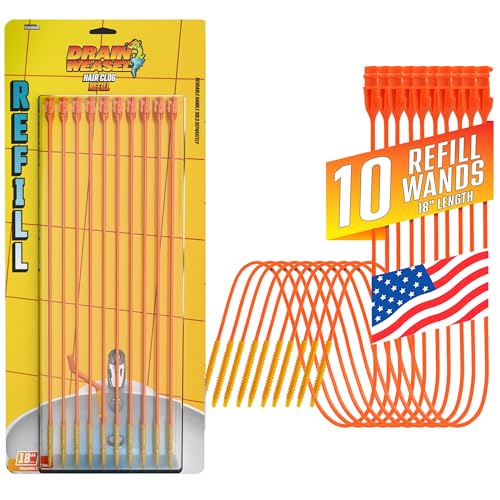
FlexiSnake Drain Weasel Refill Wands 10 Pack

33 Inch Sink Drain Snake Hair Clog Remover 4-Claw Grabber
A Deeper Look At The Lineup
Long shower runs in households with multiple people tend to clog deeper down the P-trap, the curved pipe section that holds water to block sewer gases. Most short grabbers stop right where the worst tangles begin. The 116-inch reach on this flexible grabber pushes well past that, so you can hook hair and small debris that has settled past the trap.
Pressing the handle opens four little claws, you guide them around the clog, then release to grip. For most bathroom stalls and deep tub drains, that combination of length and controlled claw pickup is genuinely useful.
Positive Points
- 116-inch cable reaches deeper clogs than shorter grabbers
- Four-claw head grips hair and small objects
- Flexible shaft follows pipe bends
- Reusable across many jobs
- No chemicals required
Worth Noting
- Longer cable can be floppy in tight bends
- Storage needs a little drawer space
Who It Suits Best
Anyone dealing with hair clogs past the P-trap in showers, bathtubs, and utility drains will benefit most from the extra reach.
Consider Something Else When
The 33-Inch Sink Drain Snake from Ehigta is a tighter fit for shallow bathroom sink clogs where a short, stiff grabber is easier to aim.
Standard pinch-grip grabbers get tiring on longer jobs, and your knuckles usually pay the price. This 76-inch drain snake keeps the same claw-style retrieval but swaps the handle for an upgraded ball knob that sits comfortably in the palm.
That makes it a sensible choice for toilet clogs where you need steady pressure, plus under-sink retrievals for dropped jewelry. Compared to the 116-inch grabber above, this one trades raw reach for ergonomic control.
Strengths Worth Knowing
- Upgraded ball knob protects the palm
- 76-inch reach handles most household drains
- Works as toilet snake and grabber
- Pulls small dropped items from tight gaps
- Simple press-and-release mechanism
Room For Improvement
- Shorter than the 116-inch option for deep traps
- Claw may need cleaning after messy retrievals
Made For
Anyone who wants a comfortable-grip grabber for toilet work and under-sink pickups will find the ball knob a real upgrade.
Skip It When
The 116-Inch Extra Long Drain Snake is a stronger choice when the clog sits well past the toilet trap and you need maximum reach.
Tree roots love the moisture around older sewer laterals, the underground pipes that carry wastewater from house to street. Once they find a joint, they push in and keep growing. Roebic K-77 is a granular root killer designed to be flushed into the line so it sits where roots enter.
The copper-based formula is meant for sewer and septic pipes, which is why this is a different category from the grabber snakes. Compared to the manual tools above, K-77 targets a biological problem rather than a physical clog, and it works on a slower timeline.
What Pays Off
- Targets root intrusion at pipe entry points
- Suitable for sewer and septic systems
- Granular form is simple to apply
- 32 oz size covers typical residential lines
Points To Keep In Mind
- Not a quick fix for solid blockages
- Works on roots, not on grease or hair
- Results depend on severity of root mass
Best Suited To
Homeowners with mature trees near the sewer line who notice slow drains and gurgling will get the most from a root-targeted treatment.
Look Elsewhere When
The 76-Inch Drain Snake from Ehigta is a better fit for hair and debris clogs inside the house where roots aren’t involved.
The drain field, the underground network of perforated pipes that disperses treated wastewater into soil, often clogs long before the septic tank itself fails. Roebic K-570-Q is a 32-ounce concentrate formulated to break up that buildup with bacteria that survive soap and detergent residues.
For most households on septic, this is a recovery product rather than a maintenance one. Where the K-77 above attacks roots, this one attacks the organic mat that smothers the leach field, which is a different failure mode entirely.
Practical Advantages
- Bacterial approach targets organic buildup
- Compatible with standard septic setups
- Concentrated 32 oz format
- Designed for sluggish drain fields
Honest Caveats
- Not a substitute for mechanical field repair
- Severely compacted fields may need professional service
Right Fit For
Septic households with soggy spots, slow drains, or early signs of field failure should consider this concentrate before calling a pumper.
A Better Fit Elsewhere
The Roebic K-57-Q Septic System Cleaner is a calmer fit for ongoing maintenance, while K-570-Q suits the recovery moment.
If K-570-Q is the recovery dose, K-57-Q is the steady keeper. The 32-ounce septic cleaner is built around Roetech, Roebic’s own bacteria blend, intended for routine use rather than emergency intervention.
You pour it in to keep the tank’s bacterial balance healthy, which helps solids break down before they reach the field. Compared to the grabber tools at the top of this list, K-57-Q works on a much longer timeline and a different part of the system.
Strong Points
- Maintains bacterial activity in the tank
- Non-corrosive formula
- Safe for plumbing and porcelain
- Concentrated 32 oz size
- Useful in sluggish or backup situations
Trade Offs
- Outcomes build slowly over weeks
- Won’t clear an active blockage on its own
Who Will Love This
Anyone on a septic system who wants a scheduled maintenance habit will find K-57-Q a sensible quarterly ritual.
Swap It Out When
The Roebic K-570-Q Leach and Drain Field Opener is the better pick when the drain field has already started failing.
The Drain Weasel system uses a reusable handle plus disposable wands that snag hair in bathroom sinks and shower stalls. This 10-pack is the refill side of that setup, made for households that fight the same hair clog every few weeks.
The Quick-Connect end swaps wands in seconds, so you don’t have to fish the same grimy stick out repeatedly. Compared to the 4-claw grabbers reviewed earlier, the Weasel wands work better on shallow P-traps and slow drains than on deep shower runs.
Features That Help
- Ten wands in a single pack
- Quick-Connect handle swaps fast
- Targets hair and soap film
- Works in sinks, showers, and tubs
- Reusable handle cuts waste
Small Caveats
- Requires the Drain Weasel handle sold separately
- Not built for deep mainline clogs
Whose Shelf It Belongs On
Anyone with long hair in the household who clears a bathroom sink monthly will value the multi-pack convenience.
Reach For A Different Pick When
The 116-Inch Extra Long Drain Snake from Ehigta handles deeper shower clogs that the shorter Weasel wands cannot reach.
Some clogs sit right at the mouth of the bathroom sink, where a long grabber is overkill and harder to aim. The 33-inch sink drain snake keeps things short, stiff, and easy to control for those surface-level hair tangles.
The four-claw head works the same way as the longer 116-inch version, just at a friendlier scale for under-sink work. For most households, this lives in the bathroom drawer and gets pulled out every few weeks without complaint.
The Good Stuff
- Compact 33-inch reach
- Easy to store in a drawer
- Four-claw grip handles hair well
- Good control in tight spaces
- Affordable backup tool
Factors To Consider
- Limited reach past the P-trap
- Not for mainline or sewer work
Perfect Match For
Apartment dwellers and small bathrooms with shallow sink clogs will appreciate the easy handling and compact storage.
Where Another Pick Suits Better
The 76-Inch Drain Snake from Ehigta is a stronger match when the clog sits deeper or you also need toilet and under-sink reach.
What To Weigh Before Picking Drain Tools
Different clogs call for different fixes, and matching the tool to the problem saves both time and frustration. Hair, soap, and toothpaste near the sink are the easy wins for a short grabber. Deep shower clogs past the P-trap need longer reach, which is where extended grabbers earn their place. Sewer and septic problems shift the conversation away from manual tools entirely toward bacterial and root-targeted treatments, so it’s worth knowing which side of the house the issue lives on.
Material compatibility matters too. Older homes with PVC, copper, or cast iron laterals respond differently to chemical or bacterial products, and septic tanks in particular benefit from non-corrosive formulas. Length and flexibility are the next layer: a stiff 33-inch wand aims well in shallow sinks, while a flexible 116-inch cable follows bends into deeper lines. For everyday users with predictable bathroom clogs, a grabber and a refill pack cover most situations. For households on septic or with mature trees near the sewer line, the right chemical or bacterial treatment prevents the kind of backup no plunger can fix.
Key Considerations Across These Picks
Mistakes Worth Dodging
Grabbing the longest snake on the shelf is a common trap. Long cables bend and flop inside tight traps, and you end up pushing the clog deeper instead of hooking it. Match the length to the drain depth, and keep a short grabber for sinks plus a longer one for showers. Another slip is reaching for a harsh chemical drain opener on a septic system, where the formula can kill the bacteria that the tank depends on.
Where The Extra Money Goes
Spending up on a septic treatment usually buys a more refined bacterial blend and a larger concentrate, which means fewer bottles per year and gentler ingredients on plumbing. For grabbers, higher tiers tend to add comfort details like the upgraded ball knob on the 76-inch model, or longer reach for deeper traps. The honest read is that the premium buys either longer reach or a more comfortable grip, depending on which job frustrates you most.
Frequently Asked Questions
What is the safest first step for a slow drain?
Try a flexible grabber or a refill wand before any chemical product. Manual retrieval avoids corrosion risk and works on the most common hair and soap clogs.
How do I know if the clog is in the drain field?
Watch for soggy spots above the field, slow drains across multiple fixtures, and gurgling in the lowest pipes. Those signs usually point to the leach field rather than a single sink trap.
Are bacterial treatments safe for all plumbing?
Roebic-style bacterial cleaners are formulated for standard residential plumbing and septic systems. They avoid corrosive materials, which makes them easier on older pipes and porcelain fixtures.
Can tree root killers damage pipes?
Copper-based granular formulas like K-77 are intended for sewer and septic lines and work on roots without attacking pipe material. Severe root masses may still need mechanical clearing.
How often should septic systems get maintenance treatment?
Most households benefit from quarterly use of a maintenance cleaner like K-57-Q, with heavier treatments reserved for sluggish or backup conditions.
The Takeaway
The right tool depends entirely on where the clog lives. Hair and debris near the sink call for a compact grabber or refill wand, deeper traps reward extra reach, and septic or sewer issues move the answer to bacterial and root-targeted treatments. Match the fix to the problem, keep a short grabber handy for routine touch-ups, and save the longer and more specialized picks for the jobs they were built to handle.




