

A slow drain is one of those household annoyances that quietly turns into a Saturday project. Hair, soap residue, and kitchen grease build up slowly, then suddenly your shower is ankle-deep and the kitchen sink burps when you run the disposal. The right drain product saves you the cost of a service call and gets things moving again fast. This roundup covers heavy-duty chemical options, gentler enzymatic treatments, and specialty picks for septic systems, so you can match the clog to the cleaner.
The Shortlist At A Glance
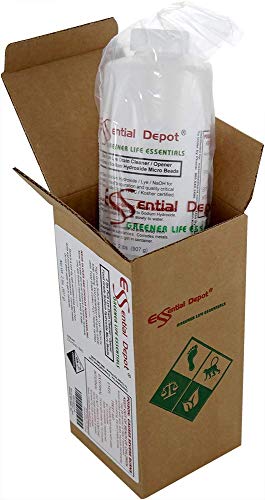
Essential Depot Pure Lye Drain Cleaner 2 lbs

Drano Max Gel Drain Clog Remover 80oz
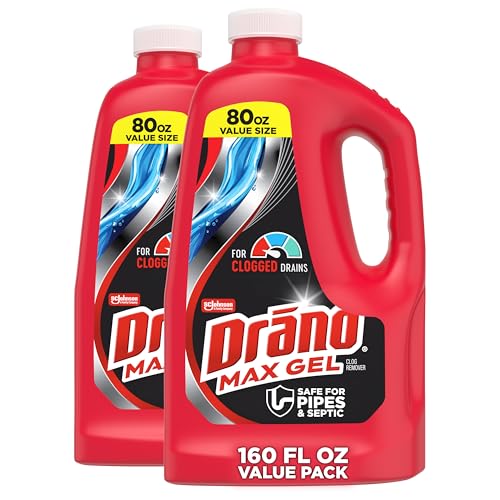
Drano Max Gel Drain Clog Remover 80oz 2-Pack

Drano Max Gel Drain Cleaner Commercial Line 42oz 2-Pack

Drano Max Gel Drain Cleaner Shower or Sink 42oz

Drano EarlyAction Foamer Drain Cleaner 17oz 5-Pack

SEPTIFIX Septic Tank Treatment Tabs

Drano FlowGuard Build-Up Remover 60oz Enzyme
Why These Options Stand Out
This is the most aggressive option on the list, and that is exactly the point. Essential Depot sells pure food-grade sodium hydroxide (commonly called lye or caustic soda) in evenly sized micro beads, packaged in a 2-pound HDPE container with a resealable child-resistant cap. The micro-pel format matters: each bead saturates the same way in water, so you get consistent results instead of clumps that dissolve unevenly.
Where this shines is in the worst-case scenario, a drain that has been ignored for months and is packed with grease, hair, and organic buildup. Compared to the ready-to-pour gels reviewed later, this requires you to mix it yourself with cold water, which adds a step. Experienced DIYers with a garage or utility sink will appreciate the control; casual users may find the gels easier.
Noteworthy Benefits
- Pure sodium hydroxide cuts through organic clogs that consumer gels often struggle with
- Micro-bead format gives you controlled, even dosing per pour
- Food-grade purity means you can repurpose leftover beads for soap making or pretzel prep
- 2-pound supply handles dozens of treatments, lowering cost per use
- Child-resistant resealable cap adds a basic safety layer during storage
Things To Consider
- Requires careful handling, gloves, and cold water mixing; not casual-pour friendly
- Ground shipping only within the contiguous 48 states, so delivery takes longer
Best Suited To
Homeowners dealing with serious, recurring organic buildup who want a concentrated, long-lasting supply and are comfortable handling a strong base chemical with proper safety gear.
Skip It When
The Drano Max Gel Drain Clog Remover 80oz is a much gentler pick for anyone who wants a simple pour-and-wait solution without measuring lye.
This is the workhorse most people reach for, and for good reason. The Drano Max Gel formula is thicker than water, so it sinks through standing water and clings to the clog instead of rushing past it. The 80-ounce bottle is safe for all pipes and septic systems, which removes the guesswork for households with older plumbing.
For a typical slow kitchen or bathroom drain, you pour roughly half the bottle, wait 15 to 30 minutes, and flush with hot tap water. Compared to the pure lye option above, you trade raw strength for convenience and a much gentler handling profile. For most households, that trade is worth it.
Where It Excels
- Gel viscosity pushes through standing water to reach the blockage directly
- Safe for all pipes and septic, so it works in older homes without worry
- Large 80-ounce bottle covers multiple treatments per purchase
Worth Noting
- May require a second pour for completely blocked drains, doubling product use
Right Fit For
Most homeowners who want a reliable, no-mix solution for kitchen and bathroom slow drains and who prefer to keep one versatile product on the shelf.
Look Elsewhere When
The Essential Depot Pure Lye Drain Cleaner 2 lbs delivers more cutting power for the toughest organic clogs that consumer gels can’t shift.
Same trusted gel formula as the single 80-ounce bottle above, just doubled up. The 2-pack makes sense for households that drain-clean regularly, with multiple bathrooms, or with a history of slow pipes that need periodic attention.
For renters or first-time owners, you may not need this much. For families with three or more drains in regular rotation, having a backup bottle on a utility shelf means you are never stuck waiting for a delivery when the shower starts pooling.
Notable Upsides
- Two full bottles mean you always have a backup on hand for the next slow drain
- Per-bottle cost typically runs lower than buying singles separately
- Identical pipe-safe and septic-safe profile as the single bottle
Trade Offs
- Bottles take up shelf space in smaller homes with limited storage
- Overkill for apartments with a single slow drain to manage
Made For
Larger households or anyone who treats drain maintenance as a regular chore rather than a one-time emergency.
Consider Something Else When
The Drano Max Gel Drain Clog Remover 80oz single bottle is a better fit for apartments and small households that only need one at a time.
The commercial line ships in smaller 42-ounce bottles, which sounds like a downgrade until you read the label instructions: you pour the full bottle for severe clogs. Two smaller bottles give you the same total volume as the household 80-ounce jug, but in a format that is easier to grip and store under a sink.
For homeowners who face stubborn, fully blocked drains, the half-bottle or full-bottle pour guidance is a clearer workflow than the household bottle’s graduated approach. If a drain is genuinely stopped, you want to commit the full dose, not ration it.
The Case For It
- Smaller bottle is easier to handle and store in tight under-sink cabinets
- Two-pack supply matches the full-bottle volume without the bulk of one large jug
- Commercial-grade pour guidance fits severe-clog scenarios better
Points To Note
- Per-ounce cost runs higher than the 80-ounce household version
Whose Shelf It Belongs On
Homeowners with chronic clog issues or anyone who prefers smaller, easier-to-pour bottles for fully blocked drains.
Reach For A Different Pick When
The Drano Max Gel Drain Clog Remover 80oz is the better value choice for shoppers who want the lowest cost per ounce and can manage a heavier jug.
This is the same Max Gel formula in a single 42-ounce bottle, marketed for shower and sink use where hair and soap scum are the usual suspects. The label explicitly calls out hair and soap scum removal, which is the dominant bathroom clog profile.
The trade-off is capacity. One 42-ounce bottle holds roughly half what the 80-ounce jug holds, so you will replace it more often. For most households with one or two bathrooms, that is fine, and the smaller bottle is easier to lift over a tub drain.
Practical Pluses
- Formulation targets hair and soap scum, the most common bathroom clog types
- Single 42-ounce bottle fits under most bathroom sinks without crowding
- Gel clings to vertical pipe walls in showers where liquids drain fast
Small Caveats
- Smaller bottle means more frequent repurchasing for busy households
- Not the most cost-efficient option per ounce on this list
Who Should Grab It
Anyone whose main clog problem is bathroom hair and soap residue, especially in homes with a shower that drains slowly every few weeks.
A Better Fit Elsewhere
The Drano EarlyAction Foamer Drain Cleaner 17oz 5-Pack works better for folks who also want to freshen disposals and clean pipe walls during routine upkeep.
Most drain cleaners pour as a liquid and rely on weight to reach the clog. The EarlyAction Foamer does the opposite: it expands into a foam that fills the entire pipe, coating the walls rather than just the bottom. That matters when the buildup is on the sides, which is common with soap scum and grease films.
The 5-pack format is built for repeat use, one bottle per drain, used on a rotating schedule. Homeowners who treat drain care as a monthly habit rather than an emergency will get the most out of this.
The Practical Payoff
- Foaming action reaches pipe walls where liquids just drain past
- Five-bottle pack supports a monthly maintenance routine across multiple drains
- Works on garbage disposals, adding versatility beyond standard sinks
Areas To Watch
- Less effective on fully blocked drains that need direct-clog contact
- Five small bottles require shelf space to keep organized
Perfect Match For
Homeowners who want prevention-first drain care and like the idea of foaming through the whole pipe rather than just the clog.
Swap It Out When
The Drano Max Gel Drain Clog Remover 80oz is the stronger option for fully stopped drains where foam alone cannot reach the blockage.
If your home runs on a septic system rather than municipal sewer, harsh chemical drain cleaners can wreck the bacterial balance your tank depends on. SEPTIFIX takes a different route: live aerobic bacteria tablets that break down waste inside the tank instead of attacking clogs with caustic chemistry.
It is preventive care, not an emergency rescue. Drop a tablet monthly and the bacteria go to work digesting solids before they cause backups. For households off municipal sewer, that habit is what keeps systems healthy between pump-outs.
Everyday Perks
- Aerobic bacteria support tank health instead of disrupting it with harsh chemicals
- Tablet format is simpler to dose than liquid or powder alternatives
Honest Caveats
- Not designed for emergency clog clearing, so keep another product on hand for backups
- Tablets only help inside the tank; they will not clear a localized pipe blockage under the sink
Who It Suits Best
Homeowners on septic systems who want a monthly maintenance habit to keep bacteria counts high and odors down.
Where Another Pick Suits Better
The Drano Max Gel Drain Clog Remover 80oz is a smarter grab for an active clog, since chemical gels work faster than bacteria on a blocked pipe.
Where most products on this list fight an active clog, FlowGuard works the opposite way. The active enzyme and probiotic formula eats through the gunk that builds up over weeks, before it becomes a blockage. It is bleach-free and carries a light citrus scent, which is a nice change from the chemical haze of traditional drain cleaners.
The 60-ounce bottle is meant for monthly use across your drains, which makes it an upkeep product rather than a rescue tool. For households that already keep up on maintenance, you may never need the gels at all.
Everyday Wins
- Enzyme formula digests buildup before it becomes a full clog
- Bleach-free composition is gentler on pipes and easier on the nose
- Citrus scent leaves a fresher finish than traditional chemical options
Practical Considerations
- Slower acting than gels, so it cannot rescue a fully blocked drain on its own
- Requires consistent monthly use to deliver real prevention value
Right Fit For
Homeowners who want to stay ahead of clogs with a gentler, regular-use product and avoid emergency drain calls altogether.
Not Your Match When
The Drano Max Gel Drain Cleaner Commercial Line 42oz 2-Pack is built for severe, fully blocked drains that need a heavy pour right now.
What To Weigh Before Choosing A Drain Cleaner
Match The Formula To The Clog
Caustic gels like Drano Max Gel use sodium hydroxide and similar bases to dissolve hair and grease through a chemical reaction. They work fast and cut through tough blockages, but they can be rough on older pipes or septic bacteria if used constantly. Enzyme and probiotic products like Drano FlowGuard work slowly, digesting organic buildup over days. They trade speed for gentleness, making them ideal for monthly prevention rather than midnight emergencies. Pure lye offers the most raw power but demands careful handling and mixing, so it suits experienced DIYers more than casual users.
Think About Your Plumbing Type
PVC, copper, and older galvanized steel all tolerate standard chemical drain cleaners within reason, but septic systems are a different story. Harsh chemicals can disrupt the bacterial ecosystem your tank relies on, which is why products like SEPTIFIX exist for septic households. Always confirm a product is labeled pipe-safe and septic-safe before pouring, especially in homes built before the 1980s where pipe condition varies.
Weigh Bottle Size Against Storage Space
An 80-ounce jug is cost-efficient per ounce but heavy and bulky. Smaller 17-ounce or 42-ounce bottles lift easily over a tub drain and tuck under most sinks, but you will replace them more often. If you have a utility closet or garage shelf, larger sizes make sense. If your only storage is a narrow under-sink cabinet, smaller formats win on ergonomics.
Decide Between Emergency Rescue And Routine Care
Most drain cleaners fall into two camps. The gels and the pure lye are rescue tools: pull them out when the drain is already slow or fully blocked. The enzyme, probiotic, and bacterial tablets are maintenance tools: use them monthly to keep buildup from forming in the first place. Many households benefit from keeping one of each on hand, a strong gel for emergencies and a gentler maintenance product for the rest of the month.
Key Considerations Across These Picks
Where Shoppers Go Wrong
The most common misstep is reaching for the strongest chemical cleaner on every clog, even when the underlying issue is gradual buildup. Heavy gels used repeatedly can stress fittings, corrode older metal pipes, and disrupt septic bacteria. Another trap is mixing products, especially pouring a chemical cleaner right after a homemade baking soda and vinegar attempt, since residual reactions can splash or release fumes. The simpler habit is to pick one product, follow its dwell time, and only escalate to a different chemistry if the first treatment genuinely fails.
When Paying More Pays Off
The jump from a basic gel to a larger multi-pack or a commercial-line bottle is mostly about volume per dollar, not stronger chemistry. The real upgrade worth paying for is moving from reactive gels to a maintenance routine with an enzyme or probiotic product like Drano FlowGuard. That shift changes the problem from “fixing clogs monthly” to “preventing them entirely”, which saves time and protects your plumbing over the long run.
Frequently Asked Questions
How often should drain cleaner be used?
For preventive enzyme or probiotic products like Drano FlowGuard, monthly use is the typical cadence. For heavy chemical gels like Drano Max Gel, only use them when you have an active slow drain or clog, not as a routine.
Are chemical drain cleaners safe for septic systems?
Most gels labeled septic-safe, including the Drano Max Gel formula in this roundup, are formulated to avoid disrupting tank bacteria when used as directed. Avoid harsh lye products in septic homes, and consider a bacterial treatment tab like SEPTIFIX as a complementary routine.
What is the difference between a gel and a foaming drain cleaner?
A gel sinks through standing water and clings directly to the clog at the bottom of the pipe. A foaming cleaner expands to fill the entire pipe, coating the walls to break down side buildup that liquids miss.
Can enzyme drain cleaners clear a fully blocked drain?
Enzyme products work too slowly to rescue a fully blocked drain in any reasonable time. For a complete blockage, a chemical gel or pure lye will clear it faster, with enzyme products reserved for ongoing maintenance afterward.
How long does it take for Drano Max Gel to work?
Drano Max Gel typically begins working within about 7 minutes on common clogs, with a recommended dwell time of 15 to 30 minutes before flushing with hot tap water. Fully blocked drains may need a second pour.
Final Verdict
The right drain product depends entirely on the situation in front of you. For an active clog, a reliable gel like Drano Max Gel is the practical first move. For the toughest organic blockages, pure lye micro beads bring serious cutting power with proper handling. And for households that want to stop clogs before they start, an enzyme maintenance routine changes the equation entirely. Match the product to the clog, keep at least one rescue option on the shelf, and your drains will keep moving the way they should.




