

Finding the right water pump saves weekends, basements, and gardens. Whether you’re pulling water from a deep residential well, draining a flooded basement, or running a sprinkler system, the wrong pump turns a simple job into a recurring headache. This list rounds up ten solid options across sump, utility, sewage, and deep well categories, so you can match the tool to your actual situation rather than guessing from spec sheets.
How The Shortlist Stacks Up
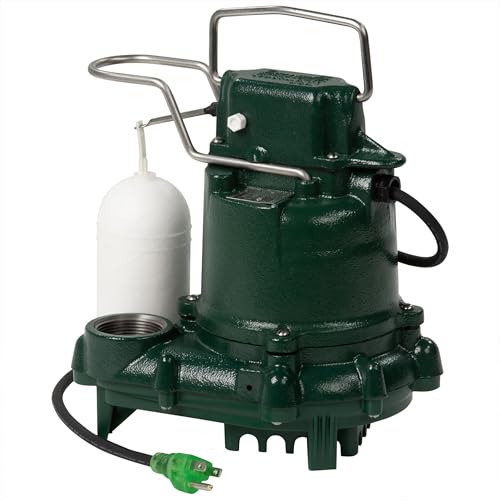
Zoeller M53 Mighty-mate Submersible Sump Pump, 1/3 Hp

Control Box, 1 1/2HP, 230V, 1Phase

Zoeller M98 Flow-Mate Sump Pump 1/2 HP

6699 Submersible Sump Pump 1HP 5000GPH

lxrnqcey Deep Well Pump 1-Inch Outlet Stainless Steel
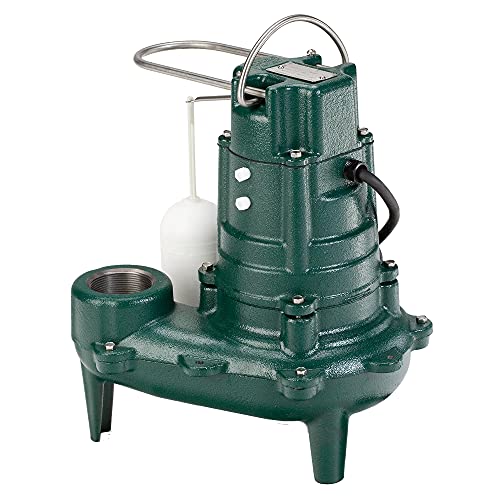
Zoeller Waste-Mate 267-0001 Sewage Pump 1/2 HP

6699 Submersible Sump Pump 5000GPH Kit 1HP

6699 Submersible Sump Pump 2500GPH Kit 1/2HP

AZZUNO Septic Tank Pump 4-Inch Stainless Steel

6699 Submersible Sump Pump 1/2HP 2500GPH Adjustable
Taking A Closer Look At The Options
Basement sumps in older homes rarely need a fire hose, and the M53 sits in that sweet spot where a 1/3 HP motor pulls steady water without burning through the electrical budget. The vortex impeller design (a curved-blade rotor that keeps debris suspended rather than jamming against the suction inlet) means small gravel or sediment passes through instead of locking up the works.
Compared with the higher-horsepower picks later in this list, the Mighty-mate trades raw flow for longevity, and the cast iron switch case, motor housing, and pump body all reinforce that goal. A plastic base keeps weight manageable, which matters when you’re wrestling it down a narrow sump lid.
Everyday Perks
- Cast iron switch case, motor, and pump housing resist wear in continuously damp pits
- Vortex impeller design passes small solids without clogging
- Float-activated automatic switch eliminates the need to babysit the basin
- Plastic base trims overall weight, easing installation in tight sump lids
Things To Consider
- 1/3 HP output is modest for high-volume or rapid-rise flooding scenarios
- Plastic base, while light, doesn’t dissipate heat the way full cast iron does
Quick Facts
Who It Suits Best
Homeowners with a standard residential sump pit who want a set-and-forget pump that runs quietly in the background.
Where Another Pick Suits Better
The Zoeller M98 Flow-Mate serves homes with heavier inflow better, where a 1/2 HP motor and stainless hardware make the upgrade meaningful.
This entry breaks the pattern: it’s not a pump body but the control hardware that drives a submersible motor and pump system. The CSCR control box (a capacitor-start, capacitor-run unit that gives single-phase motors the extra torque they need to start under load) handles up to 1 1/2 HP at 230V in single-phase wiring.
It earns a spot because anyone replacing a pump often discovers the control box itself is the actual failure point. The 3R enclosure rating (a NEMA designation meaning the box is protected against falling rain and sleet, suitable for outdoor mounting) and pole/wall mounting flexibility make it usable in well houses, pump sheds, or basement utility corners.
Why It Works Well
- CSCR design delivers the startup torque single-phase submersible motors need
- 3R-rated enclosure tolerates outdoor installation in sheltered locations
- Accepts up to #2 AWG wire (heavy-gauge copper that carries high current with minimal voltage drop)
- Pole or wall mounting adapts to cramped well houses or sheds
Trade Offs
- Only useful when paired with a compatible 1 1/2 HP, 230V submersible pump
- Requires familiarity with electrical wiring and matching overload components
Made For
Anyone troubleshooting or upgrading an existing single-phase submersible installation where the original control box has failed.
Consider Something Else When
The Azzuno Septic Tank Pump comes ready to run without separate control hardware, suiting homeowners who want a complete plug-in unit.
Stepping up from the M53, the M98 adds real muscle where sump pits see heavier inflow. The 1/2 HP motor moves noticeably more water per minute, which matters when storms push groundwater up faster than a smaller pump can clear it.
The LED power plug is a thoughtful touch that the M53 doesn’t offer: a glance at the indicator tells you whether the unit is actually receiving power before you assume a failure. An oil-filled motor (sealed with lubricant that conducts heat away from windings, similar to a small transformer) and full cast iron housing help the pump shed heat during long cycles.
Useful Strengths
- 1/2 HP motor handles aggressive sump inflow without cycling constantly
- LED plug offers a quick visual check for power status
- Oil-filled motor with cast iron housing extends service life under heavy use
- Stainless steel hardware resists corrosion in perpetually damp basins
- Vortex impeller design keeps solids moving without jamming
Minor Gripes
- Higher amperage draw than smaller sump pumps, so older 15-amp circuits may need attention
- Cast iron body adds heft that complicates one-person installation
Feature Rundown
Best Suited To
Homeowners in regions with heavy rainfall or high water tables who need a sump pump that won’t fall behind during storm surges.
Skip It When
The Zoeller M53 Mighty-mate is the better match for modest basement pits where 1/3 HP is plenty and lighter weight matters.
Portable utility pumps fill a gap the permanent Zoeller models don’t: jobs that move with you. The 1 HP motor claims a 5000 GPH rating, enough to drain a flooded basement section, a stock tank, or a small pool in a fraction of the time a smaller pump would take.
The hi-impact corrosion-resistant plastic housing keeps the unit light enough to carry between sites, and the adjustable base switch lets you toggle between high-flow and low-water-level modes. That last bit is genuinely useful when you’re trying to skim the last inch of water off a pool floor.
Reasons It Performs
- 5000 GPH flow rate drains large volumes fast
- Adjustable base switch toggles between standard and low-level draw
- Lightweight plastic construction is portable between sites
- Suitable for pools, ponds, hot tubs, and basement flooding
Honest Caveats
- Plastic housing is less durable than cast iron for permanent installations
- Not designed for sewage or solids, so it’s limited to relatively clean water
Right Fit For
Homeowners who need a flexible pump they can drag out for seasonal floods, hot tub draining, or pool cleanouts.
A Better Fit Elsewhere
Anyone needing automatic, permanent basement protection should reach for the Zoeller M98 Flow-Mate instead, which mounts and runs unattended.
Deep well pumps serve a different universe from sump pumps: they sit hundreds of feet down a casing and push water up to a household or irrigation system. This 0.5 HP unit uses a stainless steel shell and copper motor to handle that environment, where corrosion is a constant threat.
The IP68 rating (the top tier of ingress protection, meaning the unit is fully sealed against dust and continuous water immersion) confirms full submersion capability, and the 262-foot head rating suggests it can lift water from meaningful depths. You may find the 1.8 m³/h flow modest for large irrigation layouts, though for a single garden or small property it’s adequate.
Where It Delivers
- Stainless steel shell and copper motor resist corrosion in well environments
- IP68 rating allows full, continuous submersion
- Compatible with steel, grey, or earth well casings
- Works with steel pipe, hose, or plastic pipe for the discharge run
Points To Keep In Mind
- 1.8 m³/h flow rate limits use for very large irrigation zones
- Deep well installation typically requires professional rigging and wiring
Who Should Grab It
Rural homeowners with a shallow-to-moderate residential well who need a corrosion-resistant lift pump for garden and household use.
Look Elsewhere When
The AZZUNO Septic Tank Pump suits users who want a stronger 1.1 HP motor and bottom-suction design for septic applications.
Sewage pumps handle the worst job in residential water management: moving wastewater that contains solids. The Waste-Mate passes 2-inch spherical solids, meaning it can grind past items that would jam a sump pump, and the non-clogging vortex design keeps those solids in suspension rather than letting them wedge against the impeller (the rotating blade that actually pushes the water).
ASTM Class 25 cast iron (a standardized high-strength iron alloy used in heavy-duty pump housings) gives the switch case and motor housing serious durability. Compared with the M53 and M98 sump-focused models, this unit trades some flow efficiency for waste-handling capability, which is the correct trade for its intended role.
Everyday Wins
- Passes 2-inch spherical solids without clogging
- ASTM Class 25 cast iron housing for heavy-duty longevity
- Float-operated automatic switch for unattended operation
- 2-pole mechanical switch rated for the harsh sewage environment
- Suitable for residential and light commercial wastewater applications
Points To Note
- Plastic impeller material is lighter than engineered metal options
- Heavier than utility pumps, so installation usually needs help
At A Glance
Perfect Match For
Homeowners installing or replacing a sewage ejector pump in a basement bathroom, laundry, or below-grade living space.
Swap It Out When
The Zoeller M98 Flow-Mate fits situations where you need higher flow on cleaner water without the solids-handling requirement.
This entry wraps the same 1 HP, 5000 GPH pump in a kit, including a 25-foot discharge hose sized at 1.5 inches. The bundle matters because buying a pump alone often means a separate trip for fittings, adapters, and hose, which delays the actual job.
You may find the included hose’s 1.5-inch diameter handles most basement-drainage runs without throttling flow. For homeowners facing an active flood, the difference between a ready-to-go kit and a parts-hunting session is measured in dry versus ruined carpet.
The Case For It
- Complete kit includes pump, 25-foot hose, and matching fittings
- 5000 GPH flow handles substantial flood volumes quickly
- Adjustable base switch supports both high-flow and low-level draw
- One purchase avoids the delay of sourcing compatible accessories
Practical Considerations
- Plastic housing is not a permanent installation material
- Hose length may be limiting for deep basements or long discharge runs
Whose Shelf It Belongs On
Homeowners in flood-prone regions who want a grab-and-go emergency pump stashed in the garage until the next storm hits.
Not Your Match When
The 6699 1/2 HP 2500GPH adjustable model handles lighter drainage tasks without the higher power draw.
Where the previous 6699 model aims at heavy flood response, this 1/2 HP version covers the middle ground. The 2500 GPH rating handles rain barrel cycling, hot tub draining, and routine basement seepage without the power demands of the 1 HP unit.
The same adjustable base switch and 25-foot hose kit apply here, so you’re trading roughly half the flow for a meaningfully lighter electrical load. For households with standard 15-amp circuits that don’t want to worry about tripped breakers, that trade often makes sense.
What Earns Its Place
- 2500 GPH flow suits moderate drainage and water transfer
- 1/2 HP motor runs comfortably on standard household circuits
- Adjustable base switch handles both flow modes
- Kit includes the 25-foot discharge hose and fittings
Small Caveats
- Half the flow of the 1 HP version, so large basements may take longer to clear
- Plastic housing limits it to portable, not permanent, service
Feature Snapshot
Built With In Mind
Homeowners who want a portable utility pump for rain barrels, hot tubs, and the occasional basement puddle without overloading their circuits.
Reach For A Different Pick When
The 6699 5000GPH kit covers situations where aggressive flow speed outweighs the lower power draw.
Septic systems demand pumps that can draw water down low without sucking air, and the bottom-suction design here addresses exactly that. By pulling intake from beneath the motor rather than beside it, the pump can reduce standing water further before losing prime (the condition where the pump loses its water seal and stops moving fluid).
The 1.1 HP motor at 230V is serious hardware, fitted with a 33-foot UL-listed cord for safer electrical installation. The stainless steel body and sealed motor construction suggest long-term submersion tolerance, which septic tanks require.
Points In Its Favor
- Bottom-suction intake draws water lower than side-suction designs
- Stainless steel construction resists corrosive septic environments
- 1.1 HP motor handles residential septic and basement drainage demands
- 33-foot UL cord supports safer electrical installation
- Fits 4-inch and larger standard well casings
Soft Spots
- 230V requirement means professional electrical work for many homeowners
- Higher power draw than 115V sump pumps, so circuits need verification
Who Will Love This
Homeowners with septic systems or deep drainage basins who need a robust submersible pump with low-water draw capability.
Where A Sibling Pick Shines
The lxrnqcey deep well pump covers well-lift irrigation use at 115V for those without access to 230V wiring.
The final entry rounds out the 6699 lineup with a 1/2 HP, 2500 GPH configuration that omits the bundled hose. For shoppers who already own compatible hose or only need the bare pump for a recurring task, the stripped-down version keeps things simple.
The adjustable base switch is the real differentiator from a basic utility pump. Sliding it to the low-water-level mode lets you drain a pool floor or pond down to a thin layer that a standard pump couldn’t reach.
Useful Highlights
- 2500 GPH suits pools, ponds, hot tubs, and light basement work
- Adjustable base switch toggles between high-flow and low-level modes
- Lightweight plastic housing makes it easy to reposition
- Lower power draw than 1 HP alternatives
Factors To Consider
- No hose included, so you’ll need to source discharge accessories separately
- Plastic construction limits it to portable, intermittent duty
The Right Fit
Homeowners with existing hose setups who want an adjustable, portable pump for seasonal water-moving tasks around the yard.
Another Choice May Suit
The 6699 5000GPH complete kit fits shoppers who prefer an all-in-one bundle with hose and fittings included.
What To Weigh Before Choosing Submersible Well Pumps
Pump selection hinges on matching the tool to the task, not chasing the biggest motor. Sump pumps handle basement groundwater and need float switches for unattended operation. Utility pumps move cleaner water on demand but rarely run automatically. Sewage pumps manage solids-laden wastewater and require vortex impellers (curved-blade rotors designed to keep solids suspended) and rugged housings. Deep well pumps lift water from significant depths and demand corrosion-resistant materials like stainless steel.
For most homeowners, the decision starts with where water shows up. Basement flooding points toward sump pumps with automatic float switches. Yard irrigation from a residential well points toward deep well units rated for the casing depth. Septic or below-grade bathroom systems need sewage-rated models with adequate solids handling. Match voltage to your existing circuit: 115V for standard outlets, 230V where the wiring already supports it.
Flow rate matters, but context shapes the right number. A 5000 GPH rating sounds impressive, yet a small basement pit may only need half that to stay ahead of groundwater. Oversized pumps cycle on and off too frequently, which shortens motor life. Undersized pumps run constantly without catching up, which burns them out differently. The honest read is that right-sized pumps outperform over- or undersized ones in real-world service.
Material choices reflect installation permanence. Cast iron housings run heavier and cost more, but they dissipate heat better and tolerate permanent submersion. Plastic housings stay light and portable but suit only intermittent duty. Stainless steel falls between, balancing corrosion resistance with reasonable weight for deep well environments.
Key Considerations Across These Picks
Common Shopping Slip Ups
The most frequent mistake is buying a sump pump when a sewage pump is actually needed, or vice versa. Sump pumps clog on solids that sewage pumps pass without issue. Another slip is ignoring voltage: a 230V pump on a 115V circuit simply won’t run. Always verify your available power supply before committing. Finally, skipping the check of float switch type leads to surprises, since tethered switches ride higher in the basin while vertical switches fit narrower pits.
What Separates Premium From Basic
Premium picks invest in cast iron housings, stainless hardware, and oil-filled motors (sealed units packed with lubricant that conducts heat away from windings) for heat management. These materials extend service life in permanent installations where the pump runs for years without attention. Basic models cut costs with plastic components and air-filled motors, which suit portable or seasonal use but wear faster under continuous duty. The upgrade pays off when the pump runs unattended for long stretches, since replacement labor often exceeds the original price difference.
Frequently Asked Questions
How long do submersible well pumps typically last?
Most residential submersible pumps run between 7 and 15 years, depending on duty cycle, water quality, and material choices. Cast iron and stainless steel models in permanent installations tend toward the longer end. Portable utility pumps with plastic housings often show wear much sooner under frequent use.
Can a sump pump handle sewage water?
Standard sump pumps are not designed for sewage. Solids clog the impeller and damage the motor. A sewage or effluent pump with a vortex impeller and adequate solids handling is the correct tool for wastewater applications.
What does horsepower really affect in a submersible pump?
Higher horsepower translates to greater flow rate and pressure at the discharge. For sump pumps, that means faster pit clearing. For deep well pumps, it means the ability to lift water from greater depths. The trade-off is higher electrical draw and heavier construction.
Do I need a professional to install a deep well pump?
Deep well installations typically require professional rigging, piping, and electrical work. The pump sits hundreds of feet down the casing and connects to drop pipe (the rigid pipe that runs from the surface down to the pump) and a sealed wiring run. Most homeowners lack the equipment and experience for a safe installation.
How do I choose between 115V and 230V pumps?
115V pumps plug into standard household outlets and suit portable or sump applications. 230V pumps need dedicated wiring and a matching breaker, but they handle heavier loads more efficiently. Your existing electrical service usually dictates the choice, since running new 230V circuits adds meaningful cost.
The Takeaway
The right submersible pump depends entirely on what water you’re moving and how often. Basement protection calls for automatic sump models with cast iron durability. Yard work and emergencies favor portable utility pumps with adjustable modes. Wastewater and septic systems demand sewage-rated pumps with proper solids handling. Deep wells need corrosion-resistant stainless units matched to your casing depth and electrical service. Match the pump to the job, and you’ll spend less time troubleshooting and more time enjoying dry basements and green gardens.




