

A tile floor lives or dies by what’s underneath it. Before you set the first ceramic square, the subfloor has to be flat, stiff, dry, and ready to bond. The picks below cover what actually matters when prepping for tile, from leveling underlayments and uncoupling membranes to the heating systems, demolition bits, and moisture meters that show up on every serious tile job.
The Essentials At A Glance

AIRHOP 0.56in Thick Exercise Equipment Mats 12 Tiles 24x24in

AIRHOP Upgraded 0.79in Extra Thick 48 Sq Ft High-Density EVA Foam Exercise Gym Mats
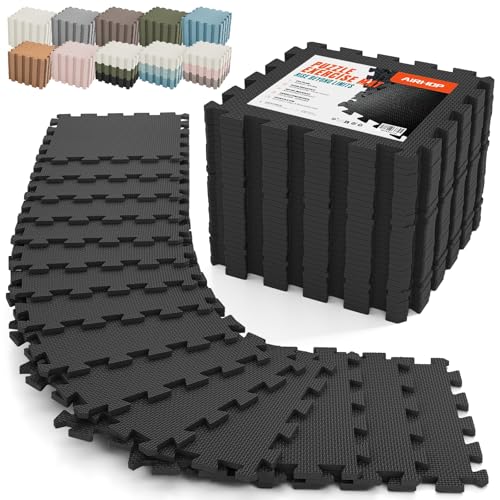
AIRHOP 18 PCS EVA Foam Puzzle Gym Mat Tiles 12.6×12.6in

AIRHOP 0.79in Thick Exercise Equipment Mats 12 Tiles Black and White

LuxHeat 15 sqft Floor Heating System WiFi Thermostat 120V

AIRHOP Foldable Workout Bench 90 to -30 FID

Firecore 3 Inch SDS Plus Bent Chisel Bit

AIRHOP Ab Machine 4-Speed Auto Rebound Trainer
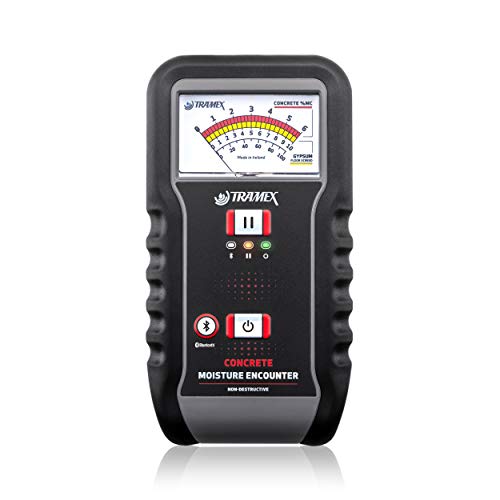
Tramex Concrete Moisture Encounter CME5
The Details Behind The Selections
Tile doesn’t sit on air. It sits on a flat, stable, dry surface, which is exactly the kind of foundation this AIRHOP mat gives a workout room or garage. The dual-layer build pairs a textured rubber top with a high-density EVA foam base, so dropped dumbbells, kettlebells, and barbell plates don’t punch straight through to the concrete below.
The 24-by-24 inch tiles cover 48 square feet in a 12-pack and lock together with a puzzle edge, so you can shape the layout around a rack or treadmill without a jigsaw. For most home gyms the 0.56-inch profile sits well under benches and equipment feet without rocking.
The Good Stuff
- Dual-layer design softens impacts so subfloor and equipment both take less abuse.
- Twelve large tiles cover a 48-square-foot zone in one pass.
- Textured rubber top grips barefoot and shod traction alike.
- Puzzle edges pull apart for storage or relocation without tools.
Things To Consider
- Rubber-top tiles can carry a mild outgassing smell when first unboxed.
- Not designed for true structural subfloor duty beneath tile; this is a finish-layer mat.
Who It Suits Best
Lifters setting up a home gym on a concrete slab who want shock control under heavy drops.
Consider Something Else When
Pick the AIRHOP Upgraded 0.79in Extra Thick 48 Sq Ft High-Density EVA Foam Exercise Gym Mats instead if your ceiling clearance is fine and you want the deeper cushion under deadlifts.
Thicker foam, same modular format. This upgraded AIRHOP set runs 0.79 inches of high-density EVA, which soaks up barbell drops a step better than the 0.56-inch version above. For a basement or garage where you’re protecting a slab you don’t want cracked, that extra depth earns its keep.
The black-and-gray finish hides scuff marks better than bright colors, and the 24-by-24 inch format lays out fast without trimming. EVA foam here is a finished-floor mat, not a structural underlayment, so think of it as a wear surface rather than a subfloor replacement.
Practical Pluses
- 0.79-inch profile cushions dropped plates and reduces noise for downstairs neighbors.
- High-density formulation resists compression set under heavy racks over time.
- Same 48-square-foot coverage and tile count as the thinner set for easy swaps.
Worth Noting
- The taller stack can feel slightly soft under narrow equipment feet like bench legs.
- Color choice is limited to black and gray versus the wider palette on the rubber-top line.
Key Product Details
Made For
Home strength athletes dropping heavy loads on a hard slab who want a deeper layer between the bar and the concrete.
Look Elsewhere When
Choose the AIRHOP 0.56in Thick Exercise Equipment Mats 12 Tiles 24x24in if you prefer the rubber-top grip over the deeper foam cushion.
Smaller tiles, more pieces, same locking idea. This 18-pack from AIRHOP drops the tile size to 12.6 inches square and the thickness to 0.4 inches, so you can wrap odd-shaped rooms, kid play areas, or a kitchen nook without trimming big foam panels. The slimmer profile tucks under low-clearance doors that thicker mats would block.
Like the others, this is a finished-floor pad rather than a structural subfloor. It works as a protective layer over plywood or concrete, but it isn’t a replacement for cement board or an uncoupling membrane when you’re actually setting tile.
Useful Touches
- Eighteen small tiles fit tighter layouts and irregular footprints.
- 0.4-inch profile clears most interior door swings without modification.
- High-density EVA foam resists tearing at the puzzle seams during moves.
Trade Offs
- Less drop protection than the 0.79-inch set for heavy barbell work.
- More seams mean slightly longer cleanup around edge joints.
Best Suited To
DIYers covering a playroom, garage corner, or bonus space who want flexible layout and a low profile.
Skip It When
Step up to the AIRHOP 0.79in Thick Exercise Equipment Mats 12 Tiles Black and White if your workouts involve heavy Olympic lifts.
Same dual-layer recipe as the Editor’s Choice, but with a black-and-white finish and the deeper 0.79-inch foam body. The textured rubber face handles chalk, sweat, and shoe rubber, while the thicker foam core under it absorbs the shock that would otherwise travel into your slab or downstairs ceiling.
The 24-by-24 inch format and 12-tile count lay out to 48 square feet, which fits a one-car garage pad or a workout bay in a basement. If you want the rubber-top grip of Pick 1 but the deeper cushion of Pick 2, this is the merge.
Useful Strengths
- Combines rubber-top traction with thicker foam than the 0.56-inch set.
- Neutral color scheme blends into multipurpose rooms and basements.
- Interlocking edges allow partial disassembly when relocating equipment.
Points To Keep In Mind
- Heavier per tile than the foam-only set, so moving the layout takes two people.
- Black-and-white pattern shows chalk dust more than solid black mats do.
Who Should Grab It
Lifters who want both grip and cushion in a single tile and don’t want to mix two different mat sets.
Reach For A Different Pick When
Try the AIRHOP Upgraded 0.79in Extra Thick 48 Sq Ft High-Density EVA Foam Exercise Gym Mats if you prefer a foam-only surface with no rubber top.
Real tile comfort starts under the tile, and that is where radiant heat lives. The LuxHeat 15-square-foot mat is a self-adhesive heating element that embeds in thinset right beneath the tile layer, paired with a WiFi thermostat and floor sensor for app-based scheduling. A built-in GFCI (ground-fault circuit interrupter, a safety device that cuts power if current leaks where it shouldn’t) sits inside the thermostat for protected operation.
This kit is sized for a small bathroom or entry zone. The 3-inch pre-spaced cable pattern distributes heat evenly so you don’t get hot stripes underfoot. It’s a great pairing with cement board or an uncoupling membrane as your structural subfloor.
Everyday Perks
- WiFi thermostat lets you schedule warmth before stepping onto cold tile.
- Self-adhesive mat speeds thinset embedment and reduces floating during layout.
- Cable monitor alarm flags damage during install before you tile over it.
Honest Caveats
- 15 square feet only covers a small zone, so larger rooms need multiple mats.
- Requires a dedicated electrical circuit and a licensed install for code compliance in many areas.
Feature Snapshot
Who Will Love This
Homeowners tiling a small bath or mudroom who want warm tile without retrofitting a hydronic system.
A Better Fit Elsewhere
Choose the Tramex Concrete Moisture Encounter CME5 if your priority is testing slab moisture before you even plan the heating layout.
An FID bench adjusts flat, incline, and decline in one unit, which is exactly what this AIRHOP model does from 90 degrees upright down to negative 30 for decline work. The thick rectangular steel tubing and extended base give it a planted feel on level floors, which matters if your subfloor is a finished tile or a workshop slab.
It folds for storage against a wall or under a bed, a nice feature if your training zone doubles as a guest room. Anti-slip feet keep it from skating on rubber gym mats, and the aerospace-grade bolt construction suggests serious longevity.
Practical Advantages
- Seven backrest positions from upright to decline cover a full pressing repertoire.
- Foldable frame stores upright in tight home gym corners.
- Heavy-duty tubing handles pressing, rowing, and core work without flex.
Potential Drawbacks
- Larger footprint unfolded than a flat-only bench in compact rooms.
The Right Fit
Intermediate lifters who want one bench to cover presses, incline work, and decline core moves.
Swap It Out When
Try the AIRHOP Ab Machine 4-Speed Auto Rebound Trainer if your training focuses on core rather than pressing strength.
Before you install a new subfloor for tile, sometimes you have to remove an old one. The Firecore bent chisel pairs an SDS Plus shank (a slotted tool connection that locks into compatible rotary hammers without extra hardware) with a 3-inch angled cutting edge that scrapes thinset and breaks tile mortar away from concrete.
The bent geometry keeps the working tip flush to the floor so you don’t gouge the slab below. It fits any standard SDS Plus rotary hammer, which most DIYers already have or can rent.
What Makes Sense
- Bent edge scrapes thinset cleanly without digging into the slab.
- Standard SDS Plus shank fits most rotary hammers on the market.
- Two-pack lets you rotate bits during long demo sessions to manage heat.
Small Caveats
- Designed for rotary hammer use; will not fit a standard drill chuck.
- Aggressive demolition creates dust and vibration that warrant eye and ear protection.
Perfect Match For
Remodelers stripping old tile or thinset during a subfloor replacement before laying new underlayment.
Another Choice May Suit
Reach for the Tramex Concrete Moisture Encounter CME5 first if you want to test slab moisture before committing to demo and replacement.
Most ab trainers force you to power the motion yourself. This AIRHOP machine adds an auto-rebound assist at four speeds, which reduces strain on the lower back while keeping the core engaged. The thick knee cushion takes pressure off joints during longer sets.
It targets abs, waist, arms, and shoulders, so it’s not just a sit-up bench. A heavy-duty steel frame keeps the unit planted on rubber gym matting or carpet alike.
A Few Strong Suits
- Four-speed rebound lets beginners ease in and pros push harder.
- Thick knee pad lowers joint stress on longer core circuits.
- Steel frame resists tipping during dynamic rebound movements.
Some Limits To Know
- Single-focus machine rather than a full gym in one box.
Whose Shelf It Belongs On
Home users rebuilding core strength after injury or anyone who finds traditional crunches hard on the neck.
Where A Sibling Pick Shines
Choose the AIRHOP Foldable Workout Bench 90 to -30 FID if you need pressing angles and rows in addition to core work.
The single biggest reason tile fails is moisture trapped underneath. The Tramex CME5 is a pinless, non-destructive moisture meter (a tool that reads water content without poking holes in the slab) designed for concrete floors and screeds. Dual-depth measurement compares a shallow 0.4-inch reading to a deeper 1.25-inch reading so you can see whether the surface is dry but the substrate below is still wet.
Because it doesn’t puncture the slab, you can sweep it across a floor before tile, after cure, and again post-install for spot checks. For anyone setting porcelain or natural stone over concrete, it’s a worthwhile pre-flight check.
Noteworthy Benefits
- Pinless design leaves the slab unmarked during testing.
- Dual-depth readings expose moisture hiding below a dry surface.
- ASTM F2659 alignment supports consistent professional readings.
Possible Compromises
- Analog readout takes practice to interpret compared to digital competitors.
- Higher cost than basic pin-style meters at the hardware store.
Quick Facts
Built With In Mind
Tile installers and inspectors who need reliable moisture data before committing thinset and stone to a slab.
Not Your Match When
Pick the LuxHeat 15 sqft Floor Heating System WiFi Thermostat 120V instead if the priority is warmth rather than diagnostic measurement.
What To Weigh Before Choosing Subfloors For Tile
Subfloor Type And Stiffness
Tile needs a deflection-free base. In framing terms, deflection means how much a floor flexes under load, and ceramic or porcelain demands near-zero movement. Cement backer board, plywood over joists at the right spacing, and uncoupling membranes (flexible sheets that absorb minor subfloor movement so it doesn’t transfer up into the tile) all solve different parts of the puzzle. For most interior remodels on a wood subfloor, an uncoupling membrane over plywood keeps grout lines from cracking when seasons change.
Moisture And Curing State
Concrete slabs need to cure fully and dry to the levels your thinset and membrane manufacturer specify. The Tramex CME5 on this list reads that moisture without damaging the slab, which makes it easier to confirm a slab is actually ready. For wood subfloors, a moisture meter reading under 12 percent is the common target before adding tile.
Load, Room, And Use Case
A small half-bath sees far less abuse than a kitchen or entry where heavy appliances roll across the tile. Subfloor thickness, joist spacing, and underlayment choice should match that traffic, not the lightest possible spec. Heavier rooms also benefit from the deeper foam mats in the AIRHOP lineup if you layer gym or work flooring above.
Heating And Comfort
Radiant heat turns cold tile into something you want to walk on barefoot in January. A 120V mat like the LuxHeat kit slots under most tile installs with a thin thinset bed, but plan the circuit early so you’re not fishing wire after the tile is laid.
Smart Moves Around These Picks
Pitfalls Shoppers Hit
The most common slip-up is treating any foam mat as a structural subfloor. EVA tiles are finished-surface protection, not a replacement for cement board or plywood rated for tile. Another trap is skipping a moisture test on a “dry-looking” slab: a dry surface often masks a wet substrate that will telegraph into your grout within months.
Where The Extra Money Goes
Spending more typically buys dual-layer construction, deeper foam profiles, or diagnostic instruments that prevent expensive tile failures. The higher-end AIRHOP mats add a rubber top for traction and grip, while the Tramex meter reads below the surface where hidden moisture lives. The upgrade pays off when you want fewer call-backs, longer tile life, or warmer floors.
Frequently Asked Questions
Do foam gym mats work as a subfloor under tile?
No. Foam gym mats are finished-surface protection, not a structural tile substrate. Tile needs cement board, plywood rated for tile, or an uncoupling membrane over an approved base. Foam can sit on top of that base to add cushion or noise control, but it cannot replace it.
How flat does a subfloor need to be for tile?
Most tile manufacturers call for no more than 1/4-inch deviation across 10 feet. Anything beyond that risks lippage (where one tile edge sits higher than its neighbor) and cracked grout. Self-leveling underlayment or shimming can bring wavy subfloors into spec before you set tile.
Can radiant heat go under any tile?
Most ceramic and porcelain tile conducts radiant heat well. Natural stone also works but heats a bit slower. Vinyl or laminate tiles generally do not pair with radiant mats, so check the floor covering manufacturer’s compatibility before laying the heating mat.
How do I know my concrete slab is dry enough for tile?
A pinless moisture meter like the Tramex CME5 gives a non-destructive reading at two depths. Compare those numbers to the limits in your thinset or membrane data sheet. Many pros also tape a plastic square to the slab for 24 hours and look for trapped condensation as a secondary check.
Is an uncoupling membrane always required?
Not always, but it helps anywhere the subfloor may expand, contract, or flex slightly with humidity changes. Over a wood subfloor or a young concrete slab, an uncoupling membrane dramatically reduces the odds of grout cracks traveling up from the substrate.
Closing Remarks
A great tile floor starts with the layer you never see. Pick the right subfloor for your room, confirm moisture is in range, and add radiant heat if you want warm feet. The picks above cover the foundation, the finish protection, and the tools that keep the whole project honest from demo to grout.
