

A clogged toilet is one of those small household problems that can derail an entire morning. The good news is that most clogs come down to a handful of culprits, and most of those culprits can be addressed without calling a plumber. The picks below cover the everyday maintenance angle, the slow drain warning signs, and the tougher root or backup situations that need a more deliberate approach.
An Overview Of The Picks
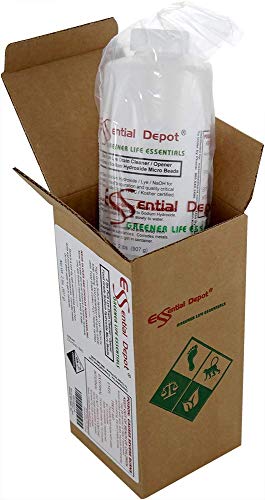
Essential Depot Pure Lye Drain Cleaner 2 lbs
Zep Acidic Toilet Bowl Cleaner 32 oz Case

Jecudi Hair & Grease Liquid Drain Cleaner

Roebic K-77 Granular Tree Root Killer 32 oz

Roebic K-570-Q Leach & Drain Field Opener

Roebic K-57-Q Septic System Cleaner 32 oz

Roto-Rooter Dual Action Septic Treatment 64 oz

Roto-Rooter Build-Up Remover Enzyme Cleaner 64 oz

Roto-Rooter 351405 Hair Clog Remover 64 oz

Roto-Rooter 351403 Gel Clog Remover 32 oz
What Each Pick Brings To The Table
This is the no-frills option for households that want a single chemical that handles the worst organic stoppages. Sodium hydroxide is the active ingredient (commonly called lye or caustic soda), and Essential Depot ships it as food-grade micro beads in a 2-pound HDPE container with a child-resistant cap. The micro bead form is the practical win: each particle absorbs water evenly, which means consistent dissolving action rather than clumps that dissolve unevenly.
Where it fits is heavy-duty organic blockages: grease, hair, and soap buildup that slower maintenance products struggle with. Compared to the enzyme-based picks below, it works much faster but demands more caution in handling.
What Pays Off
- Food-grade purity suitable for sensitive applications beyond drain work
- Evenly-sized micro beads dissolve with consistent results rather than clumping
- Child-resistant cap on the HDPE container for safer household storage
- Acts rapidly on the organic matter that causes most stubborn clogs
- A single 2-pound container handles multiple severe jobs
Things To Consider
- Caustic soda generates heat and fumes when water is added, requiring gloves and ventilation
- Ground-service shipping only, so delivery takes longer than standard
- Not the right tool for slow drains that need gentle, ongoing maintenance
Key Specs
Who It Suits Best
Experienced homeowners dealing with severe, recurring organic clogs who already understand safe handling of caustic chemicals.
Where Another Pick Suits Better
Households on septic systems should reach for Roebic K-570-Q Leach and Drain Field Opener instead, since sodium hydroxide disrupts the bacterial balance septic tanks depend on.
Where the previous pick works on the pipe interior, Zep’s acidic bowl cleaner works on the bowl itself. The formula is a 10 percent acid gel that clings to vertical porcelain surfaces, which is where rust, hard water residue, and organic stains love to settle. The angled neck targets under the rim, the area that regular scrubbing often misses.
This belongs in bathrooms with mineral-heavy water or persistent iron staining. Compared to bleach-based bowl cleaners, the acidic approach actually dissolves those mineral deposits rather than just bleaching the surface above them.
Notable Upsides
- Clinging gel formula stays on vertical surfaces long enough to do real work
- Targeted under-rim neck reaches the spots brushes routinely miss
- Removes rust and hard water residue at the source rather than masking it
- Case of four reduces the per-bottle cost for ongoing maintenance
Worth Noting
- Acidic formula requires gloves and good ventilation during use
- Not intended for clogs in the trap; this is a bowl-surface product
- Strong chemical scent may bother sensitive users
Made For
Homeowners with hard water or rust-stained toilets who want the bowl itself to look clean again, not just the water in it.
Look Elsewhere When
You need a drain-pipe unclogger rather than a bowl cleaner, in which case Roto-Rooter 351403 Gel Clog Remover is a better fit.
This liquid formula lands in the middle ground between harsh caustic drain openers and slow enzyme treatments. The active blend targets hair and grease, the two clog types most households face, and the formulation is designed to be safe for PVC, metal, and septic plumbing alike. The included microfiber towel is a small bonus for wiping up spills around the drain opening.
It’s a strong fit for households that want results without the chemical handling precautions that lye demands. Compared to the Roto-Rooter Hair Clog Remover covered later, Jecudi positions itself as the eco-friendly alternative.
What Works In Its Favor
- Tackles the two most common residential clog materials: hair and grease
- Safe formulation works on PVC, metal, and active septic systems
- Liquid form reaches deep into the P-trap where buildup collects
- Includes a microfiber towel for the inevitable splash cleanup
Honest Caveats
- Less powerful than sodium hydroxide on hardened, multi-year blockages
- Hair-specific formula is less useful on kitchen-side issues like food waste
Right Fit For
Households wanting a less aggressive chemical alternative that still handles bathroom hair clogs and light kitchen grease reliably.
Skip It When
The clog is years of accumulated buildup in a main line; that scenario calls for Roebic K-77 Granular Tree Root Killer or a professional.
Root intrusion is the silent culprit behind recurring toilet backups on properties with mature trees. Roebic K-77 is a granular copper-based formula designed to kill roots where they enter sewer and septic lines and to slow their regrowth. The granular form makes dosing straightforward: flush the measured amount down the toilet and let it sit overnight.
This is one of the most specialized items on the list. Where the Jecudi liquid targets hair and grease inside the house, K-77 reaches the lines outside the foundation. It is, in essence, a maintenance product that can delay or prevent an expensive excavation.
What Helps Most
- Copper-based formula kills roots at the entry point rather than just softening them
- Safe for all plumbing materials when used as directed
- Granular form is easier to dose than liquid alternatives
- Targets the actual cause of recurring outdoor sewer backups
A Few Limitations
- Won’t repair pipes that roots have already cracked or displaced
- Slow-acting by design, so it isn’t an emergency fix
- Treatment timing matters; flushing during low-flow periods gives the best contact time
Best Suited To
Homeowners on larger lots with mature trees who notice recurring slow drains and want to address root intrusion before it escalates.
Consider Something Else When
The clog is inside the house rather than the main line; in that case Roebic K-57-Q Septic System Cleaner is the more relevant Roebic pick.
Drain field failure is the most expensive septic problem a homeowner can face, and slow toilets are often the first warning sign. Roebic K-570-Q uses aerobic spore-bearing bacteria resistant to soaps and detergents to break down the organic mat that clogs leach fields. The 32-ounce concentrate treats a sluggish field without the harsh chemistry of earlier-generation openers.
Where the Essential Depot lye would devastate septic biology, this product actively restores it. Compared to the Roto-Rooter Dual Action Septic Treatment covered below, K-570-Q leans more toward field restoration than routine maintenance.
Advantages To Know
- Aerobic bacteria break down the organic mat that blocks leach fields
- Biodegradable formulation is safe for the surrounding soil
- Soap- and detergent-resistant bacteria survive normal household cleaning routines
- Targets the most expensive failure mode in any septic system
Practical Considerations
- Won’t fix a drain field that has already failed structurally
- Multiple treatments over weeks are typical, not a single-dose miracle
Key Specs
Who Will Love This
Septic homeowners who notice the earliest signs of slow drainage and want to restore field function before calling an excavation crew.
Not Your Match When
The property is on municipal sewer; pick the Jecudi Hair and Grease Cleaner for routine household clogs instead.
The K-57-Q is the more general-purpose sibling to the K-570-Q above. It uses Roebic’s Roetech bacterial blend to attack clogged areas inside the tank itself, addressing the sluggish conditions and backups that show up as toilets that drain slowly or gurgle when other fixtures run. The formulation contains no corrosive materials, which protects porcelain, pipes, and drain components.
This is the right pick for emergency septic symptoms that aren’t yet severe enough to suggest drain field failure. It works fast enough to matter in a genuine slow-tank situation.
Positive Takeaways
- Concentrated bacterial blend works quickly on sluggish septic conditions
- Non-corrosive formula is safe for porcelain, pipes, and drain assemblies
- Roetech bacteria specifically targets clogged areas inside the tank
- Effective in emergency situations when backups are starting to surface
Things To Weigh
- Won’t reverse a drain field that has already failed
- Bacterial products need consistent dosing to maintain results
Perfect Match For
Septic homeowners catching the early warning signs of a sluggish tank who want a non-corrosive treatment that won’t damage fixtures.
A Better Fit Elsewhere
Households on city sewer should look at Roto-Rooter Build-Up Remover for routine drain maintenance instead.
Roto-Rooter’s Dual Action treatment is built around the prevention side of the clog equation. Natural enzymes digest waste, paper, and grease before they accumulate into something the system can’t pass. The 64-ounce bottle is sized for households that want to dose monthly without running out mid-cycle.
Compared to the Roebic bacterial treatments above, Roto-Rooter leans on enzymes rather than bacteria. Enzymes act faster on fresh organic matter, which makes this a strong fit for ongoing maintenance rather than emergency restoration.
Useful Touches
- Natural enzymes digest organic matter before it accumulates
- Targets odor-causing residue to keep bathrooms smelling fresh
- Large 64-ounce bottle covers a long maintenance cycle
- Safe for toilets, drains, sinks, and full septic systems alike
Possible Compromises
- Enzymes act slowly on established clogs compared to bacterial or acid options
- Monthly dosing is necessary to maintain the protective effect
Built With In Mind
Septic households that want a set-and-forget preventive routine and prefer enzyme-based products over stronger chemistry.
Reach For A Different Pick When
You’re already facing a real backup; in that case Roebic K-57-Q works faster on existing tank clogs.
Slow drains rarely announce themselves; they just creep up over months of soap residue, grease, and organic matter narrowing the pipe interior. Roto-Rooter’s Build-Up Remover uses enzymes to gradually break down that narrowing layer before it becomes a complete blockage. The formula also targets odor at its source, which matters in kitchen sinks and bathroom lines alike.
Where the previous Roto-Rooter pick focuses on septic tank biology, this one focuses on the pipe walls themselves. For households on city sewer without septic concerns, it’s the more relevant choice.
Where It Delivers
- Enzymes work continuously to keep pipe walls clear over weeks
- Tackles grease, soap residue, and organic matter together
- Reduces drain odor as it works, not just after flushing
- Safe for septic, toilet, drain, and sink plumbing alike
Small Caveats
- Won’t clear an existing full blockage in a single dose
- Best results require consistent dosing over time
Key Specs
The Right Fit
City sewer households that want to prevent slow drains before they turn into full clogs and prefer enzyme-based products.
Swap It Out When
You need to clear an active clog right now; Roto-Rooter 351405 Hair Clog Remover is formulated for immediate hair clogs.
Hair is the single most common bathroom clog material, and the 351405 is formulated specifically to dissolve it. The professional-strength gel clings to the clog mass rather than running past it, which matters when standing water is already in the tub or shower. It’s safe for all pipes and septic systems, which is unusual for a product this targeted.
An important note: this product is not designed for toilets. For toilet-side clogs, the household needs a different solution. Where Jecudi’s formula covers hair and grease, Roto-Rooter 351405 is hair-only and optimized for that single job.
Useful Highlights
- Professional-strength gel formula clings to hair masses rather than running past
- Powers through standing water in tubs and showers
- Safe across all pipe materials and active septic systems
- Large 64-ounce bottle handles multiple bathroom incidents
Points To Note
- Not labeled for toilet use; a separate approach is needed there
- Hair-specific, so it is less useful on kitchen-side clogs
Whose Shelf It Belongs On
Households with long-haired family members who deal with recurring shower and tub clogs and want a targeted fix.
Another Choice May Suit
For a bathroom-side clog in a sink or shower that involves both hair and grease, the Jecudi Hair and Grease Cleaner handles both.
The 351403 is the multi-purpose counterpart to the 351405 above. It tackles hair, grease, soap scum, and similar organic debris in showers, tubs, bathroom sinks, and kitchen sinks. The gel viscosity is engineered to reach the clog mass through standing water, then cling to it long enough to break it down.
Like the 351405, this product is not designed for toilet use, so households with toilet-specific clogs need a different approach. For everything else in the house, the 351403 is the versatile choice.
A Favorable Mix
- Multi-clog formula handles hair, grease, and soap scum together
- Safe for all pipes, septic systems, and even garbage disposals
- Gel consistency reaches clogs through standing water
- Works across showers, tubs, bathroom sinks, and kitchen sinks
Trade Offs
- Not labeled for toilet use, limiting its reach inside the home
- Smaller 32-ounce bottle than the 351405, so it runs out faster in heavy-use homes
Feature Snapshot
Who Should Grab It
Homeowners who want one product that handles the messy variety of everyday clogs across multiple rooms and drain types.
Where A Sibling Pick Shines
For pure toilet clogs, Roebic K-57-Q addresses tank-side backups more directly than this drain-only gel.
Choosing The Right Approach For Your Bathroom
The most important first step is figuring out where the clog actually lives. Toilet symptoms like gurgling when other fixtures run, slow tank-side drainage, or backups that surface in tubs point to the main line or septic system. Localized toilet clogs that respond to plunging usually mean an obstruction in the trap itself.
Match the product to the symptom rather than reaching for the strongest option first. A slow, recurring bathroom sink is a job for an enzyme treatment like Roto-Rooter Build-Up Remover. A toilet that backs up once a month with the washing machine running is a septic conversation, not a drain-cleaner conversation.
Consider your plumbing system carefully. Sodium hydroxide products like Essential Depot lye should never enter a septic tank; they disrupt the bacterial ecosystem the system depends on. Bacteria- and enzyme-based products are the safer choice for any septic household.
Finally, think about ongoing maintenance versus emergency fixes. Heavy-duty chemical openers solve immediate problems but rarely prevent the next one. A monthly enzyme or bacterial treatment, paired with mechanical prevention like hair catchers, addresses the root cause over time.
Smart Habits That Keep Drains Clear
Common Shopping Slip Ups
The biggest mistake is grabbing a heavy-duty chemical drain opener for a slow drain that enzymes would handle safely. Sodium hydroxide products work, but they create heat, fumes, and disposal concerns, and they damage septic biology when used repeatedly. For most households, an enzyme or bacterial product handles the problem without those trade-offs.
The other common error is using the wrong product in the wrong fixture. The Roto-Rooter 351405 and 351403 are explicitly not designed for toilets, even though toilet clogs are the most common household blockage. Reading the label before pouring saves both the plumbing and the cleanup effort.
Where The Extra Money Goes
Higher-tier options in this category buy bacterial or enzyme blends that do their work gradually rather than aggressively. That trade-off matters for septic systems, for households with old or fragile plumbing, and for anyone who treats a slow drain as a maintenance signal rather than an emergency.
Specialized products like Roebic K-77 cost more than generic drain openers because they target a specific problem (root intrusion) that nothing else addresses at the household level. The price premium is justified only when the actual problem matches what the product handles.




