

Smart lighting used to mean committing to a hub, a bridge, a subscription, and a weekend of setup. Not anymore. A growing crop of bulbs talk directly to your home Wi-Fi or a phone over Bluetooth, so you can screw them in, open an app, and start dimming, color-changing, or scheduling in minutes. This roundup focuses on the no-hub route, the picks that keep things simple for renters, first-timers, and anyone who’d rather not add another box to the network closet.
The Lineup, Simplified

Philips Hue Smart 60W A19 LED Bulb 2-Pack
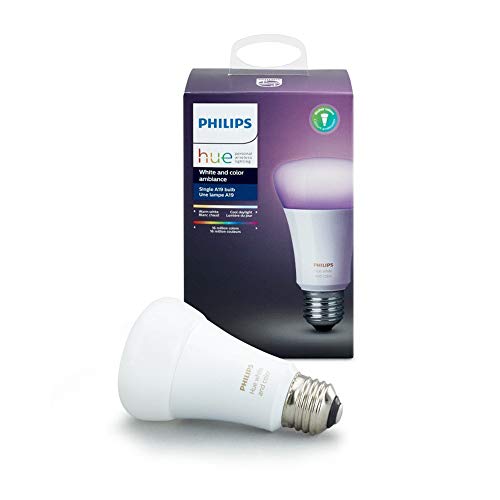
Philips Hue Premium A19 Smart Bulb 16M Colors

Philips Hue A19 LED Smart Bulb 3-Pack

Feit Electric A19 LED Bulb 5CCT 10-Pack

Lightinginside Smart Light Bulbs 100W 4-Pack

Lightinginside Smart E12 LED Bulbs 4-Pack
Feit Electric A19 Motion Sensor LED Bulb

Lightinginside Smart Bulbs 6-Pack Wi-Fi
The Details Behind The Selections
This two-pack is the friendliest on-ramp into the Hue universe for someone who isn’t ready to commit to a hub. Each bulb outputs 800 lumens at a 60W equivalent, screws into a standard E26 socket, and ships with full white-and-color ambiance support, so warm movie-night amber and bright weekend-party blue all live inside the same bulb. Bluetooth control covers up to ten bulbs in a single room through the free Hue app, which is plenty for a living room or open-plan kitchen.
The trade-off shows up the moment you want whole-home control or automations that run while you’re out. Adding the Hue Bridge later unlocks remote access and richer routines, and for most people that bridge becomes inevitable once you own more than a handful. As a first taste, though, this two-pack delivers polish and reliability that the bargain brands struggle to match.
Standout Benefits
- Screw-in Bluetooth setup that genuinely takes under a minute, no account gymnastics required.
- Full color spectrum plus tunable white, so one bulb handles dinner parties and late-night reading alike.
- Voice control through Alexa and Google Assistant over Bluetooth keeps hands-off operation simple from day one.
- Long-established Hue app means automations, scenes, and third-party integrations are well documented for newcomers.
Things To Consider
- Bluetooth range caps at roughly one room, so back bedrooms and detached spaces need a hub or a closer phone.
- The two-pack price per bulb is high, and you’ll likely want more soon.
Who Will Love This
First-time smart-light shoppers dipping a toe into color control without buying a bridge yet.
Reach For A Different Pick When
The Feit Electric A19 LED Motion Sensor Light Bulb suits someone who wants automatic hands-free activation in hallways instead of app-driven color scenes.
This single Hue A19 sits at the top of the family tree. It’s the older “premium” generation that still threads into Alexa, Apple HomeKit, and Google Assistant ecosystems when paired with the Hue Bridge, and it delivers the full 16-million-color range Philips is known for. As a stand-alone bulb on the shelf, it barely does anything: without a Hue Hub, you lose the voice integrations and the automations that make the brand worth the cost.
So this pick rewards a shopper who already plans to buy a hub, or already owns one, and wants one perfectly tuned bulb to drop into a reading lamp. It’s overkill for a closet light and a smart pick for the fixture you stare at every evening.
Where It Delivers
- Broadest smart-home compatibility of any bulb on this list once the Hue Bridge is in play.
- 16 million colors plus warm-to-cool whites, so the same bulb can shift from task lighting to mood lighting in seconds.
- Plays nicely with existing Nest and SmartThings hubs for users layering it onto a bigger smart-home setup.
Points To Keep In Mind
- Requires a Hue Bridge sold separately, which doubles the effective setup cost.
- Older revision means newer generation Hue bulbs may offer slightly better energy efficiency at similar outputs.
Best Suited To
Existing Hue households upgrading a single fixture, or buyers committed to a full Hub-driven Hue ecosystem.
Swap It Out When
The Philips Hue Smart 60W A19 LED Bulb 2-Pack is the better entry point for anyone not yet ready to commit to a hub purchase.
Three bulbs in a single box shifts the math in your favor. Where the two-pack feels like a starter, this three-pack feels like a small installation: a floor lamp, a kitchen pendant, and a bedroom overhead can all become color-aware in one afternoon. Output matches the standard Hue A19 at a 60W equivalent with the same white-and-color ambiance range.
Owners commonly report that adding a Hue Bridge is the moment these bulbs really wake up, unlocking Matter-based connections to other smart-home devices and stable automations that don’t fight your Wi-Fi. Out of the box, you still get Bluetooth control and voice through Alexa or Google, just like the two-pack.
The Good Stuff
- Three-bulb count keeps per-bulb cost meaningfully lower than the smaller Hue packs.
- Drop-in fit for standard E26 fixtures across living rooms and bedrooms.
- Future-ready with Matter support once a Hue Bridge is added to the system.
Trade Offs
- Full feature set only unlocks with a separately purchased Hue Bridge.
- Color bulbs draw more power on standby than simple white-only smart bulbs.
Whose Shelf It Belongs On
Apartments and small homes where three rooms will adopt smart lighting at once.
Consider Something Else When
The Lightinginside Smart Light Bulbs 100W 4-Pack is a smarter grab if you primarily need high-lumen white light across large fixtures.
These Feit bulbs are not app-controlled, and that’s the point. They ship as a ten-pack of tunable white LEDs with a physical toggle on the base that lets you cycle through five color temperatures, ranging from warm 2700K to daylight 5000K. For renters or anyone skittish about Wi-Fi bulbs, that toggle-and-go simplicity has real appeal.
Each bulb pushes 800 lumens at a 60W equivalent, so output matches a standard household bulb. The trade-off is no dimmer-switch compatibility, no scheduling, and no voice control, meaning you trade app smarts for mechanical simplicity. A practical ownership tip: pair these with regular on-off wall switches and let the bulb’s built-in selector do the rest.
Reasons It Performs
- Five color temperatures in one bulb let you retune a room without buying new LEDs.
- Ten-bulb count makes whole-home retrofits practical for first-time LED upgrades.
- No app, no account, no firmware updates, ideal for low-fuss users.
A Few Limitations
- No smart-home integration, so voice control and scheduling are off the table.
- Wall dimmer switches should be avoided to keep the color-toggle from flickering.
The Right Fit
Whole-home LED conversions where tunable white light matters more than app-driven automation.
Look Elsewhere When
The Philips Hue Smart 60W A19 LED Bulb 2-Pack is the smarter choice if you actually want voice and app control out of the box.
Key Specs
Where standard smart bulbs top out around 800 lumens, this Lightinginside pack pushes 1350 lumens at a 100W equivalent. That’s the difference between a lamp that softly fills a bedside table and a fixture that washes an entire great room. Pair four of them and you have a serious lighting overhaul for vaulted ceilings, open kitchens, and long hallways.
Control comes through Wi-Fi using the SmartLife app, with Alexa and Google Assistant voice on top. Dimming runs through the app or your voice rather than a wall dimmer, so existing dimmer switches should be bypassed or removed to avoid flicker.
Bright Spots
- High 1350-lumen output makes them well suited to larger living spaces.
- Tunable white plus full color range keeps mood lighting flexible.
- Direct Wi-Fi control removes the bridge requirement.
Small Caveats
- No compatibility with traditional dimmer switches.
- Wi-Fi-only control means a network hiccup briefly takes them offline.
Made For
High-ceiling homes and open-plan rooms where 800-lumen smart bulbs feel underpowered.
A Better Fit Elsewhere
The Feit Electric A19 LED Bulb 5CCT 10-Pack makes more sense for users who prefer mechanical simplicity over Wi-Fi control.
Quick Facts
The E12 candelabra base is the small threaded socket you’ll find in chandeliers, sconces, and decorative fixtures. Most smart-bulb makers skip it because the form factor is tricky. Lightinginside tackles it head-on with this four-pack of Wi-Fi smart bulbs rated at a 60W equivalent, with both white tuning and color control.
A second-generation BLE plus Wi-Fi dual-channel chip handles setup, and the brand claims roughly three-times-faster pairing than the previous generation. Once online, the bulbs continue to respond locally through Bluetooth when Wi-Fi drops, which is a quiet but useful reliability feature for households with patchy networks.
Notable Upsides
- Fills a niche most smart-bulb brands ignore with a proper E12 candelabra option.
- BLE backup keeps commands responsive when the home Wi-Fi stumbles.
- Color plus tunable white in a fixture base that usually only ships dim or warm-white.
Less Ideal Details
- Smaller bulb bodies may sit oddly in oversized candelabra fixtures.
- Wi-Fi-only control depends on a stable 2.4 GHz network for best results.
Perfect Match For
Dining-room chandeliers, wall sconces, and decorative fixtures with E12 sockets.
Skip It When
The Lightinginside Smart Light Bulbs 100W 4-Pack is the better call for standard E26 fixtures in rooms that need brighter output.
This single Feit bulb dresses up like a regular A19 LED but hides a motion sensor inside. It detects movement up to 19 feet away, switches the light on, and powers off after five motion-free minutes. Color temperature is selectable on the bulb itself, ranging from 2700K soft white to 5000K daylight, so the same fixture can warm up for nighttime or cool down for daytime tasks.
The 800-lumen output matches a typical 60W bulb. Because it’s a sensor-driven bulb rather than a Wi-Fi one, no app, no account, and no bridge are required, which keeps the experience genuinely plug-and-play for storage closets, basement stairs, and garage entries.
Strengths Worth Knowing
- Built-in PIR motion sensor removes the need for separate fixtures or smart switches.
- Five selectable color temperatures allow one bulb to cover different times of day.
- App-free operation keeps setup to a single screw-in step.
Practical Considerations
- Sensor range tops out around 19 feet, so very large rooms may need multiple bulbs.
- Five-minute auto-off may feel too short for some basement or workshop tasks.
Who Should Grab It
Hallways, closets, and garage entries where automatic hands-free lighting beats app control.
Not Your Match When
The Philips Hue A19 LED Smart Bulb 3-Pack better serves a user wanting full color scenes and voice-driven routines.
Six Wi-Fi smart bulbs in one box make this Lightinginside pack a practical apartment-wide starter. Each bulb joins the SmartLife app over your existing 2.4 GHz Wi-Fi, with Alexa and Google Assistant voice on top, so a single router handles the whole bundle without a hub in the middle.
The dual-channel BLE plus Wi-Fi chip aims to make pairing roughly three times faster than older generations. Owners commonly report that the BLE fallback keeps basic on-off commands responsive even when the home Wi-Fi misbehaves, which is a useful safety net for a six-bulb setup.
What Pays Off
- Six-bulb count suits a full-room or whole-apartment smart-light rollout in one purchase.
- Wi-Fi direct connection keeps the system hub-free.
- BLE backup maintains local control when the Wi-Fi network drops.
Factors To Consider
- Six bulbs on one Wi-Fi network can strain older routers with many connected devices.
- SmartLife app ecosystem may feel less polished than Hue or HomeKit for advanced routines.
Built With In Mind
Apartment dwellers ready to commit a half-dozen fixtures to smart control without buying a hub.
Where Another Pick Suits Better
The Philips Hue A19 LED Smart Bulb 3-Pack is the better fit for users invested in the Hue ecosystem and willing to add a Bridge later.
Feature Snapshot
What To Weigh Before Buying Smart Light Bulbs Without A Hub
The “no hub” promise sounds simple until you compare bulbs side by side. The differences live in how each bulb talks to your phone, what happens when Wi-Fi drops, and how much control you keep without buying extra gear.
Wi-Fi vs Bluetooth: The Real Difference
Wi-Fi bulbs connect directly to your home router, so you control them from anywhere you have a signal. The catch: they pull bandwidth from your network, and a router bogged down by phones, laptops, and TVs may struggle to keep up. Bluetooth bulbs talk straight to your phone, which keeps your network uncluttered but limits range to roughly one room, meaning your phone has to be nearby or you need a hub for whole-home reach.
Color, Tunable White, Or Just White?
Color-changing bulbs cost more than white-only equivalents and draw slightly more standby power. Tunable white sits in the middle, letting you shift between warm and cool white without paying for full RGB (red-green-blue) LEDs. For most homes, tunable white covers the everyday use cases, while color earns its keep in living spaces and entertainment setups.
Bulb Base Compatibility
The standard E26 screw base fits most lamps and ceiling fixtures in U.S. homes. The smaller E12 candelabra base shows up in chandeliers and decorative sconces, which is why the Lightinginside E12 pack exists. Skim your fixture list before you order, since a five-bulb order of E26 bulbs won’t help a dining-room chandelier.
Dimmer Switch Compatibility
Most smart bulbs, including all Wi-Fi picks on this list, do not play well with traditional wall dimmers. Pairing them can cause flicker, hum, or shortened bulb life. The fix is either bypassing the dimmer, replacing it with a regular on-off switch, or using the bulb’s app-based dimming exclusively.
Slip-Ups Worth Skipping
Mistakes Worth Dodging
A surprisingly common slip-up is assuming any bulb labeled “smart” works without a hub. Several well-known brands still require a proprietary bridge to unlock voice control, color scenes, or even basic scheduling. Double-check the “no hub” claim against the actual control method described in the listing. Buying a ten-bulb smart-bulb pack without checking your router’s capacity is the other classic mistake: each bulb eats a Wi-Fi slot, and an older router may buckle once you cross a dozen connected devices.
Where The Extra Money Goes
Higher-tier bulbs earn their premium through steadier connectivity, broader color accuracy, and longer published lifespans. Hue bulbs, for example, layer in tight integration with Alexa, HomeKit, Google, and Matter once a Bridge is in play. Premium picks also tend to ship with better onboard memory for scenes and faster recovery after a power outage. For a single fixture, a budget bulb is fine, but for a whole-home install, the upgrade usually pays for itself in fewer headaches.
Frequently Asked Questions
Do smart bulbs work without Wi-Fi?
Most Wi-Fi-based smart bulbs need a network connection for app control, though several include Bluetooth fallback for basic on-off commands. Hue Bluetooth bulbs run without Wi-Fi entirely, which is useful in dorms or rental units with patchy networks.
Will smart bulbs work with any voice assistant?
Not every bulb supports every voice platform. Hue and Lightinginside both work with Alexa and Google, while Hue additionally supports Apple HomeKit once a Bridge is added. Check the specific listing for the assistant you actually use.
How long do smart bulbs last?
Most LED smart bulbs are rated for 15,000 to 25,000 hours, which translates to roughly a decade of normal household use. Wi-Fi radios and color LEDs can shorten that slightly compared to plain white LEDs.
Can I use smart bulbs with a dimmer switch?
Generally, no. Most smart bulbs flicker or hum when paired with a traditional wall dimmer. Use the bulb’s app-based dimming or replace the wall switch with a regular on-off model for best results.
Do smart bulbs use power when off?
Yes, smart bulbs draw a trickle of standby power to keep their radios listening for commands. The draw is small, but it’s worth factoring in for very large whole-home installations.
Closing Remarks
The no-hub smart-bulb category has matured to the point where the right pick depends less on “can it connect” and more on “where will it live.” A chandelier wants an E12, a hallway wants motion sensing, and a movie-night living room wants full color. Match the bulb to the fixture, the routine, and the network you actually have, and the rest tends to fall into place.
