A sewer pump is the unglamorous hero of any finished living area with a bathroom or laundry room below the main sewer line. When the wrong one is installed, you find out fast, usually in the worst way, with solids backing up into a basement bath or a sump pit that won’t stay empty. Choosing well means matching horsepower, solids handling, and float-switch behavior to the way your home actually drains.
The ten submersible options below span light-duty residential sewage to heavy-cast grinder models that chew through whatever heads their way. Some prioritize flow, others prioritize clog resistance, and a couple focus on easy swap-in replacement. Use this list to narrow the field, then dig into the spec sheets and basin dimensions before committing.
Your Options, Compared
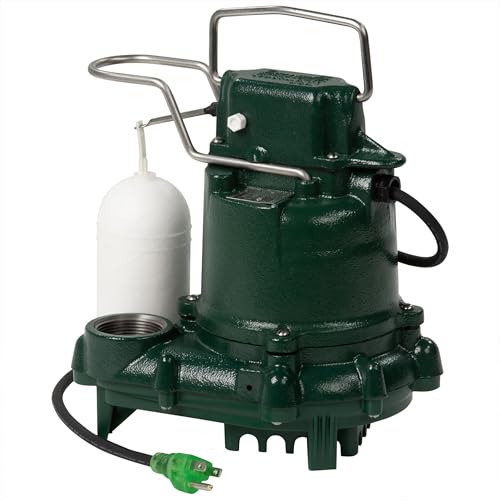
Zoeller M53 Mighty-mate Submersible Sump Pump 1/3 HP

Zoeller M98 Flow-Mate Sump Pump 1/2 HP Cast Iron
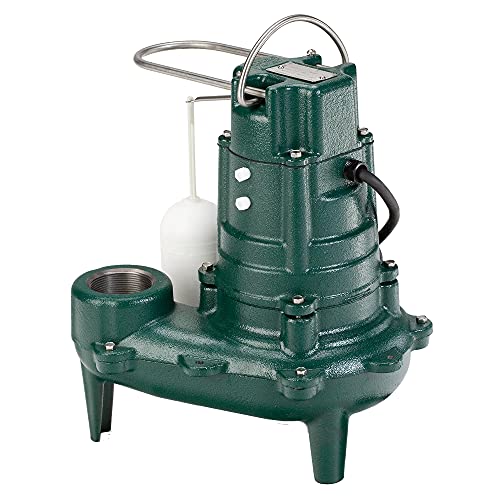
Zoeller Waste-Mate 267-0001 Sewage Pump 1/2 HP

1102RP Replacement Pump for S1101 and S1102

LEO 1/2 HP Submersible Sewage Pump 6000 GPH

Little Giant 10SC-CIA-SFS 1/2 HP Sewage Pump

Little Giant 1 HP Cast Iron Submersible Grinder Pump

1/2 HP Sewage Pump 6020 GPH Cast Iron Effluent Pump
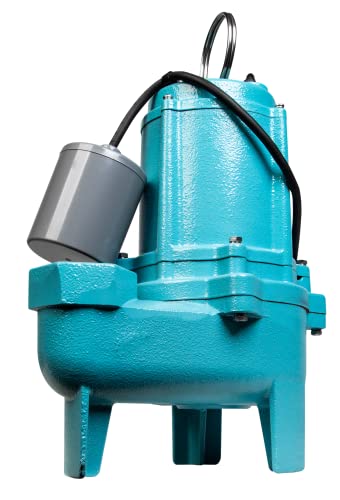
Little Giant 9SC-CIA-RF 4/10 HP Sewage Pump 20-Ft Cord
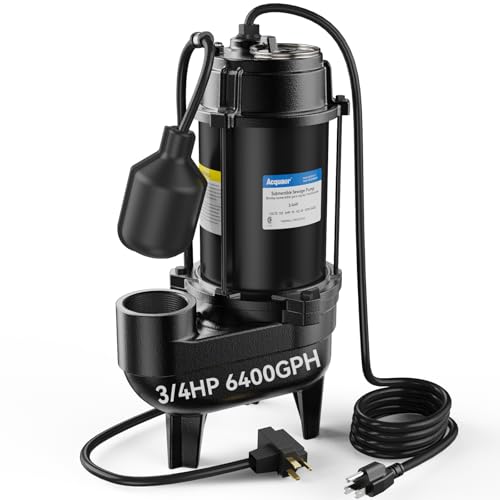
Acquaer 3/4 HP Submersible Sewage Pump 6400 GPH
The Details Behind The Selections
The M53 has earned its reputation over decades as a workhorse for sump pits that see modest groundwater infiltration. The cast iron housing and motor shell help move heat away from internal windings, which matters when the pump cycles often during a wet spring. A vortex-style impeller, which is a curved rotor design that resists clogging by keeping solids moving past the intake, makes short work of the small debris that drifts in.
For most homeowners without a true sewage basin, this is the dependable middle-ground pick. It is not designed to pass 2-inch solids, so pairing it with a sump pit rather than a bathroom-drainage basin is the realistic move.
Everyday Wins
- Time-tested cast iron build resists corrosion over years of submersion
- Compact footprint fits standard residential sump basins without modification
- Vortex impeller pattern reduces the chance of stalling on stray debris
- Float-activated switch removes the need for manual start-stop cycles
Things To Consider
- Only rated for clear-water duty, so solids from a basement bathroom will overwhelm it quickly
- Owners commonly report that the switch mechanism benefits from periodic cleaning to stay responsive
Best Suited To
Homeowners dealing with straightforward groundwater seepage in a finished basement who need a long-lasting sump pump rather than a sewage model.
Look Elsewhere When
The Zoeller Waste-Mate 267-0001 is a better match for basements that must move solid waste from a half-bath or laundry drain.
Step up to the M98 and you trade the M53’s modest output for noticeably more flow per minute, plus an oil-filled motor that sheds heat more efficiently under sustained duty. The 9-foot power cord and the LED indicator plug, which lights up when the pump has live voltage, give you quick visual confirmation that the unit is actually energized before you start chasing clogs.
This is the right pick for homeowners whose sump basins fill fast during storms or snowmelt, and who want the option of running the pump on longer cycles without cooking the motor.
Notable Gains
- Higher GPH output clears a flooded pit faster than most 1/3 HP residential pumps
- Oil-cooled design extends motor life during heavy cycling in wet seasons
- Stainless steel hardware stands up better to corrosion than plated alternatives
- Snap-action float switch is easy to adjust during install
Worth Noting
- Heavier than 1/3 HP models, so lifting it out of a deep basin for service can be a two-hand job
- Also intended for clear water, not solids-bearing waste
Who It Suits Best
Homeowners in flood-prone regions who want extra margin against heavy inflow and value the LED plug as a diagnostic aid.
Consider Something Else When
The Acquaer 3/4 HP Sewage Pump makes more sense for households that need to push waste uphill through a long vertical run.
The Waste-Mate shifts the conversation from sump water to actual sewage, and it does so with the kind of build that defines Zoeller’s commercial-grade pedigree. Class 25 cast iron for the switch case, motor housing, and volute (the spiral chamber that channels water into the discharge port) means the unit can sit in raw wastewater for years without rotting through. The 2-pole mechanical switch handles the on-off signaling without depending on electronics that might fail in a damp pit.
For a finished basement with a half-bath, a wet bar sink, or a laundry outlet, this is the engine that gives you peace of mind. It also compares favorably to the M98 from earlier in the list, because while both share 1/2 HP ratings, only this one is built to pass solid waste.
A Strong Showing
- Passes 2-inch spherical solids without bogging down
- Heavy cast iron construction tolerates long-term immersion in raw sewage
- Mechanical float switch keeps operating reliably even after years of duty
- Non-clogging vortex impeller design suits both home and light commercial use
Trade Offs
- Substantially heavier than clear-water sump models, which matters when lifting for service
- Power cord length is modest compared to deep-pit alternatives like the Little Giant 9SC-CIA-RF
Key Specs
Made For
Homeowners adding a basement bathroom or relocating laundry below grade who need a pump rated for actual sewage, not just groundwater.
Skip It When
The Little Giant 1 HP Grinder Pump fits better for systems plagued by chronic clogs, since its grinding action reduces solids before they ever reach the impeller.
This is not a general-purpose pump. The 1102RP exists for one narrow job: replacing a worn-out pump inside a Saniflo S1101 or S1102 PowerFlush sewage ejector system. If your basement bath runs through one of those macerating units (a system that grinds waste into slurry before pumping it upward) and the pump has finally given up, this drop-in cartridge restores it without ripping out the whole assembly.
Made in the USA and backed by a 90-day limited warranty, the 1102RP is a targeted fix rather than a new install. The trade-off is obvious: it does nothing for anyone who does not already own the parent system.
Useful Highlights
- Direct OEM replacement saves the cost and labor of replacing the entire macerator system
- Domestic manufacturing simplifies parts availability for follow-up service
- Compact form factor matches the original Saniflo housing without retrofitting
Honest Caveats
- Useful only if your basement already runs on the S1101 or S1102 platform
- Short warranty window compared to full residential pumps
Perfect Match For
Owners of an existing Saniflo PowerFlush system who need a like-for-like pump swap without hiring a plumber to redo the basin.
A Better Fit Elsewhere
Homeowners building a new basement bathroom from scratch should look at the Zoeller Waste-Mate 267-0001 instead, since it integrates into a standard sewage basin.
LEO brings 6000 GPH (gallons per hour) of flow and a 29-foot maximum head (vertical lift capability) to a price bracket where most competitors cut corners on the motor. The oil-filled split capacitor motor (a design where a start capacitor boosts initial torque and then drops out of the circuit once running) delivers the kind of starting torque that matters when solids are sitting in the impeller.
Compared to the BOMGIE model further down the list, the LEO trades a few hundred GPH for slightly stronger lift capability. Either way, you are looking at a budget-friendly entry point that handles typical basement sewage duty without the premium price tag.
Positive Points
- Cast iron housing holds up to long-term submersion better than plastic-bodied alternatives
- Strong 29-foot head rating handles deep basins and longer discharge runs
- 6000 GPH flow clears basins quickly during peak demand
- Auto and manual control modes give flexibility during install and testing
Room For Improvement
- Brand recognition trails Zoeller and Little Giant, so long-term parts sourcing may take extra effort
- Owner feedback suggests periodic impeller inspection pays off to maintain peak flow
Quick Facts
Right Fit For
Budget-conscious homeowners installing a basement sewage basin who want cast iron durability without the premium-tier cost.
Not Your Match When
The Little Giant 1 HP Grinder Pump is the smarter buy for households with chronic clogging issues, since grinding solids before they reach the impeller prevents the very problem this pump is most likely to face.
Little Giant’s 10SC series targets the upper end of light-to-medium sewage transfer, with a 7200 GPH rating that outpaces most residential peers. The “SFS” suffix signals an integrated float switch, so the pump arrives ready for drop-in wiring without sourcing a separate control. The cast iron motor housing stands up to the thermal stress of frequent cycling.
This model earns its place when the workload stretches beyond a single basement bathroom into a small accessory dwelling unit or a light commercial setup, and you want headroom above what the LEO or BOMGIE pumps deliver.
Where It Excels
- 7200 GPH flow handles simultaneous fixtures without basin overflow
- Integrated float switch simplifies installation and wiring
- Engineered for residential, commercial, and agricultural use cases
- Dependable long-term performance reduces service frequency
Points To Keep In Mind
- Higher capacity comes with heavier construction, so plan for a secure mount
- Premium positioning means it costs more than basic 1/2 HP models
Who Should Grab It
Property owners running a basement apartment, salon, or small workshop with multiple drain sources who need flow capacity that basic residential pumps cannot match.
Reach For A Different Pick When
Single-fixture basement setups are overserved by this unit; the Zoeller Waste-Mate 267-0001 is a better fit for typical household use.
Where every other pump on this list passes solids whole or relies on vortex clearance, the Little Giant grinder attacks them directly. The 1 HP motor drives a cutting mechanism that reduces waste to slurry before it reaches the impeller, which is exactly what you need in a basin fed by older plumbing with chronic binding problems. Cast iron throughout keeps the housing tough enough to handle the mechanical stress of grinding.
Designed as a drop-in replacement for sewage pumps below 3/4 HP, this unit also suits new installs where the homeowner wants the last word in clog resistance.
Strong Points
- Grinder action eliminates the binding issues that plague vortex impellers
- 1 HP motor handles high-pressure discharge runs without bogging down
- Suited to residential or light commercial environments
- Cast iron build tolerates the vibration and torque of grinding duty
Softer Spots
- Cutting mechanism requires occasional inspection, and owners commonly report that hard debris still stresses the blades over time
- Higher upfront cost than non-grinder alternatives of similar horsepower
- Powerful motor demands a properly rated electrical circuit, so older basement wiring may need an upgrade first
Built With In Mind
Homeowners with older plumbing systems or a history of sewage clogs who want the mechanical advantage of a grinder over a basic vortex pump.
Swap It Out When
Households with newer, well-behaved plumbing can save money with the BOMGIE 1/2 HP model and still get reliable sewage handling.
The BOMGIE 1/2 HP unit slots into the same value-oriented tier as the LEO pump earlier in the list, with 6020 GPH of flow and a 28-foot maximum head. Where it differs is the emphasis on automatic float-switch operation out of the box, simplifying install for homeowners who do not want to think about manual override modes.
For a standard basement sewage basin receiving waste from a single bathroom and a laundry drain, this is the kind of pump that does its job without calling attention to itself. The trade-off shows up when you push it into heavier commercial territory.
What Earns Its Place
- Reliable automatic float switch handles on-off cycling without intervention
- Cast iron body holds up to the chemistry of typical household sewage
- Oil-filled capacitor motor runs cooler during extended duty cycles
- Reasonable 28-foot head accommodates most residential vertical runs
Potential Drawbacks
- Lower GPH than the Little Giant 10SC, so multi-fixture demand can slow drainage
- Less name recognition means warranty service may involve longer wait times
Whose Shelf It Belongs On
Homeowners outfitting a typical basement bathroom setup who want a straightforward auto float pump without premium pricing.
Where Another Pick Suits Better
The Little Giant 10SC-CIA-SFS is the right swap when your basement sees more than two fixtures draining at the same time.
The 9SC-CIA-RF trades horsepower for installation flexibility. With 4/10 HP and a 6000 GPH rating, it sits below the 10SC in raw capacity, but it offsets that with a 20-foot power cord, the longest in this roundup. Deep pit installations where the nearest outlet sits far from the basin benefit immediately, since you avoid splicing extension cords in a damp environment.
The piggyback tethered float switch, which connects between the pump and the outlet so you can swap the float without rewiring, simplifies service and replacement. Epoxy-coated cast iron adds another layer of corrosion protection on top of the standard housing.
What Pays Off
- 20-foot cord eliminates the need for spliced connections in deep basins
- Piggyback float switch design makes future replacement tool-free
- Epoxy coating adds corrosion resistance over plain cast iron
- Handles 2-inch solids for typical residential sewage loads
Less-Strong Areas
- Lower horsepower means slower clearing if multiple fixtures discharge at once
- Activates at 16 to 19 inches, so basins with shallower working depth may not trigger reliably
Feature Snapshot
Who Will Love This
Homeowners with deep sump basins or distant power outlets who want straightforward installation without extension cord compromises.
Another Choice May Suit
The Zoeller M98 Flow-Mate offers higher flow for households that prioritize clearing speed over cord length.
Acquaer’s 3/4 HP pump steps up the horsepower without abandoning the residential form factor. The 6400 GPH flow pairs with a 29-foot maximum head, which makes it a natural fit for basements where the discharge line has to climb to reach the main sewer stack. The oil-filled split capacitor motor keeps internal temperatures manageable even when the pump runs for long stretches during a storm.
One important note: this unit is not approved for septic tank use. For municipal sewer tie-ins and standard sewage basins, however, it delivers serious headroom over the typical 1/2 HP options.
Where It Delivers
- 3/4 HP motor pushes waste through vertical lifts that stall smaller pumps
- 29-foot maximum head handles long horizontal and vertical discharge runs
- Cast iron construction supports long service life in submerged operation
- Adjustable mechanical float switch lets you tune activation depth to the basin
Areas To Watch
- Not intended for septic tank applications, so confirm your waste destination before buying
- Higher current draw means verifying your circuit breaker has the headroom
Feature Rundown
Built With In Mind
Homeowners whose sewage ejector must push waste uphill to reach the main sewer line, or who want extra flow margin for larger basins.
Where A Sibling Pick Shines
The Little Giant 1 HP Grinder Pump wins for households with chronic clogging, since grinding solves the problem this pump only manages.
What To Weigh Before Picking A Sewage Pump
The first decision is solids handling. A pump rated only for clear water, like the Zoeller M53 or M98, belongs in a sump pit that catches groundwater, not in a basin fed by a basement toilet. Sewage-rated pumps such as the Zoeller Waste-Mate or the Little Giant 10SC pass 2-inch spherical solids, which covers typical household waste. If the household has older plumbing that tends to shed wipes or other debris, a grinder pump reduces those solids mechanically before they ever reach the impeller.
Horsepower matters less than people think. For most single-bathroom basement installations, 1/2 HP is sufficient. The Acquaer 3/4 HP earns its keep when the discharge run climbs steeply or the basin fills fast. Going above 1 HP without a real flow demand just adds electrical load without practical gain.
Float switch style is the third variable. Mechanical floats are simple and reliable but can stick if debris fouls the pivot. Piggyback tethered floats, like the one on the Little Giant 9SC-CIA-RF, let you replace just the switch without pulling the pump. Adjustable mechanical floats, on the Acquaer model, let you tune activation depth to an unusual basin shape.
Finally, match the cord length to the basin depth. A 9-foot cord suits shallow installations. Anything deeper than 12 to 14 feet benefits from the 20-foot cord on the Little Giant 9SC, since splicing an extension in a wet environment creates a real failure risk over time.
Key Considerations Across These Picks
Mistakes Worth Dodging
One of the most common slip-ups is buying a sump pump for a sewage job. They look similar, share similar horsepower ratings, and often sit near each other on a listing page, but a sump pump impeller stalls the first time it meets a sock or a wad of paper. Confirm the pump is rated for sewage or effluent before installation.
Another trap is underestimating the vertical lift. A pump rated for 6000 GPH delivers that flow only at zero head. Once you add 10 or 15 feet of vertical rise, the actual flow drops substantially. Calculate the total dynamic head (the combined vertical lift plus friction losses from pipe length and fittings) before choosing a model.
What The Higher Tier Buys
Premium-tier pumps earn their cost through construction and component quality. The Little Giant 1 HP grinder pump, for example, includes a cutting mechanism that basic vortex pumps lack entirely. Cast iron housings throughout, oil-filled motors for better heat management, and stainless steel hardware all show up first in the upper price brackets.
The upgrade pays off when the workload is heavy or the consequences of failure are severe. A grinder pump makes sense in a basement apartment where a backup means property damage. For a lightly used half-bath, a mid-tier 1/2 HP sewage pump delivers the same protection at lower cost.
Frequently Asked Questions
What is the difference between a sump pump and a sewage pump?
A sump pump handles clear groundwater in a pit, while a sewage pump moves wastewater containing solids from basement bathrooms or laundry drains. Sewage pumps pass at least 2-inch spherical solids and use vortex or grinder impellers to resist clogging.
How do I know what horsepower I need?
Most residential basement bathrooms work fine with 1/2 HP. Choose 3/4 HP or 1 HP when the discharge line climbs more than 15 feet vertically or when multiple fixtures drain at the same time. Overpowering a small basin can cause short cycling, where the pump turns on and off rapidly, which shortens motor life.
Can a sewage pump handle a kitchen sink drain?
Yes, but grease from kitchen drains tends to coat the impeller and float switch over time. Most homeowners route kitchen drains through a dedicated grease trap before the sewage basin, or avoid connecting them at all to extend pump service intervals.
How long do submersible sewage pumps typically last?
Average service life ranges from 5 to 15 years depending on cycle frequency, water quality, and construction quality. Cast iron models with oil-filled motors tend to outlast plastic-bodied alternatives, and annual inspection of the float switch and impeller helps catch wear before failure.
Do I need a grinder pump for residential use?
A grinder pump is worth the upgrade when older plumbing sheds debris that binds a standard vortex impeller. For newer homes with well-behaved plumbing, a non-grinder sewage pump with 2-inch solids handling usually performs without clogging issues.
The Takeaway
The right sewer pump comes down to matching the unit to the waste it will see, the basin depth it will sit in, and the vertical distance it must push that waste. Cast iron construction, mechanical float switches, and proper solids handling cover the major decision points for most homeowners. Start with the Zoeller Waste-Mate 267-0001 if your situation is a typical basement bathroom, the Little Giant grinder if clogs have been a recurring problem, and the Acquaer 3/4 HP model when vertical lift is the main challenge.