

A sluggish drain or a gurgling toilet is usually the first hint that something is off in a septic system. For households on a tank rather than a municipal line, picking the right treatment matters more than picking a popular one. The lineup below focuses on products that address clogs, slow drains, and the buildup that quietly undermines a healthy system. Whether your tank is brand new or has been quietly chugging along for years, there’s a fit here for your situation.
A Quick View Of The Lineup

Rid-X Septic Tank Treatment 3.2 Ounce

Thrift T-200 Odorless Drain Cleaner 2-Pound Bottles

Rid-X 1920094143 Septic Treatment 9.8 Ounce

Bio-Tab for Septic Systems 14 Tablets

Septic Treatment by Cabin Obsession 12-Month Packets
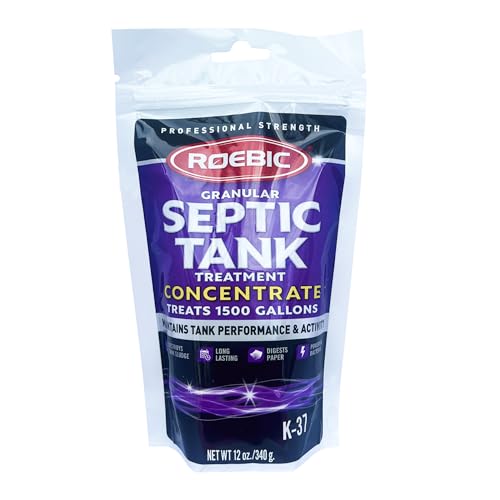
Roebic K-37-BAG Granular Septic Treatment 12-Ounce
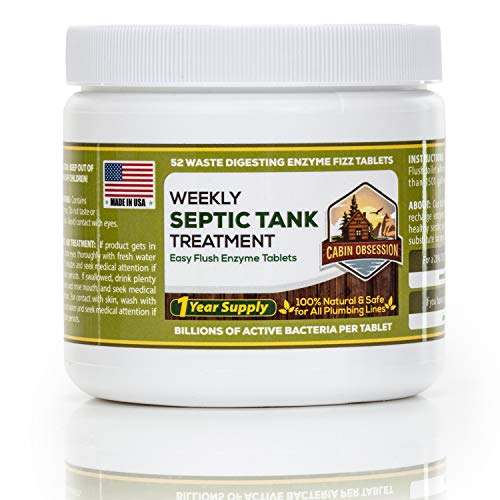
Septic Treatment by Cabin Obsession 52 Weekly Fizz Tablets

Septic Treatment by Cabin Obsession Drain Field Cleaner 32 oz

Roebic K-77 Granular Tree Root Killer 32 oz

Roebic K-97 Liquid Main Line Cleaner 32 fl oz
Why These Options Stand Out
The Rid-X 3.2-ounce powder is the kind of product most folks picture when they think “septic treatment”: a small canister of dry powder you flush once a month. The dual-action formula combines enzymes, which are proteins that help break down organic matter, with bacteria, which keep working on waste over time. Compared to the Thrift drain cleaner covered next, this one leans on biology rather than heat-activated chemistry.
For homeowners who just want a low-effort monthly habit, it fits the bill. The pack is light enough to keep beside the toilet without being intrusive, and the dosing is forgiving for typical residential tanks. Most users tend to drop one pre-measured pouch in the toilet each month and forget about it.
Positive Points
- Enzyme and bacteria blend tackles both quick clogs and long-term buildup
- Compact canister stores easily in a hall closet or under a sink
- Pre-measured doses remove guesswork for monthly use
- Widely available, so restocking is simple
Worth Noting
- Powder format can clump if humidity gets into the container
- Designed more for steady maintenance than clearing a fully blocked drain
Made For
Owners of standard household tanks who want a steady, predictable monthly routine and no measuring.
Consider Something Else When
A sink or shower is fully blocked right now; the Rid-X 9.8-ounce powder and the Roebic K-97 liquid are stronger fits for an active clog.
The Thrift T-200 works on a completely different principle from the Rid-X powders. You pour the dry crystals down a drain, chase them with hot water, and the heat activates a chemical reaction that liquefies grease, hair, soap scum, and bath oils in less than a minute. It is genuinely satisfying when a slow bathroom sink suddenly flows freely again.
The non-acid formula is built to be gentle on porcelain, chrome, brass, plastic, and metal pipes when used as directed. Two 2-pound bottles give you a decent runway for repeat clogs, especially in homes where one drain is constantly misbehaving.
Real Benefits
- Hot water activation works in under a minute on most soft clogs
- Odorless crystals make it bearable to use in indoor bathrooms
- Safe for a wide range of pipe and fixture materials
- Two-pack keeps a backup bottle on hand for recurring slow drains
Honest Caveats
- Will not help much if the clog sits in the main line or septic tank itself
- Requires boiling or near-boiling water, which means caution around kids and splashing
- Crystal residue can leave a gritty feel in sinks if you do not flush thoroughly
Feature Snapshot
Right Fit For
Renters and homeowners fighting frequent hair or soap clogs in bathroom and kitchen sinks.
Skip It When
The problem is rooted in the septic tank or leach field; the Cabin Obsession Drain Field Cleaner is a more targeted option there.
This is the bigger sibling to the 3.2-ounce Rid-X canister, sharing the same powder-bacteria philosophy but in a 9.8-ounce tub with a longer shelf life. The professional powder formula is built around natural bacteria cultures that colonize the tank, helping it digest solids on an ongoing basis rather than just offering a one-shot fix.
For families or vacation rentals that go through a lot of water each month, the larger size means fewer reorder headaches. Compared to the pre-measured Bio-Tab tablets, this one gives you dosing flexibility but trades away the convenience of a single flushable unit.
Advantages To Know
- Higher bacterial count supports consistent waste breakdown
- Natural ingredients limit risk to the tank and drain field
- Larger tub reduces how often you need to restock
- Trusted name in the category with broad availability
Things To Consider
- Scoop-and-pour routine is a bit more involved than a tablet
- Bulk powder can lose potency if the lid is left off in a humid laundry room
Who Will Love This
Households with steady tank use who want a bigger tub and the flexibility to adjust dose size.
Another Choice May Suit
Anyone chasing a clean “flush one thing” routine should look at the Bio-Tab or Cabin Obsession monthly packets instead.
The NAODIFU Bio-Tab setup is built around a different delivery idea: instead of measuring powder, you drop a single tablet into the tank each treatment cycle. The tablets sink and slowly dissolve, releasing enzymes and bacteria right where they are most useful. There is no scoop, no powder cloud, and no measuring cup to clean.
Each 8-ounce jar holds 14 tablets, which is enough for a fairly long stretch if you treat monthly. The dual-action design claims to support both the tank and the drain field, which is helpful for smaller systems where every cubic foot matters.
Good Reasons To Consider
- Drop-and-flush routine is easy enough for first-time users
- Slow-dissolving tablets keep working over a longer window
- Compact jar fits in a bathroom cabinet
- Safe for plumbing, humans, and pets per the brand’s claims
Soft Spots
- Tablet count is modest for very busy households
- Works best as prevention rather than an emergency fix
Quick Facts
Best Suited To
Renters and smaller households who want a no-fuss tablet routine and minimal storage footprint.
Where Another Pick Suits Better
High-traffic homes with heavy laundry and kitchen use will drain 14 tablets fast; the Cabin Obsession 52-tablet weekly fizz pack lasts longer.
The Cabin Obsession monthly packet set reframes septic care as a one-flush-a-month chore. Each water-soluble packet goes straight into the bowl, dissolves on the way down, and seeds the tank with live bacteria. With 12 packets in a single box, you get a full year of scheduled coverage in one order.
It feels designed for the kind of homeowner who does not want to think about it. Compared to the Roebic K-37 granular concentrate covered shortly, this approach trades dosing flexibility for schedule simplicity.
What Makes Sense
- Pre-portioned packets remove every step of measuring
- Twelve-count box covers an entire year of monthly treatments
- Dissolvable format eliminates plastic packaging waste in the tank
- Made in the USA, with bacteria blends tuned for residential systems
Points To Keep In Mind
- Single monthly dose may feel light for very large families
- Packets must stay sealed and dry until use to keep cultures alive
Perfect Match For
Households that want an annual subscription-style purchase and a strict monthly flush schedule.
Not Your Match When
You need weekly reinforcement or are actively dealing with a backup; the Cabin Obsession 52-tablet weekly pack or the Drain Field Cleaner is a better fit.
Roebic has been a familiar name in septic care for a long time, and the K-37 concentrate shows why. The granular formula targets three specific things: sludge buildup, the scum layer at the top of the tank, and the odors that come with neglected systems. It also digests paper, which matters in homes where septic-safe paper is not always used.
At 12 ounces per bag, it is sized for the kind of smaller tank found in cabins, mobile homes, or modest weekend properties. Pair it with smart water habits and it tends to be enough for routine maintenance between pump-outs.
What Stands Out
- Concentrated formula reduces sludge and scum layers over time
- Targets paper and organic waste at the bacterial level
- Compact bag is easy to store in a utility closet
- Designed to be safe for the surrounding soil environment
Room For Improvement
- Granules require measuring rather than a single drop-and-flush step
- Effects build over weeks, not minutes, so patience is part of the plan
Spec Overview
Who Should Grab It
Owners of compact or seasonal systems who want a concentrated maintenance product and do not mind a quick scoop step.
A Better Fit Elsewhere
Big families wanting zero measuring will prefer the Cabin Obsession monthly packets or the Bio-Tab jar.
Where the 12-packet Cabin Obsession set is built around monthly care, this 52-tablet version switches to a weekly cadence. The fizz action makes the drop-in moment a little more satisfying, and each tablet carries billions of active bacteria cultures aimed at sludge, scum, and leach field health.
This is the heavier-hitting option for homes where tank usage is intense, whether that means a large family, a home-based business with extra laundry, or a property that doubles as a short-term rental. It also reads as a yearlong supply at the recommended pace.
Features That Help
- Weekly dose keeps bacterial colonies topped up in busy tanks
- Fizzing action confirms tablet dissolution with each flush
- Broad-spectrum culture targets sludge, scum, and leach field
- Pre-measured tablets eliminate any dosing decisions
Trade Offs
- Weekly cadence is overkill for small or vacation homes
- Tablets must be stored in a cool, dry spot to keep cultures viable
Built With In Mind
Large households, rental properties, and anyone running more laundry and showers than the average home.
Reach For A Different Pick When
A smaller cabin or weekend property will get along fine with the monthly 12-packet box instead.
This liquid shock treatment is positioned as a fix, not a maintenance habit. The 32-ounce bottle is designed for occasional, heavy-duty use when the drain field or leach area starts showing signs of slow absorption, soggy spots, or backflow into the house. Bacteria cultures and enzymes attack grease, starch, paper, protein, and similar organic buildup.
Used once a year or after a noticeable slowdown, it can restore flow without calling a pumper. Think of it as a strong intervention to keep on the shelf rather than a daily-use product.
Why It Works Well
- Targeted liquid formula reaches deep into leach field lines
- Broad-spectrum enzyme blend tackles multiple clog types
- Concentrated 32-ounce bottle covers a whole-system treatment
- Designed for annual use, so one bottle lasts a long time
Less-Strong Areas
- Not a substitute for routine monthly bacterial maintenance
- Larger bottle needs storage space in a utility area
The Right Fit
Homeowners noticing soggy lawn patches or slow drains who want to shock the system before calling for service.
Look Elsewhere When
Tree roots are the actual culprit; Roebic K-77 Root Killer is designed specifically for that job.
Root intrusion is the kind of septic problem no monthly bacterial treatment can solve, which is exactly why the K-77 exists. The copper-based granular formula is meant to kill roots at the point where they enter sewer or septic pipes, while also discouraging new growth over time.
Compared to the bacterial picks elsewhere on this list, K-77 is a chemical tool with a specific job. Mature trees, willow hedges, or fast-growing shrubs near the leach field are the usual suspects this product is aimed at.
Benefits That Matter
- Targets root intrusions, which most other treatments cannot touch
- Copper formula discourages regrowth at pipe entry points
- Granular format pours straight into the toilet for ease of use
- Safe for standard plumbing when applied as directed
Worth Bearing In Mind
- Not a maintenance product for general septic health
- Severely collapsed pipes may still need a plumber regardless
Feature Card
Whose Shelf It Belongs On
Properties with mature trees, hedges, or shrubs planted close to the septic line.
Swap It Out When
Clogs are organic rather than root-based; the Roebic K-97 liquid cleaner or Cabin Obsession Drain Field Cleaner will be more relevant.
The K-97 is the bacterial counterpart to the K-77 root killer, and it sits in the same Roebic family. The 32-ounce liquid formula concentrates on the main line, clearing fats, grease, sludge, and paper that build up between the house and the tank or sewer connection.
It works whether the home is on a septic system or a city sewer, which makes it a flexible tool in households where the boundary between plumbing and septic is unclear. Think of it as the bottle you reach for when sinks and tubs back up at the same time.
Notable Upsides
- Liquid format reaches the clog faster than powders or tablets
- Tackles grease, sludge, and paper in one treatment cycle
- Safe for all pipe types when used as directed
- Compatible with both septic and sewer setups
Points To Note
- Bottle is bulky compared with monthly powder packets
- Works best on organic buildup, not on root intrusions
Who It Suits Best
Homeowners who deal with slow drains throughout the house, often tied to grease from a busy kitchen.
Where A Sibling Pick Shines
When the real problem is roots, Roebic K-77 is the more focused option in the same brand family.
Shopping Smart For Septic Tank Treatments
Match The Treatment To The Problem
Not every slow tank has the same cause. Bacterial powders and tablets, like the Rid-X line and the Cabin Obsession monthly packets, are built to keep organic waste moving through a healthy system. Hot-water drain cleaners, like the Thrift T-200, are tuned for individual clogs in a sink or tub. Liquid main-line and drain field products, like Roebic K-97 and the Cabin Obsession Drain Field Cleaner, address buildup between the house and the tank. Root-specific formulas, like Roebic K-77, only earn their keep when tree roots are part of the diagnosis. Choosing by symptom rather than by price alone saves both money and frustration.
Bacteria And Enzymes Explained Simply
Enzymes are proteins that break specific molecules apart, while bacteria are living organisms that consume waste and multiply. Together, they handle different parts of the job: enzymes act quickly on paper and starches, while bacteria sustain the work over weeks. A solid septic treatment usually combines both so you get fast relief plus long-term balance. Skipping either side tends to leave a gap that comes back as a clog later.
Watch The Format And Frequency
Powders and granules give dosing flexibility but require a scoop. Tablets and packets trade flexibility for routine simplicity, which is helpful if monthly maintenance is hard to remember. Liquids reach clogs faster but usually come in larger bottles. Whatever format you pick, frequency matters more than strength: a cheap monthly habit almost always beats a single aggressive treatment followed by neglect.
Size Your Treatment To Your Tank
Smaller tanks in cabins and mobile homes can run on a 12-ounce concentrate or a short jar of tablets. Family-sized residential tanks often go through a 9.8-ounce powder or a 52-tablet yearly pack faster than expected. Matching the package to your tank size and household water usage prevents both under-dosing and waste.
What Experienced Buyers Keep In Mind
Slips Worth Skirting
Going straight for the strongest chemical drain cleaner is a common trap. Harsh products can upset the bacterial balance in a septic tank, especially when used often. Skipping monthly maintenance and waiting for a backup is another frequent mistake. By the time a clog surfaces, the system has usually been struggling for months. Finally, mixing products without reading labels is risky: bacterial treatments and chemical drain openers do not always cooperate in the same pipe on the same day.
What The Higher Tier Buys
Bigger tubs and concentrated liquids cost more up front, but they often replace several smaller purchases over a year. Premium treatments also tend to include broader bacterial strains, which can handle a wider range of waste, from kitchen grease to laundry lint. Specialty products, like the root killer or the shock drain field treatment, charge a premium because they solve specific, expensive problems that general treatments cannot. That extra spend usually pays for itself by avoiding a service call or a tank replacement down the road.
Frequently Asked Questions
Do septic treatments really help with clogs?
Bacterial and enzyme treatments help prevent clogs by keeping waste moving through the tank and into the drain field. For an active blockage, a targeted drain cleaner or a liquid main-line product usually works faster, while the bacterial treatments keep the system healthy afterward.
How often should a septic treatment be used?
Most bacterial powders and tablets are designed for monthly use, though heavy-usage homes sometimes benefit from a weekly schedule. Shock treatments and root killers are usually applied once a year or only when a specific symptom appears.
Are these products safe for all plumbing?
Bacterial and enzyme products are generally safe for PVC, copper, and older pipe materials. Hot-water chemical drain cleaners can be harsher, so following the label instructions matters, especially on enameled or coated fixtures.
Can I use a drain cleaner and a bacterial treatment together?
It is best to space them out. A chemical drain cleaner can disrupt live bacteria if they enter the same pipe too soon. Waiting at least a day between applications lets each product do its job without canceling the other.
When is it time to call a professional?
If drains stay slow across the whole house, the yard is soggy near the leach field, or treatments do not change anything after a few weeks, the issue may be a full tank, a damaged line, or a serious root intrusion. A licensed septic service can diagnose problems that bottled treatments are not built to fix.
Closing Remarks
The right septic tank treatment depends less on marketing and more on what your system actually does every day. A small cabin with light use, a busy family home, and a property shaded by old trees each need a different approach. Start with the symptom, match it to the right format, and stick with a routine your household will actually follow. Healthy tanks are built by steady habits, not by emergency fixes.




