

A wobbly sink drain with a slow drip can drive anyone up the wall, especially when water creeps into the cabinet below and starts staining everything you store there. The right sealant turns that frustrating trickle into a five-minute fix you can knock out on a Saturday morning. This roundup walks through ten options that cover the usual suspects: putty-style clays for gap-filling around drain connections, and silicone caulks for sealing the rim where the sink meets the countertop.
The Choices Worth Comparing
QuillQuaint Repair Sealing Clay 3-Pack
QuillQuaint Repair Sealing Clay 6-Pack
QuillQuaint Repair Sealing Clay 9-Pack
QuillQuaint Repair Sealing Clay 12-Pack

GE All Purpose Silicone Caulk, Clear, 10 fl oz
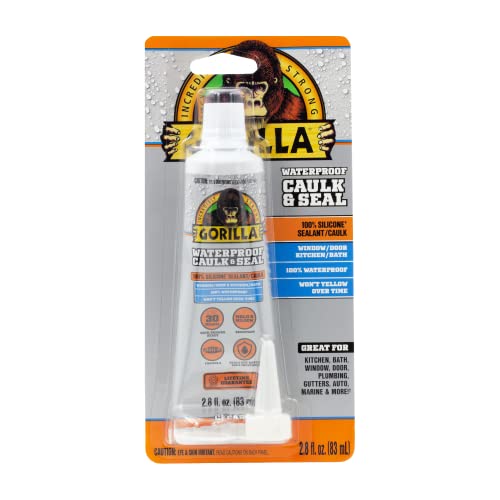
Gorilla Waterproof Caulk & Seal 2.8 oz Tube
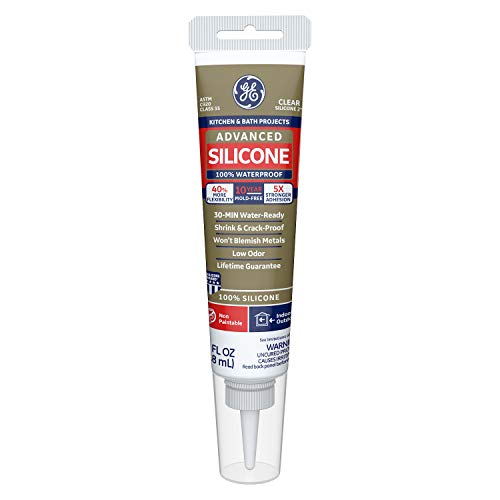
GE Advanced Silicone 2 Kitchen & Bath 2.8 oz

White Mastic Repair Sealing Clay (3-Pack)

White Mastic Repair Sealing Clay (6-Pack)

White Mastic Repair Sealing Clay (9-Pack)
A Deeper Look At The Lineup
Three individually wrapped pouches make this QuillQuaint clay a tidy entry point for anyone fixing a single problem and not wanting a half-used bag sitting around in the toolbox for a year. Each pouch holds 30 g of soft, hand-shapeable putty that bonds to the rough surface where a sink tailpiece meets the drain body.
The compound sets once exposed to air movement, which gives you a short working window to press it into place and smooth the edges. People reach for it when the gap around a drain is more than what silicone can bridge cleanly, such as a slightly oversized hole in a flange or a porous section of cast iron that sweats.
Real Benefits
- Three sealed pouches reduce waste from dried-out leftovers between jobs.
- Hand-kneadable texture molds into irregular gaps that liquid caulk would run out of.
- Air-activated cure means no mixing or special tools required.
- Doubles as wall filler around pipe penetrations, so one product handles multiple areas.
Honest Caveats
- White finish may show discoloration in humid under-sink environments over months of use.
- Surface prep matters; oily or wet metal reduces grip and can shorten service life.
Who It Suits Best
Renters and first-time fixers tackling a single leaky drain connection benefit most from this compact, low-commitment size.
Skip It When
Anyone sealing a long countertop rim should reach for the GE All Purpose Silicone Caulk instead, since it lays down a continuous bead.
Stepping up to six pouches gives you the same repair putty with breathing room for a second project, which is often where the math starts to make sense. If your kitchen sink and a bathroom basin both weep at the drain, this 6-pack covers both without a second order.
Compared to the 3-pack from QuillQuaint, the extra bags simply share the same soft, air-cured formula in 30 g portions. The application behavior matches exactly, so what changes is mostly how many repairs stay on your bench before the stash runs dry.
Everyday Advantages
- Six pouches comfortably cover a small bathroom-plus-kitchen repair session in one go.
- Each pouch reseals cleanly, so partially used clay stays workable for the next visit.
- Useful for sealing both drain connections and air-conditioner line penetrations.
Points To Keep In Mind
- Storage takes up more drawer space than the 3-pack, and the extra pouches may sit unused for a while.
- Same cure window as the smaller version, so plan timing for the second or third application before opening the bag.
Made For
Homeowners managing two or three small plumbing touch-ups across different rooms get the most value from this mid-tier bundle.
A Better Fit Elsewhere
Anyone needing gap fill plus a waterproof rim seal on a porcelain sink should pick the Gorilla Waterproof Caulk & Seal alongside the clay, since one product alone will not handle both jobs well.
Nine pouches push this format past “occasional repair” into “real stash territory.” Landlords, property managers, and anyone who keeps an emergency kit in the garage tend to land on this size because individual bag failures do not knock the whole supply out.
The clay behaves identically to the 3- and 6-pack versions, so you get the same hand-kneadable body and air-set cure with a higher total weight of usable material. The trade-off is shelf space and the discipline to rotate older pouches to the front.
A Few Highlights
- Generous bag count supports multiple units or seasonal maintenance across a year.
- Individual 30 g sachets limit waste when only a small patch is needed.
- Works on both drain flange gaps and through-wall pipe penetrations.
- Hand-shaped application avoids the mess of cartridges and caulk guns.
Some Limits To Know
- Bulk format only makes sense for people who actually use the volume; otherwise bags expire in storage.
- White color may not blend with non-white plumbing fixtures.
Best Suited To
Anyone maintaining a duplex, rental unit, or older home with recurring small leaks benefits from keeping this much putty on hand.
Not Your Match When
Someone finishing a single quick repair should grab the QuillQuaint 3-Pack instead and skip the surplus.
The 12-pack is the largest QuillQuaint bundle, aimed squarely at people running through pouches faster than a homeowner might. Apartment maintenance teams and small-contractor crews tend to be the natural fit because twelve 30 g sachets disappear quickly across several service calls.
Functionally, this is the same air-curing putty found in the smaller QuillQuaint packs. You are not paying for a stronger formula, just more of it, which is the right call when downtime between jobs matters more than chemistry upgrades.
What Pays Off
- Largest bag count reduces reorder frequency for active repair workloads.
- Consistent 30 g portions keep each repair predictable and waste low.
- Suitable for sealing pipe penetrations, drain flanges, and duct joints alike.
- No-tool application keeps the workflow fast for rotating service calls.
Practical Considerations
- Overkill for anyone handling fewer than three or four repairs per year.
- Requires cool, dry storage so the remaining sachets do not begin to cure prematurely.
Whose Shelf It Belongs On
Maintenance crews, property managers, and hands-on homeowners with a long punch list benefit most from the volume.
Look Elsewhere When
Anyone working a one-off sink reseal should pick the QuillQuaint 3-Pack and avoid sitting on unused clay.
This is the workhorse silicone cartridge in the lineup, and it shifts the conversation from gap-filling putty to continuous-bead sealing. A 10 fl oz tube (fluid ounces, a standard U.S. volume measure roughly equal to 296 mL) loaded into a caulk gun lays a smooth, watertight line along a sink rim or anywhere metal meets countertop.
Unlike the QuillQuaint clay reviewed earlier, this is a true 100% silicone sealant (pure silicone polymer that cures by reacting with moisture in the air), so it stays flexible once cured and resists the freeze-and-sun cycle that breaks rigid fillers. The clear finish disappears against porcelain, stainless, and most composite sinks.
Benefits That Matter
- Full 10 fl oz cartridge covers multiple sink rims or one long stretch of countertop.
- 100% silicone body stays flexible through temperature swings, so it does not crack near a window or exterior wall.
- Strong adhesion grips metal, ceramic, and composite surfaces with minimal primer.
- Waterproof once cured, making it safe for kitchens, baths, and utility sinks.
Trade-Offs To Consider
- Requires a caulk gun, which is one more tool to keep around.
- Cure time is longer than air-set clay, so the bead needs to sit undisturbed for hours.
- Not ideal for filling wide gaps; works best as a thin sealing layer.
Right Fit For
Homeowners resealing a sink-to-counter joint, a backsplash seam, or a tub surround get the most from this cartridge size.
Where A Sibling Pick Shines
For oversized gaps around a drain flange, the QuillQuaint Repair Sealing Clay 3-Pack fills space the silicone cannot bridge.
The Gorilla squeeze tube solves the biggest pain point people have with full cartridges: you do not need a caulk gun. For a single sink rim or one bathroom touch-up, this 2.8 oz tube gets in, gets the job done, and goes back in the drawer.
Once cured, this is a 100% silicone that shrugs off water exposure in roughly 30 minutes, which is the standout trait. Compared to the larger GE cartridge, you trade volume for convenience, and the smaller size actually helps in tight under-sink spaces where maneuvering a gun is awkward.
Where It Helps
- Squeeze-tube format skips the caulk gun entirely, friendly for renters and beginners.
- Ready for water contact in as little as 30 minutes after application.
- Mold- and mildew-resistant clear finish holds up in steamy bathrooms.
- Won’t yellow, shrink, or crack once fully cured.
Things To Weigh
- 2.8 oz is enough for one or two small jobs, not a full kitchen-plus-bath reseal.
- Squeeze tubes can be harder to control for a perfectly smooth bead compared to a gun.
Who Will Love This
Anyone patching a single sink rim, a small window frame, or a door threshold appreciates the grab-and-go format.
Reach For A Different Pick When
Long continuous runs along a tub surround call for the GE All Purpose Silicone Caulk cartridge, which lays a steadier bead.
The Advanced Silicone 2 formula is GE’s kitchen-and-bath-targeted upgrade, and the 2.8 oz squeeze tube keeps the format approachable. This sits between the GE all-purpose cartridge and a generic hardware-store tube, tuned for wet zones that punish lesser sealants.
Where the standard GE caulk handles general sealing, this version flexes more and is designed to keep its grip in constantly damp conditions. Compared to the QuillQuaint clay earlier in this list, it lays a thin continuous seal rather than filling a chunky gap, so the jobs barely overlap.
Useful Highlights
- Kitchen-and-bath formulation stands up to constant water and humidity.
- 2.8 oz tube fits in a kitchen drawer, ready for the next small reseal.
- Clear finish disappears against most sink and tile combinations.
- Designed for fast water-ready performance once applied.
Worth Noting
- Smaller tube means you may run short on multi-spot projects.
- Squeeze-tip control takes a steady hand for a clean bead in visible areas.
The Right Fit
People resealing a kitchen sink rim, a backsplash seam, or a shower edge benefit most from this bath-rated silicone.
Consider Something Else When
Anyone filling a wide gap around a drain flange should pick the QuillQuaint Repair Sealing Clay 3-Pack instead, since this silicone is not a gap filler.
This is the alternative-branded version of the QuillQuaint clay, with the same 30 g sachet format and air-cure behavior. Three pouches give you a starter amount that is forgiving for someone who has never worked with mastic-style putty before.
The body is soft and moldable, so you can knead it by hand and press it into a pipe penetration or drain seam without tools. Where it differs from the silicone options is in its role: this fills space, while silicone lays a thin sealing film.
A Strong Showing
- Moldable clay format forgives beginner mistakes during shaping.
- Waterproof once set, suitable for indoor and outdoor drain connections.
- Each pouch stays sealed until needed, so partial use does not ruin the rest.
- Works on wall openings, pipe penetrations, and AC line holes.
Some Limits To Know
- Needs 3 to 5 days of full cure before water exposure, longer than silicone.
- Surface must be clean and dry for the bond to hold long term.
Perfect Match For
First-time DIYers sealing a single drain connection or wall pipe penetration get a forgiving introduction to mastic putty.
Swap It Out When
Anyone sealing a continuous sink rim should pick the GE Advanced Silicone 2 Kitchen & Bath tube, since clay is not designed for thin bead work.
Six pouches of this mastic give you the same hand-kneadable putty with enough volume to handle indoor and outdoor projects in the same season. People patching a kitchen drain and then moving to an exterior AC line cover both jobs from one purchase.
Application is the same as the 3-pack version, but the larger count fits anyone running through repairs over weeks rather than minutes. The 3 to 5 day cure window applies across all pouches, so plan timing before opening the first one.
Positive Points
- Six pouches comfortably cover multiple indoor and outdoor repair sessions.
- Indoor-and-outdoor versatility handles drains, ducts, and wall penetrations.
- Waterproof result once cured, even on exterior pipe penetrations.
- No-tool application keeps the workflow quick and approachable.
Honest Caveats
- 3 to 5 day cure time requires planning around water use.
- White color shows dirt and discoloration more visibly than darker fillers.
Made For
Homeowners with a multi-room punch list, including outdoor pipe penetrations, get strong value from this 6-pack size.
Where Another Pick Suits Better
For a single indoor drain fix, the QuillQuaint Repair Sealing Clay 3-Pack is the simpler choice and avoids excess inventory.
Nine pouches round out this mastic lineup and push it firmly into “keep a stock on hand” territory. The format stays the same 30 g air-cured sachet, so behavior matches the smaller packs, and what you are buying is volume plus a longer shelf reserve.
Anyone who has run out mid-repair before knows the frustration of stopping to reorder. This 9-pack closes that gap for households that patch a leak, then find another one a few months later in a different sink.
Reasons It Performs
- Nine-pouch count reduces reordering across multiple repair seasons.
- Individual sachets stay fresh until opened, protecting the unused supply.
- Versatile across drain connections, ducts, and AC line penetrations.
- Hand-shapeable body keeps the tool list short.
A Few Limitations
- 9-pack is overkill for anyone who only patches a single sink once.
- 3 to 5 day cure window means timing matters before exposing any repair to water.
Built With In Mind
People maintaining older homes or multi-unit properties who expect recurring small leaks benefit from the volume.
A Better Fit Elsewhere
For a quick single-room fix without surplus, the QuillQuaint Repair Sealing Clay 3-Pack is the leaner pick.
Picking The Right Sealant For Your Drain Repair
The first thing to sort out is whether you are filling a gap or sealing a seam. Mastic-style repair clays, like the QuillQuaint and White Mastic pouches above, are built for filling irregular spaces around a drain flange or pipe penetration where liquid caulk would slump out. Silicone caulks, by contrast, lay a thin continuous film along a sink-to-counter seam or backsplash joint. The two formats rarely substitute for each other cleanly.
Next, consider the environment. Bathroom and kitchen zones see constant humidity, so a 100% silicone body that stays flexible and resists mold growth earns its keep. Exterior drain connections or unheated spaces need a formula rated for temperature swings, since rigid fillers crack when winter hits. Surface prep is the most skipped step in this category: oil, soap film, or wet metal ruins the bond of both putty and silicone, and owners commonly report that a quick wipe-down with isopropyl alcohol is the difference between a repair that lasts a season and one that lasts years.
Finally, think about volume and tooling. A 2.8 oz squeeze tube fits a one-spot patch, a 10 fl oz cartridge suits a full reseal, and a multi-pack of clay pouches supports repeat calls across a property. If you do not own a caulk gun, the squeeze-tube format removes a real barrier to entry.
Key Considerations Across These Picks
Where Shoppers Go Wrong
Treating putty and silicone as interchangeable is the most common slip-up. Mastic clay cannot lay a smooth thin bead along a sink rim, and silicone cannot fill a half-inch gap around a drain flange without slumping. Skipping surface prep is the second trap: even the strongest sealant fails on greasy or wet metal. People also tend to underestimate cure times, especially with clay that needs several days before water exposure.
What Separates Premium From Basic
The upgrade shows up in two places: formulation and packaging. Premium silicone caulks carry higher solid content and stronger adhesion, so a single cartridge covers more linear footage with better gap memory. Premium putty packs use sealed individual sachets that protect unused material, which is why the larger QuillQuaint and White Mastic bundles stay workable across months rather than drying out the moment the bag is opened. The extra cost usually buys longer service life and less waste between jobs.
Frequently Asked Questions
Can I use silicone caulk instead of plumber’s putty under a sink drain?
Silicone caulk can seal a drain flange in many situations, though plumber’s putty remains traditional for compression-style drains. The key is making sure the surface is clean and the silicone is fully cured before water runs through the joint, which usually takes at least 24 hours depending on humidity and temperature.
How long does repair sealing clay take to cure?
Air-cured mastic clay like the QuillQuaint and White Mastic pouches typically needs several hours to skin over and a longer window of 3 to 5 days before it reaches full water-ready strength. Cooler temperatures and high humidity slow that timeline, so plan around it when sealing a drain you need to use daily.
Is 100% silicone better than latex caulk for a sink?
For wet zones, 100% silicone holds up far longer than latex caulk because it stays flexible, resists mold growth, and does not wash out. Latex is easier to tool and clean up, but it tends to fail within a year or two in constant moisture, making silicone the better long-term choice for sinks and tubs.
How do I prepare the surface before applying sealant?
Wipe the area with isopropyl alcohol or a similar cleaner and let it dry completely. Remove old caulk, rust, or loose putty first, since layering new sealant over degraded material almost guarantees early failure. A clean, dry, stable surface is the single biggest factor in how long the repair lasts.
Can these sealants handle hot water from a dishwasher drain?
Yes, once fully cured, both the silicone caulks and the repair clays tolerate the warm discharge from a dishwasher drain. Avoid running hot water through the joint during the cure window, since heat can interfere with how the material sets, especially for air-cured putty.
Bottom Line
Most sink drain leaks come down to two jobs: filling a gap where the flange meets the basin, or sealing a rim where the sink meets the counter. Mastic clay handles the first, silicone handles the second, and carrying one of each covers nearly every slow leak a homeowner will face. Match the format to the repair you actually have, and the fix usually takes less time than the worry it caused.




