

A slow drip around a shower drain rarely stays small. Moisture creeps under the flange, swells the subfloor, and invites mold into grout lines you just cleaned last month. The right sealant stops that chain reaction early, whether you’re resealing a tired shower base, patching a wall opening behind the trim, or sealing an air conditioning line that shares the same plumbing chase. This roundup pulls together clay-style repair putties and silicone caulks so you can match the product to the job, the surface, and the patience you have for a re-do.
The Choices Worth Comparing
QuillQuaint Repair Sealing Clay, 3PCS
QuillQuaint Repair Sealing Clay, 6PCS
QuillQuaint Repair Sealing Clay, 9PCS
QuillQuaint Repair Sealing Clay, 12PCS

GE Silicone Caulk for Tub & Tile

SILIMAX All-Purpose Silicone Caulk
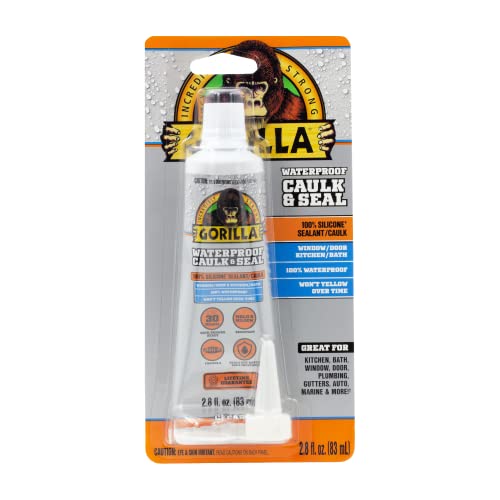
Gorilla Waterproof Caulk & Seal 2.8oz

Generic Waterproof Sealant Mastic 3-Pack

Generic Waterproof Sealant Mastic 6-Pack

Generic Waterproof Sealant Mastic 9-Pack
Meet The Standout Selections
The 3-bag starter is the friendliest way to test whether a hand-shaped putty suits your repair style before committing to a larger quantity. Each bag holds 30 grams of soft white mastic that you knead into place and let firm up on its own. Because you shape it by hand, no caulk gun is required, which is helpful in tight behind-the-drain spaces where tubing is awkward.
For a single shower drain reseal or a small wall opening behind a pipe chase, three bags is often plenty. The trade-off is that you have less headroom for trial and error than the larger QuillQuaint packs offer, so plan your patch before you open the bag. Once exposed to air movement, the clay hardens relatively quickly, which means you can’t pause mid-application.
Benefits That Matter
- Compact 3-bag format lets you try the product without overspending
- Hand-shaping eliminates the need for a caulk gun in awkward drain recesses
- 30-gram individual bags reduce waste on smaller one-off patches
- Works on multiple surfaces, so the leftover bags stay useful for future fixes
Things To Consider
- Limited supply may run short on a multi-step drain rebuild
- Quick air-cure window leaves little room to rework a sloppy patch
Made For
First-time DIYers sealing a single drain opening or a small wall penetration around a pipe.
Look Elsewhere When
You’d rather stock up once and patch several bathrooms; the QuillQuaint 12PCS version covers that workload better.
Stepping up to six bags turns this putty into a more practical household supply without ballooning your cupboard. The 30-gram portions are still individually wrapped, so each patch uses what it needs and the rest stays sealed until the next repair. The high-density mastic is built for sealing drain connections, wall openings, and similar gaps where moisture would otherwise sneak through.
You can stretch the pack across a shower drain reseal, an air conditioner line hole, and a stray crack in the laundry room wall. Unlike the silicone caulks later in this list, there’s no cartridge to load or nozzle tip to cut, which keeps the prep time minimal. Just clean the surface, knead the clay, and press it into the gap.
Notable Gains
- Mid-size count balances budget with enough material for two to three patches
- Same individually sealed 30-gram bags reduce spoilage between jobs
- No caulk gun required, so setup stays simple
- Pliable texture adapts to irregular drain flange shapes
Worth Noting
- Still not ideal for very long linear seams where silicone would lay smoother
- Cure timing depends on airflow, so humid bathrooms may take longer to set
Key Specs
Right Fit For
Homeowners handling a small batch of patches across one or two rooms in a weekend.
Consider Something Else When
Your job is primarily a long shower joint seam; GE Silicone Caulk for Tub & Tile lays cleaner along extended runs.
Nine bags gives you enough putty to think like a property manager, even if you own just one home. The same soft white mastic fills drain connections, seals wall openings, and patches gaps that pop up during seasonal maintenance. Because each 30-gram portion is individually wrapped, you can grab what you need and leave the rest stored away.
Compare that to the smaller 3-bag starter earlier in this list, which leaves no margin for a second attempt if your first application sits unevenly. With nine bags, a quick mistake costs one portion, not the whole pack. The high-density formulation is built to harden on contact with air movement, so keep unused bags sealed until the moment you need them.
A Few Strong Suits
- Larger count supports multiple rooms and recurring maintenance
- Individual wrapping keeps unused bags fresh across months
- Same tool-free hand application as the smaller packs
- Pliable texture works on uneven drain flange profiles
Trade Offs
- Excess bags take up shelf space if you only have one or two patches planned
- Putty aesthetics won’t blend invisibly with visible tile grout lines
Who It Suits Best
Landlords and homeowners juggling several small repairs across bathrooms, kitchens, and exterior pipe penetrations.
Skip It When
You need a watertight bead along a continuous shower perimeter; the Gorilla Waterproof Caulk & Seal squeeze tube handles that geometry better.
Twelve bags is the largest count in the QuillQuaint line, sized for whole-home maintenance runs rather than spot fixes. Each 30-gram portion handles a typical drain or wall patch, so this pack covers bathrooms, kitchen pipe penetrations, and air conditioning line holes across a property. The individually sealed bags help you avoid the trap of one big tub drying out before you finish.
Versus the Generic 9-Pack later in this list, this one offers the same putty concept with a slightly bigger buffer for learning curves. You can re-do a sloppy seal without rationing material. The trade-off is shelf space, and the honest read is that smaller households may never burn through twelve bags before the clay loses workability once a bag is opened.
What Earns Its Place
- Largest QuillQuaint supply, ideal for multi-bathroom projects
- Individual wrapping supports slower consumption without spoilage
- Tool-free hand application suits renters without caulk guns
- Works indoors and outdoors for pipe, drain, and wall gaps
Honest Caveats
- Storage commitment is real, with twelve pouches taking up a drawer
- Overkill for a one-room patch project
Feature Snapshot
Perfect Match For
Property caretakers and DIYers running scheduled maintenance across multiple rooms or units.
Swap It Out When
You’re sealing a single long seam around a shower base; the GE Silicone Caulk cartridge lays a smoother continuous bead.
The GE silicone cartridge is the workhorse option for traditional caulk-gun sealing along continuous joints. It comes in a 10 fl oz tube with a clear finish that disappears into most tile and tub edges. The 100% silicone formula is engineered to resist shrinking and cracking over time, which is the main failure mode with cheaper acrylic caulks in constantly wet shower environments.
Where the QuillQuaint putties shine on small gaskets and openings, this cartridge excels along a multi-foot perimeter seam around a shower base. You’ll need a caulk gun and a steady hand, but the payoff is a smooth, even bead that flexes with seasonal movement. Adhesion covers ceramic tile, porcelain, glass, and metal, so it works across most bathroom surfaces.
Where It Excels
- 100% silicone formula resists shrinking, cracking, and crumbling over time
- Clear finish blends with most tile and tub color schemes
- Strong adhesion to ceramic, porcelain, glass, metal, and more
- Flexibility handles seasonal expansion and contraction along long seams
Points To Keep In Mind
- Requires a caulk gun, adding tool overhead for casual users
- Cure time before water exposure is longer than putty products
- Harder to control on irregular drain flange shapes than hand-shaped clay
Best Suited To
Homeowners resealing a full shower perimeter or tub edge where a smooth, flexible, long-lasting bead matters more than a quick patch.
A Better Fit Elsewhere
You need to fill a rough wall opening behind a pipe; the Generic Waterproof Sealant Mastic packs mold more easily into uneven gaps.
SILIMAX positions this tube as a true all-purpose silicone, sized for both residential and commercial sealing work. The clear finish keeps it visually quiet on most surfaces, and the 100% silicone base is designed to maintain a watertight barrier through repeated wet-dry cycles. For someone who wants one cartridge that crosses from bathroom to kitchen to utility room, that flexibility matters.
Unlike the putty products earlier, silicone flows through a cartridge nozzle, which is a cleaner approach for finishing a tub-to-tile seam with a single straight pass. The trade-off shows up in tight drain recesses where a thick nozzle can’t reach as precisely as hand-shaped clay. Expect to plan a standard caulk-gun workflow and have painter’s tape on hand for tidy edges.
Practical Pluses
- All-purpose labeling supports cross-room use beyond the shower
- Clear silicone disappears against most tile and fixture finishes
- Designed for long-term watertight performance in wet zones
Less Ideal Details
- Cartridge format requires a caulk gun, which not every household owns
- Tight drain recesses are harder to navigate with a nozzle than with putty
Who Will Love This
DIYers who want one tube that moves between the bathroom, kitchen splash zone, and laundry room without switching products.
Reach For A Different Pick When
The repair is a small, irregular opening; QuillQuaint Repair Sealing Clay conforms to awkward shapes more readily.
The Gorilla squeeze tube is the smallest silicone option in this roundup, and that small size is exactly the point. At 2.8 ounces, it skips the caulk gun entirely, which is a relief for anyone sealing a single drain recess or window frame without owning specialty tools. Once cured, it forms a 100% silicone barrier rated for water contact after roughly 30 minutes.
Versus the larger 10 fl oz GE cartridge reviewed earlier, this tube trades volume for portability. You won’t reseal an entire shower surround with one squeeze tube, but for a quick patch around a kitchen sink rim or a bath fixture base, it is plenty. The clear formula resists yellowing, shrinking, and cracking, and includes mold and mildew resistance for wet zones.
What It Does Well
- Compact 2.8oz squeeze tube needs no caulk gun
- Ready for water exposure in roughly 30 minutes after application
- Mold and mildew resistance suited to damp bath environments
- Resists yellowing, shrinking, and cracking over time
- Works indoors and outdoors across kitchen, bath, marine, and door projects
Some Limits To Know
- Small tube volume limits total coverage on larger jobs
- Squeeze-tube control is less precise than a cartridge nozzle for long straight beads
Built With In Mind
Apartment dwellers and renters tackling one-off small silicone patches without investing in a full caulk gun setup.
Not Your Match When
You’re resealing a full tub perimeter; the larger GE Silicone Caulk cartridge covers long runs without refilling mid-job.
The Generic 3-pack enters the list as a softer, hand-shaped alternative to the QuillQuaint line, and the format will feel familiar if you’ve used modeling clay. Each 30-gram bag is plied into gaps by hand, pressed around a drain flange, or pushed into wall openings. The white color blends decently with painted drywall and most caulk lines, though it won’t match colored grout.
Source guidance recommends 3-5 days of cure time before water exposure, which is a slower timeline than the silicone caulks above. That patience pays off in bonding strength for permanent patches. The trade-off is that you can’t test the seal the same evening you apply it, so plan around a few dry days before resuming shower use.
Everyday Wins
- Soft, pliable texture shapes easily around drain hardware
- Adheres to multiple surfaces for indoor and outdoor repairs
- White finish blends with common wall and trim colors
- Tool-free application in awkward drain recesses
Practical Considerations
- Requires 3-5 days of cure time before water exposure
- Surface must be thoroughly cleaned before application for proper adhesion
Whose Shelf It Belongs On
Homeowners scheduling repairs around a few dry days and wanting a putty that conforms to tricky drain profiles.
Where A Sibling Pick Shines
You need to seal tonight; Gorilla Waterproof Caulk & Seal handles water contact after about 30 minutes.
The 6-pack doubles down on the same mastic formula found in the 3-pack, simply with more material on hand. If you’ve already verified that hand-shaped clay works for your patching style, this size lets you continue without reordering. Each 30-gram bag handles a typical drain connection, wall opening, or air conditioning line gap.
Across this list, the Generic and QuillQuaint putties serve a similar purpose, so the real decision is bag count and availability. The 6-pack sits in the middle for occasional use across a year. Source guidance still calls for 3-5 days of cure before water contact, so factor that lead time into any project planning.
Bright Spots
- Six-bag count balances cost with multi-project supply
- Hand application suits tight drain recesses without a caulk gun
- Indoor and outdoor usability across seasons
- White color blends with painted surfaces and trim
A Few Limitations
- 3-5 day cure window delays water testing
- Surface prep matters, and shortcuts compromise adhesion
- Doesn’t replicate the cosmetic finish of a clean silicone bead on visible joints
The Right Fit
Households doing recurring maintenance patches over several months who want a stable supply without buying the largest pack.
Another Choice May Suit
You want a smoother cosmetic finish along a visible tile edge; the GE Silicone Caulk cartridge lays a cleaner line.
The 9-pack is the largest count in the Generic mastic line, sized for frequent repairs rather than a single shower drain. It’s a sensible pick if you maintain rental units, oversee a small workshop, or just keep a stocked drawer for whatever pipe chase, gap, or crack shows up next month. Each 30-gram portion is individually sealed, so the supply stays fresh across long storage.
Compared to the 3-pack earlier in the Generic line, this version trades economy of purchase for serious headroom. You can train on a tricky drain opening without rationing material. The longer 3-5 day cure window before water exposure still applies, so plan repairs around a stretch of dry days rather than a single evening.
What Makes Sense
- Largest Generic supply covers months of irregular repairs
- Individual bag sealing supports long storage without drying out
- Pliable hand application fits irregular drain and wall shapes
- Indoor and outdoor use across seasons
- White finish blends with common wall and trim colors
Factors To Consider
- Cure time of 3-5 days means patience before water testing
- Surface must be cleaned thoroughly before each application
- Stockpile size may exceed the needs of a small apartment
At A Glance
Made For
Workshops, rental property caretakers, and homeowners maintaining a steady rotation of small sealing tasks.
Look Elsewhere When
You want a single fast-curing tube for tonight’s shower reseal; the Gorilla Waterproof Caulk & Seal tube handles that timeline.
Picking The Right Sealant Match For Your Drain
Shower drain work falls into two main camps: continuous joint sealing along a tub perimeter, and small-spot repairs around the drain flange itself. Long seams want a flexible silicone caulk with strong adhesion and movement tolerance, like the GE cartridge reviewed above. Spot repairs, by contrast, often involve irregular gaps, threaded drain hardware, and tight recesses where a hand-shaped putty simply molds better.
Surface compatibility matters more than people expect. Ceramic tile, porcelain, glass, metal, and stone each react differently to silicone formulas, and most pure silicones won’t adhere well to certain plastics without a primer. Read the substrate list on the cartridge or putty bag before you commit, especially if your drain flange is PVC or ABS rather than metal.
Cure timing is the quiet variable. Quick-set silicone can handle water contact within 30 to 60 minutes, while mastic putties often need several days to fully harden before exposure. Match the product to your schedule rather than the other way around. A mastic patch applied the night before guests arrive is a stress test nobody needs.
What To Weigh Before You Buy
Common Shopping Slip Ups
The most common slip is choosing a silicone caulk for a job that actually calls for a thicker gap-filling putty. Silicone flows into thin beads, but a half-inch gap around an old drain flange will swallow the bead and leave voids. Conversely, using putty along a long continuous seam produces a lumpy, uneven finish that catches mildew over time.
Another trap is ignoring substrate compatibility. Some silicone formulas struggle with certain plastics or composite surfaces, and skipping that check leads to peeling within weeks. Always confirm the manufacturer’s stated surface list before application.
When Paying More Pays Off
Higher-tier sealants tend to buy you flexibility and longevity, not just brand name. Pure 100% silicone resists the shrinking and cracking that breaks down acrylic caulks within a year or two in hot, humid bathrooms. Premium formulas also tend to include stronger mold and mildew resistance, which is a quiet win in showers that see daily use.
The upgrade is worth it when the repair is in a hard-to-reach spot behind a tiled wall, where redoing the job means opening the wall again. For a single visible patch in a rental unit, a budget option may be the more rational call.
Frequently Asked Questions
How long does shower drain sealant typically last?
Most silicone caulks hold up for several years in a shower before needing reapplication, while mastic putties can last longer on stationary, low-movement joints. Longevity depends heavily on water exposure, cleaning products, and how much the subfloor flexes under foot traffic.
Can I apply new sealant over old, failing caulk?
It’s best to remove the old material first, because new sealant won’t bond well to a degrading layer underneath. A putty knife, utility blade, and a wipe-down with isopropyl alcohol usually clears the joint cleanly before a fresh application.
Do I need a caulk gun for these products?
Silicone cartridges require a caulk gun, but squeeze tubes like the Gorilla 2.8oz option and hand-shaped putties like the QuillQuaint and Generic mastic packs do not. Match the format to your tool inventory before you buy.
How do I know if the leak is around the drain or the shower pan?
Water stains spreading outward from the drain flange typically indicate a flange seal failure, while staining along a far wall or curb usually points to a perimeter seam issue. Testing by plugging the drain and flooding a small area can help isolate the source.
Is white mastic safe for potable water lines?
These putties are designed for drain, wall, and air conditioning line sealing rather than direct contact with drinking water supply lines. For potable plumbing connections, use a product rated and labeled specifically for that application.
Wrap Up
The best sealant choice depends on the shape of the gap and the patience you have for cure time. Hand-shaped putties handle irregular drain openings with ease, while silicone caulks deliver cleaner long seams along tub and tile edges. Match the product to the surface, the timeline, and the scale of the repair, and the shower will stay dry where it should.




