

A dripping PVC joint under the sink has ended many a Saturday morning, and the fix usually comes down to a small tube or a roll of tape sitting in your toolbox. Choosing the right sealant for PVC threads is less about brand loyalty and more about matching a product to the line you are working on, the fluid it carries, and the temperature swing it will see across the year. Below are ten options that cover most of the common plumbing, irrigation, and compressed air situations a homeowner or shop will run into, each with a clear sense of where it fits and where another pick makes more sense.
A Quick View Of The Lineup

LA-CO Slic-Tite Premium Thread Sealant Paste with PTFE, 1/2 pt Jar

Mill-Rose Blue Monster PTFE Pipe Thread Sealant Tape, 1 in x 1429 in (Pack of 6)

Permatex 80632 Thread Sealant with PTFE, 4 oz, Cream

Permatex 59214 High Temperature Thread Sealant, 6 ml Tube
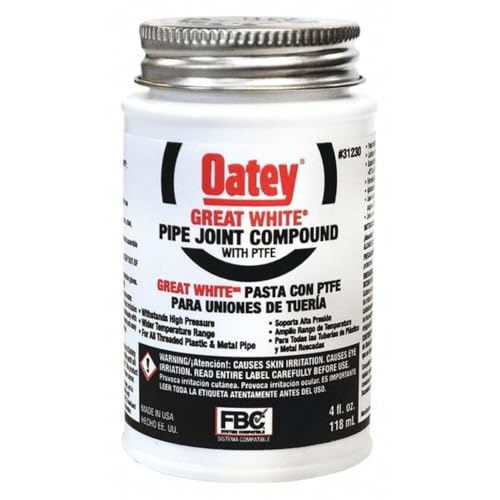
Oatey Great White Pipe Joint Compound, 4 fl oz Brush-Top Can

Hercules Real-Tuff Heavy Duty PTFE Pipe Thread Sealant, 8 oz, White

Gasoila PTFE Thread Seal Tape, 1 in x 1296 in, Low-Density
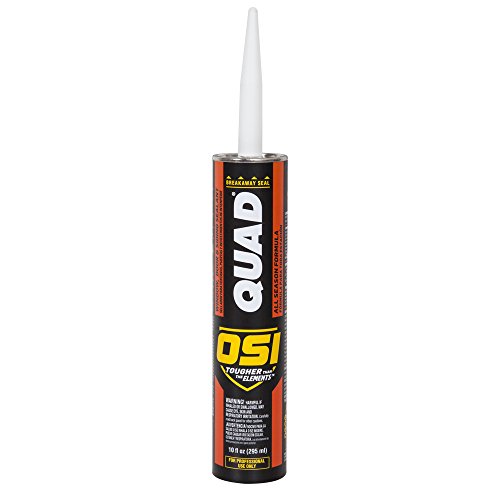
OSI Quad Window, Door and Siding Sealant, Gray, 10 fl oz Cartridge

Black Swan All Purpose Pipe Dope, 1 fl oz Tube, Soft-Set, Yellow
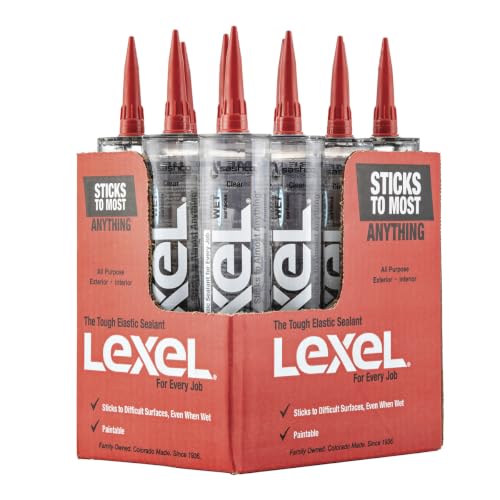
Sashco Lexel Adhesive Caulk, 10.5 oz, Clear
A Breakdown Of The Leading Choices
The LA-CO Slic-Tite paste has been a shop-staple for decades, and it earns its reputation by doing one job cleanly: sealing threaded metal and plastic joints against water, steam, air, and natural gas. PTFE, short for polytetrafluoroethylene, is the same slippery, chemically inert material used on nonstick pans, and blending it into a paste gives the sealant a soft, brushable texture that flows into the minute gaps between threads.
A wide operating window means this paste holds steady on a cold outdoor hose bib in January and on a hot-side radiator line in July. Most homeowners will get more projects out of a single jar than they will out of a small tube, which is the practical appeal for anyone running a home workshop or a small service business.
Noteworthy Benefits
- Broad temperature tolerance covers hot water lines, steam, and outdoor plumbing without re-coating
- Handles both gas pressure (3,000 PSI) and liquid pressure (10,000 PSI) in the same jar
- PTFE filler helps the paste seat into small voids in older, slightly worn threads
- Brush-in-cap design speeds up repeated use across multiple fittings in one session
Things To Consider
- The half-pint size is heavier than a tube, so it makes less sense for a single weekend fix
- Past owners commonly mention the paste staying soft for long storage, which can be a minor cleanup wrinkle if it migrates onto skin or tools
Whose Shelf It Belongs On
Small plumbing shops, HVAC service techs, and serious homeowners who work on a range of threaded fittings will find this jar a long-term bench staple.
Where Another Pick Suits Better
For a single small repair, the Permatex 80632 tube is easier to handle and store on a crowded shelf.
Blue Monster tape from Mill-Rose is the thicker, more substantial cousin of the basic white PTFE tape most people keep in a junk drawer. Higher density translates into more material pressed into the thread spiral with each wrap, which matters on larger diameter fittings where thin tape tends to bunch or tear.
The 1,429-inch roll means a service plumber can wrap dozens of joints before reaching for a new roll. Unlike the Slic-Tite paste covered above, this tape leaves no wet residue to wipe up, and it doubles as a thread lubricant during assembly, helping fittings turn on smoothly rather than seizing.
What Makes Sense
- High-density build resists tearing on coarse, sharp threads
- Long roll plus six-pack format lowers the per-joint cost for service work
- Stays flexible over time, so joints remain easier to break apart years later
Honest Caveats
- Tape alone is generally less forgiving than paste on badly pitted or out-of-round threads
- The bulk pack is more than most homeowners need for a single project
Feature Snapshot
Right Fit For
Working plumbers and property managers who wrap joints every week will appreciate the density and the bulk-pack value.
A Better Fit Elsewhere
For a one-time home fix, the smaller Gasoila 1296-inch roll covers the same jobs without leaving extra tape to store.
Permatex 80632 is the tube that lives in a lot of garage drawers, and for good reason. The cream-style paste spreads easily onto male threads, fills small machining imperfections, and stays pliable across a generous temperature range so joints remain serviceable rather than glued in place.
Where the Slic-Tite jar leans toward shop use, this 4-ounce tube fits the everyday DIY repair: a leaking irrigation valve, a stubborn shower head, a fuel line that weeps at the fitting. The PTFE blend gives the paste a slippery, dough-like feel that goes on without dripping down the threads.
A Few Strong Suits
- Stays pliable across temperature swings instead of cracking later
- Works on air, oil, diesel fuel, and hydraulic lines, not only water
- Resists common automotive shop fluids, so it pulls double duty around the garage
Points To Keep In Mind
- The cap threads tend to clog with dried paste over time if the tube is not wiped clean after each use
- Not the right call for potable water systems without checking local code
Perfect Match For
Homeowners and shade-tree mechanics handling one-off repairs on cars, garden plumbing, or shop compressors will find this tube covers most of those calls.
Reach For A Different Pick When
For larger plumbing assemblies or hot-side lines, the Permatex 59214 high-temperature tube holds up better under sustained heat.
The 59214 tube is built for the joints that get warm and stay warm, the kind of fitting where a generic paste would slowly bake dry and start to weep. Permatex rates this formula for a temperature ceiling above what most household hot-water lines ever see, which makes it useful on boiler-side connections, engine fittings, and similar hot-running assemblies.
Unlike a plain pipe dope, this sealant also helps resist vibration loosening, an underrated benefit on equipment that hums or pulses during normal use. The 6 ml tube is small, but the formula inside behaves more like an anaerobic adhesive, curing between the metal threads once the joint is tightened.
Strengths Worth Knowing
- Higher temperature ceiling than general-purpose sealants
- Locks against vibration loosening without shredding like tape
- Repositionable for several hours after application, so you can square up fittings
Worth Noting
- The curing behavior means it is not the right choice for joints you expect to break apart often
- The small tube size has a tighter shelf life once opened
Feature Snapshot
Best Suited To
Shops and homeowners dealing with radiator fittings, fuel lines, or any threaded connection that runs warm or vibrates will get the most from this tube.
Not Your Match When
For routine cold-water household repairs, the Permatex 80632 cream is a friendlier everyday option.
Oatey’s Great White compound carries the classic pipe-dope look and feel, a thick paste that brushes onto threads with a built-in cap brush. The white color also makes it easy to see whether you have full coverage on each wrap, which helps newer installers avoid the missed-spot leak.
Compared to the Permatex 80632 cream reviewed earlier, Great White leans toward plumbing rather than automotive use. It is the can most homeowners end up reaching for when they tackle a household drain, supply line, or sprinkler manifold and want something familiar.
Practical Advantages
- Brush-top can speeds up repeated applications on threaded fittings
- White color makes coverage obvious so you do not miss a section
- 4 fl oz size is friendly for occasional household plumbing work
Trade-Offs
- Brush collects dried compound at the rim if the lid is not seated cleanly, a small cleanup wrinkle
- Not formulated for high-temperature service the way the Hercules Real-Tuff can is
Feature Snapshot
Who It Suits Best
First-time installers and homeowners who want a forgiving, visible sealant for occasional plumbing repairs.
Look Elsewhere When
For high-pressure or steam lines, the Hercules Real-Tuff heavy-duty paste is engineered for tougher service.
Hercules Real-Tuff targets the harsher end of threaded plumbing: steam lines, caustics, dilute acids, and any system that needs to be tested and put online immediately after assembly. The fine-grain PTFE particles are built to fill cracks and machining marks that a coarser paste would bridge over without sealing.
Where the Oatey Great White can feels like an everyday companion, Real-Tuff sits more like a specialist tool. The 8 oz can outlasts many smaller tubes, which matters on jobs with dozens of fittings, and the paste is friendly to PVC as well as metal threads.
A Favorable Mix
- Fine-grain PTFE particles pack into hairline thread flaws for a tighter seal
- Suitable for water, steam, caustics, and dilute acids in the same container
- Larger 8 oz can is a practical format for bigger plumbing jobs
Less Ideal Details
- Thicker paste can feel heavy on small fittings where a thin coat would do
- Pricing per ounce is higher than general-purpose sealants
Made For
Industrial-style repairs, steam systems, and homeowners tackling older plumbing with imperfect threads benefit most from this paste.
Swap It Out When
For straightforward cold-water fixes, the Gasoila tape covers the same job with less mess and easier cleanup.
Gasoila’s tape is the kind of roll that quietly lives in a toolbox for years and keeps getting used. The low-density format means each wrap lays down thinner than the Mill-Rose Blue Monster covered earlier, which is helpful on smaller fittings where too much bulk can keep the joint from seating fully.
Compared with the heavier tape, Gasoila is a friendlier match for everyday household plumbing: a shower arm, a faucet supply, a refrigerator water line. It also serves as a thread lubricant so the fitting turns on without binding.
The Practical Payoff
- Low-density format avoids over-bulking on small fittings
- Compatible with a wide range of piping materials common in homes
- Non-toxic formula suits potable water applications
Potential Drawbacks
- Thinner tape can tear on first wrap if you pull too hard off the spool
- Less margin for error on visibly damaged threads than a paste sealant
Feature Snapshot
Who Should Grab It
Homeowners who handle a faucet, toilet, or supply-line repair a few times a year will find this roll sized just right.
Where A Sibling Pick Shines
For dense, heavy-duty wrapping on larger industrial fittings, the Mill-Rose Blue Monster tape is the better tool.
OSI Quad is the sealant that shows up around window frames and siding joints, and it earns its keep in places where temperature swings and weather exposure would push a basic caulk off the substrate. The formula is classed for long-term flexibility, which lets it ride out expansion and contraction without splitting along the seam.
Unlike the pipe-thread pastes above, Quad is designed for construction joints rather than threaded fittings. That said, plenty of homeowners reach for it on exterior penetrations where PVC conduit passes through siding, which is why it earns a place on this list.
Where It Delivers
- All-season formula holds adhesion across hot summers and freezing nights
- Permanently flexible cured bead handles seasonal movement without cracking
- Color match tool extends options for blending with siding or trim
A Few Limitations
- Cartridge format requires a caulk gun, which adds a tool to the job
- Not designed for pressurized threaded plumbing the way the pastes above are
Right Fit For
Exterior projects where PVC components meet siding, trim, or window frames benefit from a flexible, weather-ready bead.
Consider Something Else When
For interior pipe-thread sealing, the Permatex 80632 cream is the more appropriate formula.
Black Swan’s pipe dope is the soft-set tube that service plumbers keep on the truck for small repairs and last-minute touch-ups. Soft-set means the paste stays workable a little longer than faster-curing formulas, which helps when a joint needs a small adjustment after the dope goes on.
The yellow color signals its role on natural gas lines, though the formula is rated across a broad range of piping and pressure conditions. For homeowners tackling a gas appliance hookup, this is the tube whose certifications actually match the job, which is a meaningful difference from a generic white pipe dope.
Reasons It Performs
- Fills tiny voids in imperfect threads for a leak-free joint
- Holds up against pressure cycling, expansion, and contraction
- Suitable for potable water and food-grade systems, a useful dual rating
Softer Spots
- The 1 fl oz tube runs out quickly on larger plumbing jobs
- Soft-set formula needs a slightly longer cure window before pressure testing
Feature Snapshot
Perfect Match For
Service plumbers, gas fitters, and homeowners working on gas or potable water lines get the certifications and behavior they need in one tube.
Skip It When
For larger plumbing assemblies, the LA-CO Slic-Tite jar covers more joints at a similar working consistency.
Lexel is the unusual entry in this list because it is a caulk rather than a pipe-thread sealant, but it earns a spot thanks to one specific behavior: it sticks to wet surfaces. That makes it useful for emergency repairs on outdoor PVC where the joint is damp from rain or condensation, situations where most paste sealants will not bond properly.
The clear finish also keeps the repair visually quiet, which matters on white or painted PVC where a yellow or gray bead would stand out. Compared with the OSI Quad cartridge reviewed earlier, Lexel trades broad construction coverage for that wet-surface adhesion, which is the trade-off worth weighing for your job.
Practical Pluses
- Bonds to wet surfaces where most sealants struggle
- Suitable for both interior and exterior applications
- Clear color blends into white or painted PVC trim
Where It Is Less Suited
- Not designed for pressurized threaded plumbing joints
- Slower cure time than solvent-based caulks in cold weather
Who Will Love This
Homeowners handling emergency repairs on outdoor PVC lines in damp conditions will value the wet-surface bond.
Another Choice May Suit
For pressurized threaded plumbing, the Permatex 80632 cream stays in the right category for the job.
What To Weigh Before Picking A PVC Thread Sealant
A thread sealant is a small product with a lot of responsibility, so the attributes that matter are mostly about the conditions on the line rather than the brand on the tube.
Temperature And Pressure Range
The most important spec to check is the temperature window, because a sealant that works fine on a cold-water line may harden and crack on a hot-water supply. PTFE-infused pastes and tapes typically cover a generous range, but always cross-check the rating against the hottest point in your system. Pressure rating matters more on gas and compressed air lines, where a slow drip can escalate quickly.
Material Compatibility
PVC, copper, brass, and galvanized steel each behave differently with sealants. Most paste sealants on this list are safe across common residential materials, but solvent-heavy formulas can soften certain plastics. If the fitting is PVC, lean toward PTFE-only paste or tape rather than a generic pipe dope that may not be tested for plastic threads.
Cure Time And Serviceability
Some sealants cure hard and resist disassembly, while others stay soft enough to break apart years later. For plumbing that you may need to take apart for a future repair, a soft-set paste or a quality PTFE tape is the friendlier choice. For fittings you want to lock in place, an anaerobic-style sealant like the Permatex 59214 tube offers more permanence.
Key Considerations Across These Picks
Pitfalls Shoppers Hit
A common mistake is reaching for a generic white tape on a gas or hot-water line where a higher-density tape or PTFE paste would seal more reliably. Another is buying a paste sealant without checking whether the can or tube is still soft inside. Storing a half-used can with the lid crusted over is a sure way to lose the next project to a dried-up lump of paste.
What The Higher Tier Buys
Premium sealants like the Hercules Real-Tuff can or the Mill-Rose Blue Monster tape earn their place by using finer PTFE particles or denser films that pack into thread imperfections more completely. For a single annual repair, the upgrade rarely shows up on the joint. For a remodel with dozens of fittings or any line that runs hot or carries aggressive fluids, the upgrade tends to pay for itself in fewer callbacks and easier future disassembly.
Frequently Asked Questions
Can any of these sealants be used on both metal and plastic threads?
PTFE pastes and tapes are typically safe across copper, brass, PVC, and galvanized steel. Always confirm on the product label, and avoid solvent-based dopes on plastic fittings where the manufacturer warns against it.
Do I need both tape and paste for a PVC joint?
Either works on its own for most residential PVC connections. Tape alone is fine on small fittings, while a PTFE paste fills minor thread imperfections more thoroughly on older or out-of-round threads.
How long does a thread sealant last once the joint is made?
Most paste sealants remain serviceable for the life of the fitting if applied correctly. Anaerobic-style sealants harden in place and tend to outlast the fitting itself.
Can I use these products on a natural gas line?
Yes, for products specifically rated for gas service, such as the Black Swan All Purpose Pipe Dope. Always check local code requirements and pressure-test the joint before covering it.
How should I store an opened can of paste sealant?
Keep the lid sealed tightly, store the can at moderate room temperature, and wipe the rim clean before closing. A small piece of plastic wrap pressed into the opening before the lid goes back on can extend usable life.
Final Verdict
A clean, leak-free PVC joint almost always comes down to matching the sealant to the line, and the ten options above cover most of what a homeowner or shop will run into. Pick the paste or tape that fits your working conditions, follow the fitting torque, and test the joint before you close up the wall. Done well, that small step saves a return visit on a Sunday afternoon.




