

A leaking joint under the sink or a cracked irrigation line turns a quiet Saturday into a hardware run. Choosing the right sealant for PVC pipe is the difference between a fix that lasts and one you revisit next month. This guide walks through seven options worth knowing, from all-purpose cements to thread tapes and silicone sealants, so your repair holds under real pressure.
The Picks In Brief

Zriechs 9900 Waterproof Sealant (Black)
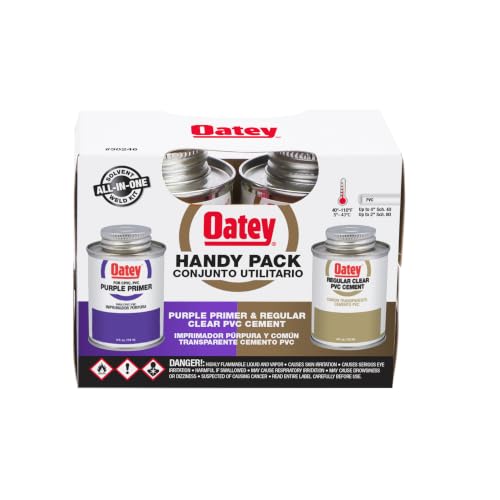
Oatey 30246 PVC Cement and Purple Primer Handy Pack
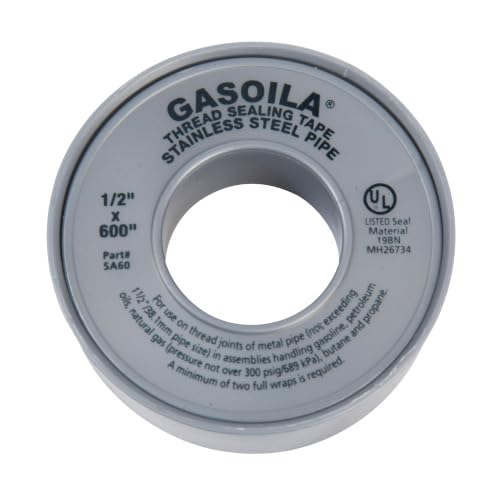
Gasoila Nickel PTFE Thread Seal Tape 1/2 in x 600 in

Oatey Rain-R-Shine Blue/Purple Primer and Cement 4 oz

Christy’s Red Hot Blue Glue PVC Cement, 1 Quart

Oatey 4 oz. Regular Bodied Clear PVC Cement

Weld-On 15900 Twin Pack PVC Cement and Primer
The Picks, Examined More Closely
The Zriechs 9900 is a silicone-based waterproof sealant built for surfaces PVC cement cannot reach, namely cracks in masonry, gaps along flashing, and joints where a flexible skin beats a rigid weld. The 500g cartridge delivers a thicker bead than typical kitchen-bath caulk, which matters when you are sealing a long crack on a retaining wall or patching around a vent that flexes with the seasons.
Unlike the solvent cements elsewhere on this list, this product does not chemically fuse pipe and fitting. It coats and seals, so it belongs on repair jobs at the perimeter of a PVC system rather than inside pressurized joints. For homeowners chasing a roof or wall leak before the next rain, it is a useful second tool to keep alongside a cement and primer.
What It Does Well
- Heat-resistant formula keeps its seal through hot summer rooftop exposure.
- Outdoor-grade waterproofing blocks moisture penetration on exterior surfaces.
- Permanent repair chemistry aims for long-lasting crack sealing without yearly reapplication.
- 500g pack size covers a generous length of bead, useful for whole-wall repairs.
- Black color blends with roofing felt, asphalt, and dark trim where clear caulk would look out of place.
Things To Consider
- Not a substitute for solvent cement on pressurized PVC pipe joints.
- Owners commonly report longer cure times than silicone bath caulk, so plan around a full dry window.
Who It Suits Best
Homeowners patching roof or wall cracks and weatherproofing exterior surfaces where a flexible, paintable-adjacent silicone bead is the right tool.
Where Another Pick Suits Better
The Oatey 30246 Handy Pack is the better choice when you are joining PVC pipe and fittings rather than sealing a surface crack.
Oatey’s Handy Pack bundles the two products you actually need for a solvent weld into a single buy: a 4 oz can of regular clear PVC cement and a 4 oz can of purple primer. The primer is NSF certified for potable water applications, which signals cleaner formulation chemistry than unrated alternatives. Together, they cover the textbook two-step bond that makes PVC joints last.
The clear cement flows freely and sets up at recommended application temperatures between 40 and 110 degrees Fahrenheit, so most homeowners can work with it across spring, summer, and fall without specialized heat conditions. For a first-time repair under a sink or a quick DWV fix, this pack removes the guesswork of picking compatible products separately.
Where It Excels
- Two-step pairing in one purchase means you do not have to research primer and cement compatibility.
- NSF-rated purple primer is approved for potable water lines, not just drain work.
- Clear cement leaves a clean visual joint, useful where the pipe is visible.
- Wide 40 to 110 degree Fahrenheit working range suits most climates.
Points To Note
- 4 oz cans are sized for one or two repairs; larger jobs will run out fast.
- Solvent odor is strong; ventilation matters during application.
Best Suited To
First-time PVC repairers who want a matched primer-and-cement duo without piecing the system together from separate cans.
Skip It When
The Christy’s Red Hot 1 Quart is the better match for contractors or homeowners running multiple fittings in one afternoon.
PTFE stands for polytetrafluoroethylene, a slippery plastic that fills micro-gaps in threaded metal-to-metal connections. The Gasoila Nickel tape is a high-density version, meaning a single wrap goes further and resists tearing better than standard white plumber’s tape. It is the right answer when your joint is threaded stainless or brass, not solvent-welded PVC.
The 1/2 inch width and 600 inch length fit most residential threaded fittings, including water supply lines, gas connections, and air tool hookups. Where Oatey cement chemically fuses plastic, this tape physically seals metal threads, so your toolbox benefits from both chemistries rather than choosing one over the other.
The Practical Payoff
- High-density PTFE holds shape on threads without shredding during wrap.
- Works across stainless, brass, and other metal pipe materials, broadening workshop utility.
- Non-toxic formulation suits potable water lines without special venting.
- Long 600 inch roll covers dozens of small fittings per purchase.
Honest Caveats
- Designed for threaded joints, not solvent-weld PVC, so it does not replace cement for plastic pipe assembly.
- Specialty tape carries a premium over generic white plumber’s tape.
The Right Fit
DIYers and pros sealing threaded metal fittings, gas line connections, or air compressor hookups where standard white tape would feel too thin.
Reach For A Different Pick When
The Oatey 30246 Handy Pack is the cleaner answer when you are welding PVC pipe and fittings rather than sealing threaded metal joints.
Rain-R-Shine is Oatey’s answer to the most common outdoor complaint: cement that refuses to set when the pipe is wet. The blue and purple chemistry is formulated to displace moisture and bond in damp conditions, so a leaking irrigation line at 7 a.m. does not have to wait for a dry afternoon. The applicator-in-lid design also speeds field work when you do not have a brush handy.
Compared to the original Handy Pack above, this product trades a smaller temperature band for moisture tolerance. It works between 40 and 110 degrees Fahrenheit, handles pipes up to 6 inches in diameter, and reaches a 140 degree maximum use temperature. NSF certification keeps it approved for potable water lines, so wet-weather performance does not cost you code compliance.
Reasons It Performs
- Bonding chemistry tolerates wet, humid, and damp pipe surfaces that stall standard cement.
- Applicator built into the lid reduces tool count on ladder-and-shovel jobs.
- NSF certification preserves potable water approval despite the aggressive formula.
- Handles up to 6 inch diameter pipe, covering most residential irrigation and drainage runs.
Trade Offs
- Fast set time leaves less room to reposition a misaligned fitting.
- Cement VOC of 425 g/L and primer VOC of 550 g/L mean stronger fumes than low-VOC alternatives.
Key Features At A Glance
Made For
Homeowners repairing outdoor irrigation, pool plumbing, or drainage lines where the pipe cannot be dried before bonding.
Look Elsewhere When
The Oatey 4 oz Regular Bodied Clear Cement is the cleaner choice for indoor, dry-condition repairs where you want low-odor chemistry.
Christy’s Red Hot is the contractor’s blue cement of choice when a small can simply will not stretch across the job. The 1 quart size (32 fl oz) covers whole-house replumb runs, deck builds, or any project where you would otherwise chain-buy 4 oz cans. The medium body gives you enough open time to align fittings without rushing the bond.
The quick-set formula reaches handling strength in roughly 10 minutes and full cure in 24 hours depending on pipe size. It is rated for all classes and schedules through 6 inch diameter interference fit, so the same quart handles irrigation laterals and Schedule 40 drain stacks. Compared to the Rain-R-Shine above, it is tuned for dry conditions rather than wet ones.
Benefits That Matter
- Large 1 quart volume drops the per-joint cost during multi-fitting projects.
- Medium body balances spreadability with enough viscosity to fill minor gaps.
- Compatibility with all PVC schedules through 6 inch diameter covers most residential builds.
- Low-VOC formula reduces odor on enclosed jobs versus older high-VOC cements.
Points To Note
- Bulk size goes stale faster once opened if the can is not sealed tightly between uses.
- Quick-set 10 minute handling window leaves less margin on complex assemblies.
Feature Card
Who Should Grab It
Contractors, remodelers, and homeowners running multiple PVC fittings in one project who want a single quart instead of a stack of 4 oz cans.
A Better Fit Elsewhere
The Oatey 4 oz Regular Bodied Clear PVC Cement is the better match for a single small patch where a full quart would dry out before you finish it.
This is the no-frills Oatey cement in its smallest can, designed for a single repair rather than a project run. The regular body sits between thin and medium viscosity, so it flows into the joint without flooding your work area. Made in the United States, it carries Oatey’s standard quality on a routine indoor fix.
Note that this product is restricted for sale in California and Alaska due to VOC regulations, so shoppers in those states will need to look at compliant alternatives. For everyone else, it is a tidy, focused can that does one job without the cost or shelf-life concern of a quart.
Well-Handled Touches
- Compact 4 oz can matches a single repair rather than forcing you to store half-used cement.
- Regular body viscosity flows well on small-diameter pipe without mess.
- Clear finish preserves the visual look of exposed pipe runs.
- Domestic manufacturing for shoppers who prefer US-made supplies.
Worth Bearing In Mind
- Restricted for sale in CA and AK, which rules it out for shoppers in those states.
- Cement only, no primer included, so you may need a second can for proper two-step bonding.
Perfect Match For
Homeowners needing a single small indoor PVC repair where a quart would go stale before the next use.
Swap It Out When
The Oatey 30246 Handy Pack is the smarter pick when you want primer bundled in and full potable-water approval from the start.
Weld-On is a familiar name in plumbing supply houses, and the 15900 Twin Pack pairs the company’s regular-bodied 780 cement with its purpose-built primer in one package. The 780 flows smoothly, sets quickly, and works with all PVC pipe and fittings up to 4 inches in diameter. Low-VOC chemistry keeps fumes more manageable than older solvent cements.
The accompanying primer pre-softens the PVC surface, which is the necessary first step before solvent cement can fuse pipe and fitting chemically. Skipping primer is the most common reason DIY joints fail, so having it in the box removes the temptation to cut that corner. Compared to Oatey’s Handy Pack, this set trades brand familiarity for Weld-On’s specific low-VOC formulation.
Advantages To Know
- Low-VOC formula reduces fume intensity versus traditional high-VOC cements.
- Primer included in the same pack, removing an extra trip to the store.
- Compatible with all PVC pipe and fittings up to 4 inches in diameter.
- Regular-bodied cement spreads easily without flooding the joint.
Practical Considerations
- Limited to 4 inch diameter pipe, so larger drainage stacks need a different product.
- Weld-On cans may have a shorter shelf life once opened than some competitors.
Feature Rundown
Built With In Mind
Plumbers and serious DIYers who want a matched low-VOC cement and primer pair from a recognized plumbing brand for indoor PVC repairs.
Not Your Match When
The Oatey Rain-R-Shine is the stronger pick for outdoor repairs on wet irrigation lines where moisture tolerance matters more than low-VOC chemistry.
What Matters Most When Choosing a Sealant for PVC Pipe
Start with the joint type. Solvent-welded PVC pipe and fittings need a cement that chemically fuses the plastic, while threaded metal connections need PTFE tape, and surface cracks need silicone. Mixing chemistries wastes product and leaves a weak bond.
Consider the environment next. Indoor dry work favors low-VOC cement for comfort and air quality. Outdoor repairs in wet conditions need a wet-rated formula like Rain-R-Shine that displaces moisture instead of stalling on it. Temperature matters too; most cements want ambient air between 40 and 110 degrees Fahrenheit.
Match the can size to the project. A 1 quart is the cheapest per joint but goes stale after opening. A 4 oz can is the right answer for one or two fittings, and a twin pack removes the separate trip for primer.
Finally, check certifications for potable water lines. NSF-rated primers and cements are the only safe choice for any repair that touches drinking water, while non-rated products are fine for irrigation, drainage, and DWV.
Key Considerations Across These Picks
Mistakes Worth Dodging
Skipping primer is the single most common DIY failure. The primer softens the PVC surface so the cement can fuse it; without it, even the best cement sits on top of the plastic instead of becoming part of it. Buying cement only and improvising the primer step leaves joints that leak under the first pressure cycle.
Ignoring VOC rules costs money at the register. Several PVC cements are restricted for sale in California and Alaska due to volatile organic compound limits, so an online order may be canceled at checkout. Match the product to your state before adding it to the cart.
Where The Extra Money Goes
Premium cements and primers earn their cost through lower VOC content, wet-weather bonding, and tighter quality control on viscosity. For a one-off indoor repair, a budget clear cement is plenty. For wet outdoor work, gas lines, or potable water certification, the upgraded formula prevents callbacks and code violations.
Frequently Asked Questions
Do I need primer with PVC cement?
Yes. Primer softens the PVC surface so the cement can fuse the pipe and fitting into a single piece, and most manufacturers consider the bond invalid without it.
Can I use regular PVC cement on wet pipe?
Standard cement struggles on damp pipe. Wet-rated formulas like Oatey Rain-R-Shine displace moisture and bond through humid conditions for outdoor repairs.
Is PVC cement safe for drinking water lines?
Only cement and primer that carry NSF certification for potable water should touch drinking water lines. Drain, waste, and vent lines do not need this rating.
How long does PVC cement take to cure?
Most cements reach handling strength in about 10 minutes and full cure in 24 hours, depending on pipe size, temperature, and humidity. Pressure test only after full cure.
What is the difference between PVC cement and thread seal tape?
PVC cement chemically welds plastic pipe and fittings, while PTFE thread seal tape fills gaps in threaded metal connections. They serve different joint types and are not interchangeable.
Wrap Up
The right sealant for PVC pipe depends entirely on the joint you are facing: solvent cement for plastic welds, PTFE tape for threaded metal, and silicone for surface cracks. Match the chemistry to the joint, match the can size to the project, and the repair holds the first time.




