

Routers for speed mean different things to different people. Woodworkers chasing clean edge profiles and homeowners chasing gigabit-class WiFi both want more performance, but the category splits cleanly into power tools and networking gear. This lineup covers both sides: corded and cordless wood routers for trimming, profiling, and joinery, plus WiFi 7 and travel routers for blistering wireless throughput. Each pick below reflects a real trade-off between power, portability, coverage, and price, so you can match the tool to your workshop, job site, or living room.
The Lineup, Simplified
JICICUXI Portable WiFi 6 Travel Router 4G LTE

DEWALT 20V Max XR Cordless Router (DCW600B)

BOSCH 1617EVS 2.25 HP Fixed-Base Router

Makita XTR01Z 18V LXT Brushless Compact Router
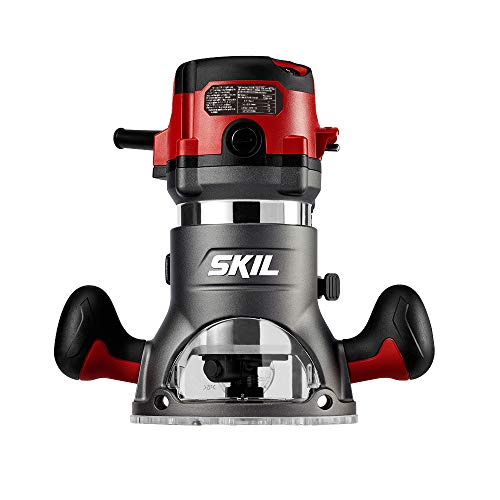
SKIL 10 Amp Fixed Base Corded Router RT1323-00

NETGEAR Nighthawk BE9300 Tri-Band WiFi 7 Router

Milwaukee M18 FUEL Cordless Compact Router
NETGEAR Nighthawk RS90 Dual-Band WiFi 7 Router

NETGEAR Nighthawk RS140 Dual-Band WiFi 7 Router
A Breakdown Of The Leading Choices
Frequent travelers know the sting of hotel WiFi: shared logins, captive portals, sluggish speeds, and the constant worry of using open networks on a work laptop. The JICICUXI travel router is built for that exact problem, wrapping a 4G LTE modem (covering bands like B2, B4, B5, B7, B28, B38, B40, B41) and a SIM slot into a pocket-sized shell in pearl white. Pop in a data SIM and you carry a personal hotspot that can follow you across airports, rental cars, and conference floors without depending on whoever runs the building’s network.
It also behaves as a WiFi 6 travel router for wired hotel rooms, which is the underappreciated trick. Plug the WAN ethernet jack into a wall port and the device rebroadcasts a private, encrypted network for your laptop, phone, and tablet. The pearl-white finish stays clean in a carry-on, and the SIM-based failover means your connection survives when the local WiFi is congested. For nomads juggling Zoom calls on the road, that’s the real selling point.
Well-Handled Touches
- 4G LTE with broad band support handles international SIM cards without an external modem
- WiFi 6 rebroadcast gives you WPA3-grade encryption over sketchy public networks
- SIM slot plus ethernet WAN means true failover between cellular and wired
- Pocketable shell fits in a laptop sleeve or jacket pocket for daily commutes
- Acts as a private network hub for phones, laptops, and tablets simultaneously
Worth Noting
- Real-world LTE throughput depends on your carrier’s signal strength in any given location
- Data plan costs and roaming fees sit outside the device itself
- No built-in battery, so it needs USB power on long days out
Whose Shelf It Belongs On
Road warriors, journalists, and remote workers who hop between hotels, Airbnbs, and client sites each week.
Swap It Out When
The NETGEAR Nighthawk RS140 suits you better when your internet life happens mostly at home and you need WiFi 7 for a multi-device household.
Anyone who has wrestled a corded router around a door casing knows the value of a real cordless option. The DEWALT DCW600B uses a brushless motor and runs on the 20V Max XR battery platform, so trim carpenters can hop from a basement to a second floor without dragging an extension cord. The plastic fixed base keeps weight down while dual LEDs throw light right on the bit, which is the small detail that saves you from ruined profiles in dim basements.
Variable speed control lets you match RPM to bit diameter and material, and the release clamp swaps bits quickly between flush-trim, roundover, and rabbet cuts. The trade-off is that this is the tool body only, so you bring your own 20V battery and charger to the job. Compared with the heavier fixed-base BOSCH 1617EVS that follows, this DEWALT trades raw mass for portability, which is the right call for finish carpenters moving through a build all day.
What Helps Most
- Brushless motor delivers corded-class cutting without the cord
- Dual LED work lights make bit visibility excellent in dark cabinetry
- Variable speed dial matches RPM to bit size and wood density
- Quick-release clamp swaps bits in seconds on the job
Trade-Offs To Consider
- Battery and charger sold separately, which adds to total cost
- Plastic fixed base lacks the mass of cast-aluminum shop routers
- Best suited to lighter trim and edge work, not heavy raise-panel cuts
Built With In Mind
Trim carpenters, remodelers, and finish pros already running 20V Max XR packs on busy job sites.
A Better Fit Elsewhere
The BOSCH 1617EVS makes more sense for a stationary shop where a heavier fixed base anchors into a router table all day.
Few woodworking routers earn the kind of cult following the BOSCH 1617EVS has built over the years. The 2.25-horsepower, 12-amp motor pairs with constant-response circuitry, which is the engineering term for electronics that keep RPM steady when the bit bites into dense hardwood. That stability matters when you’re running a raised-panel bit through figured maple and can’t afford to slow down mid-pass.
The fixed base uses a three-hole pattern for quick mounting to a router table, and the one-piece armature shaft is the kind of internal upgrade that translates into years of service. Variable speed dials down to a range that suits larger-diameter bits. The catch is mass: this is a bench tool first, not something you carry to a job. Compared to the DEWALT DCW600B that came before it, the BOSCH wins on power and table integration but loses on portability.
Practical Advantages
- 2.25 HP motor chews through hardwoods without bogging down
- Constant-response circuitry keeps speed stable under load
- Threaded three-hole base locks into standard router tables
- One-piece armature shaft adds long-term durability
Possible Compromises
- Heavier than trim routers, so hand-held use tires the wrist
- Corded design limits placement around the shop
Key Specs
Right Fit For
Cabinetmakers, furniture builders, and small-shop owners who anchor their router into a table for raised panels, mortising, and repeatable joinery.
Look Elsewhere When
The Makita XTR01Z is a smarter pick if you need cordless freedom for on-site trim and don’t already own a 12-amp corded tool to anchor.
The Makita XTR01Z delivers “corded power, cordless freedom,” which is the line Makita has used for years, and the XTR01Z lives up to it. The brushless motor is the heart of the deal, since brushless designs typically run cooler, draw less current, and extend battery life. For installers hanging thousands of feet of crown in a single week, that translates to more cuts per charge and a tool that doesn’t fight you at the end of a long day.
Because the router is part of the 18V LXT platform, anyone already owning Makita batteries can drop them straight in. The compact body keeps the center of gravity close to the workpiece, which improves control on vertical cuts like door jambs. Against the DEWALT DCW600B covered earlier, this Makita leans toward finer detail work rather than all-out material removal. The usual caveat applies: the tool arrives as the body only.
The Practical Payoff
- Brushless motor extends runtime and tool life over brushed designs
- Compact body reduces fatigue during long detail sessions
- Compatible with existing Makita 18V LXT batteries and chargers
- Soft-start electronics prevent jerky bit engagement on the workpiece
Where It Is Less Suited
- Batteries and charger sold separately
- Less torque than full-size corded routers on heavy bits
Feature Snapshot
Best Suited To
Detail-oriented finish carpenters, cabinet installers, and trim pros already invested in the Makita LXT battery ecosystem.
Skip It When
The SKIL RT1323-00 is the friendlier choice for first-time woodworkers who want a corded tool with simple controls and a lower entry barrier.
Weekend woodworkers don’t need a 2.25-horsepower workshop anchor, and that’s exactly the gap the SKIL RT1323-00 fills. The 10-amp motor produces around 2.0 horsepower, which is plenty for roundovers, chamfers, rabbets, and small joinery cuts. The die-cast motor housing adds heft where you want it (above the bit) and keeps the body rigid, so the tool doesn’t chatter when you push it through a board.
A speed control dial pairs with LED work lights on the motor base, and the fixed base accepts both 1/4-inch and 1/2-inch shank bits, the two shank sizes that cover essentially every common router bit. Three coarse depth settings with micro-depth adjustment make repeatable cuts approachable for newer users. Next to the cordless DEWALT and Makita above, this SKIL trades job-site freedom for predictable plug-in power and lower cost.
Reasons It Performs
- 10-amp motor delivers reliable corded power without complexity
- Die-cast housing adds stability and reduces flex during cuts
- Speed control dial plus LED lighting simplifies accurate work
- Accepts both 1/4-inch and 1/2-inch shank bits for versatility
Points To Keep In Mind
- Corded only, so you need an outlet or extension cord nearby
- Heavier than compact trim routers, which can fatigue newer users
Made For
Hobbyist woodworkers, garage-shop DIYers, and first-time tool owners who want approachable controls and solid fundamentals.
Where Another Pick Suits Better
The Makita XTR01Z is a smarter pick for finish carpenters who need cordless freedom on remodel sites and already own LXT batteries.
WiFi 7, the latest generation of wireless networking, lands in a serious form with the Nighthawk BE9300. Tri-band operation means three independent radios: 2.4 GHz for range, 5 GHz for everyday devices, and 6 GHz (the new band unlocked by WiFi 7) for the cleanest, fastest short-range throughput. Aggregate speeds top out around 9.3 Gbps, which is the kind of number that makes multi-gig fiber connections feel fully utilized for once.
The 2.5 Gigabit internet port is the on-ramp you want for a multi-gig fiber or cable plan, and coverage reaches roughly 2,500 square feet with support for about 100 connected devices, more than enough for a packed smart home. The honest read: most households won’t fully tax this hardware today, but households running 4K streams, cloud backups, and VR rigs at the same time will appreciate the headroom. Against the smaller RS90 below, this BE9300 is the obvious step up in raw throughput.
Positive Takeaways
- Tri-band WiFi 7 with 6 GHz support unlocks the fastest lanes
- 2.5 GbE WAN port pairs with multi-gig internet plans
- Up to 100 simultaneous devices for packed smart homes
- Free expert help from NETGEAR during setup and troubleshooting
Where It May Fall Short
- Router only, so a separate modem is required for service
- Premium feature set commands a premium price versus dual-band models
- You may find the 6 GHz band range shorter than 5 GHz in a sprawling home
Quick Facts
Perfect Match For
Large households with multi-gig internet, gamers chasing low-latency 6 GHz connections, and smart-home owners running dozens of devices at once.
Not Your Match When
The Nighthawk RS90 is a better fit for smaller homes or apartments where 3.6 Gbps dual-band coverage is enough for the device count.
Milwaukee’s M18 FUEL router is the cordless answer for shops and crews already standardized on the M18 battery platform. The brushless motor peaks at around 31,000 RPM, which is a healthy ceiling for profiling bits and laminate trimming, and the 4-inch base fits inside tight spots like cabinet face frames. Variable speed via a push-button switch lets you throttle down for larger-diameter bits that would otherwise burn the workpiece.
At roughly 2.9 pounds bare, this is one of the more compact M18 tools, which keeps the day’s workload manageable. Like the DEWALT and Makita cordless routers covered earlier, the body ships without a battery or charger, so total cost depends on what you already own. The reasonable take for most M18 users: it slots into the lineup cleanly and removes one more cord from the job site.
Where It Delivers
- Brushless motor runs up to 31,000 RPM for clean cuts
- Compact 4-inch base reaches into cabinet interiors
- Variable speed via push-button control adapts to bit size
- Lightweight 2.9 lb design eases fatigue over long shifts
Points To Note
- Battery and charger sold separately
- Smaller base diameter trades stability for maneuverability
- Owners commonly report runtime dropping fast on heavy 1/2-inch shank bits
Who It Suits Best
M18 platform loyalists, commercial trim crews, and remodelers who already carry Milwaukee batteries and want one less corded tool on the truck.
Consider Something Else When
The BOSCH 1617EVS makes more sense for a stationary shop setup where a heavier corded router anchors into a table all day.
Not every household needs three radios and a 9.3 Gbps ceiling. The Nighthawk RS90 is the WiFi 7 pick for tighter spaces, with dual-band operation topping out around 3.6 Gbps. That is still meaningfully faster than typical WiFi 6 routers and more than enough for a family streaming 4K, taking video calls, and gaming online simultaneously in a 1,500 to 2,000 square foot home.
The 2.5 Gig internet port covers most multi-gig plans, coverage lands around 2,000 square feet, and roughly 50 devices is realistic for a busy apartment or small house. Setup help from NETGEAR’s free expert line is included for households that don’t want to dig through forums. Compared to the BE9300 covered earlier, the RS90 costs less, drops the 6 GHz radio, and suits a smaller footprint cleanly.
The Case For It
- WiFi 7 dual-band at 3.6 Gbps covers most homes comfortably
- 2.5 Gig WAN port ready for modern multi-gig plans
- Around 2,000 sq. ft. of coverage suits apartments and small houses
- Free NETGEAR setup help lowers the configuration barrier
Smaller Caveats
- No 6 GHz radio, so the fastest WiFi 7 features are limited
- Router only, so a modem is required separately
Best Suited To
Condo dwellers, apartment households, and small-home owners who want WiFi 7 without paying for a tri-band flagship.
Reach For A Different Pick When
The Nighthawk BE9300 is a smarter call for a large multi-story home with 80+ devices and a multi-gig fiber connection to feed.
The Nighthawk RS140 sits right in the middle of the WiFi 7 lineup, delivering up to 5.0 Gbps across dual bands with support for around 80 devices and roughly 2,250 square feet of coverage. For most family households, that combination covers streaming TVs, work laptops, game consoles, and a growing collection of smart bulbs, plugs, and cameras without the wireless traffic jams older routers suffer.
The 2.5 Gig internet port taps into multi-gig plans where available, and NETGEAR’s free expert help is included for households that prefer a guided setup. Compared to the RS90 just before it, the RS140 adds headroom for slightly larger homes and more concurrent devices. Compared to the BE9300 flagship, you give up the 6 GHz band and some of that top-end speed, but you save meaningfully on cost.
Real-World Strengths
- 5.0 Gbps dual-band WiFi 7 fits most family bandwidth patterns
- Up to 80 devices for crowded smart-home setups
- 2,250 sq. ft. of coverage suits mid-size homes
- 2.5 Gig WAN port pairs with multi-gig service plans
Honest Caveats
- Dual-band only, so no dedicated 6 GHz radio for the cleanest lanes
- Router only, so a separate modem is required
Feature Card
Who Should Grab It
Busy families with smart-home gear, multiple streamers, and work-from-home parents sharing one internet connection.
Where A Sibling Pick Shines
The Nighthawk BE9300 is a better fit for large households pushing past 80 devices or running multi-gig fiber that demands a tri-band pipeline.
Choosing The Right Router For Speed In Your Shop Or Home
Speed is a moving target. The router that keeps up with a 500 Mbps cable plan today may bottleneck a 2 Gbps fiber upgrade next year, and a trim router that feels light in the shop may feel heavy on a ladder.
For wood routers, motor power and base type do most of the work. A 2.0 to 2.25 HP fixed base like the SKIL RT1323-00 or BOSCH 1617EVS handles deep cuts in hardwood and locks into a router table. Cordless brushless compact routers from DEWALT, Makita, and Milwaukee trade a little raw power for portability and battery-platform compatibility, which matters for anyone already invested in 20V Max, LXT, or M18 packs.
For WiFi routers, the real-world speed story depends on the standard, the band, and the home’s layout. WiFi 7 unlocks the 6 GHz band, the cleanest stretch of wireless spectrum, for short-range throughput. Tri-band models like the Nighthawk BE9300 add a third radio for that purpose, while dual-band options like the RS90 and RS140 split 2.4 GHz and 5 GHz traffic. Higher top speeds look impressive on paper, but coverage area and device capacity usually matter more in daily life.
Key Considerations Across These Picks
Pitfalls Shoppers Hit
One of the most common mistakes is buying a top-tier WiFi router for a small apartment. The 2,500-square-foot BE9300 is overkill in 900 square feet, and the shorter 6 GHz waves struggle through dense walls anyway. Match the router’s coverage footprint to the home before chasing peak speed.
For wood routers, the most common slip is buying a heavy fixed-base unit for handheld trim work. Cordless compact routers shine in those scenarios, and the heavier BOSCH 1617EVS belongs on a router table. Battery cost also sneaks up on cordless tool buyers: a bare tool plus a quality battery and charger often approaches the price of a complete corded alternative.
Where The Extra Money Goes
Premium router pricing buys three things: faster radios, more simultaneous streams, and better internals. A Nighthawk BE9300 over an RS90 brings the 6 GHz band, more device capacity, and headroom for a multi-gig plan. Whether that headroom is worth the premium depends on whether your current devices can even use it.
For woodworking tools, the price gap between the SKIL RT1323-00 and the BOSCH 1617EVS reflects motor power, build quality, and table-mount integration. If you only need handheld trim work, the SKIL is the smarter spend. If you run a router table daily and care about constant speed under load, the BOSCH earns its place.




