

Tap water tells a different story from one city to the next, and plenty of households want more control over what actually lands in their glass. Reverse osmosis systems tackle that gap with multi-stage filtration that strips out contaminants most pitchers leave behind. The challenge is that home RO systems vary widely: some pair remineralization with permeate pumps, others run tankless for instant flow, and the spec sheets rarely explain which trade-offs matter most. This roundup walks through ten real options for under-sink installation, what each one does well, and the practical scenarios where each fits best, so you can match the hardware to your kitchen and your water without overbuying.
The Choices Worth Comparing

Home Master TMAFC-ERP-L Artesian Full Contact Loaded RO System

Home Master TMAFC-ERP Artesian Full Contact RO System

Waterdrop G5P700A Alkaline Mineral RO Water Filter

Waterdrop G5P700A-PRO Alkaline Mineral pH+ RO System
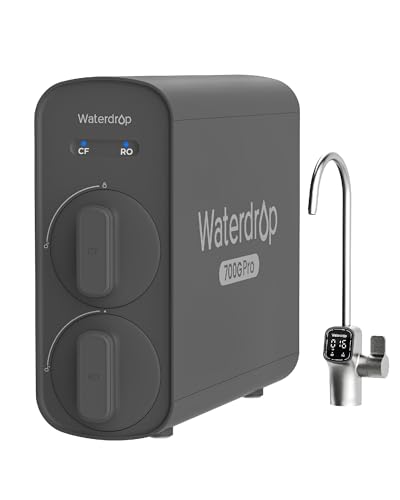
Waterdrop G5P700-PRO Dual Flow RO System

Waterdrop G2 400 GPD Tankless RO System

Waterdrop G5P500A 8-Stage Alkaline RO System

VIOMI V6 600 GPD Tankless RO System

VIOMI V6 PRO 600 GPD Under-Sink RO System
VIVA21 5-Stage Under-Sink RO System
The Strengths Of Each Pick
The loaded Home Master TMAFC-ERP-L arrives ready for an upgraded kitchen setup, bundling a brushed nickel faucet, a refrigerator connection kit, and a 75 GPD Filmtec high-hardness membrane into a single purchase. A permeate pump helps push water through the membrane more efficiently, and the system uses a seven-stage purification path that targets hard-water households where scale is a constant nuisance.
For homeowners who want mineral water straight from a dedicated tap, this loaded kit removes the guesswork of matching components later. The remineralization stage adds calcium and magnesium back into the finished water, which can matter for taste as much as for storage tank health.
Useful Strengths
- Bundled faucet, tubing, and fridge kit save a separate parts run.
- Remineralization improves flavor and reduces tank wear.
- Permeate pump supports stronger flow at low inlet pressure.
- High-hardness membrane is built for scale-heavy regions.
- Drain line adapter included for clean under-sink routing.
Things To Consider
- More components under the sink means planning space for filters and tank.
- Filter changes and the membrane itself can take some time to source.
Made For
Homeowners in scale-heavy regions who want a turnkey RO package with mineralization and fridge hookup out of the box.
Where Another Pick Suits Better
Consider the Home Master TMAFC-ERP if you want the same filtration philosophy without the loaded extras and the higher upfront cost.
The Home Master TMAFC-ERP is the platform underneath the loaded version above, and in many kitchens it is the more sensible buy. It uses a 1:1 waste-to-pure ratio, a fast 4.5-second fill rate at the tap, and 8.5-inch catalytic carbon stages, all of which matter once you live with the system for a few months.
For shoppers focused on water quality without extras like the fridge kit or upgraded faucet, this base model still delivers the patented two-pass remineralization that gives it the “Artesian Full Contact” name. Hard-water regions tend to benefit most, since the mineral stage also helps reduce storage tank degradation over time.
Standout Benefits
- Patented remineralization adds calcium and magnesium twice during purification.
- 1:1 drain ratio keeps waste water in check.
- Quick 4.5-second tap fill rate beats typical RO output.
- Five-year limited parts coverage for long-term ownership peace of mind.
Worth Noting
- Unlike the loaded TMAFC-ERP-L, the base unit skips the fridge kit and upgraded faucet.
- Filter and membrane replacements are larger and need a bit of under-sink space.
Key Product Details
Right Fit For
Households in hard-water regions who want remineralized water without paying for the bundled accessory package.
Skip It When
Step up to the Home Master TMAFC-ERP-L if you want the brushed nickel faucet and fridge line hardware included from day one.
The Waterdrop G5P700A shifts RO into the high-output tankless category with a 700 GPD rating that fills a glass in seconds rather than minutes. An eight-stage filtration chain, anchored by a 0.0001-micron membrane, handles most of the usual suspects: lead, chlorine, fluoride, heavy metals, and the harder-to-taste PFOA and PFOS compounds. NSF/ANSI 58 and 372 certifications add a layer of independent verification that matters when shopping blind.
The “A” in the model name signals an alkaline post-stage, which adds minerals back into the finished water for a taste profile some people prefer over flat, stripped RO output. In a household that cooks a lot or runs through multiple cups of water a day, the 2:1 pure-to-drain ratio keeps water waste in check.
Where It Excels
- 700 GPD flow eliminates the typical tank-wait bottleneck.
- Alkaline remineralization rounds out flavor without a bulky tank.
- NSF/ANSI 58 and 372 certifications cover contaminant reduction and lead-free materials.
- Smart LED faucet surfaces filter status at a glance.
Trade Offs
- Tankless systems require steady water pressure and, in some setups, a power outlet.
- Higher flow can shorten filter life in very hard water without pretreatment.
Who It Suits Best
Busy households and home cooks who refill pitchers, pots, and bottles constantly and want near-instant purified water on tap.
Look Elsewhere When
Reach for the Waterdrop G2 if you do not need 700 GPD and want a more modest footprint with a friendlier price tag.
The PRO variant in the G5P700A line adds a true dual-flow configuration, sending purified water to the dedicated RO faucet while a parallel line feeds the regular kitchen tap for everyday washing. For homes that want filtered water reaching the fridge, dishwasher, or ice maker, that second path opens options the standard single-outlet version simply cannot offer.
Under the hood you get the same eight-stage chain and 0.0001-micron membrane as the G5P700A, plus the alkaline pH+ post-filter for those who find flat RO water unappealing. The 700 GPD output keeps up with heavy kitchen use without a storage tank taking up cabinet space.
Strengths Worth Knowing
- Dual outflow supports kitchen faucet, fridge, and ice maker routing.
- Alkaline pH+ stage refines taste beyond plain RO output.
- Tankless design frees up under-sink storage for cleaning supplies.
Honest Caveats
- Dual-line plumbing adds a few extra fittings and steps during install.
- More connections mean more joints to keep an eye on for slow drips over time.
Best Suited To
Households that want filtered water routed to multiple endpoints, including the fridge and ice maker, from a single under-sink unit.
A Better Fit Elsewhere
Pick the Waterdrop G5P700A instead if you only need one purified-water line and want to skip the dual-plumbing commitment.
Without the “A” alkaline stage, the G5P700-PRO focuses purely on contaminant reduction and dual-outlet flexibility. Seven stages of filtration sit behind that 700 GPD tankless design, with a 0.0001-micron membrane doing the heavy lifting on lead, chlorine, fluoride, and a long list of dissolved solids.
The dual-flow layout makes sense if you want one purified stream for the dedicated faucet and a second filtered stream for the kitchen tap, dishwasher, or fridge. Compared to the alkaline sibling, you give up the mineral post-stage, which keeps the unit simpler and the replacement filters less involved.
Practical Advantages
- High 700 GPD flow handles multi-person households without a tank.
- Dual outflow routes purified water to multiple fixtures.
- Streamlined 7-stage filter path is simpler to maintain.
Points To Note
- No remineralization means flat-tasting water that some people find less appealing.
- Tankless install still depends on a power outlet and adequate pressure.
Perfect Match For
Households prioritizing pure water output and dual-line flexibility over alkaline taste adjustments.
Consider Something Else When
The Waterdrop G5P700A-PRO is worth a closer look if the alkaline pH+ stage matters for taste and you do not mind the extra filter step.
The Waterdrop G2 has earned a long run on the market by keeping things simple: 400 GPD tankless output, NSF/ANSI 372 certification for lead-free materials, and a composite filter setup that consolidates multiple stages into manageable cartridge swaps. Compared to the larger 700 GPD G5P700A family, this unit trades raw speed for a smaller cabinet footprint.
Small kitchens, apartment dwellers, and renters who do not want a bulky storage tank tend to gravitate toward the G2. The 1:1 drain ratio keeps water waste reasonable, and the tankless design means one fewer heavy component to wrestle during install.
Real-World Strengths
- Compact body fits where full-size RO tanks simply will not.
- Composite filter design reduces the number of cartridges to swap.
- Lead-free material certification is documented to NSF/ANSI 372.
Small Caveats
- 400 GPD is modest for households filling multiple pitchers in a row.
- Replacement filters are brand-specific, so plan ahead before a swap date arrives.
Quick Facts
Who Will Love This
Apartment residents and small-household kitchens where cabinet space is tight and 400 GPD covers daily drinking and cooking needs.
Reach For A Different Pick When
The Waterdrop G5P700A-PRO serves larger families better with its higher flow rate and dual-outlet flexibility.
Sitting between the G2 and the 700 GPD G5 flagships, the Waterdrop G5P500A delivers 500 GPD through an eight-stage chain with an alkaline pH+ post-filter. NSF/ANSI 58 and 372 certifications verify both contaminant reduction and lead-free wetted materials. The 2:1 pure-to-drain ratio keeps waste water modest.
This is the middle-of-the-road option that handles most household drinking and cooking needs without paying for the highest-flow tankless hardware. If you have a household of three to four people and want alkaline output without going all the way up to 700 GPD, this hits a sensible middle ground.
A Strong Showing
- Eight filtration stages cover a broad contaminant list.
- Alkaline pH+ post-filter improves taste for everyday drinking.
- 500 GPD flow covers family use without a storage tank.
Room For Improvement
- Higher filter replacement cost per service cycle than the simpler G2.
- Without a dedicated RO faucet line, plan for a countertop hole during install.
The Right Fit
Mid-size households looking for tankless convenience and alkaline water without stepping up to the highest-flow models.
Swap It Out When
Upgrade to the Waterdrop G5P700A if your household runs through more than a gallon of purified water per hour on a regular basis.
The VIOMI V6 brings a 600 GPD tankless design to the under-sink category, paired with a smart faucet for filter status readouts. Installation is the part to plan carefully: this unit only works with the included faucet, not third-party taps, and it needs both a countertop hole and an under-sink drain hole, plus a standard electrical outlet for the booster pump.
For households that want a fresh take on RO with app-style feedback and don’t mind a more involved install, the V6 fits the bill. The dedicated faucet design keeps plumbing simple in exchange for limiting future flexibility.
Good Reasons To Consider
- 600 GPD flow supports moderate-to-high household demand.
- Smart faucet surfaces filter life and water quality status at a glance.
- Tankless design removes the bulky pressurized tank from under the sink.
Things To Weigh
- Cannot connect to existing kitchen faucets, refrigerators, or ice makers.
- Two-hole install plus electrical outlet adds complexity compared to simpler units.
Built With In Mind
Tech-curious households replacing a single dedicated RO tap and willing to commit to the included faucet and electrical setup.
Another Choice May Suit
The VIOMI V6 PRO is the better match if you specifically want filtered water reaching the fridge or ice maker from the same unit.
The V6 PRO loosens one of the main limits of the standard V6 by adding flexible installation that can route purified water to a separate line for the fridge or ice maker using standard tubing. The 600 GPD tankless output stays the same, and the smart faucet carries over for status readouts at the tap.
Setup still requires two drilled holes and a standard outlet, and the install is friendlier to households with a garbage disposer because of how the drain line is handled. For homes that want filtered water at the dedicated tap and the fridge, this PRO variant earns its place over the base V6.
What Pays Off
- Fridge and ice maker routing supported with standard tubing.
- Garbage disposer compatibility eases drain line integration.
- 600 GPD tankless flow keeps up with family demand.
Some Limits To Know
- Refrigerator connection tubing is not included, so factor that into the install.
- Under-sink footprint still requires 2.0 to 3.0 inches of clearance around the unit.
Feature Snapshot
Whose Shelf It Belongs On
Households pairing the RO unit with a refrigerator or ice maker who want both under-sink and fridge-side filtered water.
Not Your Match When
The standard VIOMI V6 is the better fit if you only want the dedicated tap and want to skip the fridge plumbing altogether.
The VIVA21 5-stage system is a classic tank-style RO that prioritizes simplicity and WQA Gold Seal certification to NSF/ANSI 58 and 372. For shoppers who want a familiar pressurized-tank setup with a lead-free faucet and a leak detector in the box, this is a straightforward first step into RO without tankless wiring or smart faucets.
The trade-off is footprint: the storage tank takes up cabinet space the tankless units above avoid. In return, you get time-tested architecture, easier diagnostics, and a complete kit ready for standard plumbing.
What Helps Most
- WQA Gold Seal certification to NSF/ANSI 58 and 372 documents performance and lead-free construction.
- Five-stage chain handles sediment, carbon, RO membrane, and post-carbon polishing.
- Leak detector adds an early-warning layer for under-sink drips.
Potential Compromises
- Pressurized tank takes up more cabinet space than tankless alternatives.
- No remineralization or alkaline stage means flatter-tasting output.
Product Snapshot
Who Should Grab It
First-time RO shoppers who want a familiar tank-based system with strong certifications and a complete installation kit.
Where A Sibling Pick Shines
The Home Master TMAFC-ERP is the upgrade path if you want remineralization and faster fill rates from the same classic architecture.
What Matters Most Before Choosing Reverse Osmosis Systems For Home
Match Capacity To Daily Use
Reverse osmosis flow rates are measured in gallons per day (GPD), and the difference between 400 and 700 GPD is dramatic in real kitchens. A 400 GPD unit like the Waterdrop G2 fills a glass quickly and handles single-person or two-person households comfortably. Step up to 600 or 700 GPD when three or more people share the kitchen, or when you regularly fill large pots, coffee makers, and ice trays in one session. Undersizing here means waiting at the tap, and oversizing means paying for capacity you won’t actually use.
Decide Between Tank And Tankless
Traditional RO systems store purified water in a pressurized tank so the tap flows instantly. Tankless systems generate water on demand and free up cabinet space, but they rely on stronger inlet pressure, a power outlet for the booster pump, and consistent household plumbing. Tank units work in almost any kitchen with reasonable water pressure; tankless units shine where space is tight and modern plumbing is already in place.
Filtration Depth And Mineral Balance
RO strips out contaminants along with minerals that give water its familiar taste. Multi-stage systems (five to eight stages) target a broader range of compounds than basic four-stage designs, while alkaline or remineralization stages add calcium and magnesium back into the finished water. If taste matters, prioritize units with at least one remineralization or alkaline post-stage. If pure reduction matters more, lean toward systems that focus on filtration depth without mineral replacement.
Certifications And Build Materials
NSF/ANSI 58 covers reverse osmosis performance, while NSF/ANSI 372 confirms lead-free wetted parts. WQA Gold Seal certification is another independent marker. Together, these give a baseline of confidence that the system’s stated performance has been reviewed by an outside body. Lead-free faucets and food-grade tubing round out the material considerations worth checking on the spec sheet.
Installation Realities
Under-sink RO installs vary from straightforward to involved. A simple five-stage tank unit typically needs a single faucet hole and a drain saddle. Tankless units add electrical outlet requirements, sometimes multiple drilled holes, and tighter clearance needs. Plan for filter access too: cartridges usually need swapping every six to twelve months, and cramped installs make that chore harder than it needs to be.
Key Considerations Across These Picks
Pitfalls Shoppers Hit
The most common slip-up is buying on gallons-per-day alone without checking tank versus tankless implications. A high-GPD tankless unit with no electrical outlet nearby turns into an install headache. Another frequent miss is overlooking filter replacement cost and availability: brand-locked cartridges can be more expensive or harder to source than generic alternatives. Finally, skipping a quick TDS (total dissolved solids) reading of your incoming water leaves you guessing about whether your chosen unit’s contaminant reduction claims actually apply to your supply.
Where The Extra Money Goes
Higher-tier models in this category generally earn their premium through faster flow, denser filtration chains, alkaline or remineralization stages, dual-outlet plumbing, and certified lead-free construction. For most households, paying more buys speed, taste refinement, and longer service intervals, all of which matter more in homes with heavy kitchen use. For lighter drinking-water needs, a mid-tier 400 GPD tankless unit or a classic five-stage tank system handles daily tasks without overpaying for capacity that sits idle.
Frequently Asked Questions
How Often Do RO Filters Need Changing?
Most pre-filters and post-filters in residential RO systems are swapped every six to twelve months, while the RO membrane itself typically lasts two to three years depending on incoming water quality and household usage.
Do Tankless RO Systems Need Electricity?
Yes, most tankless units use a booster pump that requires a standard electrical outlet under the sink, which is one of the key planning points before choosing a tankless design over a tank-based system.
Will An RO System Remove Fluoride?
Reverse osmosis membranes are rated to reduce fluoride along with most other dissolved solids, and NSF/ANSI 58 certified units document that reduction claim independently for shoppers who want verification.
Can These Systems Connect To A Refrigerator?
Several picks in this roundup support fridge and ice maker routing through dedicated lines or dual-outlet designs, though some tankless units require specific model variants for that flexibility and may not include the tubing.
What Is The Typical Drain Ratio?
Modern RO systems range from 1:1 to 3:1 pure-to-drain, with newer tankless designs often hitting 1:1 or 2:1, which significantly reduces water waste compared to older 3:1 or 4:1 generations.
Closing Remarks
The right reverse osmosis system comes down to matching flow rate, footprint, and filtration philosophy to your kitchen and your water. Hard-water households benefit most from remineralization, while small kitchens tend to prefer tankless designs that free up cabinet space. Take a quick look at your daily water use, your under-sink layout, and whether fridge routing matters before picking, and the rest of the decision tends to fall into place.




