

A power outage turns a normal evening into a scramble, and the right backup setup makes the difference between riding out a storm comfortably and hunting for candles in the dark. Whether you’re sheltering a fridge full of food, keeping a sump pump alive in the basement, or just trying to keep the Wi-Fi on so the kids can finish homework, a dependable home generator pays for itself the first time the grid blinks. This roundup covers fuel-driven workhorses for whole-home coverage and battery-based stations for quiet, indoor-safe convenience, so you can match the right kind of power to your space and your priorities.
The Shortlist At A Glance

Westinghouse 14500 Peak Watt Tri-Fuel Home Backup Portable Generator
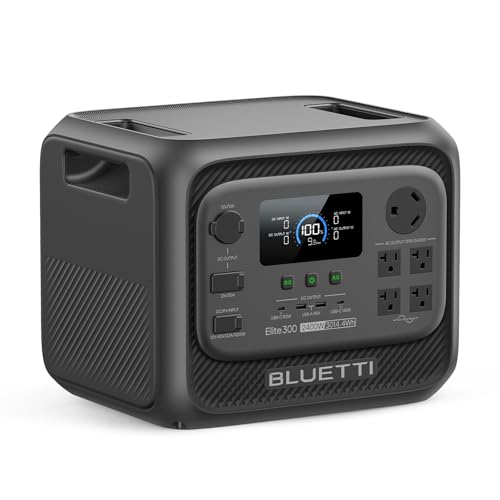
BLUETTI Elite 300 Portable Power Station 3014.4Wh

Honda EU2200i Companion 2200W Inverter Generator

EF ECOFLOW Delta 3 Portable Power Station 1024Wh

BLUETTI Elite 100 V2 Portable Power Station 1024Wh

BLUETTI Elite 200 V2 Portable Power Station 2073.6Wh

STARYLINE 1000W Portable Power Station 1024Wh

STARYLINE 1000W LiFePO4 Power Station 1024Wh
The Details Behind The Selections
The Westinghouse 14500 Peak Watt Tri-Fuel Home Backup Portable Generator is the heavyweight of this list, sized for households that want genuine whole-home coverage rather than a partial-power patch. Tri-fuel capability means you can run it on gasoline for maximum output, propane for cleaner storage, or natural gas for an essentially unlimited supply through a household line. For homes in storm-prone regions or rural properties with frequent outages, that fuel flexibility is the difference between riding out a multi-day blackout and rationing power by the hour.
Remote electric start and transfer-switch readiness make day-to-day use painless: you can fire it up from inside the house and wire it directly to a transfer switch for circuit-level backup. The 550cc overhead-valve engine is built for sustained runtime rather than quick bursts, and the unit is engineered to pair with a home electrical panel through the appropriate inlet box. Compared to the BLUETTI stations further down this list, this is a loud, fuel-consuming machine that demands outdoor placement and ventilation, but for sheer capacity nothing else here competes.
Positive Takeaways
- Tri-fuel design lets you choose gasoline, propane, or natural gas based on what’s available during an emergency.
- Transfer-switch ready, meaning you can legally back up hardwired circuits like a furnace or well pump.
- Remote electric start saves you from stepping outside in bad weather to fire up the engine.
- Output range supports whole-home loads including central air, well pumps, and electric ranges when properly sized.
Practical Considerations
- Fuel-driven engines require routine oil changes, spark plug checks, and stabilizer treatment for long-term storage.
- Must be operated outdoors and away from windows due to exhaust fumes, which limits placement flexibility.
- Heavier than battery stations and benefits from a wheeled frame for repositioning around the property.
Who It Suits Best
Homeowners in outage-prone regions with a transfer switch or generator inlet already installed who need true whole-home coverage rather than partial-circuit backup.
Where Another Pick Suits Better
For apartment dwellers or anyone needing silent, indoor-safe operation, the BLUETTI Elite 300 Portable Power Station 3014.4Wh delivers similar watt-hour capacity without exhaust or fuel storage.
The BLUETTI Elite 300 Portable Power Station 3014.4Wh is the battery-based answer for households that want serious capacity without the noise and fumes of a combustion engine. At just over 3kWh of stored energy in a notably compact shell for the category, it’s sized to run a refrigerator, internet gear, lights, and phone-charging stations for a meaningful stretch of an outage. Setup is plug-and-play: you set it on a flat surface indoors, plug appliances into the AC outlets, and you’re powered.
What separates this from the smaller BLUETTI units later in the roundup is raw capacity, which translates into longer runtimes for the same devices rather than additional peak wattage. Owners commonly pair it with rooftop solar panels for indefinite off-grid operation, making it equally useful for an RV setup or a backyard studio. Compared to the Westinghouse 14500 Peak Watt Tri-Fuel Home Backup Portable Generator, you trade unlimited runtime from a fuel line for silent operation and indoor placement.
Where It Delivers
- Over 3kWh of capacity in a form factor considerably smaller than typical large power stations, easing storage in closets or garages.
- Inverter-style AC output, meaning safe charging for laptops, medical devices, and other sensitive electronics.
- Solar charging compatibility supports indefinite off-grid recharging during extended sunny-day outages.
- Zero exhaust and minimal noise, so it can sit in a living space or bedroom without ventilation concerns.
Trade Offs
- Total energy is finite once the battery is drained, requiring either grid recovery or solar input to replenish.
- Heavier than the 1kWh-class stations, though built-in handles help repositioning.
Built With In Mind
Suburban households needing silent, multi-day backup for refrigerators and electronics, plus RV owners wanting a high-capacity all-in-one power source.
Not Your Match When
For high-wattage loads like central air or electric heating, the Westinghouse 14500 Peak Watt Tri-Fuel Home Backup Portable Generator is the more capable choice.
The Honda EU2200i Companion 2200W Inverter Generator is the refined choice for shoppers who value quiet operation and reliable inverter power over raw output. Running in the 48 to 57 dB(A) range, it’s quiet enough to keep up a conversation nearby, which matters in close-quarter neighborhoods or RV parks where louder machines earn complaints. The “Companion” designation adds a 30A outlet for direct RV hookup and easier paralleling with a second unit.
For household backup, the EU2200i runs refrigerators, microwaves, hair dryers, and small AC units without overwhelming the engine, and the inverter output keeps computers and entertainment gear safe. The trade-off compared to the Westinghouse 14500 Peak Watt Tri-Fuel Home Backup Portable Generator is capacity: 2200W covers essentials, not whole homes. For many suburban households, that’s the more sensible match anyway.
The Helpful Details
- Notably quiet operation in the 48 to 57 dB(A) range keeps it neighbor-friendly during overnight outages.
- Inverter output delivers clean power suitable for sensitive electronics and modern appliances.
- Built-in 30A outlet streamlines RV hookup and lets you pair two units for higher output.
- Honda engine reputation translates into strong reliability with routine oil changes and fuel care.
Worth Bearing In Mind
- 2200W peak means running central air or an electric dryer simultaneously isn’t realistic.
- Gasoline-only operation requires fuel rotation and stabilizer treatment for long-term readiness.
Right Fit For
Suburban homeowners and RV travelers who need a quiet, dependable source for essentials and small appliances rather than whole-home coverage.
Skip It When
For larger homes needing true whole-home backup, the Westinghouse 14500 Peak Watt Tri-Fuel Home Backup Portable Generator delivers substantially more output.
The EF ECOFLOW Delta 3 Portable Power Station 1024Wh 1800W is built for households that want a battery station with serious expandability baked into the platform. The headline number is the recharge speed: combining high-watt solar input with the maximum AC input, you can refill the battery substantially during a single sunny day, which is meaningful during multi-day outages. The 1800W inverter handles most household appliances short of central HVAC.
Expansion is where the Delta 3 separates itself from the BLUETTI Elite 100 V2 Portable Power Station 1024Wh 1800W further down. The unit integrates with EcoFlow’s broader battery ecosystem, so you can stack additional packs to reach roughly 5kWh of total capacity if your needs grow. That modular approach makes it a smart long-term investment for households that want to start modest and scale up.
The Value In It
- Fast AC plus solar charging gets you back to full capacity quickly, which matters during repeat-day outages.
- Modular expansion to roughly 5kWh means you can grow capacity without replacing the core unit.
- 1800W continuous output covers most household appliances outside central HVAC.
- App-based monitoring for real-time usage tracking and remote control.
Points To Keep In Mind
- Full expandability requires purchasing additional battery packs, which adds to the total investment.
- Maximum solar charging depends on panel size and weather conditions, so partial recharge is common on cloudy days.
Made For
Tech-comfortable homeowners who want a smart, app-connected battery platform that can grow over time as household needs expand.
Look Elsewhere When
For pure plug-and-play simplicity without app dependencies, the BLUETTI Elite 200 V2 Portable Power Station 2073.6Wh 2600W offers more capacity in a single box.
The BLUETTI Elite 100 V2 Portable Power Station 1024Wh 1800W is the most portable option in the 1kWh class, sized for campers, van-lifers, and households that want grab-and-go emergency power. The 1024Wh capacity drives roughly 90 percent of common household appliances through its 11 ports, and the 1800W rated output (with a higher Power Lifting mode for resistive loads) handles everything from a mini fridge to a coffee maker.
Where it pulls ahead of similar-capacity competitors is charging flexibility: high-watt AC input refills the battery substantially in around an hour, and high-watt solar input lets you recharge off-grid during daylight hours. Compared to the EF ECOFLOW Delta 3 Portable Power Station 1024Wh 1800W, the Elite 100 V2 trades modular expandability for a more portable footprint that’s friendlier to road trips and tailgates.
The Good Stuff
- 11 output ports let you charge phones, laptops, cameras, and small appliances at the same time.
- Sub-hour AC recharge minimizes downtime between uses, helpful during short winter outages.
- Power Lifting mode temporarily drives higher-wattage resistive loads like hair dryers and kettles.
- Compact shell relative to its capacity, easing transport between home, car, and campsite.
Honest Caveats
- Capacity caps at around 1kWh without expansion options, limiting whole-home backup use.
- Power Lifting is designed for resistive loads and shouldn’t be used for sustained high-draw motor appliances.
Best Suited To
Campers, RV travelers, and apartment dwellers who want one unit that handles both weekend trips and short home emergencies.
Another Choice May Suit
For longer home outages needing greater capacity, the BLUETTI Elite 200 V2 Portable Power Station 2073.6Wh 2600W roughly doubles the stored energy.
The BLUETTI Elite 200 V2 Portable Power Station 2073.6Wh 2600W is the sweet spot for households that want battery-backed power without stepping up to a 3kWh unit. The 2600W continuous output handles refrigerators, hair dryers, and coffee makers simultaneously, and Power Lifting temporarily drives even higher-wattage resistive loads. Nine output ports let you run a small network of essentials at once.
At just over 2kWh of usable capacity, this unit runs a typical refrigerator for a meaningful stretch while still powering lights, internet gear, and phone chargers. Compared to the BLUETTI Elite 100 V2 Portable Power Station 1024Wh 1800W, you roughly double stored energy and substantially increase peak output, which is the difference between an overnight outage and a multi-day blackout. Setup is identical: place indoors, plug in appliances, monitor via the app.
Features That Help
- 2600W continuous output drives heavier household appliances without tripping or derating.
- Power Lifting mode temporarily handles high-draw resistive loads beyond the continuous rating.
- Over 2kWh of capacity extends backup from overnight into multi-day use for essential circuits.
- Multiple output ports including AC, USB-C, and DC for diverse device types.
Possible Compromises
- Heavier than 1kWh-class units, though manageable for short carries.
- Total runtime is still finite, so heavy multi-day outages benefit from solar recharging.
Who Will Love This
Households needing a single box that covers most essential circuits for an extended outage without the bulk of a 3kWh unit.
Reach For A Different Pick When
For maximum battery capacity in a single unit, the BLUETTI Elite 300 Portable Power Station 3014.4Wh offers roughly 50 percent more stored energy.
The STARYLINE 1000W Portable Power Station 1024Wh Portable Generator for Home is the value-oriented entry in the 1kWh class, aimed at shoppers who want backup essentials without paying for premium brand recognition. The 1024Wh capacity charges phones many times over, keeps a laptop running through a workday, and powers mini fridges and lights for short outage scenarios. The 1000W continuous output covers most small appliances short of space heaters and central HVAC.
Available in three color options with identical internal hardware, this unit is a straightforward choice for renters, dorm rooms, and anyone building a first emergency kit. Where it differs from the BLUETTI Elite 100 V2 Portable Power Station 1024Wh 1800W is mostly output ceiling: 1000W versus 1800W means heavier appliances may trip the inverter. For lights, comms, and small kitchen gear, that gap rarely matters.
What Helps Most
- Strong capacity-to-cost ratio for shoppers building emergency kits on a tight budget.
- Available in three colors to match dorm, apartment, or RV interiors.
- Optional solar panel bundle simplifies off-grid recharging for extended outdoor use.
- Multiple output ports for simultaneous device charging during outages or trips.
A Few Limitations
- 1000W continuous output means microwaves and hair dryers may approach the inverter’s limit.
- Less established brand heritage than larger competitors in the battery-station category.
Whose Shelf It Belongs On
First-time backup buyers, renters, and students who want essential coverage and portability without a premium brand markup.
Swap It Out When
For higher output needs like microwaves or coffee makers during outages, the BLUETTI Elite 100 V2 Portable Power Station 1024Wh 1800W offers more headroom.
The STARYLINE 1000W Portable Power Station 1024Wh LiFePO4 for Outdoor and Home shares its 1kWh-class footprint with the previous STARYLINE entry but swaps in a LiFePO4 (lithium iron phosphate) battery chemistry for longer cycle life. LiFePO4 cells hold up to substantially more charge-discharge cycles than typical lithium-ion, which matters if you cycle the unit monthly for camping or weekly for emergency drills. For occasional outage use, the chemistry translates into a longer service life before capacity fade becomes noticeable.
Output ceiling stays at 1000W continuous, with a multi-port layout that includes AC outlets, USB-C PD (power delivery) at 60W for laptop fast-charging, and standard USB-A ports for legacy devices. The 60W PD port charges a typical laptop to roughly half capacity in about 30 minutes, which is meaningfully faster than the standard USB ports on many competing units. Compared to the BLUETTI Elite 100 V2 Portable Power Station 1024Wh 1800W, you trade peak output for chemistry longevity at a friendlier price.
A Few Strong Suits
- LiFePO4 battery chemistry delivers longer cycle life for shoppers who use the unit frequently.
- 60W USB-C PD port fast-charges laptops and modern tablets without needing an AC adapter.
- Runs lights, routers, and mini fridges for multi-day outages at modest loads.
- Multi-port design powers five devices at once for families with diverse electronics.
Things To Weigh Up
- 1000W continuous ceiling caps use to lights, comms, and small kitchen appliances.
- LiFePO4 cells add modest weight compared to standard lithium-ion at the same capacity.
Perfect Match For
Outdoor enthusiasts and homeowners who want long-cycle-life battery chemistry for repeated use rather than occasional emergencies.
A Better Fit Elsewhere
For higher-wattage appliances like microwaves and coffee makers, the BLUETTI Elite 100 V2 Portable Power Station 1024Wh 1800W is the stronger match.
What Matters Most Before Choosing Power Generators For Home
Understanding The Two Main Categories
Power generators for home split into two distinct families with very different ownership profiles. Combustion generators like the Westinghouse 14500 Peak Watt Tri-Fuel Home Backup Portable Generator and the Honda EU2200i Companion 2200W Inverter Generator deliver high output and unlimited runtime (with refueling) but require outdoor placement, fuel storage, and routine engine maintenance. Battery power stations like the BLUETTI Elite 300 Portable Power Station 3014.4Wh or the EF ECOFLOW Delta 3 Portable Power Station 1024Wh run silent, work indoors, and need zero fuel, but their runtime is capped by stored watt-hours and recharge speed.
Sizing To Your Actual Loads
The right size depends on what you plan to power during an outage. Refrigerators, internet routers, phone chargers, and a few lights typically fit comfortably in a 1kWh-class station like the STARYLINE 1000W Portable Power Station 1024Wh. Adding a microwave, coffee maker, or window AC unit pushes you toward 2kWh or larger units like the BLUETTI Elite 200 V2 Portable Power Station 2073.6Wh 2600W. Whole-home coverage with central air and electric appliances requires the Westinghouse-class output, ideally paired with a transfer switch for safe hardwired backup.
Runtime, Recharging, And Long-Term Readiness
Runtime math starts with battery capacity (watt-hours) divided by your load (watts). A 1024Wh station running a 100W load lasts roughly 10 hours, but a 500W load cuts that to about 2 hours. For multi-day outages, solar recharging, expansion batteries, or a fuel-based generator all extend coverage. Storage and maintenance matter too: battery stations need a partial charge every few months to stay healthy, while combustion generators need fuel stabilizer, oil changes, and occasional run-ups to stay reliable when you need them.
Key Considerations Across These Picks
Where Shoppers Go Wrong
A common slip is sizing a generator to peak nameplate wattage rather than continuous running wattage, which leaves no headroom for motor startup surges on refrigerators and pumps. Another is assuming a 1kWh battery station will cover a multi-day outage without recharging, when typical household loads drain it in a single evening. Indoor placement of combustion generators is a serious safety error, and skipping a transfer switch for hardwired circuits can backfeed the grid and endanger line workers. Match capacity to your actual load list, and verify ventilation, transfer switching, and runtime math before you commit.
When Paying More Pays Off
Higher-tier picks in this category buy you three things that budget models often compromise: longer cycle life from LiFePO4 chemistry in the BLUETTI Elite 100 V2 Portable Power Station 1024Wh, expandability that lets the EF ECOFLOW Delta 3 Portable Power Station 1024Wh grow with your needs, and high-output inverter legs in the BLUETTI Elite 200 V2 Portable Power Station 2073.6Wh 2600W that handle heavier appliances. For occasional-use shoppers, entry-level options deliver honest value. For frequent use, long outages, or powering heavier appliances, the upgrade genuinely changes the ownership experience.
Frequently Asked Questions
What size generator do I need to power a house?
Sizing depends on which circuits you want to back up. Essentials only (fridge, lights, internet, phone charging) typically fit in a 1kWh to 2kWh battery station. Whole-home coverage with central air and electric appliances usually requires a combustion generator in the 10,000W-plus class paired with a transfer switch.
Are battery power stations powerful enough for home backup?
Modern battery stations in the 2kWh to 3kWh range handle refrigerators, internet gear, lights, and small appliances for many hours. They will not run central air or electric heating indefinitely, which is where combustion generators or solar recharging come in.
How long can a portable power station run a refrigerator?
A 1024Wh station running a typical modern refrigerator draws roughly 100 to 150 watts, giving you roughly 7 to 10 hours of runtime. A 2kWh station roughly doubles that window, and a 3kWh unit like the BLUETTI Elite 300 extends it further.
Can I use a generator indoors during a power outage?
Battery stations are safe for indoor use since they produce no exhaust. Combustion generators produce carbon monoxide and must always run outdoors, away from windows and doors, with a carbon monoxide detector in the living space for added safety.
How often should I test or maintain a home generator?
Battery stations benefit from a partial charge and brief discharge every two to three months to keep cells healthy. Combustion generators need an oil check, brief monthly run-up, and fuel stabilizer for storage longer than 30 days, plus annual spark plug and air filter inspection.
Wrap Up
The right home generator matches your outage reality rather than the worst-case scenario. Households in storm-prone regions with hardwired circuits to protect lean toward the Westinghouse 14500 Peak Watt Tri-Fuel Home Backup Portable Generator for whole-home coverage. Suburban shoppers wanting quiet, indoor-safe power find a strong middle ground in the BLUETTI Elite 200 V2 Portable Power Station 2073.6Wh 2600W. First-time backup buyers and campers get honest value from the STARYLINE 1000W LiFePO4 Power Station 1024Wh or the BLUETTI Elite 100 V2 Portable Power Station 1024Wh 1800W. Match capacity to your actual load list, plan for recharging or refueling, and the rest takes care of itself when the grid blinks.




