Tap water in most cities meets basic safety standards, yet many households still notice the faint chlorine tang, the occasional metallic edge, or the chalky aftertaste that sends them reaching for bottled water. A pitcher-based system gives you a low-commitment way to filter at home, store in the fridge, and refill on demand. This roundup covers ten current picks, from replacement cartridges for pitchers you already own to full stainless-steel countertop systems for people who want something sturdier than plastic. Each entry below explains what the system does, where it shines, and where it falls short, so you can match a filter to your water, your kitchen, and your refill habits.
The Main Contenders

Brita Stream Replacement Water Filter for Stream Pitchers (Pack of 12)

PUR Pitcher Replacement Filter 6-Pack

PUR Water Pitcher Replacement Filter 4-Pack
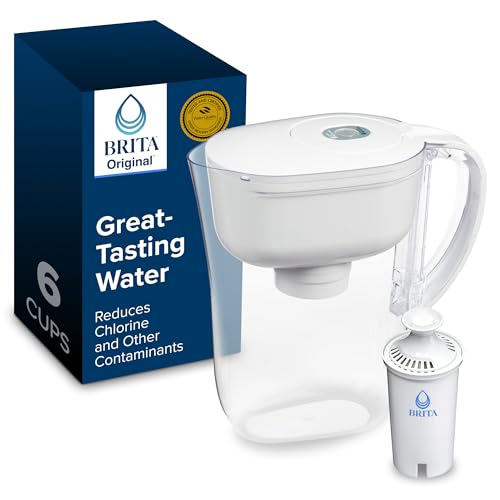
Brita Small 6-Cup Water Filter Pitcher (White)

Brita Metro 6-Cup Pitcher with BritaPlus Filter (Clear)

Brita 10-Cup Metro Pitcher with BritaPlus (Black)

LifeStraw Home Activated Carbon + Ion Exchange Filter

Purewell 3-Stage Gravity System 2.25 Gallon Stainless Steel
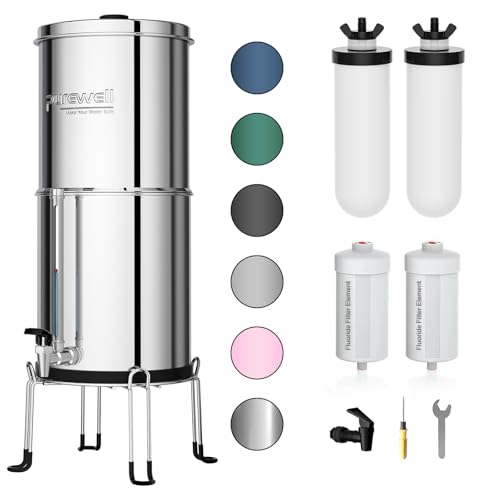
Purewell 8-Stage Gravity System 2.25 Gallon (PW-OBT-CF)

Purewell 3-Stage Gravity System with Spigot (PW-OBT-K)
Meet The Standout Selections
If you already own a Brita Stream pitcher or dispenser, this twelve-pack is the cartridge made for it, and only for it. The Stream filter uses a dual-layer carbon design that filters as you pour rather than pooling water above a reservoir, which means no mid-day wait when the pitcher runs dry. A standard filter lasts roughly 40 gallons before it asks to be swapped, and a pack of twelve gives most households nearly a full year of refills on autopilot.
This refill pack fits any Brita Stream system, so if you’ve been holding off on a new pitcher purchase, this pack keeps your current setup running. For households where nobody wants to track replacement dates, the volume alone is the selling point.
The Good Stuff
- Pour-through filtration removes the drip-and-wait step you get with reservoir pitchers.
- Dual-layer carbon form targets chlorine taste and odor along with Class VI particulates.
- Twelve filters cover close to a year for a single-person household at typical usage.
- WQA NSF/ANSI certification backs the chlorine and particulate reduction claims.
- Designed exclusively for Brita Stream pitchers and dispensers, so fit is never a guessing game.
Things To Consider
- Will not physically fit any non-Stream Brita pitcher, so cross-checking your model is essential.
- As-you-pour designs can run slower than gravity-fed reservoirs in low-pressure kitchens.
- Storage matters: twelve cartridges take up real space until you’ve worked through the pack.
Quick Facts
Best Suited To
Anyone already running a Brita Stream pitcher who wants to stock up on replacements and forget about reordering for a while.
Consider Something Else When
You don’t own a Stream model and want a single ready-to-use pitcher; the Brita Small 6-Cup Water Filter Pitcher is the better starting point.
For anyone running a PUR pitcher, the cost-per-filter drops noticeably when you buy a six-pack instead of single cartridges. PUR’s MAXION filtration technology combines activated carbon (carbon that has been treated to grab chemicals and odors) with ion exchange (a resin process that swaps unwanted ions, like certain metals, for less intrusive ones), which is how the brand has historically pitched itself against carbon-only competitors. The six-count format fits roughly six months of refills in a typical household, making it a set-it-and-forget-it refill order.
You won’t see a separate pitcher or dispenser in this listing, so this is purely a cartridge bundle for owners of an existing PUR system. That keeps the focus narrow but the value proposition clear: if you’ve already invested in the brand, this is the affordable way to keep the system running.
Advantages To Know
- MAXION tech pairs activated carbon with ion exchange to widen the contaminant net.
- Six-count pack delivers noticeable per-cartridge savings over singles.
- Built specifically for PUR pitcher systems, so installation stays straightforward.
- Works for both standard pitchers and dispensers in the PUR lineup.
Worth Noting
- Pitcher is not included, so this only makes sense for existing PUR owners.
- Ion-exchange media can shorten filter life in very hard-water homes, which owners commonly report.
- Not compatible with non-PUR pitchers, even ones that look physically similar.
Right Fit For
Current PUR pitcher owners who want to lock in a six-month supply and avoid monthly reorders.
Swap It Out When
You’re starting from scratch with no pitcher yet; the PUR Water Pitcher & Dispenser Replacement Filter 4-Pack plus a new PUR pitcher is the cleaner entry point.
This four-count refill bundle is the standard PUR pitcher’s stocking stuffer. Each cartridge runs about 40 gallons, so the pack covers roughly four months in a household that refills a couple of times a day. The PPF900Z cartridge slides into the reservoir and uses a two-in-one filter structure, which is PUR’s way of layering sediment catching with activated carbon treatment.
Refill packs like this matter because filter fatigue is real: people who forget to swap cartridges end up drinking tap water they thought they were filtering. A four-count supply puts a date on the calendar without overcommitting shelf space.
Everyday Wins
- Compatible across the PUR pitcher and dispenser line, including older models.
- Two-in-one media design simplifies the swap-in step.
- Two-month per cartridge lifespan keeps a predictable replacement rhythm.
- Modest four-pack footprint fits inside most kitchen drawers until needed.
Honest Caveats
- No pitcher ships in the box, so this is strictly for current PUR owners.
- Four filters last shorter than the larger six-count bundle in busy households.
Perfect Match For
PUR households that refill often and want a quarterly restock without committing to the larger six-pack.
Look Elsewhere When
You’d rather buy cartridges once and not think about it for half a year, since the PUR Pitcher Replacement Filter 6-Pack stretches the same supply twice as long.
The Brita Metro 6-cup is the workhorse of the small-pitcher category. Six cups of filtered water sounds modest, but for a single person or a dorm room, that’s roughly a day and a half of hydration between refills. The body is BPA-free plastic, slim enough to slip into a fridge door, and ships with one standard filter so you can start using it the day it arrives.
Compared to the cartridge packs earlier in this list, this is the entry-level system: a pitcher, one filter, and a SmartLight indicator on the lid that tells you when to swap. You give up some capacity over the 10-cup version covered later, but you gain a footprint that fits where larger pitchers simply won’t.
Benefits That Matter
- WQA NSF/ANSI certified to reduce chlorine taste and odor plus copper, cadmium, and mercury.
- SmartLight indicator takes the guesswork out of the two-month replacement window.
- Six-cup capacity suits solo drinkers and small households without crowding the fridge.
- BPA-free construction keeps plastic taste out of the filtered water.
- Ships with one standard filter, so the system is usable right out of the box.
Trade Offs
- Standard filter targets fewer contaminants than the BritaPlus media used in some larger Brita models.
- Six cups means more frequent refills in shared kitchens.
- Plastic body, while sturdy, won’t appeal to shoppers avoiding plastic contact with drinking water.
Made For
Dorms, studio apartments, and small kitchens where fridge-door space matters more than capacity.
Reach For A Different Pick When
You’d like denser contaminant reduction in the same small footprint; the Brita Metro 6-Cup with BritaPlus Filter is the step up.
Same slim 6-cup body as the standard Brita Metro, but the included BritaPlus filter is the headline. BritaPlus uses a higher-density carbon block designed to roughly double the contaminant reduction of the standard cartridge while still keeping beneficial minerals in the water. For shoppers who care about the difference between “filters chlorine” and “filters chlorine plus mercury, cadmium, copper, and zinc,” this is the more serious small pitcher.
The clear body shows the water level at a glance, and the same SmartLight indicator from the standard model still tracks filter life. It’s a quiet upgrade rather than a visible redesign.
A Strong Showing
- BritaPlus filter broadens the contaminant list versus the standard cartridge.
- Retains beneficial minerals and electrolytes that some purer filtration methods strip out.
- WQA NSF/ANSI certification backs the reduction claims for chlorine, copper, mercury, and cadmium.
- Compact 6-cup frame still fits tight fridge doors.
Points To Keep In Mind
- BritaPlus replacements cost more per cartridge than standard Brita filters.
- Six-cup capacity means more refills for households of three or more.
Built With In Mind
Solo drinkers and couples in smaller kitchens who want stronger contaminant reduction without giving up the slim Brita footprint.
Not Your Match When
You need higher volume in addition to denser filtration; the Brita 10-Cup Metro Pitcher with BritaPlus pairs the same media with more capacity.
The 10-cup Metro is the same BritaPlus-equipped pitcher as the previous entry, scaled up for households that cycle through a full pitcher in a single meal. Ten cups is enough for a couple of days of drinking, plus the water used for coffee or cooking, without constant refilling. The black body hides water level marks better than the clear version, which some shoppers prefer for a streamlined countertop look.
If you’ve been refilling a 6-cup pitcher twice a day and want to stop, the extra four cups of capacity are a meaningful upgrade. The BritaPlus filter inside is identical in media to the smaller pitcher.
Everyday Advantages
- Ten-cup capacity suits couples and small families without forcing a midday refill.
- BritaPlus media delivers the same wider contaminant reduction as the smaller model.
- WQA NSF/ANSI certification backs the chlorine, copper, mercury, and cadmium claims.
- Black finish offers a clean look that hides water spots on the outside.
Small Caveats
- Larger body takes more fridge space and may not fit some narrow fridge doors.
- BritaPlus replacement cartridges cost more than the standard filters, which adds up over time.
- Plastic construction may not appeal to shoppers seeking metal or glass.
Whose Shelf It Belongs On
Couples, roommates, and small families who want BritaPlus-level filtration in a higher-capacity pitcher.
Where A Sibling Pick Shines
You’re tight on fridge space; the Brita Metro 6-Cup with BritaPlus is the smaller-footprint version with the same filter media.
LifeStraw built its name on portable filtration, and the Home line brings that chemistry to countertop pitchers. This pack of three replacement cartridges combines activated carbon with ion-exchange media, and it’s specifically pitched at contaminants that carbon-only pitchers don’t always catch: PFAS (per- and polyfluoroalkyl substances, often called “forever chemicals” because they break down very slowly in the environment), lead, mercury, microplastics, and a long list of pesticides and herbicides.
Each cartridge is rated for roughly 40 gallons, so the three-pack covers about six months for a moderate-use household. The media here is denser than a typical carbon block, which is why the cartridge commands a higher per-unit replacement cost.
What Stands Out
- Targets PFAS and microplastics, two contaminant classes that standard carbon filters often miss.
- Three-pack format covers roughly six months of replacements.
- Activated carbon plus ion exchange broadens the chemical reduction profile.
- Fits LifeStraw Home pitcher and dispenser systems.
Things To Weigh
- Requires a LifeStraw Home pitcher; not a generic drop-in for Brita or PUR systems.
- Per-cartridge cost runs higher than standard carbon replacement filters.
- Specialty media may be overkill in regions where PFAS isn’t a documented concern.
Feature Card
Who Should Grab It
Households specifically concerned about PFAS, microplastics, or older plumbing that may leach lead.
A Better Fit Elsewhere
You mainly want to soften the chlorine taste of municipal water, in which case the Brita 10-Cup Metro Pitcher with BritaPlus covers the basics at a lower per-filter cost.
If plastic pitchers feel disposable, this Purewell system is a different class of countertop hardware. The body is stainless steel with a 2.25-gallon upper chamber that gravity-feeds water through two ceramic filters into a lower reservoir. Ceramic is the key difference: these filters can be scrubbed and reused for years rather than tossed every two months, which changes both the cost of ownership and the waste stream.
The trade-off is footprint and wait time. A 2.25-gallon system needs counter space and around twenty to thirty minutes to fully filter a full top chamber, so this is built for households that refill once and draw from it across the day.
Features That Help
- Washable ceramic filters last far longer than disposable cartridges.
- Stainless steel body avoids the plastic contact many shoppers want to skip.
- Three-stage media stacks ceramic, activated carbon, and a silver-ion layer.
- Gravity-fed design needs no electricity or plumbing modifications.
Practical Considerations
- Full filtration cycle runs noticeably slower than pour-through Brita or PUR designs.
- Takes up more counter space than a slim fridge-door pitcher.
- Ceramic filters need periodic cleaning to maintain flow rate, depending on sediment in your water.
At A Glance
Perfect Match For
Shoppers who want a long-lasting, low-plastic filtration setup and have the counter space to dedicate to it.
Skip It When
Speed and fridge-door storage matter most to you; the Brita 10-Cup Metro Pitcher with BritaPlus is the more compact pick.
The 8-stage Purewell pairs two ceramic filters with two fluoride-specific cartridges, all running through a stainless steel 2.25-gallon tank. Where the previous Purewell focused on chlorine and sediment, this model layers in fluoride reduction and a denser sediment stack, making it the more ambitious gravity option in the lineup.
The metal spigot at the base is a small but appreciated upgrade over plastic taps, and the visual water-level indicator helps you know when the upper chamber needs a refill. In most kitchens, this becomes a permanent countertop fixture rather than something you tuck away.
What Works In Its Favor
- Eight stages of media address chlorine, sediment, fluoride, and heavy metals in one pass.
- Ceramic filter elements remain washable, just like the 3-stage model.
- Stainless steel body plus metal spigot for a plastic-light water path.
- Visual level indicator simplifies refill timing.
Things To Weigh Up
- Slower flow than plastic pitchers; full upper chamber takes time to filter through.
- Requires dedicated counter space and a stable, level spot for the stand.
- More media layers mean a longer initial setup before the first filtered glass.
Who It Suits Best
Households prioritizing fluoride and broader chemical reduction in a durable, reusable countertop system.
Where Another Pick Suits Better
Your main concern is basic chlorine taste and you want something fridge-friendly; the Brita 10-Cup Metro Pitcher with BritaPlus covers that in a much smaller footprint.
This Purewell variant rounds out the lineup with the same 3-stage ceramic core as pick 8, but adds a metal water-level spigot and stand. The visible water level on the front makes it easy to see when the upper chamber needs another pour, and the metal tap is a small quality-of-life upgrade over the basic spigot version. Two washable ceramic filters handle sediment, chlorine, and microbial regrowth, and the stainless steel body keeps the whole package durable.
It sits between the no-frills 3-stage model and the heavier 8-stage option, hitting a practical middle ground for families who want ceramic filtration with a more visible, day-to-day-friendly design.
Real Benefits
- Metal spigot and visible water-level window for easier daily use.
- Same washable ceramic filter media as the other Purewell 3-stage model.
- Stainless steel construction for plastic-light contact.
- Stand keeps the unit stable on standard countertops.
Potential Compromises
- Still gravity-fed, so refills need patience compared to pour-through plastic pitchers.
- Heavier and bulkier than typical fridge pitchers, requiring a permanent spot.
- Ceramic filters require occasional cleaning to maintain flow, depending on incoming water sediment.
Best Suited To
Families who want a reusable ceramic filtration system with a visible water level and metal tap on the counter.
Consider Something Else When
You want a step up in media layers for fluoride reduction; the Purewell 8-Stage Gravity System tackles that for shoppers willing to spend more.
What Matters Most Before Choosing Pitcher Water Filtration Systems
Match The Filter To Your Water, Not The Marketing
Start with what actually comes out of your tap. In most municipal systems, the main complaints are chlorine taste and odor, and a standard activated carbon filter clears those up nicely. If your home draws from a private well, the calculus changes: sediment, sulfur, and hardness become more pressing concerns, and a denser carbon block or ceramic media starts to look worth the extra cost.
Capacity And Footprint Drive Daily Habits
The honest read is that the best filter is the one you actually refill. A 6-cup pitcher works in a studio where one person tops it up twice a day; the same pitcher becomes a chore in a family of four. Measure your fridge door before ordering and match capacity to how often you’re willing to refill, rather than chasing the largest tank on the page.
Cartridge Cost Adds Up Quietly
Replacement cartridges are where the real cost of ownership lives. Pitchers with disposable filters run two to four cartridges per year at a moderate pace; ceramic-based systems trade that ongoing cost for occasional cleaning and a longer media lifespan. Worth running the per-gallon math before committing to a system, especially if your tap water tastes fine and you just want crisper sips.
Material Choices Reflect Your Priorities
Plastic pitchers are light, affordable, and fridge-friendly, which is why they dominate the category. Stainless steel and ceramic media systems cost more and take up more room, but they keep plastic out of the water path and tend to last longer. Pick the trade-off that fits your kitchen, not the one that photographs best.
Key Considerations Across These Picks
Pitfalls Shoppers Hit
The most common buying slip in this category is choosing a filter that doesn’t physically fit the pitcher you already own. Brita Stream cartridges don’t work in standard Brita pitchers, and PUR cartridges don’t fit generic systems that look similar. Worth checking model numbers before clicking order, especially for replacement-only listings.
When Paying More Pays Off
Higher-tier models in this category earn their price through denser media and longer-lasting cartridges. PFAS and microplastic reduction, ceramic washable elements, and stainless steel construction all push the price up, but they also push the cost-per-gallon down over years of use. The honest read: spend more when your water has specific concerns beyond basic chlorine taste, and save when it doesn’t.
Frequently Asked Questions
How often do pitcher water filters actually need to be replaced?
Most disposable pitcher cartridges run about 40 gallons or roughly two months in a typical household. Ceramic filters in gravity systems last longer but need periodic cleaning to keep flow steady. Heavy-use households may run through cartridges faster than the rating suggests.
Do pitcher filters remove fluoride from tap water?
Standard activated carbon filters don’t meaningfully reduce fluoride. Systems that specifically target fluoride, such as the 8-stage Purewell model, use additional media layers designed for that purpose. Worth matching the filter type to your specific concern.
Are stainless steel gravity systems really better than plastic pitchers?
Better depends on what you’re optimizing for. Stainless steel and ceramic systems last longer, use less plastic, and often filter more contaminant classes, but they cost more upfront, take more counter space, and filter more slowly than pour-through plastic pitchers. For renters or tight kitchens, plastic is often the more practical choice.
Can pitcher filters handle well water?
Most pitcher filters are designed with municipal water in mind. Well water can carry sediment and microbial content that clogs standard cartridges quickly. Ceramic and multi-stage gravity systems handle sediment better, but for ongoing well use, dedicated filtration matched to your water test is usually worth the investment.
What’s the real difference between standard and BritaPlus filters?
The BritaPlus media is a higher-density carbon block designed to reduce a wider range of contaminants, including mercury, cadmium, copper, and zinc, while still leaving beneficial minerals in the water. The trade-off is a higher per-cartridge cost and the same 40-gallon lifespan.
Closing Thoughts
The right pitcher water filtration system depends on what you want from your tap water, how often you refill, and how much counter or fridge space you can give up. Brita and PUR remain the practical choices for fridge-door pitchers, LifeStraw fits households with specific PFAS concerns, and the Purewell gravity systems suit anyone ready to trade plastic for stainless steel. Match the filter to your water, your kitchen, and your refill habits, and the rest tends to fall into place.