

Whether you are sealing a drafty garage, lining a wood stove, or building a quiet home studio, the right insulation can change how a space feels. The challenge is sorting through rolls, blankets, foils, and panels that all claim to be safer for indoor air. This roundup walks through ten non-toxic insulation options for common household and hobby projects, so you can match a material to your real situation instead of guessing at spec sheets.
Your Options, Compared

Lynn Manufacturing Ceramic Fiber Insulation Blanket (2400F, 1″ Thick)
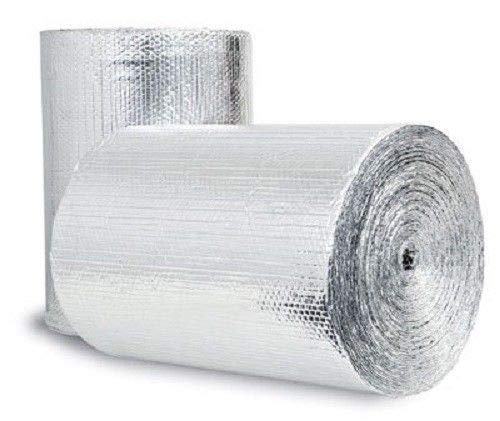
US Energy Products Double Bubble Reflective Foil Insulation R8 (48″ x 100′)

DGSL Double Reflective Bubble Foil Insulation (47″ x 10′)

DGSL Double Reflective Bubble Foil Insulation (23.6″ x 10′)

DGSL Double Reflective Bubble Foil Insulation (47″ x 15′)

Deouss Ceramic Fiber Insulation Blanket 2″ x 24″ x 150″ (2400F)

Protalwell Ceramic Fiber Blanket 24″ x 12″ (2400F, 1″ Thick)
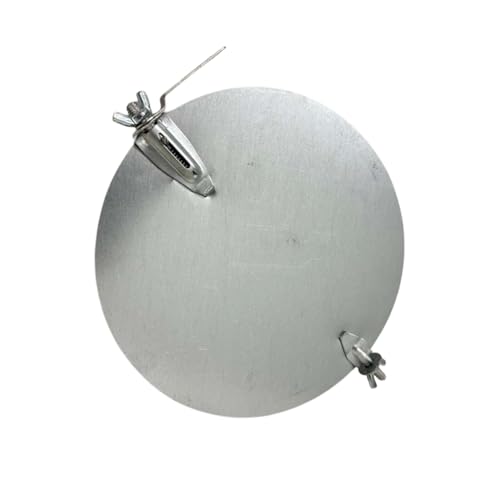
F&L Industries 10″ Galvanized Duct Volume Damper (Quad Lever)

F&L Industries 10″ Duct Board Collar (Galvanized Steel)

F&L R6 Fiberglass Acoustic Insulation Panel (1-1/2″ x 24″ x 24″)
More On The Choices That Made The List
Ceramic fiber blankets sit in a different league from the foil rolls later in this list. The Lynn Manufacturing 3026E blanket is rated to handle temperatures up to 2400F, which makes it a strong fit for wood stove baffles, fireplace surrounds, and small forge projects where ordinary insulation would scorch. The 16 by 48 inch panel gives you a workable sheet that you can trim down to fit a tight cavity behind a stove pipe.
For most people tackling a home heating upgrade, this is the kind of material you reach for only when ordinary fiberglass or foam cannot take the heat. Ceramic fiber does not off-gas the way some binders in traditional insulation can, which is why it shows up in non-toxic insulations shopping lists. You will want gloves and a dust mask during cutting, since loose fibers can irritate skin and lungs until the blanket is sealed in place.
Reasons It Performs
- Handles up to 2400F, so it stays intact behind wood stoves, kilns, and forge doors.
- 1 inch depth is enough to drop surface temperatures noticeably in tight baffle spaces.
- 16 by 48 inch sheet trims cleanly with a utility knife for custom shapes.
- Mineral-based composition avoids many of the chemical binders found in foam boards.
Things To Consider
- Loose ceramic fibers can irritate skin and airways during cutting, so PPE matters.
- Single sheet format means seams need careful sealing for full thermal performance.
- Not a substitute for whole-wall house insulation. It is purpose-built for high-heat pockets.
Key Specs
Who It Suits Best
Anyone rebuilding a wood stove baffle, lining a small forge, or wrapping a chimney section where ordinary insulation would scorch.
A Better Fit Elsewhere
For a thin 47 inch reflective sheet to tack on a sun-facing window, the DGSL Double Reflective Bubble Foil Insulation is a lighter, simpler choice.
Reflective foil insulation works on a different principle than fibrous blankets. Instead of trapping air in fibers, the US Energy Products Double Bubble roll bounces radiant heat away from a surface using metalized foil on both sides. At 48 inches wide and 100 feet long, this roll covers roughly 400 square feet, which makes it well-suited to a full garage wall, a metal building, or a basement ceiling.
For shoppers focused on non-toxic insulations, the foil format has appeal: there is no loose fiber shedding, and no chemical off-gassing once installed. The 6.5mm double bubble layer still traps a small pocket of air, giving the material an R8 rating (a measure of resistance to heat flow; higher numbers mean better insulation) for use as a radiant barrier. You cut it with scissors or a sharp knife, and it needs no special clothing to handle, which is a real plus over ceramic blankets.
Positive Points
- 400 square foot roll handles whole-room installations without seams.
- Reflects 97% of radiant heat per the manufacturer, dropping summer heat gain.
- Cuts with household scissors and ships lightweight enough for one-person handling.
- Class A fire rating keeps the surface spread low when used behind drywall.
Points To Note
- Needs an air gap on at least one side to perform as a true radiant barrier.
- Roll is bulky to store if you do not have a garage corner or workshop wall.
- Works best when paired with another insulation layer, not as a standalone wall fill.
Made For
Homeowners tackling a metal building, pole barn, or garage ceiling where radiant heat is the main pain point.
Consider Something Else When
For a small, square patch on a single sun-facing window, the DGSL Double Reflective Bubble Foil Insulation (47″ x 10′) saves you from unrolling 100 feet of foil.
If the US Energy Products roll feels like overkill for your project, DGSL offers the same reflective bubble concept in a friendlier size. The 47 by 10 foot sheet is sized to drop onto a standard window without leftover material piling up in the closet. It works well as a summer film for a single-pane window that turns your living room into a greenhouse every July.
The aluminum foil faces bounce radiant heat back out, and the bubble core adds a thin insulating gap that helps in winter too. For non-toxic insulations that avoid chemical sprays, a sheet like this lets you install thermal control with double-sided tape and a pair of scissors. It is also commonly used in RVs, where window glass runs hot in midday sun.
Benefits That Matter
- 47 inch width matches most residential windows without seams.
- Lightweight aluminum foil face reflects summer heat before it hits the glass.
- Cuts easily with household scissors, so trimming for odd shapes takes minutes.
- Useful beyond windows, including garage door panels and small RV openings.
Trade Offs
- Reflective finish brightens the room, which some people prefer to soften with a curtain layer.
- Single 10 foot length may run short for full patio door coverage.
- Needs a clean, flat surface for tape adhesion, or it tends to peel at the edges.
Quick Facts
Right Fit For
Apartment dwellers and RV owners tackling a single sun-blasted window without committing to a 100 foot roll.
Reach For A Different Pick When
For a longer continuous run across multiple windows, the DGSL Double Reflective Bubble Foil Insulation (47″ x 15′) gives you more length in the same width.
Not every insulation project needs a full wall of material. The narrower DGSL roll at 23.6 inches by 10 feet is sized for smaller patches, including a single RV window, a basement egress frame, or the interior of a small cabinet that traps heat. Its sibling at 47 inches (covered earlier in this list) suits wider openings, but this slimmer version avoids the waste of cutting a 47 inch sheet in half.
The aluminum foil face still handles the same radiant heat duties, and the double bubble interior (two layers of air-pocket film laminated between foil) keeps the thermal resistance close to its wider cousins. For shoppers who want non-toxic insulations in narrow, awkward gaps, this roll is easier to handle than wrestling with a 48 inch sheet in a tight space.
Points In Its Favor
- 23.6 inch width slides into narrow cavities without folding.
- Useful for one-off patches like RV windows and basement egress trim.
- Reflective foil design keeps radiant summer heat at bay.
- Same material as the wider DGSL rolls, so installation feels familiar.
Worth Noting
- 10 foot length runs short for multiple windows; plan on multiple rolls.
- Narrower width means more seams on wider installations.
- Not a substitute for wall cavity insulation in a cold climate zone.
Best Suited To
RV owners and renters patching a single awkward window where a wide sheet would be overkill.
Skip It When
For a whole-room radiant barrier across a garage ceiling, the US Energy Products Double Bubble Reflective Foil Insulation R8 covers 400 square feet in one go.
Think of this as the longer sibling to the 10 foot DGSL roll covered earlier. The 47 inch width stays identical, but the 15 foot length gives you extra reach for taller windows, sliding glass doors, and small garage wall sections. If your project sits between a single-window patch and a 100 foot roll, this middle option often lands at the right size.
For shoppers comparing non-toxic insulations for a small workshop or sunroom, the extended length reduces seams, which improves the reflective barrier’s continuous performance. The same aluminum foil face handles summer heat, and the double bubble core adds a slim insulating layer that helps in cooler months too. Cuts and installs with the same household tools as the shorter rolls.
Everyday Advantages
- 15 foot length stretches over a sliding glass door without joining.
- Reduces seam count on a typical wall section, improving thermal continuity.
- Same reflective foil design as the rest of the DGSL bubble family.
- Light enough to mount with double-sided tape and a few staples.
Minor Gripes
- Reflective finish still brightens the room if used on an interior surface.
- 15 feet can be awkward to manage solo when unrolling.
- Not a replacement for true cavity insulation in cold-climate walls.
Whose Shelf It Belongs On
DIYers handling a patio door, sunroom wall, or a small garage section without committing to a full 100 foot roll.
Where Another Pick Suits Better
For a single small window where 15 feet is more material than you need, the DGSL Double Reflective Bubble Foil Insulation (47″ x 10′) is the lighter buy.
Where the Lynn Manufacturing blanket (covered earlier) gives you a 1 inch panel, Deouss steps up to a thicker 2 inch build rated to the same 2400F ceiling. That extra depth matters when you are wrapping a forge, building a pizza oven, or installing a wood stove baffle that needs more thermal mass. The longer 150 inch roll gives you room to cut multiple custom pieces from a single sheet.
For shoppers considering non-toxic insulations in a workshop or cooking-build setting, ceramic fiber remains a popular choice because it does not release the chemical fumes that some foam boards do under heat. The 8 pound density strikes a balance between rigidity for baffles and flexibility for curved surfaces. Wear gloves and a respirator during cutting, since the loose fibers can irritate skin.
Advantages To Know
- 2 inch thickness adds serious thermal mass behind a wood stove or pizza oven dome.
- 150 inch length yields multiple baffle pieces from a single roll.
- Holds shape after heating, which matters for baffle integrity.
- Mineral-based composition avoids many foam-board chemical concerns.
Potential Drawbacks
- Cutting generates airborne fibers, so PPE and good ventilation matter.
- Heavier than 1 inch blankets, so handling solo is a workout.
- Overkill for projects that never reach high heat, like a standard wall cavity.
Key Product Details
Who Should Grab It
Builders of pizza ovens, blacksmith forges, and wood stove baffles who need more thermal mass than a 1 inch blanket provides.
Not Your Match When
For a small, simple soldering or jewelry kiln patch, the Protalwell Ceramic Fiber Blanket 24″ x 12″ keeps material and cost in check.
Sometimes the project does not need a 150 inch roll. The Protalwell blanket comes as a compact 24 by 12 inch panel at 1 inch thick, sized for a small kiln shelf, a soldering station, or jewelry making where you want heat contained without excess material on hand. It shares the same 2400F rating as the larger Lynn Manufacturing and Deouss blankets covered earlier in this list.
For hobbyists interested in non-toxic insulations for a workbench setup, the small format keeps your space tidy and limits wasted material. Ceramic fiber shrugs off chemical off-gassing better than many foam products, which is appealing for indoor studios. You still want a dust mask during cuts, since the loose fibers can be irritating until the panel is wrapped in place.
Strengths Worth Knowing
- 24 by 12 inch panel fits a small kiln or soldering bench without trimming.
- 2400F rating handles temperatures well above hobby torch output.
- Small format means easier to handle and store in a crowded workshop.
- Mineral-based fibers avoid many of the chemical concerns with foam boards.
Honest Caveats
- Single panel may leave you short for larger projects like a forge wall.
- Loose fibers still require a respirator and gloves when cutting.
- Not a substitute for whole-room insulation in living spaces.
Perfect Match For
Jewelry makers, glass fusers, and small kiln owners who want a tidy heat barrier for a benchtop project.
Look Elsewhere When
For a full pizza oven build or a long wood stove baffle, the Deouss Ceramic Fiber Insulation Blanket 2″ x 24″ x 150″ gives you far more material in one roll.
Switching gears from blankets and foils, the F&L Industries volume damper is a different kind of insulation helper. Instead of blocking heat flow through material, it controls airflow in a 10 inch galvanized duct so you can balance supply and return air in a branch line. The quad lever handle makes manual adjustment straightforward, and the galvanized steel build resists corrosion over time.
For homeowners thinking about non-toxic insulations alongside HVAC efficiency, regulating airflow is part of the same puzzle. A damper lets you send less heated air to a room that runs hot, which is a quieter way to balance comfort than running the furnace harder. It works in venting, heating, cooling, and exhaust duct applications, which makes it a flexible piece for a finished basement or workshop.
A Few Strong Suits
- Manual quad lever lets you tweak airflow without power or special tools.
- 10 inch size fits standard residential branch duct runs.
- Galvanized steel build holds up to typical attic or basement humidity.
- Useful across heating, cooling, and exhaust lines.
Points To Keep In Mind
- Installation requires access to your ductwork and basic sheet metal tools.
- Only works on round 10 inch ducts, so measure your branch lines first.
- Does not insulate by itself; pair it with proper duct wrapping.
Built With In Mind
Homeowners balancing uneven room temperatures in a basement, addition, or workshop branch duct.
Swap It Out When
For a square duct-to-board transition rather than a round branch line, the F&L Industries 10″ Duct Board Collar is the matching fitting.
Where the F&L Industries damper (covered earlier) controls airflow in an existing round duct, this tab collar is the piece that starts the run. The 28 gauge galvanized steel collar connects flat duct board (R4, R6, or R8 rated fiberglass panels faced with foil) to round pipe or insulated flexible ducting, which is the standard transition in a residential HVAC plenum. Two perforated holes accept a damper add-on, so you can build a balanced branch without buying a second fitting.
For people researching non-toxic insulations as part of an HVAC upgrade, duct board itself uses fiberglass panels, which means collar compatibility matters. A proper transition stops air leaks at the takeoff, which keeps conditioned air from escaping into the attic or basement. The tab design snaps together cleanly, which speeds install for a homeowner doing their own ductwork.
The Practical Payoff
- Compatible with R4, R6, and R8 ductboard, so it fits common residential thicknesses.
- Tab-style starter snaps together without specialty fasteners.
- Two perforated holes accept a damper add-on for airflow control.
- Galvanized steel resists corrosion in humid basement or attic spaces.
Some Limits To Know
- Cutting the duct board opening to size takes a steady hand and a sharp knife.
- Needs mastic or foil tape to fully seal the joint and prevent air leaks.
- Single collar, so multiple branches require multiple units.
The Right Fit
DIYers building or extending a residential HVAC branch line with foil-faced duct board.
Another Choice May Suit
For regulating airflow on an existing round branch line rather than starting a new takeoff, the F&L Industries 10″ Galvanized Duct Volume Damper handles that job.
The last item on this list is also the one most shoppers picture when they hear the word insulation. The F&L R6 fiberglass board is a high-density panel that absorbs both sound and heat, which is why it shows up in recording studios, home theaters, and HVAC duct lining as well as walls and ceilings. The 1-1/2 inch thickness gives it real acoustic mass, and the 24 by 24 inch format fits standard wall stud and ceiling grid layouts.
For shoppers considering non-toxic insulations in a finished living space, high-density fiberglass is a familiar workhorse. It does not carry the chemical outgassing concerns of spray foam, and it pairs well with standard drywall for a finished look. The acoustic properties are a bonus for media rooms or shared walls in a duplex. Wear a mask during cuts, since fiberglass dust is the trade-off for its thermal and acoustic performance.
The Good Stuff
- R6 rating delivers real thermal resistance for walls and ceilings.
- High-density fiberglass absorbs echo for studio and theater rooms.
- 24 by 24 inch format fits standard stud bays and ceiling grids.
- Works in HVAC duct applications, not just living space walls.
Practical Considerations
- Cutting fiberglass releases fine dust, so a respirator and gloves are essential.
- Unfaced panels need a separate vapor barrier in cold-climate installations.
- Heavier than foam boards, so wall mounting may need extra support.
Who Will Love This
Home studio builders, home theater enthusiasts, and homeowners upgrading interior walls with combined thermal and acoustic control.
Not Your Match When
For a reflective heat barrier on a metal roof or sun-facing window, the US Energy Products Double Bubble Reflective Foil Insulation R8 handles radiant heat differently.
What Matters Most Before Choosing Non-Toxic Insulations
The right insulation depends less on a single magic material and more on matching the format to the problem at hand. Heat behaves differently than noise, and radiant heat behaves differently than conductive heat. Once you understand which type you are fighting, the choices narrow fast.
Match The Material To The Heat Source
Ceramic fiber blankets like the Lynn Manufacturing 3026E or the Deouss blanket handle direct flame and stove pipe heat, where foil and foam would melt. Reflective foil rolls from US Energy Products and DGSL work best when radiant heat is the main culprit, like a metal roof or a sun-facing window. Fiberglass boards from F&L give steady thermal resistance inside walls and ceilings, where temperature swings are the everyday challenge.
Think About Installation Realities
Format matters as much as material. A 100 foot foil roll is overkill for a single window, while a 24 by 12 inch ceramic panel is not enough for a full forge wall. Measure the cavity first, and buy slightly more than you think you need. Joints and seams are where insulation tends to underperform, so fewer seams usually means better real-world results.
Balance Thermal, Acoustic, And Air Quality Goals
Some projects need all three. A home theater wall benefits from fiberglass boards that absorb both sound and heat, while a wood stove insert needs ceramic fiber to survive the flame. For projects tied to indoor air concerns, materials that avoid chemical binders (spray foam off-gassing, certain foam boards) tend to land at the top of non-toxic insulation lists.
Key Considerations Across These Picks
Where Shoppers Go Wrong
One common trap is buying a single insulation format and trying to make it work everywhere. Reflective foil looks like a universal answer because it is shiny and high-tech, but it needs an air gap to bounce radiant heat, and it does nothing for conductive heat through a wall. Another slip is ignoring PPE, especially with ceramic fiber and fiberglass, which shed fine particles that irritate skin and lungs during cuts.
Where The Extra Money Goes
Thicker ceramic fiber blankets like the Deouss 2 inch option cost more because they hold more material and survive higher temperatures, which matters for pizza ovens and forges. Long reflective foil rolls like the US Energy Products R8 cover more square footage per dollar, so the upgrade pays off when you have a large surface to wrap. Denser fiberglass boards from F&L cost more because they pull double duty on acoustics and thermal control in finished rooms.
Frequently Asked Questions
What counts as a non-toxic insulation material?
Non-toxic insulations generally avoid chemical binders, formaldehyde, or spray foam off-gassing, and rely instead on mineral fibers, ceramic fibers, metalized foil, or untreated fiberglass. Each material in this roundup fits that description in its intended use.
Can reflective foil replace wall insulation in a cold climate?
Reflective foil works best as a radiant barrier paired with another insulation layer, not as a standalone wall fill. In cold climates, pair it with fiberglass batts or dense boards to address conductive heat loss.
Is ceramic fiber safe to handle without protection?
Ceramic fiber blankets require gloves, long sleeves, and a respirator during cutting, since loose fibers can irritate skin and airways. Once sealed behind a baffle or wrapped in place, the material stays put.
Do duct accessories really affect insulation performance?
Air leaks at duct transitions waste as much energy as poor wall insulation in many homes. A proper collar and damper combination keeps conditioned air from escaping into unconditioned spaces, which is why they earn a spot in an insulation-focused roundup.
Which insulation helps with sound as well as heat?
High-density fiberglass boards like the F&L R6 panel absorb both sound and heat, making them a strong choice for studios, home theaters, and shared walls in multi-unit housing.
Wrap Up
Non-toxic insulation comes in many shapes, and the right pick depends on whether you are fighting radiant summer heat, conductive winter cold, or the crackle of a forge. Match the material to your specific project, measure your space honestly, and you will end up with an installation that performs without complicating your indoor air.




