
Tap water tells a different story in every home, and the fix isn’t always the same. You might chase stubborn iron stains in the laundry, scale crusted on shower heads, or just want better-tasting coffee. This roundup walks through nine solid home water purifying systems that cover whole-house filtration, under-sink purification, and countertop convenience, so you can match the right hardware to your actual water concerns.
The Essentials At A Glance

Express Water Whole Home Water Filter Essential 3-Stage

Express Water Whole Home Water Filter Heavy Metal 3-Stage

Express Water Whole Home Water Filter Iron & Manganese 3-Stage

Express Water Whole Home Water Filter Ultimate Protection 3-Stage

Express Water Whole Home Water Filter Anti-Scale 3-Stage

DREO Reverse Osmosis Countertop Water Filter 3:1 Pure-to-Drain 3L

iSpring US31-NC 3-Stage Under Sink Water Filter System
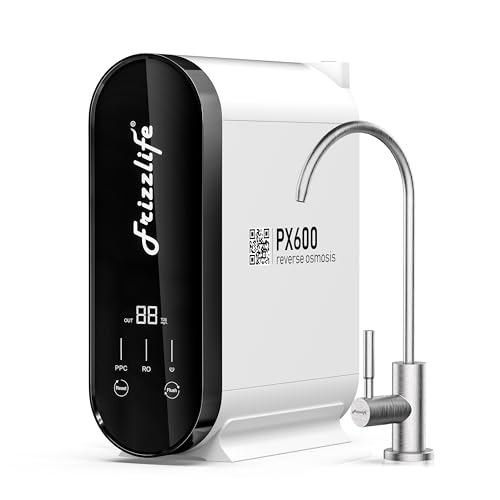
Frizzlife PX600 600GPD Tankless RO Water Filter

DREO Countertop RO Water Filter with Dual Autofill Pitchers
Why These Options Stand Out
This Express Water entry opens the list because it handles the most common complaint without overcomplicating your mechanical room. The three-stage setup is built around sediment capture, a carbon stage that pulls chlorine and similar taste-altering compounds, and a final polishing stage that helps water arrive at every tap noticeably cleaner. Compared with the heavy-metal version later in this list, this one focuses on the basics, which matters if you live in a municipal area where chlorine is the bigger offender than dissolved metals.
The whole-house footprint means every faucet benefits, including the washing machine and shower, and that translates into longer-lived appliances and gentler skin after long showers. For renters or first-time homeowners who don’t want to test well water, this is a sensible launch point. You do need some plumbing comfort for the install, or a handyman visit, but nothing exotic.
The Value In It
- Targets chlorine and the common taste-and-odor issues that push people toward bottled water in the first place.
- Whole-house coverage protects appliances like ice makers and water heaters from sediment buildup.
- Modular staging makes future filter swaps straightforward, even for non-plumbers.
- A solid step up from a single faucet filter without the reverse osmosis waste water tradeoff.
Things To Consider
- Doesn’t address heavy metals or hardness, so it’s not a complete answer for well-water households.
- Filter replacements on a schedule add a small ongoing maintenance cost you should plan around.
At A Glance
Made For
Municipal-water homeowners who want better-tasting tap water and gentler showers without diving into reverse osmosis or specialty mineral filters.
Skip It When
You live on a well with noticeable iron staining, where the Express Water Whole Home Water Filter Iron & Manganese 3-Stage is a closer match for the actual problem.
Same Express Water platform, different media strategy. This heavy-metal edition swaps in KDF media, a copper-zinc formulation that uses a redox reaction (a chemical exchange where electrons transfer between the media and dissolved metals) to reduce contaminants like lead and mercury. If your neighborhood has older plumbing or you simply want broader coverage than the Essential edition offers, this is the next logical rung up.
It still treats the whole house, so you get peace of mind at every tap rather than only at a kitchen secondary faucet. The trade-off is that KDF media tends to price slightly higher than basic carbon, and you’ll want to keep an eye on cartridge life since heavy-metal reduction works the filters harder. For a household that’s moved past chlorine-only concerns, the jump is reasonable.
What Makes Sense
- KDF media is well-suited for tackling dissolved contaminants that carbon alone can miss.
- Whole-house setup means drinking, bathing, and laundry water all benefit.
- Builds on the same chassis as the Essential version, simplifying future service.
Honest Caveats
- KDF cartridges can be pricier than standard carbon replacements, depending on filter cycle length.
- Doesn’t address visible iron staining like the dedicated Iron & Manganese version later in this roundup.
- Whole-house install requires space near the incoming main and basic plumbing know-how.
Right Fit For
Homeowners with aging municipal service lines or anyone who’d rather not gamble on lead and other dissolved metals making it past the kitchen tap.
Where Another Pick Suits Better
Households dealing with visible rust-orange staining should step over to the Express Water Whole Home Water Filter Iron & Manganese 3-Stage, which targets that specific symptom.
Well water brings its own peculiar fingerprint: reddish-brown stains in the sink, a metallic taste in morning coffee, and the occasional black ring in the toilet tank. The Iron & Manganese edition from Express Water is built specifically for that fingerprint, with media designed to trap and reduce the iron and manganese that cause those very stains. After the Essential and Heavy Metal versions, this one narrows the focus rather than casting a wider net.
For households pulling from a private well, this is more useful than a generic carbon stage that won’t touch dissolved minerals. Whole-house coverage matters here, because iron doesn’t just show up in drinking water; it stains laundry and dulls porcelain. Setup looks similar to the rest of the Express Water lineup, which keeps the learning curve manageable if you’re familiar with the platform.
The Helpful Details
- Targeted media cuts down on the visible staining that frustrates well-water owners.
- Whole-house treatment protects porcelain, laundry, and glassware from mineral discoloration.
- Uses the same housing footprint as other Express Water 3-stage systems, simplifying any future reconfiguration.
Less Ideal Details
- Not the right pick for municipal water where chlorine is the bigger complaint.
- Specialty media may require more frequent replacement if iron levels run elevated.
- Doesn’t soften, so hardness minerals pass through and can still leave scale on shower heads.
Feature Snapshot
Who It Suits Best
Well-water households seeing rust-colored staining in sinks and tubs, who want one system rather than a filter at every faucet.
Look Elsewhere When
You live on municipal supply and mostly want better-tasting drinking water, where the Express Water Whole Home Water Filter Essential 3-Stage is a simpler, more appropriate choice.
The Ultimate Protection Pro is the most ambitious of the Express Water whole-house trio. It adds a reusable 50-micron spin-down sediment filter ahead of the main cartridges, which catches larger particles first and protects the more expensive specialty media downstream. If you’ve looked at the earlier Express Water entries and worried about clogging or shortened filter life in dirtier supply, this pre-filter answers that concern directly.
It still sits in the whole-house category, so every fixture benefits, but the extra pre-stage makes it more forgiving for households pulling from older municipal lines or shared wells. The reusable spin-down component also means less waste, since you rinse it rather than replace it. It costs more than the Essential and Heavy Metal editions, and the value depends on how dirty your incoming water actually is.
The Upside
- Reusable 50-micron pre-filter extends the life of the downstream specialty cartridges.
- Whole-house coverage with layered defense against sediment, contaminants, and taste issues.
- Reduces the chance of flow drop-offs that plague systems without pre-filtration.
- Helpful for households pulling from older municipal lines or shared wells where sediment varies.
Points To Note
- Sits at a higher price tier than the Essential or Heavy Metal versions.
- More components mean more periodic checks, even with the reusable pre-filter in play.
Built With In Mind
Homeowners who want a whole-house system that lasts longer between cartridge changes and tolerates variable sediment loads.
Swap It Out When
You’d rather keep things minimal and your incoming water is already relatively clean, where the Express Water Whole Home Water Filter Essential 3-Stage gets the job done without the extra stage.
Hard water doesn’t always announce itself with bad taste; it shows up as chalky buildup on faucets, dingy laundry, and water heaters that work harder than they should. The Anti-Scale edition from Express Water is aimed at that specific problem, using scale-reduction media to reduce the toughest scale buildup rather than fully softening the water. It’s a meaningful distinction for anyone who wants scale control without adding salt to the brine tank.
Whole-house coverage matters here because scale forms everywhere: in pipes, in the dishwasher, in the kettle. Compare that to the Iron & Manganese version a few picks back, which targets a different mineral altogether, and you’ll see how Express Water builds the lineup by symptom rather than as a one-size-fits-all stack. The honest read is that this won’t match a traditional salt-based softener for sheer hardness reduction, but it’s lower maintenance and avoids brine discharge.
A Few Highlights
- Targets scale buildup across pipes, fixtures, and water-using appliances.
- Whole-house install protects the water heater, which extends its useful life.
- A good middle ground for households that want scale control without a salt-based softener.
Some Limits To Know
- Scale-reduction media isn’t the same as full softening, so very hard water may still show some spotting.
- Won’t address iron staining or chlorine taste, so it’s not a replacement for the other Express Water editions if you have those concerns too.
- Plumbing install and routine cartridge checks still apply.
Quick Technical Notes
Best Suited To
Homeowners in hard-water regions who want to slow scale on shower heads, faucets, and inside the water heater without committing to a salt-based softener.
Reach For A Different Pick When
You’d rather address chlorine taste and odor at the same time, in which case the Express Water Whole Home Water Filter Essential 3-Stage is the more aligned starting point.
Countertop reverse osmosis (a process that pushes water through a semi-permeable membrane to strip out dissolved solids) used to mean wrestling with tubes and adapters under the sink. DREO skips all that. This unit sits on the counter, plugs into a standard outlet, and pushes filtered water into an autofill pitcher. The “install-free” framing isn’t marketing fluff; you genuinely don’t drill or plumb anything.
The 3:1 pure-to-drain ratio is a real step up from older RO systems that wasted three or four gallons for every gallon produced, and the live TDS (total dissolved solids) readout tells you in real time how clean the output is. After the whole-house Express Water systems earlier in this roundup, this is a different philosophy: treat only the drinking and cooking water, but treat it more thoroughly. For renters, that’s the right trade-off.
Bright Spots
- No plumbing or drilling means it travels with you when you move apartments.
- 3:1 pure-to-drain ratio is more efficient than older RO systems that wasted much more water.
- Live TDS display gives instant feedback on the actual filtration performance.
- Self-cleaning routine helps the membrane last longer between manual interventions.
Worth Bearing In Mind
- Treats only drinking and cooking water, so showers and laundry keep using unfiltered supply.
- Counter footprint takes up kitchen real estate in tight galley layouts.
- RO filtration runs slower than a basic pour-through pitcher, so plan a little ahead.
Feature Card
Who Should Grab It
Renters and apartment dwellers who want RO-level filtration without modifying the plumbing or risking a security deposit.
A Better Fit Elsewhere
Homeowners set on whole-house coverage should look at the Express Water Whole Home Water Filter Essential 3-Stage instead, since that platform addresses every tap rather than just drinking water.
iSpring has carved out a name in under-sink filtration, and the US31-NC shows why. The system pairs two NSF/ANSI 58-certified cartridges with a catalytic carbon stage that’s been SGS-tested against the NSF 42 standard for chloramine reduction, a disinfectant many municipalities now use in place of chlorine. If your water report mentions chloramine and not just chlorine, this distinction actually matters.
Unlike the DREO countertop unit reviewed just above, this one hides out of sight under the sink and ships with its own dedicated faucet. You commit to a small install, but you reclaim the counter and the system runs at full pressure through your plumbing. It’s a steady middle ground between the install-free countertop RO and the whole-house systems at the top of this list.
Key Advantages
- Targets chloramine specifically, which standard carbon often misses.
- Dedicated faucet keeps filtered water separate from unfiltered tap water.
- Under-sink mount clears the counter for small-kitchen households.
- Runs at line pressure, so pour times stay quick.
Practical Considerations
- Not a reverse osmosis system, so dissolved solids pass through unless paired with an RO add-on.
- Drilling a faucet hole may be required for some kitchen sinks, which not every renter can do.
Perfect Match For
Municipal-water homeowners who want cleaner drinking and cooking water without committing to the waste-water tradeoff of reverse osmosis.
Not Your Match When
You want dissolved-solids reduction, where the DREO Reverse Osmosis Countertop Water Filter 3:1 Pure-to-Drain 3L is the better-aligned pick in this roundup.
Standard reverse osmosis tanks take up under-sink space and can harbor biofilm if left sitting too long. The Frizzlife PX600 sidesteps both issues with a tankless design and a stated 600 gallons-per-day capacity, which is more than enough for a household that cooks and drinks a lot of water. You get on-demand filtered water at the dedicated faucet without the slow trickle of older RO tanks refilling.
The multi-stage filtration carries NSF/ANSI 58, 53, 42, and 372 references for contaminant reduction and lead-free materials. After the DREO countertop and iSpring under-sink picks, this one ramps up capacity and thoroughness, assuming you have the plumbing flexibility to install it. The 2:1 pure-to-drain ratio is also better than older RO designs, though the DREO unit manages 3:1.
Strengths Worth Knowing
- Tankless design frees up under-sink cabinet space and reduces stagnant water risk.
- 600 GPD handles bigger households that refill water bottles and cookware throughout the day.
- Multi-standard references cover dissolved solids, lead, and chlorine reduction.
Where It May Fall Short
- Pure-to-drain ratio of 2:1 is good but not the best in this roundup; the DREO unit manages 3:1.
- Under-sink install is more involved than the DREO countertop approach.
Who Will Love This
Larger households that want on-demand reverse-osmosis water without giving up under-sink storage to a bulky tank.
Consider Something Else When
You’d rather avoid under-sink plumbing entirely, where the DREO Reverse Osmosis Countertop Water Filter 3:1 Pure-to-Drain 3L is the easier countertop choice.
Closing out the list is a sibling to the earlier DREO countertop unit, this time bundled with two autofill pitchers instead of one. The practical difference is small but meaningful in a busy household: one pitcher can sit in the fridge while the second fills up, so you never hit an empty mid-pour. The same 3:1 pure-to-drain ratio and live TDS monitoring carry over from its sibling.
After the Frizzlife PX600 and iSpring under-sink picks, this DREO version reaffirms the countertop RO category for renters and small-space setups. Two pitchers also make it a reasonable choice for vacation homes or RVs with a power outlet, where plumbing modifications are out of the question. It still focuses on drinking and cooking water only.
What Earns Its Place
- Dual pitchers keep filtered water available while the other refills.
- Same efficient 3:1 pure-to-drain ratio as the single-pitcher DREO model earlier in this roundup.
- Live TDS and filter-life readouts make upkeep less of a guessing game.
Trade-Offs To Consider
- Doesn’t treat shower or laundry water, so whole-house concerns still call for a different system.
- Two pitchers mean more counter space than the single-pitcher DREO option.
Whose Shelf It Belongs On
Busy households and second kitchens where two pitchers in rotation keep filtered water always within reach.
Where A Sibling Pick Shines
If counter space is tight, the DREO Reverse Osmosis Countertop Water Filter 3:1 Pure-to-Drain 3L with the single 3L pitcher is the trimmer sibling choice.
What Matters Most Before Choosing Home Water Purifying Systems
Start with your actual water, not the spec sheet. A municipal-supply home with a chlorine taste problem has different needs than a well-water household fighting iron staining, and the right filtration media depends on that match. Whole-house systems (like the Express Water lineup reviewed above) treat every tap but require plumbing space near the incoming main, while under-sink and countertop units focus on drinking and cooking water with less invasive install demands.
Filtration stages tell you how layered the defense is, but the media inside each stage matters more than the count. Carbon pulls chlorine and organic compounds; KDF handles dissolved metals; catalytic carbon tackles chloramine; reverse osmosis strips dissolved solids down to a fine membrane. Reverse osmosis runs slower and produces a waste-water stream that varies by system; countertop units like the DREO models manage a 3:1 ratio, while tankless under-sink models like the Frizzlife sit at 2:1.
Match the system to the household. Renters and apartment dwellers usually do best with install-free countertop RO, since drilling or plumbing modifications can jeopardize a deposit. Homeowners set on long-term comfort often prefer whole-house coverage, especially when scale or staining is the visible complaint. Maintenance is a quiet but real factor: filter cartridges need replacing on a schedule, and the cost of those replacements is worth weighing up front rather than discovering it later.
Key Considerations Across These Picks
Where Shoppers Go Wrong
The biggest slip-up in this category is chasing the highest stage count instead of matching media to the actual contaminant. A 7-stage system loaded with carbon stages won’t help a well-water home fighting iron, and a specialty iron filter won’t fix chlorine taste at a municipal tap. Pull a recent water report before choosing, or at least identify the symptom that bothers you most: staining, taste, scale, or odor.
Another common trap is underestimating install requirements. Whole-house systems need space, a shutoff valve, and pressure tolerance, while under-sink RO often needs a dedicated faucet hole. Countertop units avoid this, but they also limit you to drinking and cooking water.
What The Higher Tier Buys
Stepping up in this category typically buys two things: broader media coverage and longer component life. The Express Water Ultimate Protection adds a reusable 50-micron pre-filter that protects downstream cartridges, while the Frizzlife PX600 adds a tankless design that holds more under-sink cabinet space. The upgrade pays off when your water actually demands the extra coverage, or when you simply want fewer service intervals. Pay up only when the upgrade maps to a real problem in your home; otherwise, the everyday tier already does the work.
Frequently Asked Questions
How often do whole-house filter cartridges need changing?
Most 3-stage whole-house systems run on roughly six-month intervals for sediment and carbon, with specialty media sometimes stretching to a year. Track the actual usage rather than the calendar, since high-volume households will burn through cartridges faster.
Is reverse osmosis water safe to drink every day?
Reverse osmosis produces very low-mineral water, and many people drink it daily without issue. If you prefer remineralized output, some RO systems pair with a remineralization cartridge, but that’s a personal preference rather than a hard rule.
Can a single filter really treat every faucet in the house?
Whole-house systems are installed on the main incoming line, so yes, every tap, shower, and appliance benefits. Point-of-use systems, by contrast, treat only the specific sink or appliance they are mounted to.
What is the waste-water stream from an RO system?
Reverse osmosis pushes part of the incoming water to drain as it cleans the rest. The pure-to-drain ratio tells you how efficient that process is; 3:1 systems like the DREO countertop units waste less water than older 4:1 designs.
Do I need a plumber to install a whole-house filter?
A whole-house install involves cutting into the main supply line, so many homeowners hire a plumber or a handy friend. Countertop and most under-sink systems are more approachable for confident DIYers, though a dedicated faucet hole may still require drilling.
Bottom Line
The right home water purifying system depends entirely on what your water is actually doing to your sinks, your skin, and your morning coffee. Match the system to the symptom rather than the spec count, and weigh install demands honestly before committing. Take your time with the water report, and the rest of the decision tends to follow.