

A faucet that hammers when you shut it off, a shower that swings between scalding and freezing mid-rinse, a washing machine that groans through every cycle; most pressure headaches trace back to one culprit: unstable line pressure. Homeowners wrestling with municipal water that runs too hot, too cold, or simply too hard can usually sort things out by installing a pressure regulator right where the main line enters the house. The ten options below cover whole-house pressure reducing, hydronic boiler feed, propane second-stage control, irrigation drip reduction, and backflow protection. Each one is sized, built, and tuned for a different job, so the right pick depends on where the problem actually lives in your plumbing.
An Overview Of The Picks
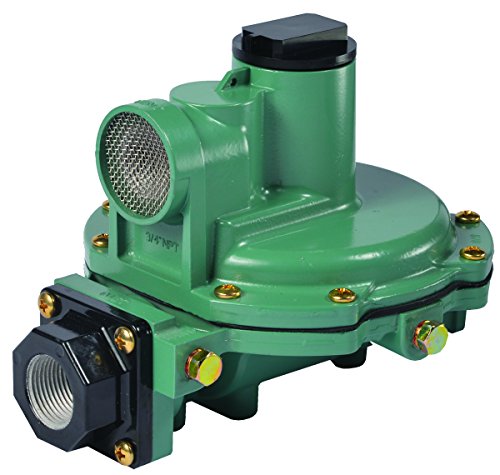
Arikit R622-DFF Propane 2nd Stage Regulator

Pinrui LF25AUB-Z3 3/4″ Pressure Reducing Valve

Watts LF25AUB-Z3 1/2″ Pressure Reducing Valve

Pinrui NR3XL 3/4″ Pressure Reducing Valve

American Standard M952100-0070A Pressure Balancing Unit

Watts SB1156F Bronze Water Feed Regulator

Zurn Wilkins 1-NR3XLDU 1″ Pressure Reducing Valve

Vibrant Yard 15 psi Drip Pressure Reducer

Zurn Wilkins 34-70XL 3/4″ Pressure Reducing Valve

Pinrui 1-350 1″ Double Check Backflow Preventer
The Details Behind The Selections
Homes running on propane for heat, hot water, cooking, and a backup generator need a second-stage regulator that won’t flinch under stacked demand. The Arikit R622-DFF drops line pressure into a steady 9 to 13 inch water column (WC) range, which is the standard appliance feed spec for residential LP gear. With a 3/4-inch female NPT inlet and outlet and a 1,400,000 BTU throughput, this unit sits comfortably downstream of a first-stage regulator on larger tanks.
For owners whose propane loads spike in winter when the furnace, water heater, and range all run at once, that headroom matters more than the marketing sheet suggests. Compared with the whole-house water regulators further down this list, the Arikit solves a different problem; it doesn’t touch domestic water pressure, it stabilizes gas feed. Anyone on a small propane grill line should look for a smaller BTU-rated unit instead.
The Value In It
- 1,400,000 BTU capacity handles whole-house propane demand without choking off appliances during winter peaks
- 3/4-inch FNPT connections match standard residential LP piping without adapter fittings
- Steady 9-13 inch WC output keeps furnaces, water heaters, and ranges running on their preferred pressure
- Second-stage design pairs cleanly with a first-stage tank regulator for layered pressure reduction
Things To Consider
- Mounting orientation and vent placement must follow LP code; owners commonly report inspectors flagging indoor installs without proper venting
- Annual leak checks at the inlet and outlet are standard practice for any LP regulator and worth scheduling
Who It Suits Best
Homeowners running propane to a furnace, range, and water heater in cold-climate regions where simultaneous winter loads push smaller regulators past their limit.
Consider Something Else When
Those troubleshooting domestic water pressure rather than gas should step over to the Pinrui LF25AUB-Z3 covered in item 2, which targets municipal water lines instead.
A standard 3/4-inch residential main with city water running hot and inconsistent is the Pinrui LF25AUB-Z3’s bread and butter. The cast bronze body handles up to 300 psi maximum working pressure, which sits well above any municipal feed you’ll see in practice. The polymer seat and replaceable cartridge layout make it serviceable in-line, so a plumber can rebuild the working parts without cutting the pipe. For a household of three to five on a normal 3/4 service line, the sizing lands in the sweet spot.
Where the Watts 1/2-inch model (item 3) handles small branch lines, this Pinrui variant is built for the full main. Older homes with galvanized risers that have lost interior diameter especially benefit from the larger 3/4-inch bore, since restricting flow further would worsen morning shower complaints.
Key Advantages
- Cast bronze body resists dezincification, a common failure mode in cheaper brass valves on aggressive water
- 300 psi working pressure ceiling comfortably covers any residential main
- Polymer seat cartridge is replaceable without removing the valve body from the line
- NPT female union connections simplify install and future service
Worth Noting
- Pre-installation flushing of the main is recommended since sediment can score the polymer seat on first startup
- Annual pressure-gauge checks downstream help catch a drifting adjustment before it becomes a complaint
Best Suited To
Homeowners on 3/4-inch municipal service lines dealing with sustained pressure above 80 psi who want a rebuildable, mid-tier PRV.
Look Elsewhere When
A 1-inch service line or larger dwelling points to the Zurn Wilkins 1-NR3XLDU from item 7, which moves higher volumes without throttling flow.
For branch-line pressure control on a 1/2-inch feed, the Watts LF25AUB-Z3 has been the textbook answer for decades. The lead-free brass body, polymer seat, and NPT female union inlet by NPT female outlet make it a drop-in upgrade for older 1/2 PRVs that have started creeping or hammering. Watts designed the seat module to be replaceable, so when the rubber hardens after years of service you can swap the cartridge without disturbing the plumbing.
Versatile end connection options including PEX, CPVC, and Quick-Connect adapters let a plumber tie this into modern repipes without extra transition fittings. Compared with the Pinrui 3/4-inch version above, this 1/2-inch Watts model suits smaller branch applications, individual apartment stubs, or older homes where the internal main has been reduced.
Why It Works Well
- Lead-free brass body meets current potable water standards for drinking-water lines
- Replaceable polymer seat cartridge cuts long-term service cost
- PEX, CPVC, and Quick-Connect adapter compatibility simplifies mixed-material repipes
- Compact 1/2-inch footprint fits tight mechanical rooms and under-sink cabinets
Points To Note
- 1/2-inch bore restricts flow on whole-house duty, so sizing for the actual line matters
- Cartridge replacement requires depressurizing the upstream side and catching a small amount of water
Made For
Smaller branch feeds, individual apartment stubs, and homeowners doing partial repipes where 1/2-inch lines are still in play.
Swap It Out When
Whole-house duty on a 3/4 or 1-inch main calls for the Pinrui 3/4-inch LF25AUB-Z3 (item 2) or the Zurn Wilkins 1-NR3XLDU (item 7) instead.
The NR3XL platform earned its reputation for one reason: adjustability. This Pinrui 3/4-inch variant carries a 15 to 75 psi adjustment window with a 50 psi factory default, which is broad enough to tune a building that sits on a low-pressure well or a high-pressure city feed. The cast bronze body holds up to 400 psi maximum operating pressure, giving serious headroom for surge spikes on municipal systems. Owners commonly report that the wider adjustment range simplifies matching the regulator to multi-unit buildings where top-floor fixtures need different pressure than ground-floor branches.
The NPT female connection layout and corrosion-resistant bronze bell make it a workable retrofit for older galvanized or copper mains. Pair it with a pressure gauge on the downstream side for accurate tuning after install. Where the Watts 1/2-inch model in item 3 suits small branches, this NR3XL is sized for whole-house 3/4-inch duty with finer adjustment.
Noteworthy Benefits
- 15-75 psi adjustment window covers both low-pressure well systems and high-pressure municipal feeds
- 400 psi maximum operating pressure handles aggressive surge spikes without damage
- Cast bronze construction resists corrosion across decades of submersion in aggressive water
- Fits residential, multi-unit, and light commercial applications from one valve body
Honest Caveats
- Adjustment screw sits under a cap that can seize after years in place; loosening it during install is sometimes the hardest step
- Without a downstream gauge, fine-tuning the 15-75 psi range becomes guesswork
Best Suited To
Duplex owners, small multi-unit buildings, and homeowners on wells or high-pressure municipal feeds who want real adjustability without swapping valves.
Reach For A Different Pick When
A 1-inch service line calls for the Zurn Wilkins 1-NR3XLDU in item 7, which moves more volume without restriction.
Whole-house PRVs solve pressure spikes, but they don’t fix sudden temperature swings in the shower when someone flushes a toilet. The American Standard M952100-0070A handles that exact problem by balancing hot and cold pressure at the shower valve. Designed for direct fit with the American Standard Flash rough-in valves (R110, R115, R120, R125 series), it’s a swap-in replacement when the original balancing cartridge has failed.
This isn’t a substitute for a main-line PRV, it’s a complement. Households that already run a Pinrui or Zurn PRV at the main and still get shower surges during heavy use benefit most. Owners commonly report that the cartridge swap takes well under an hour with basic tools once the trim plate is removed.
Where It Delivers
- Maintains consistent shower temperature during pressure spikes from other fixtures
- Direct-fit compatibility with American Standard Flash rough-in valve series eliminates guesswork
- Reduces scald risk for families with children using the shower
Trade Offs
- Only works with the American Standard Flash rough-in series; other brands require a different cartridge
- Does not address whole-house pressure spikes; pair it with a main-line PRV for full coverage
Who Should Grab It
Anyone replacing a worn balancing cartridge in an existing American Standard shower who wants to stop temperature spikes without re-tiling.
Skip It When
Shower valves from Moen, Delta, or Kohler call for their own brand-specific balancing cartridges rather than this American Standard unit.
Hydronic heating systems need water makeup at a controlled pressure to refill the boiler and piping after any air bleed or leak. The Watts 1156F series handles that job by maintaining system pressure at all times, not just at fill. The bronze body and 1/2-inch union solder inlet make it a durable choice on copper boiler supply lines in residential and light commercial hydronic loops.
For anyone running a cast-iron boiler with a fin-tube baseboard loop, this regulator replaces the older feed valves that tend to stick or chatter. Compared with the whole-house PRVs further up this list, the SB1156F is purpose-built for boiler makeup, not domestic fixtures, so the sizing and adjustment profile are different. Most residential steam or hot-water systems sit at 12 to 30 psi, well within this regulator’s standard range.
Notable Gains
- Bronze body handles the elevated temperatures of hydronic loop installations
- Union solder inlet simplifies installation on copper boiler supply lines
- Maintains steady boiler feed pressure during makeup cycles without manual intervention
- Fits both residential and light commercial hydronic heating applications
Possible Compromises
- Setting the correct feed pressure requires a system pressure gauge and a basic understanding of boiler cut-in and cut-out thresholds
- Annual inspection of the strainer screen prevents debris from fouling the seat
The Right Fit
Homeowners with hot-water baseboard or radiator heating systems who need an automatic boiler feed regulator rather than a manual valve.
Where A Sibling Pick Shines
Anyone focused on domestic water pressure rather than boiler makeup should pick the Pinrui LF25AUB-Z3 (item 2) or the Watts LF25AUB-Z3 (item 3) instead.
When the main service line into the home is 1 inch, a 3/4-inch PRV becomes a flow bottleneck. The Zurn Wilkins 1-NR3XLDU is sized for exactly that scenario, with double union FNPT connections that let a plumber pull the valve body for service without cutting the pipe. The cartridge-style internals, stainless steel debris screen, and corrosion-resistant polymer composite bell on top of cast bronze make this a long-service-life valve.
Owners on well water with sediment, or anyone who has had to clean a PRV strainer more than once a year, benefit from the easily removable screen and cartridge layout. The NR3XL platform behind this model has been in the field long enough that replacement parts are easy to source. Compared with the Pinrui NR3XL 3/4-inch model from item 4, this 1-inch version moves higher volumes without the pressure drop.
Useful Strengths
- 1-inch FNPT body matches full-size residential service lines without bottlenecking flow
- Double union connections allow valve removal without cutting pipe during service
- Removable stainless steel debris screen simplifies sediment cleaning
- Cartridge-style internals reduce rebuild time and replacement part cost
A Few Limitations
- Larger 1-inch body needs more clearance than a 3/4-inch valve, so cramped mechanical rooms may be a tight fit
- Premium price tier relative to 3/4-inch residential PRVs, though often justified by the serviceable layout
Whose Shelf It Belongs On
Homeowners with 1-inch municipal or well service lines who want a serviceable PRV built for decades of use rather than a throwaway install.
Not Your Match When
3/4-inch service lines and tight budgets align better with the Pinrui NR3XL 3/4-inch valve (item 4), which covers most residential installs at lower cost.
Drip irrigation systems run on a fundamentally different pressure profile than domestic plumbing. Tape, soaker hose, and emitter lines perform best between 10 and 20 psi, which is well below the 50 to 80 psi most homes get out of the hose bib. The Vibrant Yard reducer holds the line at 15 psi nominal from a 3/4-inch hose thread inlet that screws onto a standard outdoor faucet. The lead-free brass body holds up to 125 psi inlet pressure, more than enough for any residential hose bib.
Garden beds with 200 feet of drip line and a mix of emitters benefit most from the consistent low pressure this reducer delivers. Compared with the whole-house PRVs above, this is a point-of-use solution for outdoor watering; it doesn’t touch indoor fixtures. Owners commonly report that pairing one of these with a battery timer at the hose bib automates the whole garden without risking burst drip lines from unregulated pressure spikes.
Strong Points
- 15 psi nominal output matches drip tape and emitter operating ranges exactly
- Lead-free brass body is rated for outdoor hose-bib duty across seasons
- 3/4-inch hose thread inlet fits standard garden faucets in the US and Canada
- 125 psi maximum inlet pressure handles aggressive municipal pressure without damage
Trade Offs
- Designed for low flow rates, so running multiple garden zones from one reducer may starve downstream tape
- Winter removal is recommended in freezing climates since residual water can crack the brass body
Right Fit For
Garden owners running drip tape, soaker hose, or low-pressure emitter systems who want a single point-of-use pressure reducer at the hose bib.
A Better Fit Elsewhere
Anyone reducing whole-house water pressure for indoor fixtures should look at the Pinrui LF25AUB-Z3 (item 2) or Zurn Wilkins 1-NR3XLDU (item 7) instead.
The 70XL platform has been the contractor favorite for over forty years, and the 34-70XL 3/4-inch version carries that legacy into current installs. Lead-free bronze and composite construction offers corrosion resistance, while the cast bronze body and bell with stainless steel internals deliver the kind of long service life plumbers expect when they specify a valve. The widest range of end connections available across the Zurn line simplifies matching the 70XL to copper, PEX, CPVC, or threaded iron.
Cartridge design reduces labor time and replacement cost, and a 20-mesh strainer screen catches sediment before it scores the seat. For plumbers working on older homes with galvanized mains transitioning to copper, this 3/4-inch 70XL is the platform most repair parts catalogs stock. Compared with the newer NR3XL series covered in items 4 and 7, the 70XL trades a slightly narrower adjustment window for proven long-term stability.
Everyday Advantages
- Cartridge design cuts rebuild time, which matters when servicing older valves in tight spaces
- Lead-free bronze and composite construction resists corrosion across decades
- Widest range of end connections simplifies retrofits in mixed-pipe homes
- 40-year track record means repair parts and replacement cartridges remain easy to source
Some Limits To Know
- 3/4-inch body becomes a flow bottleneck on 1-inch or larger service lines
- Adjustment range is narrower than the NR3XL series, so very high or very low pressure targets may need a different platform
Who Will Love This
Plumbing contractors and homeowners on 3/4-inch mains who want a proven, service-friendly valve with readily available replacement parts.
Where Another Pick Suits Better
1-inch service lines or wider adjustment windows point to the Zurn Wilkins 1-NR3XLDU in item 7, which runs the newer NR3XL platform at a larger size.
Backflow prevention is its own category, and the Pinrui 1-350 covers it for irrigation contractors and homeowners running landscape systems off the potable supply. Two check valves in series mean that if one valve fails to close, the second still blocks contaminated water from siphoning back into the drinking supply. The stainless steel and reinforced nylon construction is rated for outdoor conditions including extreme winter environments, and the removable pressure vessel design lets a tech service the unit off-line.
This is not a pressure reducing valve; it works alongside a PRV rather than replacing one. For a yard with a backflow preventer required by code, the 1-350’s vertical installation flexibility and unidirectional flow design fit both indoor mechanical rooms and outdoor manifolds. Owners commonly report that the modular design is the biggest time-saver during annual testing, which many municipalities now require for irrigation service lines.
The Case For It
- Two check valves in series provide redundant backflow protection
- Stainless steel and reinforced nylon body handles outdoor weather across seasons
- Modular pressure vessel design simplifies off-line servicing during annual testing
- Vertical or horizontal installation flexibility fits both indoor and outdoor manifold layouts
Less Ideal Details
- Not a substitute for a PRV; install alongside a regulator if both functions are needed
- Annual testing by a certified backflow technician is required by many municipalities, adding to ownership cost
Perfect Match For
Irrigation contractors and homeowners with landscape systems on a dedicated service line who need code-compliant backflow prevention.
Where Another Pick Shines
Anyone focused on reducing domestic water pressure should pick the Zurn Wilkins 1-NR3XLDU (item 7) instead, since backflow prevention is a different job.
What Matters Most Before Choosing Home Water Pressure Regulators
Match the valve to the line size
The most common sizing mistake is installing a 1/2-inch PRV on a 3/4-inch main, which restricts flow and leaves upstairs showers lukewarm. Measure the actual service line before ordering, and pick the body size that matches the pipe, not the one that’s cheapest. The Zurn Wilkins 1-NR3XLDU from item 7 is the right call for 1-inch lines, while 3/4-inch mains pair with the Pinrui LF25AUB-Z3 covered in item 2 or the Zurn Wilkins 34-70XL in item 9.
Know your actual incoming pressure
A simple $15 pressure gauge screwed onto an outdoor hose bib tells you everything you need to know about whether you need a regulator at all. Readings above 80 psi point to a real need; readings between 40 and 60 psi suggest the issue is something else entirely. If your pressure is fine but your shower still swings hot to cold, the answer is a pressure balancing unit like the American Standard cartridge in item 5, not a main-line PRV.
Decide between adjustability and fixed setpoint
Most residential PRVs ship with a 50 psi factory setting, which works for most homes. Buildings with multiple dwelling units, well-fed systems, or unusual pressure profiles benefit from the wider 15 to 75 psi adjustment window of the Pinrui NR3XL series (items 4 and 7). Single-family homes on municipal water rarely need that range and can save by choosing a fixed setpoint unit instead.
Plan for serviceability
Pressure regulators need occasional attention, from strainer cleaning to seat replacement, especially in homes with sediment-heavy water. Cartridge-style internals, like those on the Zurn Wilkins 70XL platform (item 9) and the NR3XL series, let a plumber swap working parts without cutting pipe. That serviceability pays back the modest price premium over the life of the install.
Key Considerations Across These Picks
Mistakes Worth Dodging
Shopping for the cheapest PRV without checking the body size is the most common slip-up in this category, and it shows up as low shower pressure weeks after install. Another regular mistake is treating a pressure balancing cartridge as a substitute for a main-line regulator; they solve different problems and work best together. Skipping a pre-install pressure gauge reading is the third, since guessing your pressure target without measuring leaves you setting the regulator blind.
Where The Extra Money Goes
Higher-tier valves earn their cost through rebuildable cartridges, wider adjustment windows, and corrosion-resistant bronze or composite bodies that hold up over decades. The Zurn Wilkins 70XL platform covered in item 9 is a good example: its lead-free bronze construction, 20-mesh strainer, and field-proven cartridge layout explain why the same valve has stayed in catalogs for forty years. For a home you’ll live in for the next two decades, the upgrade from a basic press-fit regulator to a serviceable cartridge-style unit usually pays back in avoided replacements.
Frequently Asked Questions
Do home water pressure regulators actually reduce the water bill?
A regulator that holds downstream pressure around 50 psi instead of letting the line run at 80 or 100 psi can noticeably reduce the volume of water used per fixture-open cycle. That’s why some PRV literature cites water savings in the range of 30 to 50 percent on aggressive systems. The savings depend heavily on your starting pressure and household usage patterns.
How often should a home water pressure regulator be replaced?
A well-maintained brass or bronze PRV on clean municipal water typically lasts 10 to 20 years before the seat or cartridge needs replacement. On well water with sediment, strainer cleaning once or twice a year extends the service life. Annual pressure-gauge checks downstream help you catch a drifting adjustment before it becomes a noticeable problem.
Can I install a home water pressure regulator myself?
Homeowners with plumbing experience often install a 3/4-inch PRV on a horizontal main without trouble, but any soldered connections or work on the main shutoff valve usually warrants a licensed plumber. Building code in many jurisdictions requires a permit and inspection for work on the main service line, so check local rules before starting.
What’s the difference between a pressure regulator and a pressure balancing valve?
A pressure regulator reduces incoming line pressure to a target setpoint, usually at the main. A pressure balancing valve mixes hot and cold water at a single fixture, usually the shower, to prevent temperature swings. Whole-house regulators handle spikes and surges; balancing valves handle scald prevention during simultaneous fixture use.
Do backflow preventers replace pressure regulators?
A backflow preventer stops contaminated water from siphoning back into the potable supply, while a pressure regulator controls the pressure downstream of the meter. They serve entirely different jobs and are often required together on irrigation service lines. Many homes need both, installed at different points in the plumbing.




