

A reliable supply of hot water sits at the center of every shower, dish cycle, and laundry load. Picking the right setup matters, especially when fuel type, household size, and venting all pull in different directions. This roundup walks through eight solid options worth shortlisting, from whole-home tankless units down to the small accessories that keep everything running smoothly.
How The Shortlist Stacks Up

Eleventree RV Water Heater Anode Rods (2 Pack, Magnesium)

Condensate Neutralizer Kit

Chromex Tankless Water Heater Descaling Solution (1 Gallon)
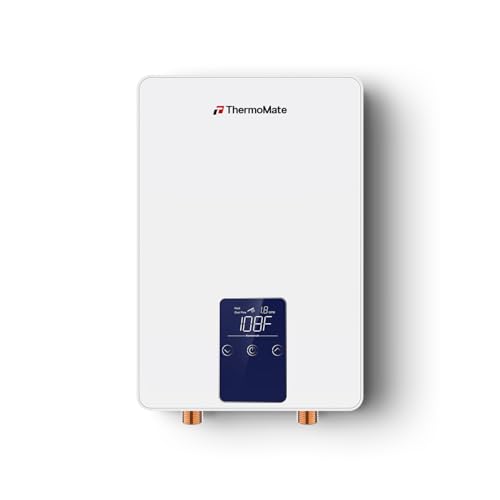
ThermoMate 6kW Tankless Electric Water Heater (ETL Listed)

FOGATTI Indoor Natural Gas Tankless Water Heater (5.1 GPM)

FOGATTI Outdoor Natural Gas Tankless Water Heater (5.1 GPM)
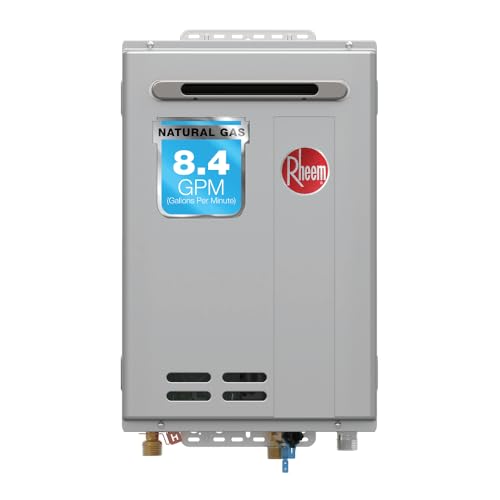
Rheem RTG-84XLN Outdoor Tankless Water Heater (8.4 GPM)

FOGATTI Indoor Propane Tankless Water Heater (7.5 GPM)
A Breakdown Of The Leading Choices
RV hot water tanks work harder than most people realize, cycling through temperature swings and mineral-heavy water from campsite to campsite. The Eleventree anode rod set is built as a direct replacement for Suburban part 232767, which is the standard fit on a wide swath of motorhome and trailer heaters.
Each rod measures 9.25 inches with 3/4-inch NPT threads (a tapered pipe thread common on RV plumbing), so swapping one in is straightforward for anyone comfortable with a basic wrench. Magnesium construction is the key here, because magnesium sacrifices itself faster than aluminum, drawing corrosive minerals away from the steel tank. Think of it as a low-cost guardian that ages so your tank doesn’t have to.
What Works In Its Favor
- Direct fit for Suburban 232767 tanks, removing guesswork during replacement.
- Magnesium rod chemistry absorbs corrosive minerals, stretching tank life in mineral-heavy water.
- Two-pack format means one spare on hand, useful since rods gradually deplete over time.
- Reasonable length for reaching deeper into standard 6-gallon and 10-gallon RV tanks.
Honest Caveats
- Magnesium rods wear faster than aluminum, so annual inspection is wise in heavily mineralized water.
- Limited compatibility beyond Suburban and Mor-Flo tanks, worth confirming your model before ordering.
Feature Snapshot
Best Suited To
RV owners with Suburban six- or ten-gallon tanks who travel often or store the rig through winter.
Look Elsewhere When
You own a residential tank and want a long-term whole-home solution; the Rheem RTG-84XLN serves larger households far better.
High-efficiency tankless and condensing water heaters run cooler exhaust, which produces acidic condensate that can eat through a sewer line over time. The Condensate Neutralizer Kit solves that quiet problem before it starts, raising the pH of the discharge so it can flow into household plumbing without worry.
It pairs naturally with Rinnai-style tankless systems, which the manufacturer notes are designed to last up to roughly two decades, almost the size of a carry-on suitcase. The neutralizer sits on the drain line, requires only periodic media replacement, and keeps code inspectors happy in jurisdictions that require pH balancing for condensing appliances.
Practical Advantages
- Neutralizes acidic condensate, protecting cast-iron and PVC drain lines from corrosion.
- Compact footprint fits inside a utility closet or alongside the heater itself.
- Helps high-efficiency tankless installations meet local code in stricter regions.
- Passive design with no power draw, fitting cleanly into most retrofit installs.
Points To Keep In Mind
- Internal neutralizing media needs occasional refilling, an extra maintenance task to remember.
- Not required for non-condensing units, so the value depends entirely on owning a high-efficiency model.
Whose Shelf It Belongs On
Owners of condensing tankless or high-efficiency gas water heaters in regions with strict drain regulations.
A Better Fit Elsewhere
If your setup is a standard point-of-use electric unit like the ThermoMate 6kW, you will not produce condensate at all and can skip this accessory.
Even the best tankless water heater loses performance when mineral scale builds up inside the heat exchanger. The Chromex NSF Certified descaling solution tackles that buildup directly, dissolving the calcium and limescale that narrow waterways and slow heat transfer over months of use.
The one-gallon jug covers several flush cycles, which is convenient for households that flush on a quarterly schedule. The biodegradable formula plays nicely with PVC, rubber, ABS, and most metal plumbing surfaces, so it fits typical residential installs without a chemistry lesson.
Real-World Strengths
- NSF certification adds confidence for potable-water system use.
- One gallon handles multiple flushes, lowering the per-cleaning cost.
- Biodegradable and non-volatile, simplifying disposal after a flush.
- Wide plumbing compatibility covers PVC, ABS, rubber, and most metal lines.
Trade-Offs To Consider
- Not suitable for magnesium or aluminum lines, which limits certain specialty plumbing setups.
- Larger jug means a storage plan is needed, especially in tight utility closets.
Quick Technical Notes
Perfect Match For
Tankless water heater owners in hard-water regions who flush the heat exchanger every few months.
Skip It When
You heat water with a basic electric point-of-use model like the ThermoMate 6kW, since scale buildup is rarely a concern at low flow rates.
A detached garage sink, a basement wet bar, or an outbuilding workshop all share the same problem: no hot water on demand. The ThermoMate 6kW unit solves that gap without venting, gas lines, or a bulky tank. It mounts under or over a sink and heats water only when a faucet opens.
At 240 volts drawing 25 amps, the unit produces roughly 1.0 gallon per minute at a 35°F rise. That is enough for handwashing in most climates, though you might find the stream gets tepid during long draws in winter. The self-modulating power adjusts energy use in real time, which keeps standby consumption low.
The Value In It
- Compact point-of-use design fits under sinks or in tight mechanical closets.
- Self-modulating heating uses energy only when water flows, trimming idle waste.
- ETL listing supports confidence in safety and electrical compliance.
- Standby readiness around the clock for hands-free operation.
Worth Bearing In Mind
- Flow rate caps at around 1.0 GPM, so simultaneous fixtures will not work well.
- Requires a dedicated 240V circuit, which an older electrical panel may not accommodate.
Right Fit For
Anyone adding a single sink to a garage, greenhouse, or accessory building without running new gas lines.
Reach For A Different Pick When
You need to serve multiple bathrooms at once; the FOGATTI propane indoor unit delivers seven-and-a-half gallons per minute for whole-home use.
For households already on a natural gas line, this indoor FOGATTI tankless unit delivers continuous hot water without the storage tank footprint. It runs at 120,000 BTU and pushes 5.1 gallons per minute, which is plenty for a mid-sized home running two fixtures at once.
Compared to the larger propane sibling further down this list, this model trades a bit of peak flow for a lower price and the simplicity of natural gas plumbing. The CSA certification signals compliance with North American gas safety standards, important when an appliance lives inside living space.
A Few Highlights
- 120,000 BTU output supports two showers or one shower plus a dishwasher at the same time.
- Compact wall-hung cabinet frees up floor space once held by a bulky tank.
- CSA certification covers indoor installation in code-compliant jurisdictions.
- On-demand heating removes standby losses from a traditional tank.
Soft Spots
- 5.1 GPM may feel tight in larger homes with three or more bathrooms.
- Requires proper venting and gas-line sizing, which a licensed installer should verify.
Feature Card
Made For
Three- to four-person households on natural gas who want continuous hot water without a rooftop or basement tank.
Another Choice May Suit
Homes with higher peak demand will find the FOGATTI propane indoor model, with seven-and-a-half GPM, a more comfortable match.
The outdoor version of FOGATTI’s natural gas unit carries the same five-and-a-tenth gallon per minute flow, but skips the indoor venting requirement. Mount it on an exterior wall, run a water line in, and the home’s mechanical room opens up for storage or a water softener.
Compared to the indoor cousin, this unit trades a slightly more weather-exposed install for a much simpler setup. In milder climates the casing handles rain and sun without complaint, though freezing winters can complicate things.
Where It Helps
- No venting required, simplifying installation and lowering labor costs.
- Frees up interior wall space previously given over to the water heater closet.
- Same 5.1 GPM flow handles two fixtures simultaneously in a medium home.
- CSA certification covers outdoor-rated installations.
Factors To Consider
- Outdoor mounting means freeze protection matters in cold-winter regions.
- Exposed location can shorten the casing’s cosmetic life compared to an indoor unit.
Who It Suits Best
Homeowners with an exterior wall in a moderate climate who want to reclaim interior square footage.
Swap It Out When
You live in a region with deep winter freezes; the Rheem RTG-84XLN outdoor model is engineered for higher capacity and similar exterior placement with stronger cold-weather ratings.
Large households with multiple bathrooms need a tankless unit that does not flinch when the dishwasher, washing machine, and a shower all kick in at once. The Rheem RTG-84XLN delivers eight-and-four-tenths gallons per minute at 180,000 BTU, enough to keep the hot water flowing through almost any combination of fixtures.
Rheem’s Hot Start Programming keeps the heat exchanger primed between draws, which reduces the cold-water sandwich that often plagues tankless installs. The Overheat Film Wrap also protects the heat exchanger from sustained high temperatures, a sensible durability touch for heavy daily use.
Strong Points
- 8.4 GPM flow supports three to four fixtures at once without temperature drops.
- Hot Start Programming minimizes cold bursts between back-to-back uses.
- 180,000 BTU input handles cold inlet water better than smaller units.
- Outdoor installation removes venting concerns from interior walls.
Things That May Matter
- Non-condensing design means slightly lower efficiency than condensing tankless models.
Product At A Glance
Who Should Grab It
Four-or-more-person households with multiple full bathrooms and high simultaneous demand.
Where A Sibling Pick Shines
Smaller homes on a tighter budget will find the FOGATTI 5.1 GPM natural gas unit more than enough for typical use.
Off-grid homes, rural properties, and propane-only households need an indoor tankless unit that runs on liquid propane rather than natural gas. The FOGATTI 7.5 GPM model pushes 170,000 BTU on propane, fitting three to five outlet points across a busy family home.
The standout here is the water servo precision, which holds the output within roughly plus or minus one degree Fahrenheit of the setpoint. Pair that with the smart digital display and you get a unit that responds accurately when someone flushes a toilet mid-shower, which often trips up lower-tier tankless heaters.
Features That Help
- 7.5 GPM flow supports multiple bathrooms running in parallel without waiting.
- ±1°F water servo control keeps shower temperature steady during household demand spikes.
- 170,000 BTU input suits colder inlet water in northern climates.
- Smart digital display shows real-time output and error codes at a glance.
- CSA certification supports safe indoor propane installation.
Potential Sticking Points
- Propane fuel supply adds tank monitoring and delivery scheduling to ownership.
- Higher BTU demands may require a propane line upgrade from the existing regulator.
Built With In Mind
Larger propane-served households that value digital temperature accuracy and multi-fixture performance.
Consider Something Else When
Natural gas is already piped to the home; the FOGATTI 5.1 GPM natural gas indoor unit runs on cheaper fuel and handles moderate demand fine.
Choosing The Right Hot Water Setup For Your Home
Match The System To Your Fuel And Climate
The first real fork in the road is fuel type. Natural gas and propane tankless units, like the FOGATTI models, require venting or exterior mounting and access to a gas line, but they heat water faster than most electric options. Electric point-of-use units such as the ThermoMate 6kW sidestep venting entirely, though they need a dedicated 240V circuit and a flow rate that caps around one GPM.
Climate plays into inlet water temperature. In the northern U.S., inlet water can drop into the high 30s, so a high-BTU unit (170,000 or more) prevents lukewarm showers in January. In warmer regions, a 120,000 BTU unit often suffices.
Size The Unit To Peak Demand, Not Average Use
Manufacturers measure capacity in GPM, which stands for gallons per minute. A single shower uses roughly 1.5 to 2.0 GPM, a dishwasher about 1.5 GPM, and a washing machine 2.0 to 3.0 GPM. Two running fixtures simultaneously requires at least five GPM, while a busy household with three-plus fixtures needs closer to eight GPM, putting the Rheem RTG-84XLN in the right zone.
Sizing to average use under-sizes the unit. Always plan for the busiest ten minutes of the morning, since that is what a storage tank used to absorb.
Plan For Maintenance From Day One
Tankless units last longer than storage tanks, yet they still need attention. Hard water leaves scale inside the heat exchanger, which lowers efficiency and shortens life. A descaling solution such as the Chromex jug and a simple pump kit make annual flushing manageable for most homeowners. Tank-style systems also benefit from anode rod replacement every few years, the role the Eleventree magnesium rods fill for RV owners.
Choose Indoor Or Outdoor Mounting Carefully
Indoor units keep the heater protected from weather but require venting. Outdoor models like the FOGATTI natural gas outdoor unit and the Rheem RTG-84XLN skip the vent run entirely, though they need shelter from freezing in cold-winter regions. Pick based on where you can install and what your local code allows.
Common Buying Traps And Smart Upgrades
Where Shoppers Go Wrong
The most common mistake is sizing for current use instead of peak demand. A couple who adds a teenager next year may find their five GPM unit suddenly feels small. Another trap is ignoring inlet water temperature, which leaves northern homeowners with a “tankless” system that barely warms two fixtures at once. Finally, skipping the maintenance plan, like a descaler or anode rod, quietly shortens the life of even the best unit.
Where The Extra Money Goes
Stepping up to a higher BTU and higher GPM unit brings steadier temperatures and more simultaneous use. Premium picks often include better internal components, smarter electronics, and tighter temperature control, which the FOGATTI propane indoor model demonstrates with its plus-or-minus-one-degree precision. Higher-tier pricing also reflects build quality, like the Overheat Film Wrap on the Rheem RTG-84XLN, which protects the heat exchanger in heavy-use homes. Paying more makes sense when peak demand is high, the home runs on a less common fuel, or you simply want consistent shower temperature without cold surprises.
Frequently Asked Questions
How long do tankless water heaters typically last?
Most quality tankless units last around twenty years with proper maintenance, which is roughly double the lifespan of a traditional storage tank. Annual descaling helps them reach that range, especially in hard-water regions.
Do I need a separate electrical upgrade for a tankless gas unit?
Standard tankless gas units typically use a standard 120V outlet for controls, though high-output models may pull more current. A licensed installer can confirm what your existing circuit supports.
What size tankless unit handles a family of four?
A family of four usually needs at least seven to eight GPM to cover simultaneous shower, laundry, and dish use. The Rheem RTG-84XLN’s 8.4 GPM output fits that profile comfortably.
Are outdoor tankless heaters safe in freezing climates?
Outdoor units work in cold climates but need proper freeze protection, including insulated piping and a small electric heating element inside the casing. Without those, the water lines can freeze and crack.
How often should I flush a tankless water heater?
Most manufacturers recommend a yearly flush in average water conditions, with more frequent service in areas with very hard water. A descaling solution like the Chromex gallon jug covers multiple flushes at a low per-cleaning cost.
Final Verdict
The right home water heater depends on fuel type, household size, and where it can be installed. Small households and single sinks will appreciate the ThermoMate electric unit, while larger families benefit from the Rheem’s eight-plus GPM flow. RV owners and tankless system owners will get years of added life from the Eleventree rods and Chromex descaler. Pick the option that matches your daily demand, and the rest of the setup tends to fall into place.




