

You probably think about your tap water more than you’d like to admit. Strange taste, lingering chlorine smell, reddish stains in the bathtub from well water, or just the nagging question of what exactly the city pipes are delivering to your glass. Picking the right filter is less about chasing a perfect pitch and more about matching the system to your actual water source, household size, and tolerance for installation work. This roundup covers ten solid options across whole-house, under-sink, countertop, pitcher, and outdoor categories, so you can match the tool to the problem instead of the other way around.
An Overview Of The Picks

Waterdrop WHF3T-FG 3-Stage Whole House Water Filter

Bluevua RO100ROPOT-Lite Countertop RO Filter
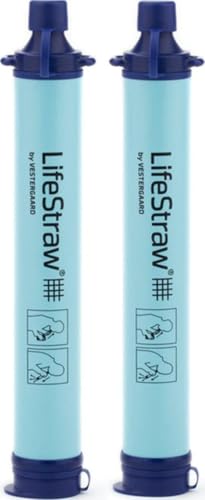
LifeStraw Personal Water Filter (2-Pack)

Waterdrop WHF3T-PG 3-Stage Whole House Filter
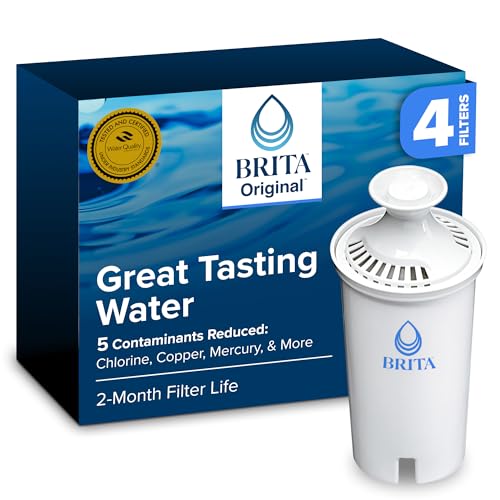
Brita Standard Pitcher Replacement Filters (4-Pack)

Waterdrop WHF3E-SKH 3-Stage Well Water Filter

Brita Water Bottle Replacement Filters (3-Pack)
VIVA21 5-Stage Under-Sink RO System

Bluevua RO100ROPOT Countertop RO System
Bluevua RO100ROPOT-Travel Countertop RO
Inside Each Recommended Option
If your water comes from a private well and you’ve noticed orange stains in the sink or a faint metallic taste in your morning coffee, this Waterdrop unit is built around that exact problem. The system uses two dedicated iron-and-manganese cartridges followed by a final polishing stage, treating water at the point of entry so every tap, shower, and washing machine benefits. Unlike a simple pitcher that only fixes one glass at a time, a whole-house approach means softer laundry and longer-lasting water heaters as a side effect.
Installation requires cutting into the main supply line, which most handy homeowners can manage in a half day with basic tools. You may want to budget for a sediment pre-filter if your well runs silty, since that will extend the life of the primary cartridges considerably.
Useful Highlights
- Targets iron and manganese, the two contaminants that cause the most visible staining in well water homes
- Treats every fixture in the house, so you stop fighting rusty toilet tanks and stained shower doors
- Multi-stage design means each cartridge handles a specific job rather than asking one filter to do everything
- Helps protect downstream appliances like dishwashers and water heaters from mineral buildup
Things To Consider
- You’ll need a clear section of main supply pipe with enough room for the housings
- Filter changes require shutting off water and keeping replacement cartridges on hand
Who Will Love This
Homeowners on private wells dealing with metallic taste, reddish stains, or premature appliance wear will get the most from this system.
Look Elsewhere When
City-water shoppers with chlorine complaints should look at the Waterdrop WHF3T-PG instead, which is tuned for municipal supply.
Renters and small-kitchen dwellers usually get locked out of reverse osmosis because traditional units demand a dedicated faucet hole and under-sink plumbing. The ROPOT-Lite sidesteps all of that. You pour tap water into the top, plug the unit into any outlet, and the system pushes purified water into a borosilicate glass carafe sitting on the counter. Compared with the pitcher-only option later in this list, you get true RO filtration rather than basic carbon treatment.
The honest trade-off is speed. RO systems generate a fair amount of wastewater relative to what they store, so you’ll be emptying a small reject tank between batches. Assuming you drink a couple of liters a day, that’s a manageable chore rather than a deal-breaker.
Well-Handled Touches
- Zero plumbing means you can take it with you when your lease ends
- Glass carafe keeps water away from plastic contact, which matters to anyone trying to reduce microplastic exposure
- Smart LED indicators take the guesswork out of filter life and water status
- Countertop footprint stays compact enough for narrow galley kitchens
Worth Noting
- RO filtration runs slower than a simple carbon pour-through
- Needs a power outlet within reach of the counter
Made For
Apartment residents, condo dwellers, and anyone who wants RO quality without committing to a permanent installation will find this a refreshing middle ground.
Consider Something Else When
Large families going through a gallon of drinking water per day should consider the VIVA21 under-sink RO instead, which stores more and refills faster.
Long-distance hikers, kayakers, and emergency-prep households operate in a completely different universe than someone shopping for a kitchen filter. The LifeStraw personal straw weighs essentially nothing, slips into a hip pocket, and turns suspicious stream or lake water into something drinkable on contact. The two-pack format makes sense for sharing with a partner or stashing one in a car bug-out kit. Where the previous Bluevua sits on your counter, this one rides in your backpack.
The straw design forces you to sip directly from the water source or pour filtered water into a separate bottle, which slows down camp cooking routines. For most day hikers covering eight to twelve miles, that’s a non-issue.
Benefits That Matter
- Ultralight form factor barely registers on a pack scale
- No moving parts or power source, so it works in any climate or altitude
- Removes bacteria, parasites, and microplastics from natural water sources
- Two-pack doubles as a backup or gift for a hiking partner
Room For Improvement
- Drinking rate through the straw is slower than pouring from a pump filter
- Doesn’t treat chemical contaminants or heavy metals
Best Suited To
Backpackers, international travelers, and anyone assembling a hurricane or earthquake kit should keep one of these clipped to a bag.
Swap It Out When
Shoppers who want filtered water at the kitchen sink rather than at the trail head should swap it out for the Brita pitcher filters covered below.
Municipal water rarely carries iron, but it almost always carries chlorine, and that’s what this Waterdrop system targets. A KDF composite filter handles the heavy lifting on chlorine and heavy metals, while a GAC stage wrapped in carbon fiber polishes taste and odor across every tap. If you live in a subdivision rather than out on a well, this is the more relevant model from the Waterdrop line compared with the WHF3T-FG covered earlier.
The 5-micron rating catches fine sediment, but heavy silt events after water-main work can clog a pre-filter faster than expected. For most households, that means a quick rinse every couple of months during routine cartridge swaps.
Features That Help
- Strong chlorine reduction improves drinking taste and reduces skin dryness after showers
- Treats the whole house so you don’t need separate filters on every bathroom
- Sediment pre-filter stage protects downstream cartridges from premature clogging
- Filter housing uses standard sizes, so third-party replacement cartridges fit without compatibility headaches
Points To Note
- Doesn’t soften water or address mineral scale on its own
- Cartridge replacement schedule depends heavily on local water quality and usage
Feature Snapshot
The Right Fit
Suburban households on city water who want better-tasting drinking water and gentler showers without investing in RO technology will appreciate this system’s reach.
A Better Fit Elsewhere
Hard-water regions struggling with scale buildup should pick the Waterdrop WHF3E-SKH instead, which adds anti-scale media.
Sometimes the right move is the cheapest move, and that’s where the Brita standard replacement filters earn their place. They drop into any standard Brita pitcher or dispenser, use activated carbon paired with ion-exchange resin to cut chlorine taste and reduce copper, cadmium, and mercury, and arrive in a four-pack that covers roughly four months of daily refills. Compared with the whole-house systems earlier, this is the lowest-friction entry into filtered water.
The reality check is that a pitcher only filters water you pour into it, leaving shower and tap water untouched. For most first-time filter shoppers, that tradeoff feels reasonable while they figure out what level of filtration they actually want.
A Strong Showing
- Lowest upfront commitment of any option on this list
- No installation, no tools, no plumber, no electricity
- Compatible with virtually any standard Brita pitcher or dispenser you already own
- Built-in mesh screens keep loose carbon flecks out of your glass
Trade Offs
- Only filters water you remember to pour into the pitcher
- Doesn’t address well-water contaminants like iron or sulfur
- Replacement cartridges add ongoing cost to track
Who Should Grab It
First-time filter shoppers, college students, and anyone renting a furnished apartment should grab this pack as a low-risk way to test filtered water.
Where Another Pick Suits Better
Households ready to filter every tap should look at the Waterdrop WHF3T-PG whole-house unit instead for full-home coverage.
Hard water kills water heaters early and leaves chalky residue on everything it touches, which is why the WHF3E-SKH was built around scale reduction rather than iron removal. The 9-layer filtration media stack tackles sediment, chlorine, and hardness minerals simultaneously, giving well-water households a softer feel across the whole plumbing system. Compared with the WHF3T-FG covered earlier, this unit prioritizes scale and hardness over iron-specific treatment.
The filter housing requires vertical clearance for cartridge changes, so basement installations need a clear eye-line above the unit. For most homeowners, that’s a one-time planning issue rather than a daily inconvenience.
Strengths Worth Knowing
- Anti-scale media helps water heaters and washing machines last longer
- 9-layer filtration catches more contaminant categories than typical 3-stage units
- Improves taste while reducing visible scale on faucets and showerheads
- Whole-house coverage means softer towels and brighter laundry as side benefits
Small Caveats
- Vertical clearance above the unit is needed for cartridge swaps
- Filter change intervals shorten in areas with extreme hardness
Product Snapshot
Right Fit For
Homeowners in hard-water regions who notice chalky buildup on faucets and shortened appliance life will get the most from this system’s scale-focused design.
Skip It When
Shoppers dealing primarily with iron staining should skip it and choose the Waterdrop WHF3T-FG instead for targeted iron removal.
Filtering water at home only solves half the problem when your daily routine pulls you out the door with a refillable bottle. Brita’s bottle-style replacement cartridges thread into a compatible filter bottle and cut chlorine taste on the go, which matters if your office water cooler tastes like a swimming pool. The three-pack format covers roughly six months of active use, depending on how often you refill. Where the LifeStraw earlier targets wilderness water, this one targets the break-room tap at work.
Each filter has a finite lifespan measured in gallons rather than weeks, so heavy drinkers will swap cartridges sooner. For most office workers, the math works out to a couple of replacements per year.
Noteworthy Benefits
- Filters water from any tap you encounter away from home
- BPA-free construction keeps filtered water away from plastic concerns
- Reduces reliance on single-use bottled water during the workday
- Compact form slips into a laptop bag or gym duffel without bulk
Practical Considerations
- Requires a compatible Brita bottle to function, sold separately in most cases
- Sipping through a narrow filter straw is slower than drinking from an open bottle
Perfect Match For
Office commuters, gym-goers, and anyone trying to ditch single-use plastic bottles will appreciate having filtered water wherever the day takes them.
Reach For A Different Pick When
Backpackers needing stream-side filtration should reach for the LifeStraw instead, which is built for natural water sources rather than office taps.
For households that want dedicated, high-purity drinking water without buying bottled delivery, an under-sink reverse osmosis system remains the most thorough option. The VIVA21 unit uses sediment, carbon, an RO membrane, and a post-carbon stage to strip dissolved solids before sending water through a lead-free faucet at the kitchen counter. The included tank means a full glass pours in seconds rather than the slow drip you’d get from a tankless setup. Compared with the countertop Bluevua earlier, this one hides in the cabinet and shows up only at the dedicated faucet.
Installation involves mounting the tank, drilling a small hole for the faucet, and making a few push-fit connections, which is manageable for most handy homeowners but intimidating for others. Most owners report scheduling annual filter swaps to keep flow rate steady.
What Pays Off
- Five filtration stages deliver more thorough contaminant reduction than most pitcher or faucet filters
- Stored tank means instant glass fills without waiting for slow membrane output
- Lead-free dedicated faucet keeps filtered water separate from unfiltered tap water
- Leak detector accessory helps catch drips before they damage cabinets
Things To Weigh
- Under-sink installation requires basic plumbing comfort or professional help
- RO process generates wastewater, which matters in drought-conscious regions
- Annual membrane replacement adds to long-term ownership cost
Technical Sheet
Who It Suits Best
Families who drink from the tap daily and want the cleanest possible drinking water without buying bottled will find this a long-term solution rather than a band-aid.
Not Your Match When
Renters who can’t drill into the countertop should look at the Bluevua RO100ROPOT-Lite instead for a no-install alternative.
This is the original ROPOT, and the borosilicate glass carafe is the headline feature for anyone trying to keep filtered water away from plastic contact. You fill the upper reservoir with tap water, plug the unit into an outlet, and wait for the system to push RO-purified water into the glass carafe below. Compared with the VIVA21 covered earlier, this one stays on the counter but skips the drilling and plumbing entirely.
Glass is heavier and more breakable than plastic, so the carafe needs a stable home away from the edge of the counter. For most kitchens, that’s just a matter of choosing a spot and leaving it there.
Reasons It Performs
- Glass carafe eliminates plastic contact for filtered water storage
- No plumbing means the unit moves with you between rentals
- Multi-stage RO process delivers a noticeable improvement in taste over basic carbon pitchers
- Modern countertop styling looks more like an appliance than a science experiment
Potential Drawbacks
- Glass carafe adds weight and breakability versus plastic reservoirs
- Production rate per batch is slower than a plumbed under-sink unit
Built With In Mind
Plastic-conscious households who want RO purification without permanent modification to their rental will appreciate this countertop approach.
Where A Sibling Pick Shines
Frequent travelers should check the Bluevua RO100ROPOT-Travel instead, which adds UV sterilization and packs down smaller for the road.
RVs, vacation rentals, and home offices with unpredictable tap water quality call for a filter that travels well without sacrificing purification depth. The ROPOT-Travel layers six stages of RO filtration with UV light, and the patented 5-in-1 filter combines multiple media types into one cartridge swap. For most remote workers logging weeks at unfamiliar kitchens, the difference between bottled water runs and self-filtered water adds up quickly.
You’ll need to confirm the local electrical outlet matches the unit’s plug style, which means carrying a simple adapter for international use. For most domestic trips, that step is unnecessary.
Standout Benefits
- Six-stage RO with UV light addresses contaminants that carbon alone misses
- Compact countertop format fits in an RV galley or vacation rental counter
- Glass carafe keeps water away from plastic contact, same as the original ROPOT
- Single combined filter cartridge simplifies the maintenance schedule
Honest Caveats
- International travelers will need a plug adapter for non-US outlets
- Per-batch output is lower than a plumbed RO system with a storage tank
Whose Shelf It Belongs On
Digital nomads, RV owners, and anyone furnishing a vacation home kitchen will appreciate having RO-grade water wherever they set up for a few weeks.
Another Choice May Suit
Stationary households wanting faster output should look at the VIVA21 under-sink system, which stores a larger ready supply of filtered water.
What To Weigh Before Choosing Home Water Filters
Match The Filter To Your Water Source
The single biggest decision is whether your water comes from a private well or a municipal supply, because the contaminant profiles look nothing alike. Well water typically raises concerns around iron, manganese, hardness, and sometimes sulfur, which is why whole-house options such as the Waterdrop WHF3T-FG and WHF3E-SKH exist as targeted solutions. City water more often carries chlorine, chloramine, and trace heavy metals from aging pipes, which the WHF3T-PG and most pitcher filters handle reasonably well. If you don’t know what’s actually in your water, a basic mail-in test kit costs less than a year of filter cartridges and removes the guesswork.
Decide How Many Taps Need Filtering
Whole-house systems treat every fixture at once, including showers and laundry taps, while point-of-use units such as countertop RO systems and pitchers only touch the water you actively pour into them. Households with sensitive skin or eczema often prefer whole-house coverage so bath water is also filtered, while renters who can’t modify plumbing usually settle for a countertop or pitcher solution. Picking the right scope up front prevents buying twice.
Weigh Installation And Maintenance Comfort
Under-sink RO systems and whole-house filters require some plumbing comfort, while countertop RO units and pitchers ask for nothing beyond a power outlet and a few square feet of counter space. Filter replacement schedules vary from a couple of months (pitcher cartridges) to a year or longer (RO membranes and whole-house cartridges), so ongoing maintenance cost deserves a spot in your decision before the initial purchase.
Key Considerations Across These Picks
Common Shopping Slip Ups
One of the easiest mistakes is choosing a pitcher filter for well water and wondering why it doesn’t touch the iron staining. Another is buying a high-end RO system without budgeting for the annual membrane and cartridge swaps, which can make a “cheap” filter expensive over its lifespan. Measure your under-sink cabinet before ordering an RO system too, because storage tanks need both vertical clearance and a flat spot for the housing.
Where The Extra Money Goes
Higher-tier filters earn their price through denser media, multi-stage designs, and longer cartridge lifespans. A countertop unit with UV sterilization costs more because it addresses contaminants that carbon alone misses, and a whole-house system costs more because it treats every tap in the home rather than just one. Whether the upgrade makes sense depends on how many people drink from the tap daily and how sensitive your household is to taste and odor changes.
Frequently Asked Questions
How Often Should I Replace Filter Cartridges?
Replacement intervals depend on the filter type and your water usage. Pitcher cartridges typically need swapping every two months, while whole-house cartridges last longer depending on household size and local water quality.
Do Whole-House Filters Reduce Water Pressure?
A well-sized whole-house system should maintain normal pressure for most households. Undersized units or clogged cartridges can restrict flow, which is why sizing the system to your peak household demand matters.
Can A Pitcher Filter Handle Well Water?
Most pitcher filters are designed for municipal water and won’t address iron, sulfur, or hardness common in well water. For well water, a whole-house system is usually the right starting point.
Is Reverse Osmosis Necessary For Most Homes?
RO makes sense if you have specific concerns about dissolved solids or want the highest purity drinking water. Many households are well served by simpler carbon or KDF systems for everyday taste and odor improvements.
Do Countertop RO Units Need A Plumber?
Countertop RO units are designed to work without any plumbing modifications. You pour water in, plug the unit into an outlet, and the filtered water collects in the carafe.
The Takeaway
The right home water filter depends less on specs and more on your water source, your living situation, and how many taps you want covered. Match the system to those three answers, and the rest of the decision tends to fall into place without much fuss.




