

Tap water tells different stories depending on where you live. Some households get crisp, fresh-tasting water straight from the faucet. Others wrestle with chlorine bite, faint metallic edges, or the nagging worry about microplastics and lead. A home water filter pitcher is the simplest way to reclaim control without drilling holes under the sink or hiring a plumber.
This roundup covers the eight picks that show up most often in 2026 kitchens. Three are classic pour-through pitchers, one is a replacement-filter cartridge line for existing pitchers, and four are countertop reverse osmosis units that hand you a true purification step. If you want quick, no-install filtration, the first three are your lane. If you want laboratory-grade reduction of contaminants, the RO units deliver that with a bit more counter footprint.
A Fast Comparison Of The Options

Culligan P5 Whole House Premium Water Filter 8,000 Gallons 3-Pack

DREO Reverse Osmosis Countertop RO Filter 3:1 Pure to Drain with 2 Autofill Pitchers

DREO Reverse Osmosis Countertop RO Filter 3:1 Pure to Drain with Autofill Pitcher 112 3L

Brita XL 27 Cup Water Pitcher Dispenser with Elite Filter
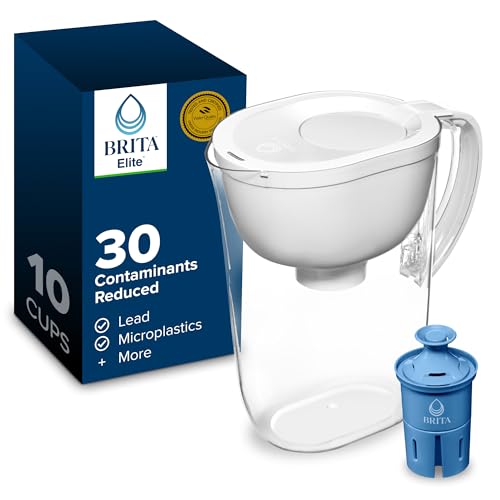
Brita Large 10-Cup Water Filter Pitcher with Elite Filter

LifeStraw Home Activated Carbon + Ion Exchange Replacement Filter
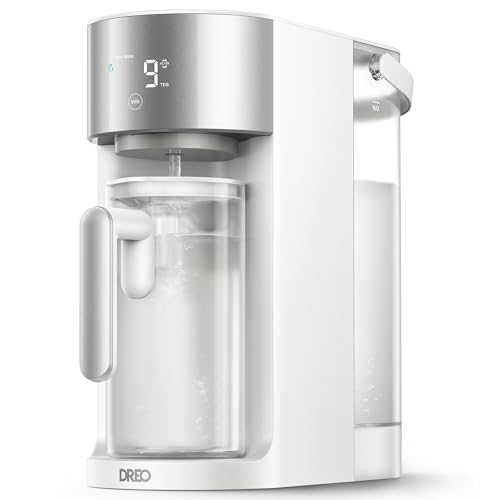
DREO Reverse Osmosis Countertop RO Filter 3:1 Pure to Drain with Autofill Pitcher

DREO Reverse Osmosis Countertop 7-Stage RO Water Filtration System WF511
What Each Pick Brings To The Table
The Culligan P5 sits in a different lane than the rest of this roundup. It is not a pitcher at all. It is a replacement cartridge designed to drop into a whole-house filtration manifold that feeds every tap in your home, which means the filtered water arrives at the kitchen sink, the shower, and the laundry room all at once.
Where the standard pitcher approach treats one glass at a time, the P5 handles the whole supply line. Each cartridge is rated for roughly 8,000 gallons, and the listing ships three filters per box for a total of six. That is the kind of headroom a four-person household leans on when nobody wants to babysit replacement schedules every other month.
Points In Its Favor
- Eight-thousand-gallon rating per cartridge means fewer swap-outs across the year.
- Targets sediment, rust, scale, and coarse sand, which is the typical cocktail coming from older municipal plumbing.
- Six total cartridges across the package give you roughly a year and a half of supply for most households.
- Whole-house coverage removes the need to fill a separate pitcher every morning.
Worth Noting
- Requires a compatible whole-house housing and basic install knowledge, so it is not a true grab-and-go upgrade.
- Reduces particulate matter and chlorine-related issues but does not strip dissolved contaminants the way an RO membrane does.
Right Fit For
Homeowners with an existing Culligan-style manifold who want a multi-pack of long-life replacement cartridges on standby.
Look Elsewhere When
Apartment dwellers and renters should skip this and reach for the DREO RO 7-Stage WF511 instead, since it needs no plumbing.
The DREO countertop RO with two autofill pitchers solves the most common complaint about reverse osmosis at home: the slow trickle. Most countertop RO units push water into a single small tank and leave you refilling by hand. This version splits the output across two pitchers, so one is chilling in the fridge while the other is back on the base catching the next batch.
The 3:1 pure-to-drain ratio is the spec to notice. Traditional RO systems can waste three or four gallons for every clean gallon produced. A 3:1 ratio cuts that waste meaningfully, which matters for households running the unit several times a day. You also get a real-time TDS display, which means you can watch the total dissolved solids drop as the membrane does its work. Reverse osmosis itself forces water through a membrane fine enough to catch dissolved solids, fluoride, and a wide range of chemical contaminants.
Useful Touches
- Twin-pitcher rotation removes the waiting game common to single-tank RO units.
- Real-time TDS readouts let you verify the membrane is actually doing its job.
- Self-cleaning cycle keeps the membrane from fouling during long idle stretches.
- Install-free setup means you are pouring filtered water within minutes of unboxing.
Points To Keep In Mind
- Counter footprint is wider than a standard pour-through pitcher, so plan for the space.
- The unit needs a power outlet nearby for the pump and display.
Feature Snapshot
Who It Suits Best
Larger households that drink several liters a day and want RO-grade filtration without an under-sink install.
Skip It When
Tight-countertop cooks who only need basic chlorine reduction should grab the Brita 10-Cup pitcher instead.
The 112 model trims the DREO countertop RO down to a single 3-liter autofill pitcher. For a one- or two-person household that drinks filtered water for coffee, hydration, and cooking, that single pitcher is plenty. You will probably empty it once a day, refill it, and let the RO membrane top it back up overnight.
The same 3:1 pure-to-drain ratio applies here, which keeps the wastewater concern in check. TDS monitoring on the front of the unit gives you the same visibility into the filtration quality. Where it differs from pick two is the form factor. This one tucks into a smaller kitchen footprint, which is a real win if your counter is already crowded with a coffee maker, toaster, and knife block.
Where It Delivers
- Compact 3-liter pitcher footprint suits apartments and galley kitchens.
- Same efficient 3:1 wastewater ratio as the larger DREO unit.
- TDS readout gives you real-time confirmation of filtration quality.
- No plumbing required, so renters can take it along when they move.
Trade Offs
- Single pitcher means the fridge stays empty when the pitcher is back on the base.
- RO units produce a faint hum from the pump, which may bother light sleepers in open-plan studios.
Made For
Singles, couples, and small households that want RO-level reduction without a bulky two-pitcher setup.
Consider Something Else When
You entertain often and need a pitcher always on standby. The DREO two-pitcher unit covers that scenario better.
The Brita XL sits on the counter like a small beverage dispenser, which is exactly the point. With 27 cups of capacity, it can ride out a busy weekday without anyone needing to refill it before dinner. Drop it next to the fridge and the family treats it like the household water source.
The included Elite filter is the more aggressive of the Brita cartridge line. Brita’s marketing claims a higher contaminant-reduction profile than its standard filters, including lead. For households on older plumbing where lead leaching is a real concern, that Elite cartridge is the main reason to choose this dispenser over a generic pitcher. The pour-through design means no electricity, no plumbing, and no pump humming on the counter.
Bright Spots
- 27-cup capacity covers a family of four for most of a workday.
- Elite filter targets a broader contaminant list than standard Brita cartridges.
- No power or plumbing needed, so it goes anywhere on the counter.
- Easy-grip lid makes refilling from the tap less of a balancing act.
Where It May Fall Short
- The dispenser body takes up more counter real estate than a standard 10-cup pitcher.
- Pour-through speed is slower than a direct tap, so refills require patience.
Key Specs
Who Should Grab It
Families with multiple kids or roommates who want a single dispenser covering most drinking and cooking needs.
Reach For A Different Pick When
You want to strip dissolved solids like fluoride or specific PFAS compounds. The DREO RO WF511 is built for that job.
The 10-cup Brita is the pitcher most people picture when they hear the brand. It fits in a refrigerator door without rearranging shelves, holds enough for a couple of days of solo drinking, and runs on the same Elite filter technology as the larger XL unit.
For a renter, a college student, or anyone who just wants one cleaner-tasting glass of water at a time, this is the workhorse pick. The BPA-free plastic keeps the body lightweight, and the slim shape slides into tight fridge spaces where a 27-cup dispenser simply would not fit. Compared to the Culligan P5 from pick one, this is the much simpler grab-and-go option, no plumbing required.
The Upside
- Slim fridge-door profile fits standard refrigerator layouts without adjustments.
- Elite filter carries the same higher-tier reduction profile as the XL dispenser.
- BPA-free construction keeps the body food-safe for daily drinking.
- No electricity or installation, so moving day does not interrupt filtration.
Honest Caveats
- Smaller capacity means refilling more often for households of three or more.
- Pour-through speed varies with water pressure at the tap, which can frustrate users on low-pressure faucets.
Feature Card
Best Suited To
Singles, couples, and small households who want better-tasting water without committing to a larger dispenser.
Swap It Out When
Your household empties the pitcher before dinner most nights. Step up to the Brita XL 27-cup dispenser in that case.
The LifeStraw Home filter is a replacement cartridge, not a pitcher. It drops into LifeStraw’s own pitcher line, so this is the choice for people who already own a LifeStraw pitcher and need to restock. The 3-pack gives you roughly six months of coverage depending on how aggressively you cycle water.
The two-stage media inside is where the value sits. Activated carbon pulls chlorine taste and odor, and ion exchange is a resin-based process that swaps heavy-metal ions for less harmful ones. Together they target a broad list including PFAS compounds, which have become a household concern in recent years. You will see claims about specific contaminant reductions in the product materials.
Positive Points
- Six-month supply across the 3-pack reduces how often you reorder.
- Two-stage media covers both chemical and heavy-metal categories.
- Designed specifically for the LifeStraw pitcher line, which simplifies the swap.
Minor Gripes
- Only useful if you already own a compatible LifeStraw pitcher housing.
- Does not address dissolved solids the way an RO membrane would.
Whose Shelf It Belongs On
Existing LifeStraw pitcher owners restocking their filter supply for the next half-year.
A Better Fit Elsewhere
Shoppers without a LifeStraw pitcher should start with the Brita 10-Cup or the DREO countertop RO depending on filtration depth needed.
This DREO model is the single-pitcher sibling to pick two, pared back to the essentials: one autofill pitcher, the same 3:1 wastewater ratio, and the same real-time TDS display. If you have been eyeing the two-pitcher version but feel the second pitcher is overkill for your household, this is the natural fit.
The first-time RO buyer is the sweet spot. You get the membrane-grade filtration that defines reverse osmosis without committing to a bulky setup. The self-cleaning cycle handles the membrane maintenance that would otherwise require manual flushing. Compared to the pour-through Brita pitchers in this roundup, you trade some convenience for a meaningful jump in contaminant reduction.
A Few Strong Suits
- Single-pitcher design keeps the counter footprint tighter than the twin model.
- Self-cleaning cycle reduces manual membrane maintenance.
- Real-time TDS monitoring gives you ongoing feedback on water quality.
- Install-free setup suits renters and small-space kitchens.
Less-Strong Areas
- Single pitcher means the fridge spot empties when the pitcher is filling on the base.
- Pump noise is low but noticeable in studio apartments.
Quick Facts
Perfect Match For
First-time reverse osmosis shoppers who want a balanced countertop unit without paying for a second pitcher they will not use.
Where A Sibling Pick Shines
Households that constantly run out of cold filtered water should reach for the DREO two-autofill-pitcher model from pick two.
The WF511 is the upgraded DREO entry, layering seven filtration stages into a single countertop unit. Where the other DREO models in this list run a more streamlined stage count, this one adds pre- and post-filters around the core RO membrane to extend its life and broaden the contaminant range.
For households with serious water-quality worries, whether that means well water with a mineral edge, municipal reports showing concerning contaminant levels, or just the peace-of-mind factor of a deeper filtration stack, this is the strongest performer in the roundup. The install-free setup remains the same: plug it in, flush the membrane twice, and you are pouring clean water within minutes. It is also the most feature-rich DREO unit here, with TDS monitoring and filter life reminders on the front panel.
The Value In It
- Seven-stage filtration extends membrane life and widens the contaminant target.
- Highest-tier contaminant reduction in this roundup, suited to well water and older plumbing.
- Filter life indicator takes the guesswork out of cartridge replacement timing.
- Install-free design keeps it renter-friendly despite the deeper filtration.
Practical Considerations
- Multi-stage filters mean more cartridge replacements over the unit’s lifetime.
- Counter footprint is the largest of the DREO family, so measure before committing.
Built With In Mind
Households on well water, in older homes, or anyone who wants the deepest filtration available without a plumber visit.
Another Choice May Suit
Shoppers happy with basic chlorine and lead reduction can save space and cost with the Brita 10-Cup pitcher.
What Matters Most Before Choosing Home Water Filter Pitchers
Contaminant Reduction Targets
The first question is what you are actually trying to remove. Standard pour-through pitchers handle chlorine taste and odor, plus a handful of heavy metals. Reverse osmosis units go further, addressing dissolved solids, fluoride, and a wider chemical list. Look for the manufacturer-stated contaminant list and match it against your local water-quality report.
Capacity And Daily Use
Capacity shapes how often you refill. A 10-cup pitcher suits one or two people drinking throughout the day. A 27-cup dispenser handles a family. Countertop RO units produce water continuously into a reservoir, which works for heavy coffee or cooking households.
Counter Footprint And Power Needs
Pour-through pitchers need zero power. Countertop RO units need a wall outlet and room for the base plus pitcher. Measure the counter spot before ordering. The Culligan P5 from this list swaps that constraint for a different one: it requires a whole-house plumbing manifold.
Filter Replacement Cadence
Every filter wears out. Pitcher cartridges typically run a couple of months under regular use. RO membranes last longer but cost more per swap. Factor replacement cost and ordering frequency into the long-term ownership picture.
Key Considerations Across These Picks
Pitfalls Shoppers Hit
The most common slip is choosing by pitcher size alone and ignoring the contaminant list. A 27-cup dispenser that only addresses chlorine taste is not the same value as a smaller RO unit that strips dissolved solids. Another trap is assuming reverse osmosis is overkill. For households on well water or with old plumbing, it can be the only practical path to peace of mind.
Where The Extra Money Goes
The price gap between a basic pour-through pitcher and a countertop RO system reflects the membrane technology and pump hardware. You are paying for finer filtration, a wider contaminant range, and the convenience of continuous output. For households with routine boiling-water concerns or specific chemical sensitivities, that upgrade typically pays for itself through better water and less bottled-water spending.




