

Picking a camera setup should feel like locking the front door, a small step that quietly changes how you sleep at night. The right system sends you a ping when a package lands, lights up a dark driveway, and keeps a record when something odd happens. This roundup rounds up five smart home surveillance systems with a clear view of who they fit, what they actually do well, and where the trade-offs land.
An Overview Of The Picks

Ring Floodlight Cam Wired Plus with Ring Indoor Cam

Ring Floodlight Cam Plus with Video Doorbell Bundle

REOLINK 8CH 5MP PoE Security System RLK8-410B4-5MP

ADT Blu Outdoor Camera 2K Security System
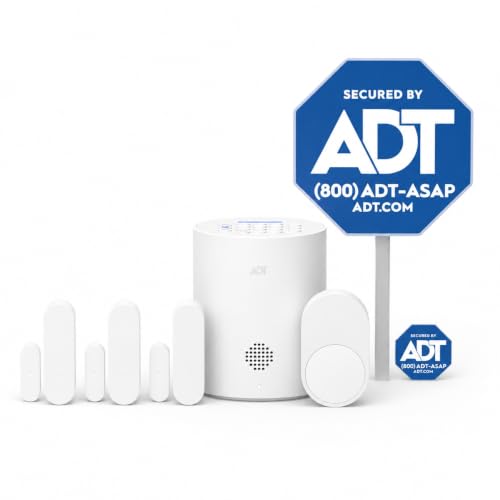
ADT Blu Home Security Starter Kit DIY Wireless Alarm
Inside Each Recommended Option
The Ring Floodlight Cam Wired Plus pairs a hardwired outdoor fixture with a compact indoor camera, giving you two eyes on a property without juggling separate apps or hubs. The floodlight unit records in 1080p HD (a resolution standard that delivers roughly two million pixels per frame, plenty for identifying faces at a typical doorway) and reacts to movement by switching on its built-in LED panels and sounding a 105dB siren, a measurement roughly comparable to a chainsaw at close range.
For someone renting a side-yard duplex or watching a detached garage, that two-camera mix covers the kind of spot most single-camera kits miss. You can fine-tune motion zones in the Ring app so a sidewalk trigger does not fill your timeline, and the wired power means no climbing up a ladder every few months to swap batteries.
A Few Highlights
- 1080p HD video on both units keeps footage clear enough for porch-level identification.
- Motion-activated LED floodlights double as a deterrent and a hands-free porch light.
- Customizable motion zones cut down on useless sidewalk and street alerts.
- Hardwired design removes the battery-swap chore from regular maintenance.
- Bundle format means one app and one account instead of juggling two ecosystems.
Things To Consider
- Hardwired installation requires basic electrical comfort or a handyman’s visit for first-timers.
- Most useful features sit behind a Ring subscription, so budget for that ongoing fee.
- The siren is loud, which is the point, but you may want to warn family members before testing.
Who It Suits Best
Homeowners with existing outdoor wiring who need both a lit driveway and an inside room on one bill.
Where Another Pick Suits Better
If four-zone wired coverage matters more than a floodlight, the REOLINK 8CH 5MP PoE system covers more ground with one recorder.
This bundle shifts the indoor camera of the first pick to a Ring Video Doorbell, so the pair watches the front of the property from two heights: the doorbell at chest level for faces and the floodlight overhead for cars and packages. The floodlight side still outputs 2000-lumen motion-activated LEDs, a lumen rating that floods a typical two-car driveway with bright white light.
Anyone taking regular package deliveries knows the front door is the busiest spot on the property. The 85dB siren is reachable from the Ring app, lower than the previous bundle’s siren, which is plenty for a porch without rattling windows indoors. For a homeowner whose main worry is the front stoop, this combination concentrates the coverage where it counts.
Where It Excels
- 2000-lumen floodlights wash a wide driveway in clear light the second motion is detected.
- Two-angle coverage on the front of the home catches both license plates and faces.
- App-controlled siren lets you react in real time without running to the switch.
- Customizable motion zones help a busy sidewalk from clogging your alert feed.
Worth Noting
- Doorbell installation may require working around existing chime wiring on older homes.
- Doorbell video resolution is lower than the floodlight cam, so distant faces can look soft.
Made For
Front-porch-heavy households managing regular deliveries and frequent visitors.
Consider Something Else When
Anyone needing inside coverage should stick with the Ring Floodlight Cam Wired Plus bundle, since this combo leaves indoor rooms out.
Where the Ring kits trade on floodlights and doorbells, the REOLINK 8-channel NVR (Network Video Recorder, the box that stores and manages footage from wired cameras) trades on coverage: four bullet cameras running on Power over Ethernet (PoE, a single cable that delivers both power and video, so no separate power adapter is needed at the camera) feed an NVR with a 2TB hard drive, enough continuous recording for weeks of footage at typical settings. The cameras capture 5MP super HD, a higher pixel count than the Ring 1080p units, which translates to sharper detail when you zoom in on a license plate.
This is the pick for the homeowner with a longer driveway, a detached workshop, or a side gate the dog walker uses. The infrared night vision extends to roughly 100 feet, a range that covers most suburban lots. You may find the wired installation heavier than a wireless starter, since each camera needs a cable run back to the recorder, but once that is in place the system runs without monthly fees.
Everyday Perks
- Eight-channel NVR supports expansion up to four additional cameras as the property grows.
- 2TB onboard storage cuts the need for a monthly cloud subscription.
- 5MP resolution preserves detail that 1080p footage loses at distance.
- PoE setup simplifies wiring since one cable handles power and video per camera.
Trade Offs
- Wiring each camera back to the NVR takes planning and likely a drill, depending on your home’s layout.
- Bulllet-style housings are more visible than compact indoor cams, which can change curb appeal.
Best Suited To
Owners of larger properties who want a permanent, multi-angle setup without a subscription.
Skip It When
A renter or first-time owner may prefer the plug-and-play ADT Blu Outdoor Camera, which sidesteps the cabling step entirely.
The ADT Blu Outdoor Camera stands out for one number: 2K video, a resolution that delivers roughly four million pixels per frame, noticeably crisper than the 1080p baseline used by most outdoor cams. That extra sharpness pays off when you need to read a street number off a hoodie at the edge of the frame or pick out the color of a car driving past.
The camera pairs with a base hub and works with smart detection that distinguishes people, pets, and packages, so your phone does not buzz every time a squirrel crosses the driveway. A built-in spotlight and night vision cover low-light hours, and the system runs on ADT’s month-to-month monitoring plans, including a Self-Protect tier for self-monitoring and a Pro-Protect tier for 24/7 professional monitoring. For someone who wants sharper outdoor footage and the option of pro monitoring later, this kit bridges the gap between a DIY cam and a full-service alarm.
The Value In It
- 2K resolution keeps faces and labels readable when you zoom into saved clips.
- Smart detection reduces false alerts by tagging people, pets, and packages separately.
- Month-to-month plans avoid locking into a long-term monitoring contract.
- 30 days of free monitoring gives time to test the system before paying.
Points To Keep In Mind
- Outdoor coverage is limited to a single camera in this listing, so larger lots need add-ons.
- Full feature access requires a paid subscription after the trial period ends.
Who Should Grab It
Owners who want sharper outdoor video plus the option to add professional monitoring later.
A Better Fit Elsewhere
The REOLINK 8CH 5MP PoE system suits anyone who needs four or more outdoor angles on day one.
The ADT Blu Starter Kit is the entry-level sibling of the previous pick, swapping the outdoor camera for a set of entry-point sensors. Inside the kit you get one base hub, three door and window sensors, one pet-friendly motion sensor, one yard sign, and four window stickers, enough to cover the main ground-floor openings in a typical small home.
For a first-time owner or someone in a smaller apartment, this kit makes sense: peel-and-stick sensors, no drilling, and the same month-to-month monitoring plans the ADT Blu ecosystem uses. The pet-friendly motion sensor avoids false alarms from a medium-sized dog or cat wandering the living room, a common complaint on basic PIR (passive infrared) sensors. You may find video coverage missing entirely, so adding a camera later is a sensible second step rather than an afterthought.
The Practical Payoff
- Three door and window sensors cover the main ground-floor entry points out of the box.
- Pet-friendly motion sensor reduces false alarms in homes with cats or small dogs.
- Wireless, peel-and-stick install means no electrician visit is required.
- Month-to-month monitoring keeps the commitment light for first-time setup.
Honest Caveats
- No camera in the box means you will need to add visual coverage separately.
- Yard sign and stickers are a visible deterrent, which works best when neighbors actually see them.
Perfect Match For
First-time owners starting with a simple, no-drill alarm before layering on cameras.
Look Elsewhere When
A household wanting cameras out of the box should jump to the Ring Floodlight Cam Wired Plus bundle instead.
Matching Your Home To The Right Setup
Start with the property, not the spec sheet. A ground-floor apartment with one entry door has different needs than a corner lot with a detached garage and a side gate. Map the doors, windows, and driveways you actually want watched, then match the kit to that footprint rather than chasing the highest pixel count on the shelf.
Wired versus wireless is the next fork. Wired PoE systems like the REOLINK 8-channel kit run a single cable per camera, which simplifies power but means planning cable paths before mounting anything. Wireless kits like the ADT Blu Starter Kit stick on with adhesive, run on batteries or a plug, and trade some reliability for installation speed. Homeowners comfortable with a drill can save monthly fees with wired storage, while renters benefit more from wireless flexibility.
Subscription costs shift the real total. Many of these kits keep their headline features free but reserve cloud recording or smart alerts for a paid tier. Factor that monthly line into your budget over a year, since two years of a cloud plan can quietly exceed the camera’s upfront cost.
Sensor and camera placement matters as much as the model. A floodlight that points at a wall wastes its lumen count, and a door sensor on a window that rarely opens does nothing for daily safety. Walk the property at night before mounting anything.
Key Considerations Across These Picks
Where Shoppers Go Wrong
The most common trap is buying a 4K camera when the Wi-Fi cannot stream it. High-resolution video demands solid upload bandwidth, especially for outdoor units far from the router. Test the signal at the planned mounting spot with your phone before committing. Another pitfall is ignoring the subscription total. A camera that costs less up front can run more over two years once cloud storage and smart-alert tiers are added.
What The Upgrade Buys You
Stepping up to the REOLINK 8-channel kit or the 2K ADT Blu camera buys sharper footage and, in REOLINK’s case, local storage that dodges monthly fees. The premium tier also tends to add smarter detection, fewer false alerts from passing cars, and weather-rated housings that hold up through harsher winters. Pay up when the camera lives in a spot that is hard to reach later, since climbing back up a ladder to swap a cheap unit gets old fast.
Frequently Asked Questions
Do I need a subscription to use these systems?
Most cameras work without a plan, but live view, smart alerts, and cloud video history usually sit behind one. The REOLINK system is the exception here, since its footage lives on the included 2TB hard drive with no recurring fee.
Can I install these myself?
The wireless ADT Blu Starter Kit and most battery-powered Ring units install without tools. The Ring Floodlight Cam Wired Plus and the REOLINK PoE system need basic wiring or cable routing, so a handyman is the safer call for first-timers.
How many cameras do I actually need?
Cover every ground-floor entry point first, then add coverage for the driveway and any detached structures. Most small properties feel covered with two to four cameras, while larger lots benefit from the eight-channel REOLINK setup.
Do these cameras work at night?
Yes. All five picks include infrared night vision or a built-in spotlight for low-light recording, with the REOLINK kit rated for roughly 100 feet of night vision range on its bullet cameras.
Will these work with smart home assistants?
Ring products integrate with Alexa for voice commands and live view on compatible displays. ADT Blu systems connect through the ADT+ app and pair with select smart home platforms, though the exact integrations vary by plan.
Wrap Up
A home surveillance system earns its keep when it fits the way you actually live: the layout, the budget, and the level of monitoring you want handed to someone else. Pick the kit that matches your property first, and the rest of the decision tends to follow. Whatever you choose, mounting it well matters more than the brand on the box.




