

Storm season has a way of exposing weak spots in any backup plan. A short-term flicker is annoying, but multi-day outages hit harder: the fridge thaws, the sump pump stalls, the internet drops, and the house gets uncomfortable fast. Picking the right standby power setup changes that equation entirely, whether you need to keep essentials humming through a hurricane or just want peace of mind during an ice storm. This list focuses on portable generators and battery power stations that handle the load when the utility company can’t, so you can stay warm, fed, and connected until the lights come back on.
An Overview Of The Picks

Westinghouse 12500 Peak Watt EFI Tri-Fuel Home Backup Portable Generator

Anker SOLIX C1000 Gen 2 Portable Power Station, 1,024Wh, 2,000W

Anker SOLIX S2000 Portable Power Station, 2,010Wh, 3,000W Peak

Westinghouse 13500 Peak Watt Dual Fuel Home Backup Portable Generator

Westinghouse 5000 Peak Watt Super Quiet Portable Inverter Generator
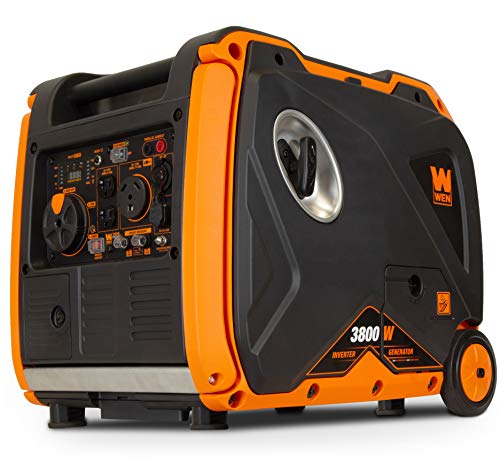
WEN Super Quiet 3800-Watt RV-Ready Portable Inverter Generator (56380i)

WEN 56475 4750-Watt Portable Generator with Electric Start and Wheel Kit

Anker SOLIX F3000 Portable Power Station, 3,072Wh, 6,000W

WEN DF1100X 11000-Watt Electric Start Portable Generator with CO Shutdown Sensor

Pulsar G12KBN Heavy Duty Portable Dual Fuel Generator
The Strengths Of Each Pick
The Westinghouse 12500 Peak Watt EFI Tri-Fuel Home Backup Portable Generator earns the top spot because it solves the one problem single-fuel units can’t: fuel flexibility when supply is uncertain. Tri-fuel means it runs on gasoline, propane (LPG), or natural gas, which gives you options during long outages when gas stations may be closed or rationed.
Compared to the Westinghouse dual-fuel models later in this list, this tri-fuel variant adds the natural gas hookup, a genuine plus for homes already plumbed for gas. The 457cc EFI (Electronic Fuel Injection) engine starts reliably in cold weather and adjusts the fuel mix automatically, which matters when you need power in a hurry. Remote electric start and transfer-switch readiness make it feel closer to a permanently installed unit than a portable.
Notable Upsides
- Tri-fuel design lets you switch between gasoline, propane, and natural gas without extra kits
- Transfer-switch ready outlets simplify whole-home wiring through a proper inlet box
- Remote electric start removes the need to step outside in bad weather to fire it up
- 457cc cast-iron-sleeved engine is built for long-term durability under load
- CARB-compliant, so it’s legal for use in all 50 states, including California
Trade-Offs
- Heavier than inverter-class units, so storage and placement need planning
- Fuel consumption on gasoline rises sharply at full load over multi-day outages
- Conventional open-frame design is louder than the Westinghouse iGen5000 covered later
Whose Shelf It Belongs On
Homeowners who want one generator that handles nearly any fuel scenario, especially those with natural gas lines already run to the house.
Look Elsewhere When
Noise-sensitive neighbors or RV-focused shoppers should consider the Westinghouse iGen5000 inverter generator instead, since it’s far quieter and easier to transport.
The Anker SOLIX C1000 Gen 2 Portable Power Station is the most grab-and-go option in this lineup. Battery-based, gas-free, and quiet enough to sit on a kitchen counter during a blackout, it covers the essentials without the exhaust fumes or noise of a combustion engine.
For apartment dwellers, condo owners with strict noise rules, or anyone prepping for short outages, this is a clean alternative to the Westinghouse tri-fuel unit above. The LiFePO4 (lithium iron phosphate) battery chemistry is rated for thousands of cycles, and HyperFlash recharging gets you back to full capacity in around 49 minutes from a wall outlet.
Where It Delivers
- Gas-free operation means safe indoor use, no fumes, no extension cord through a window
- Ultra-fast wall recharge gets you back to full in roughly 49 minutes
- 2,000W continuous output handles fridges, routers, and CPAP machines without strain
- LiFePO4 battery chemistry supports thousands of cycles for long service life
- Up to 10 output ports let you run multiple devices at once
Worth Noting
- 1,024Wh capacity runs a fridge for hours, not days, without grid or solar input
- Not powerful enough for central AC, electric stoves, or well pumps
- Solar charging requires compatible panels sold separately
Key Product Details
Made For
Apartment residents, campers, and remote workers who need silent, fume-free power for short outages or off-grid setups.
Skip It When
Homeowners who need to back up central HVAC or a full kitchen should look at the Anker SOLIX S2000 instead, since it doubles the storage capacity.
The Anker SOLIX S2000 Portable Power Station sits in the sweet spot between compact battery stations and full gas generators. With 2,010Wh of capacity, it’s the kind of unit that quietly keeps a fridge running overnight through a 12-hour blackout.
Compared to the C1000 Gen 2 earlier in this list, the S2000 nearly doubles storage and adds meaningful headroom for higher-draw appliances. The LiFePO4 cells are rated for around 10,000 charge cycles, which translates to a long service life for a household that cycles the unit seasonally. Low idle draw means less wasted energy when only a fridge and a few lights are connected.
Why It Works Well
- Extended fridge runtime cuts food spoilage during multi-hour blackouts
- LiFePO4 battery supports years of regular use without major degradation
- 3,000W peak handles motor startup from microwaves and small power tools
- UPS mode (uninterruptible power supply) keeps devices running through grid drops
Honest Caveats
- 2,010Wh is enough for essentials, not whole-home loads like central AC
- Solar input tops out below larger stations, so recharge times stretch in cloudy weather
- Battery stations like this one lose capacity gradually over years, even with light use
Right Fit For
Suburban households worried about overnight outages and food spoilage, especially in regions with frequent storm-related grid cuts.
Not Your Match When
Anyone running a central air conditioner or electric range should consider the Westinghouse WGen10500DFc dual-fuel generator, which delivers far higher sustained wattage.
The Westinghouse 13500 Peak Watt Dual Fuel Home Backup Portable Generator is the muscle pick of this roundup. With a 500cc engine and a 9.5-gallon tank, it runs for up to 19 hours on gasoline, which covers most outages without a midnight refuel.
This is the step-up from the Westinghouse tri-fuel unit reviewed above, trading natural gas compatibility for higher peak output. Owners commonly connect it to a transfer switch for whole-home circuits, so fridges, well pumps, and even some central HVAC systems stay online during long storm seasons.
Good Reasons To Consider
- Dual-fuel flexibility lets you switch between gasoline and propane on the fly
- Transfer-switch ready for direct wiring into the home’s electrical panel
- Remote electric start eliminates outdoor trips in heavy rain or snow
- Long 19-hour runtime at moderate load stretches fuel reserves
Factors To Consider
- Open-frame design runs louder than inverter units like the iGen5000
- Heavy unit, so plan for a stable placement pad and possibly a wheel kit upgrade
- Higher fuel use at full load means propane tanks deplete faster than expected
Technical Highlights
Best Suited To
Homeowners in rural or storm-prone regions with well pumps and large appliance loads who need long runtime and transfer-switch integration.
Consider Something Else When
Lightweight portability matters more than wattage. The WEN 56380i inverter covered later is far easier to lift into a truck bed.
The Westinghouse 5000 Peak Watt Super Quiet Portable Inverter Generator is the bridge between tailgate-friendly inverter units and full home backup. Its enclosed body and variable engine speed keep noise low enough to run outside a campground or a quiet suburban street without raising eyebrows.
Where the open-frame Westinghouse units above are loud workhorses, this model produces cleaner power suitable for sensitive electronics like laptops and TVs. It’s also RV-ready with a TT-30R outlet (the standard 30-amp RV receptacle), which makes it popular with travelers who don’t want to give up creature comforts off-grid.
The Upside
- Variable-speed engine cuts fuel use and noise at partial loads
- RV-ready TT-30R outlet and built-in USB ports add convenience
- Parallel-capable, meaning two units can be linked for higher output
- Remote electric start with auto choke simplifies cold morning startups
Things To Consider
- 5,000 peak watts is enough for essentials, not whole-home HVAC
- Higher cost per watt than open-frame dual-fuel models
- Wheel and handle kit required for transport, though one is included
Who Should Grab It
RVers, tailgaters, and homeowners who want quieter backup power for sensitive electronics and modest appliance loads.
Swap It Out When
You need to back up a central air system or well pump. The Pulsar G12KBN dual-fuel model later in the list handles those heavier loads.
The WEN Super Quiet 3800-Watt RV-Ready Portable Inverter Generator (model 56380i) is the budget inverter choice in this lineup. It doesn’t have the wattage of the Westinghouse open-frame models, but it runs clean power at a noise level that’s neighborhood-friendly.
For shoppers stepping into inverter generators for the first time, this is a sensible entry point. Fuel shutoff (which stops the engine when fuel is low to burn off remaining carb residue) extends engine life, and electric start removes the pull-cord struggle on cold mornings.
Notable Gains
- Lower price per watt than most inverter-class competitors
- Clean power safe for laptops, phones, and entertainment systems
- Fuel shutoff helps prevent stale fuel issues during storage
- RV-ready outlets and USB ports cover common travel needs
Softer Spots
- 3,800 peak watts won’t run central air or large electric stoves
- Smaller fuel tank than the Westinghouse dual-fuel units, so runtime is shorter
- Plastic enclosure, while quiet, can scratch during transport
Who Will Love This
First-time generator shoppers and weekend campers who want quiet, clean power without paying for premium brand markups.
Another Choice May Suit
Homeowners backing up a full house should consider the WEN DF1100X dual-fuel model further down, which delivers far higher wattage.
The WEN 56475 4750-Watt Portable Generator with Electric Start and Wheel Kit is the no-frills workhorse of this roundup. It’s been on the market long enough that parts and accessories are easy to find, which is part of its quiet appeal for tradespeople and small workshops.
Without inverter electronics, it’s louder than the WEN 56380i covered earlier, but it also costs less per running watt. The included wheel kit helps, since at this size the unit is heavy enough that dragging it across a yard isn’t realistic.
Real Benefits
- 4,750 starting watts handles most power tools and a fridge simultaneously
- Wheel kit included, no separate accessory purchase needed
- Electric start avoids pull-cord fatigue in cold weather
- CARB and EPAIII compliant for use in regulated states
Room For Improvement
- Open-frame construction produces more noise than inverter alternatives
- Conventional power output, not safe for the most sensitive electronics
- No fuel gauge on some production runs, requiring manual tank checks
Feature Snapshot
Perfect Match For
Tradespeople, small workshop owners, and homeowners who need a reliable gas generator without paying for inverter-grade quiet.
Reach For A Different Pick When
You need quiet operation for camping or HOA-restricted neighborhoods. The Westinghouse iGen5000 covered above is far better suited.
The Anker SOLIX F3000 Portable Power Station is the battery station on this list that genuinely competes with gas generators. At 3,072Wh capacity and 6,000W output, it pushes past the smaller Anker SOLIX C1000 and S2000 covered earlier and into territory where it can power actual home appliances, not just phones and laptops.
Pass-through charging (running appliances while the unit recharges from a generator or solar panels) is the standout spec here. For homeowners already leaning toward solar-plus-storage setups, this unit bridges the gap between portable and semi-permanent backup.
The Case For It
- 3,072Wh capacity rivals many home battery backups at a portable form factor
- 6,000W output supports heavier appliances like microwaves and dryers
- Pass-through charging avoids downtime during extended outages
- Ultra-low idle draw stretches AC standby time when not actively in use
- Up to 2,400W solar input for fast off-grid recharging
Worth Bearing In Mind
- Higher upfront cost than gas generators with comparable wattage
- Battery capacity slowly degrades even when the unit sits idle
- Heavier than the C1000 Gen 2, so transport takes planning
Built With In Mind
Off-grid households, solar-curious homeowners, and preppers who want a quiet, fume-free alternative to gas without sacrificing appliance coverage.
Where Another Pick Suits Better
Budget-focused shoppers prioritizing watts-per-dollar should look at the Pulsar G12KBN dual-fuel generator below, which costs less and runs on propane during fuel shortages.
The WEN DF1100X 11000-Watt Electric Start Portable Generator with CO Shutdown Sensor is the heavy-hauler for jobsites and large homes. With 11,000 peak watts, it covers most of what a 200-amp household panel can throw at it during an outage.
The built-in CO shutdown sensor is the safety feature worth highlighting. Carbon monoxide (CO) is the silent risk with any gas generator, and an automatic shutoff when CO levels climb indoors or in enclosed spaces adds a meaningful layer of protection for households that occasionally run the unit in or near a garage.
Useful Highlights
- Dual-fuel capability on gasoline or propane adds fuel redundancy
- CO sensor automatically stops the engine if dangerous gas builds up
- Electric start simplifies cold-morning startups
- Wheel kit included for moving around a jobsite or yard
Small Caveats
- Open-frame design is louder than inverter-class generators
- Fuel consumption at high load drains a propane tank faster than expected
- Large footprint requires a stable outdoor pad for placement
Quick Facts
The Right Fit
Contractors, large-home owners, and rural residents who need both jobsite power and serious whole-home backup capability.
Not Your Match When
Noise or indoor storage is a primary concern. The Anker SOLIX F3000 covered above is battery-based and far quieter for indoor-friendly use.
The Pulsar G12KBN Heavy Duty Portable Dual Fuel Generator rounds out this list as a transfer-switch-ready unit aimed squarely at homeowners who want emergency power without the inverter-class price tag. Its 12,000 peak watts on gasoline covers whole-home essentials during long outages.
Compared to the Westinghouse dual-fuel unit earlier, the Pulsar is built around a slightly different outlet layout, including a 50A outlet that supports higher-amperage transfer switches. Drop-down handles and never-flat wheels are thoughtful touches for moving a generator that weighs more than 200 pounds.
The Helpful Details
- Transfer-switch ready with multiple outlet types, including 50A
- Switchable fuel between gasoline and propane without tools
- Electric start avoids pull-cord issues in cold weather
- Drop-down handles and 10-inch wheels ease transport
Practical Considerations
- Open-frame design produces noticeably more noise than inverter units
- Heavier than some competitors, requiring firm placement
- Conventional power, not ideal for the most sensitive electronics without a separate UPS
Who It Suits Best
Homeowners with a transfer switch already installed who want dependable gas or propane backup at a reasonable cost per watt.
Where A Sibling Pick Shines
For lighter loads and quieter operation, the Westinghouse iGen5000 inverter covered earlier is the better fit, especially for RV and camping use.
What To Weigh Before Choosing Standby Power
Picking the right generator starts with honest math. Add up the running wattage of the appliances you can’t live without during an outage: fridge, freezer, sump pump, internet router, and a few lights typically land between 1,500 and 3,000 watts. Motors and compressors draw more on startup than during steady operation, so peak wattage (the brief surge during startup) matters as much as running wattage.
Fuel type is the next big call. Gasoline units offer the widest availability but require fuel rotation and storage. Propane stores indefinitely and burns cleaner but produces slightly less power per gallon. Natural gas only works if your home already has a gas line. Battery stations skip fuel logistics entirely but cap how long you can run heavy loads.
Output quality matters if you plan to power laptops, TVs, or medical devices. Inverter generators produce clean sine-wave power (smooth electrical output that mimics grid power and is safe for sensitive electronics), while conventional open-frame units produce rougher power that’s better for tools and appliances. Transfer-switch readiness is worth paying for if you want whole-home wiring rather than running extension cords.
Finally, think about placement and noise. Open-frame generators need outdoor space at least 20 feet from windows and doors. Inverter units can sit closer, and battery stations work safely indoors. HOA rules and neighbor goodwill often dictate which category makes sense.
Smart Considerations Before You Buy
Common Shopping Slip Ups
The biggest mistake is buying by peak wattage alone. Peak numbers only matter for the first few seconds of motor startup, so a generator rated at 12,000 peak watts but only 9,000 running watts may not cover a 9,500-watt appliance load. Look at running wattage first, peak second.
Another common slip is ignoring transfer-switch compatibility. Plugging a generator into a home outlet (backfeeding) is dangerous for lineworkers and your appliances. A transfer switch isolates your home’s wiring from the grid safely. Many generators on this list are transfer-switch ready, but the switch itself is usually a separate purchase.
Overlooking runtime is a quiet trap. A small fuel tank paired with high wattage means refueling every few hours through a multi-day outage. Tank size, fuel efficiency at partial load, and propane availability all matter.
What Separates Premium From Basic
Premium picks in this category earn their position through fuel flexibility, longer runtime, and safety features like CO sensors and remote start. Tri-fuel designs add natural gas as a third option, which is meaningful for homes already plumbed for it.
Better build quality shows up in cast-iron engine sleeves, thicker steel frames, and more durable wheel kits. Inverter electronics add cost but reduce noise and produce cleaner power. LiFePO4 battery stations cost more upfront but cycle thousands of times, which spreads the cost over years of service.
The honest read is that the upgrade is worth it for anyone who actually uses the generator regularly, not just stores it. For occasional short outages, a mid-tier dual-fuel unit often hits the sweet spot between capability and cost.
Frequently Asked Questions
What’s the difference between peak watts and running watts?
Peak watts measure the brief surge a generator can handle when motors start up. Running watts measure the continuous output the generator can sustain. Always size for running watts, with enough headroom for motor startup surges.
Can a portable generator power a whole house?
Yes, but only if it’s wired through a proper transfer switch and matched to your panel’s amperage. Units like the Westinghouse 13500 Peak Watt and Pulsar G12KBN are transfer-switch ready, though the switch itself is a separate professional installation.
Are battery power stations good for home backup?
They’re excellent for short outages and essential loads like fridges, routers, and medical devices. They run silent, no fumes, and work indoors. For multi-day outages with heavy appliance use, gas generators typically deliver more runtime per dollar.
How far should a generator sit from the house?
Generators should run at least 20 feet from windows, doors, and vents to keep exhaust fumes away from living spaces. Battery stations have no exhaust and can sit indoors without restriction.
What maintenance do portable generators need?
Most gas generators need oil changes every 50 to 100 hours of use, air filter checks, and fuel stabilizer if stored for more than a few months. Battery stations need almost no maintenance, just periodic top-ups to keep cells healthy during long storage.
The Takeaway
The right standby power setup depends less on specs on paper and more on what you actually need to keep running when the grid goes down. Households with central air and well pumps benefit most from high-wattage dual-fuel or tri-fuel generators. Smaller homes and apartments often do fine with a battery station covering essentials. Match the fuel type to what you can realistically store or access, and always pair a gas generator with a proper transfer switch installed by a licensed electrician. Whichever direction you go, running it through a real-world test before storm season beats discovering problems during the real thing.




