
Drafting windows that leak cold air in January or let the summer sun bake your living room is a frustrating kind of problem, because the fix rarely needs a contractor. A few well-chosen materials can soften drafts, steady room temperatures, and even cut a little street noise, all without ripping into walls. This roundup gathers seven practical picks across craft batting, layered curtains, and peel-and-stick foam tape, so you can match the right material to the right gap in your home.
Your Options, Compared
The Warm Company Warm Bright Insulated Lining 5-Pack, 36×45

RYB HOME Pink Pom Pom Curtains for Girls Bedroom Nursery

SLEEP ZONE Blackout Curtains 52×95, Blue

Kikerike Foam Weatherstrip Tape 1/2 x 1/8, 66 ft
Kikerike Foam Weatherstrip Tape 1/2 x 1/4, 42 ft

Kikerike Foam Weatherstrip Tape 1/4 x 1/8, 66 ft

Kikerike Foam Weatherstrip Tape 1/2 x 3/8, 16.5 ft
Inside Each Recommended Option
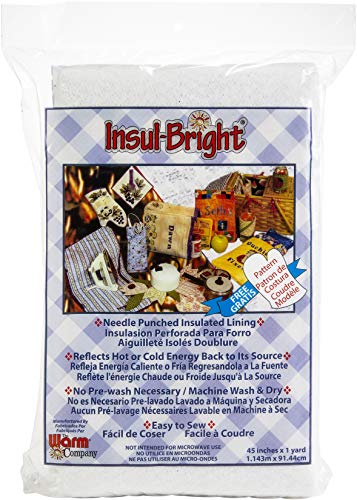
If you’ve ever picked up a flimsy potholder and felt heat creep through, the Warm Bright batting from The Warm Company is a noticeable step up. The needle-punched (fibers mechanically tangled together with needles, no glue) sheets arrive as a 5-pack of 36-by-45-inch pieces, giving home sewers plenty of material for several small projects without running short.
This batting earns its place in home insulation conversations because it handles real heat. Pot holders, oven mitts, and ironing board covers all stay cooler to the touch when built with this layer, and a kitchen-savvy sewer can stitch a lunch tote or casserole wrap that holds temperature far longer than plain cotton batting. The fiber blend reflects heat back rather than absorbing it, which is exactly the behavior you want around a stove.
Key Advantages
- Heat-reflective fiber layer keeps handles and surfaces cooler during cooking and ironing.
- Five-sheet pack covers multiple projects, so you finish a gift set without a second order.
- Needle-punched construction holds its loft wash after wash without bunching.
- Cuts easily with standard fabric scissors, no special tools required.
- Sewers report it machines smoothly, even on basic home machines.
Things To Consider
- Not a substitute for wall or attic insulation; it’s designed for sewn household goods.
- Larger projects may need two layers, since each sheet is best suited to smaller items.
Right Fit For
Home sewers building pot holders, oven mitts, lunch bags, and ironing board covers who want better heat protection than basic cotton batting offers.
Where Another Pick Suits Better
Anyone looking to block window drafts and street noise will get more practical value from the Kikerike foam weatherstripping tapes further down this list.
The RYB HOME Pom Pom curtains lean hard into charm, but they’re doing double duty as light-blocking window treatments. A sheer tulle overlay decorated with pom-poms sits over a darker backing layer, softening incoming daylight without eliminating privacy. In a nursery or little girl’s bedroom, that mix of playful texture and practical coverage is genuinely useful for nap routines.
Compared to the heavy jacquard panels you’ll see later in this list, these trade raw thermal weight for style. The thinner construction still muffles some outside light and adds a soft insulating layer against a single-pane window, but they’re best thought of as a room-darkening decorative curtain rather than a thermal workhorse. Parents trying to keep a toddler’s room dim during afternoon nap should find the layered build plenty for that job.
A Favorable Mix
- Layered tulle-over-blackout construction cuts midday glare without making the room feel closed in.
- Decorative pom-pom trim doubles as wall art, so no separate window valance is needed.
- Softens acoustics slightly, helpful in echo-prone nurseries with hard floors.
Points To Note
- Lightweight fabric delivers modest thermal gain; cold-climate homes may still feel window chill.
- Pom-pom trim can snag on curious pet claws, so households with cats may want to keep panels tied back.
Built With In Mind
Parents decorating a nursery, toddler room, or young girl’s bedroom who want a decorative panel that softens light without turning the room cave-dark.
A Better Fit Elsewhere
Homeowners focused on serious heat blocking for a primary bedroom or media room will find the SLEEP ZONE blackout curtains a more thermal, sleep-focused match.
The SLEEP ZONE blackout panels pull double duty as both a sleep aid and a thermal layer. At 360 GSM (grams per square meter, a measure of fabric density), the jacquard weave feels substantial in the hand, and the 52-by-95-inch panels drop cleanly from a standard rod to cover most floor-to-ceiling windows without the awkward “light leak” gap at the bottom.
Where these really earn their place is on south- and west-facing windows that roast a living room in summer afternoons. The dense weave and thermal-insulated backing help deflect solar heat before it warms the room, and the same layer keeps warmth inside on cold nights. Bedroom dwellers chasing deeper sleep benefit equally: the room goes darker, the temperature stays steadier, and the AC or heater cycles less often.
What Helps Most
- Heavy 360 GSM jacquard blocks incoming light effectively for shift workers and late sleepers.
- Thermal backing reduces summer heat gain and winter heat loss through glass.
- Long 95-inch drop fits taller windows without leaving a daylight strip at the floor.
- Wide 52-inch panels let a single panel cover most standard double-hung windows.
Worth Noting
- Heavy fabric requires a sturdy curtain rod and strong brackets, especially on wider windows.
- Solid blue tone limits style flexibility; layered sheers may be needed for softening the look.
The Right Fit
Anyone trying to darken a bedroom, nursery, or media room for better sleep and steadier room temperature year-round.
Swap It Out When
A child’s room that needs something more playful belongs with the RYB HOME pom-pom curtains, which trade density for decorative charm.
The thinnest of the Kikerike foam tapes, this 1/2-by-1/8-inch strip is built for gaps that don’t need much filler. You get 66 feet across two rolls, which is more than enough to seal every interior door and a handful of window frames in a typical home. The closed-cell foam (a dense foam that doesn’t absorb water) compresses easily, springs back when released, and lays flat along narrow stops.
Older homes with slightly warped wooden doors benefit especially. Instead of admitting that nagging winter draft, you press the adhesive side along the door stop, trim with scissors, and close the door on a clean seal. It also helps with noise: a tight foam seal along a bedroom door noticeably dulls hallway sound.
What Earns Its Place
- Slim 1/8-inch profile fits tight stops without forcing doors or windows out of alignment.
- Two-roll 66-foot length covers a whole-home sealing project in a single purchase.
- High-density foam recovers its shape after repeated door slams, so the seal stays tight.
- Cuts cleanly with household scissors; no specialty blade required.
Trade Offs
- Thin profile won’t fill wider gaps; for visible daylight around a door, consider the thicker 3/8-inch tape.
- Adhesive backing may struggle on dusty frames; wiping the surface first tends to improve grip.
Feature Snapshot
Made For
Homeowners sealing narrow gaps around interior doors and sliding windows where a slimmer foam strip is enough to block drafts.
Look Elsewhere When
Anyone battling wide, daylight-visible gaps under an exterior door will want the Kikerike Foam Weatherstrip Tape 1/2 x 3/8 instead, which fills far more space.
This mid-range Kikerike tape sits between the thin and thick options, and that middle-ground sizing is exactly why it works for so many everyday doors. At 1/2-inch wide and 1/4-inch thick, the closed-cell foam fills average gaps between a standard door and its stop without being so thick that closing the door becomes a wrestling match.
For someone sealing multiple rooms in one afternoon, the 42-foot total across two rolls is a manageable amount. It’s enough to do every exterior door of a small house or a couple of large windows, and any leftover rolls store flat in a drawer for the next drafty season. The grid-pattern adhesive backing spreads pressure evenly, which owners often credit with the seal staying put through a full winter.
What Makes Sense
- Versatile 1/4-inch thickness fits most standard residential doors and window frames.
- Two-roll pack makes it easy to split between rooms or keep a spare for later.
- Closed-cell foam resists moisture, so bathroom and kitchen frames hold up over time.
- Cuts to length with scissors, no tools or special skills needed.
Honest Caveats
- Won’t fill oversized gaps where you can already see daylight under a door.
- Adhesive may peel in high-humidity spots like saunas or unvented bathrooms.
Best Suited To
DIYers sealing a typical front, back, or bedroom door where the gap is small but persistent enough to feel a draft on a cold day.
Reach For A Different Pick When
Older homes with visibly warped doors and wider gaps benefit more from the Kikerike 1/2-by-3/8-inch heavy-duty tape, which fills the space this one can’t.
When the gap is genuinely narrow and the wider 1/2-inch tape looks like overkill, this 1/4-inch-wide version steps in. Think sliding closet doors, cabinet faces, or vintage window channels where the original felt weatherstrip has long since flattened. Two rolls give you 66 feet, which is plenty to slip around tight frames without bunching or sticking out past the edge.
Where this earns a real win is in spaces that the wider tape can’t physically fit. If your kitchen drawer faces have shifted slightly or your storm door seal has thinned, the 1/4-inch profile slips into channels the 1/2-inch tape would never enter. You sacrifice fill depth, but in tight tracks that’s the right trade.
Useful Strengths
- Narrow 1/4-inch width reaches channels and tracks where wider tape can’t go.
- Same closed-cell foam as the wider options, so seal quality stays consistent.
- Generous length handles multiple small sealing jobs in one purchase.
Minor Gripes
- Light coverage area means slower progress on long door perimeters.
- Thin profile not suited to wide, warped door bottoms where you’d need the 3/8-inch tape.
Who Will Love This
Apartment dwellers and renters patching up narrow tracks on closet doors, cabinet faces, and sliding windows where bigger strips won’t physically fit.
Skip It When
Anyone sealing a standard exterior door frame will be better served by the Kikerike 1/2-by-1/4-inch tape, which covers more surface and fills a wider gap.
The thickest of the Kikerike lineup, this 3/8-inch foam tape is built for the gaps that defeat every thinner option. Old front doors, garage entry doors, and basement hatches with visible daylight around the perimeter are where this strip earns its keep. The single 16.5-foot roll is shorter, but that’s the point: you buy this when you have one big problem to solve.
On a drafty 1920s bungalow front door, for example, this foam compresses enough to fully fill a bowed gap while still letting the door latch cleanly. You’ll feel the difference the first cold morning, and you’ll hear less street noise through the now-sealed frame.
The Helpful Details
- Thick 3/8-inch foam fills large, visible gaps that thinner tapes leave open.
- Heavy-duty compression recovery holds its shape after repeated door slams.
- Same grid adhesive backing as the rest of the lineup, so application feels familiar.
- Also dampens noise transfer, useful on busy streets.
Soft Spots
- Single 16.5-foot roll covers one large door; plan ahead if sealing multiple entry points.
- Thick profile may make older, sticky doors harder to close until the foam settles.
Who Should Grab It
Homeowners with noticeably drafty exterior doors, garage entries, or basement hatches where thinner foam strips simply won’t fill the gap.
Consider Something Else When
Anyone sealing a modern, well-aligned door doesn’t need this much thickness and would be better served by the lighter Kikerike 1/2-by-1/8 or 1/2-by-1/4 tape.
What Matters Most Before Choosing Home Insulations
Different gaps in a house call for different materials, so identifying the problem shapes the choice. A drafty window frame, a hot south-facing curtain wall, and a chilly kitchen doorway each respond to a different kind of insulation.
Material That Fits The Gap
Foam tape is your tool for moving parts (doors and windows that open and close), while fabric layers like batting and curtains handle stationary surfaces. Matching the material to the location is half the battle. Sliding closet doors want a narrow strip; a curtain panel wants dense fabric behind it.
R-Value And Real-World Impact
R-value measures how well a material resists heat flow, with higher numbers meaning better insulation. Thermal curtains and batting can noticeably stabilize a room’s temperature over a season. For window and door drafts, foam tape won’t move your energy bill dramatically, but it stops the cold-air leaks that make a room feel uncomfortable in real time.
Ease Of Installation
Peel-and-stick foam tape needs no special tools, which suits renters and first-time DIYers. Sewn insulation batting calls for a sewing machine, basic fabric skills, and a few hours of project time. Curtains are the simplest of all, just a rod and a few minutes of hanging, but they require the right rod strength for the panel weight.
Room Use And Aesthetics
A nursery, a media room, and a workshop each call for different priorities. Where sleep and light control dominate, dense blackout curtains pull ahead. Where the goal is purely functional sealing, foam tape does the job quietly and invisibly. For crafters, batting is the most rewarding since the finished potholders and totes become useful around the house.
Key Considerations Across These Picks
Pitfalls Shoppers Hit
The most common miss is reaching for the wrong tape thickness. People often buy the thinnest foam strip and wonder why a bowed door still whistles, or grab the thickest and struggle to close the door at all. Measure the gap before ordering. Another slip is overlooking the curtain rod: heavy blackout panels can pull a lightweight rod out of the wall, so check the brackets and anchors first.
The Case For Spending Up
Higher-density blackout curtains and thicker foam tapes typically last longer and seal better. A cheap foam strip may flatten after one season and need replacement, while a dense closed-cell foam tends to recover its shape for years. For curtains, a heavier GSM fabric blocks more light and insulates more reliably. Spending a little more upfront tends to mean fewer replacements down the road.
Frequently Asked Questions
How do I know which foam tape thickness I need?
Measure the gap with a ruler or a folded piece of paper, then pick a foam thickness that fills it without forcing the door or window closed. Anything over about 1/4 inch typically needs the 3/8-inch tape.
Can these curtains actually insulate a room?
Thermal and blackout curtains add a meaningful insulating layer over windows, especially single-pane glass, but they work alongside other insulation, not as a complete replacement.
Is insulated batting safe for kitchen items?
Yes. The Warm Bright batting is designed to handle heat from pots and pans, but always pair it with a cotton outer layer so the batting isn’t in direct contact with open flames or heating elements.
Will foam tape damage my door frame?
Most pressure-sensitive foam tapes remove cleanly when peeled slowly, but test a small corner first on painted or finished wood. Older finishes may lift, so a hair dryer on low helps soften the adhesive before pulling.
Where should I start if I only have a weekend?
Begin with the most felt drafts, usually exterior doors and bedroom windows, and add foam tape and one set of thermal curtains. That small project tends to deliver the biggest comfort gain for the least effort.
Closing Remarks
Pick the layer that matches the gap: foam tape for moving parts, dense curtains for windows, and batting for sewn household projects. You don’t need to tackle the whole house at once. Even sealing one drafty door and hanging one set of thermal panels makes a noticeable difference in how a room feels, and that’s a solid place to start.