

When summer heat pushes past 100°F for weeks on end, the right insulation makes a real difference in how a home actually feels. Reflective barriers, foil bubble layers, and aluminum window shields work by bouncing radiant heat away before it soaks into your living space. This list rounds up ten well-known options that homeowners reach for when attic temperatures, sun-facing walls, and bare window glass become the main sources of indoor heat. You’ll find heavy-duty rolls for full attic coverage, smaller DIY-friendly sheets for weekend projects, and a few car-focused deadening mats that pull double duty on heat. Skip past the table below to read each pick in depth.
The Shortlist At A Glance

Reflectix BP24025 24-Inch by 25-Feet Bubble Pack Insulation
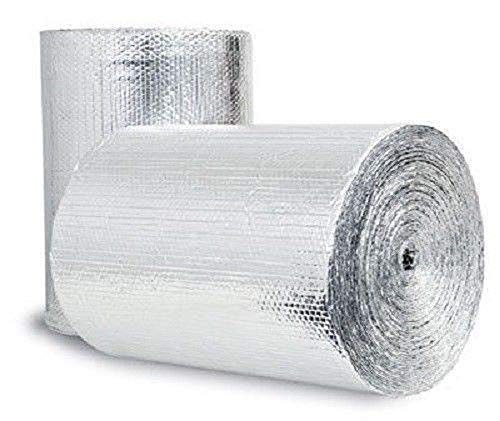
US Energy Products Double Sided Reflective Heat Radiant Barrier (24″ x 100′)

Butyl Sound Deadening 80mil 36sqft Mat (33 pcs)

Butyl Sound Deadening 50mil 50sqft Mat (46 pcs)

fowong Reflective Insulation Roll 23.6″ x 10ft
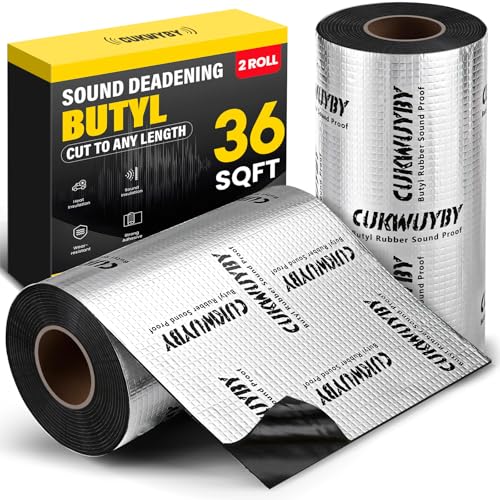
Butyl Sound Deadening 36 sqft Noise & Heat Insulation

fowong Reflective Window Insulation Roll 48″ x 10ft

Butyl Sound Deadening 80mil 10sqft Mat (9 pcs)
fowong Reflective Window Insulation Roll 36″ x 10ft

Butyl Sound Deadening 18 sqft Noise & Heat Insulation
A Breakdown Of The Leading Choices
A 24-inch-wide reflective roll that bends easily around attic joists, crawl space framing, and garage rafters tends to be the roll most homeowners reach for first. The Reflectix BP24025 cuts with scissors and lays flat without springing back, which matters when you’re working alone on a ladder in a hot attic. Because the layers combine foil with internal bubble core, you get some dead air space plus a reflective face to bounce radiant heat back out.
Homeowners tackling a weekend garage conversion or workshop ceiling often find this size manageable. It covers a focused area without forcing you to wrestle an oversized roll across a ladder. Reflective insulation does not replace traditional mass insulation, but it shines as a supplementary layer in hot climates.
Practical Pluses
- Lightweight construction reduces fatigue during overhead installs
- 24-inch width fits standard stud and joist spacing for quick stapling
- Multi-surface versatility works on walls, attics, and post-frame buildings
- Flexible roll conforms to uneven framing without tearing
Things To Consider
- Reflective performance drops sharply if dust accumulates on the foil face
- Staples or foil tape are usually needed since the surface is non-adhesive
Feature Snapshot
Who It Suits Best
DIYers tackling a garage, workshop, or small attic section in a hot region who want a manageable starter roll.
Consider Something Else When
Homeowners covering a full attic should look at the US Energy Products Double Sided Reflective Heat Radiant Barrier instead, since its 100-foot length matches larger projects.
A 100-foot roll of double-sided reflective foil makes sense the moment your project stretches beyond a single room. The US Energy Products barrier uses two outer foil faces with internal poly and air pockets, which means it reflects radiant heat from either direction. That double-sided quality pays off when you staple it under rafters, since both the attic side and the interior side bounce energy back.
Whole-house attic coverage in the Sun Belt is the natural fit, especially in homes where the air handler lives in the attic and adds to the heat load. The roll format also works on garage walls, HVAC plenums, and water heater closets.
Benefits That Matter
- 100-foot length covers most attics without a second purchase
- Double-sided reflectivity works regardless of which face faces the heat source
- Multi-use across walls, ducts, and HVAC enclosures
- 1/4-inch thickness adds a modest air gap without eating cavity space
Worth Noting
- Working with a full 100-foot roll often takes two people to keep it flat
- Foil tears if snagged on a protruding nail or staple
- Best laid perpendicular to joists, which means more cuts
Right Fit For
Homeowners in the Sun Belt covering an entire attic floor or large garage wall in a single weekend project.
Look Elsewhere When
Anyone working on a single window or small patch should consider the fowong Reflective Insulation Roll, since its 10-foot length is easier to handle.
Automotive deadening mats are an unusual but useful entry on a home insulation list, and the 80mil Butyl mat earns its spot because heat travels into parked vehicles the same way it crosses an attic floor. The 33 pre-cut pieces cover doors, trunks, and floor pans, and the 80mil thickness (about 2mm) gives the butyl layer enough mass to absorb vibrations while the aluminum scrim reflects engine heat.
Drivers in Phoenix, Vegas, or anywhere summer cabin temperatures top 140°F appreciate how much cooler the cabin feels after a panel-by-panel install. The peel-and-stick backing also makes this a single-day project with basic hand tools.
Positive Points
- 2mm thickness adds real mass without weighing the vehicle down
- Pre-cut sheet format speeds installation across multiple panels
- Aluminum layer reflects engine bay heat away from the cabin
- Butyl rubber dampens road vibrations alongside thermal control
- Strong adhesive backing sticks permanently once pressed in place
Trade Offs
- Surface must be thoroughly cleaned before application or adhesion suffers
- 36 sqft may fall short for full floor coverage on large SUVs
Feature Rundown
Best Suited To
Drivers in hot regions parking outdoors who want quieter cabins and cooler interior panels.
A Better Fit Elsewhere
Anyone planning a whole-cabin floor treatment should consider the Butyl Sound Deadening 50mil 50sqft Mat, which offers more coverage at a thinner gauge.
A thinner 50mil (1.33mm) profile with 46 pre-cut pieces opens up more coverage area per package, which is why this version suits full-cabin floor projects rather than spot treatments. The aluminum scrim still handles the radiant heat side, while the butyl layer stays flexible enough to wrap into wheel wells and contoured floor pans.
Compared to the 80mil sibling, you trade a bit of mass for the ability to cover a whole sedan interior in a single purchase. Weekend installers typically knock out a full floor plus trunk in one session.
The Good Stuff
- 50 sqft handles full floor plus trunk on most sedans
- Thinner 1.33mm profile conforms to curved floor pans
- 46-piece format reduces seams and gaps in coverage
- Same peel-and-stick simplicity as thicker variants
Some Limits To Know
- Less mass means slightly less vibration damping than the 80mil version
- Sheets need careful alignment since thinner material shows wrinkles more
Feature Card
Perfect Match For
Sedan and coupe owners planning a full-floor heat and noise project over a single weekend.
Another Choice May Suit
Drivers focused on door skins and trunk lids rather than floor pans should consider the 80mil 36sqft Mat for heavier damping per panel.
A narrow 23.6-inch roll fits the kind of windows most older homes actually have, without forcing you to slice a wider roll into awkward strips. The fowong reflective sheet uses an aluminum face over a bubble core that cuts cleanly with household scissors and mounts with hook-and-loop tape for seasonal removal.
Renters and apartment dwellers find this size especially workable because it goes up without tools and comes down without damaging trim. The trade-off is total coverage: ten linear feet handles two or three windows.
A Few Highlights
- 10-foot length is portable and easy to store between seasons
- Narrow width matches small casement windows without trimming
- Hook-and-loop mounting avoids permanent adhesive on trim
- Scissors-cuttable for custom shapes around unusual frames
Points To Keep In Mind
- 10-foot length runs short on whole-home window projects
- Aluminum face dents if pressed too hard during installation
Quick Facts
Who Will Love This
Renters and apartment residents who need a no-damage, removable window heat shield.
Reach For A Different Pick When
Homeowners covering large picture windows should grab the fowong Reflective Window Insulation Roll 48″ instead, since wider panes eat through this roll fast.
Roll-format butyl deadening appeals to installers who want fewer seams across large metal panels. The 36 sqft Butyl mat from CUKWUYBY comes on a continuous roll rather than pre-cut sheets, which makes it faster to lay across full door skins, roof panels, and trunk floors without the visible tile pattern of smaller pieces.
For vehicles that bake in summer sun, the composite pairs an aluminum reflective face with a butyl core that both damps vibrations and limits heat transfer through sheet metal. The result is a noticeable drop in cabin temperature on long highway drives.
Where It Excels
- Continuous roll reduces seams across wide door and floor panels
- Composite blocks engine heat and external road noise together
- Fits tightly to curved metal surfaces when pressed by hand
- Suitable for doors, roofs, floors, and trunk lids in one product
A Few Limitations
- Roll format demands more measuring and cutting than pre-cut sheets
- Heavy-gauge material may require a utility knife rather than scissors
Built With In Mind
DIY installers handling large vehicle panels who want fewer seams and faster coverage.
Skip It When
Anyone working on smaller spot jobs should pick the Butyl Sound Deadening 18 sqft instead, since a smaller package avoids waste on tight projects.
A 48-inch-wide roll answers the most common complaint about narrow reflective sheets: too many seams. The fowong wide roll matches standard picture windows and sliding glass doors in one pass, which means fewer overlaps and a cleaner reflective surface across the whole pane.
Sun-facing living rooms with floor-to-ceiling glass benefit most, especially in west- or south-exposure walls. The same aluminum-bubble construction handles both summer heat and modest winter cold, depending on which side faces the living space.
Points In Its Favor
- 48-inch width matches picture windows without piecing strips together
- Single-pass coverage reduces seams and potential light gaps
- Aluminum face reflects the harshest sun exposure back outward
- Same scissors-cuttable construction as narrower rolls
- Reusable if removed carefully between seasons
Honest Caveats
- Wide roll is harder to maneuver solo on tall windows
- Storage requires more closet space between seasons
- Reflective surface shows fingerprints during install
Whose Shelf It Belongs On
Homeowners with one or two oversized sun-facing windows who want seamless coverage without splicing strips.
Swap It Out When
Anyone with several small casement windows should grab the fowong Reflective Insulation Roll 23.6″ to avoid waste trimming a wide roll down.
Smaller projects don’t need a 36 sqft pack, and the 9-piece 80mil starter handles focused jobs like a single door skin, a noisy wheel well, or a hot-spot trunk lid. The 80mil thickness still gives meaningful mass for vibration damping, while the aluminum layer blocks heat transfer through thin sheet metal.
First-time installers and renters who want to test the process before committing to a full vehicle treatment often start here. If the result looks promising, you can scale up to the larger 36 sqft version later.
Everyday Wins
- 10 sqft size avoids waste on small door or trunk projects
- 80mil thickness matches heavier damping performance of larger packs
- Compact packaging fits in a single shopping bag
- Same peel-and-stick simplicity as bigger siblings
Things To Weigh Up
- Limited coverage won’t handle a full sedan floor
- Per-square-foot cost runs higher than bulk packs
Who Should Grab It
First-time installers testing the process on a single door panel before committing to a larger pack.
Where A Sibling Pick Shines
Anyone planning full-vehicle coverage should reach for the Butyl Sound Deadening 50mil 50sqft Mat, which fits whole-floor projects in one package.
The 36-inch width lands in the practical middle ground for the average American window. Most double-hung and sliding windows fall in the 28- to 36-inch range, which means this fowong roll typically matches with one cut and minimal trimming. The same aluminum-over-bubble construction reflects solar gain before it crosses the glass.
Older homes with original wood-frame windows especially benefit, since single-pane glass is where radiant heat transfer hits hardest. Mounting uses hook-and-loop tape for seasonal removal without damage.
Useful Strengths
- 36-inch width matches most double-hung windows in one cut
- Aluminum face blocks direct solar gain through single-pane glass
- Hook-and-loop mounting removes cleanly at end of season
- Scissors-cuttable without specialty tools
Practical Considerations
- 10-foot length handles roughly three standard windows
- Aluminum crinkles audibly if bumped once mounted
The Right Fit
Homeowners with standard double-hung windows in a 1950s or earlier home that still has single-pane glass.
Not Your Match When
Anyone covering oversized picture windows should pick the fowong Reflective Window Insulation Roll 48″ instead for fewer seams.
An 18 sqft pack covers a single door pair or trunk lid without forcing a larger investment. The CUKWUYBY butyl mat brings the same aluminum-and-butyl composite that the bigger packs use, just in a more approachable footprint for a first install or a small focused repair.
Drivers who want to test one door before committing to a full cabin treatment typically start here, since you can compare temperature and noise between treated and untreated panels directly.
Useful Highlights
- 18 sqft handles a two-door sedan treatment or a trunk lid
- Compact package stores easily in a garage shelf
- Same butyl and aluminum composite as larger packs
- Useful for testing before a larger purchase
Small Caveats
- Limited size means it won’t cover a full SUV cabin
- Per-piece cost runs higher than the 50mil 50sqft version
Made For
First-timers treating one door pair or trunk lid to gauge results before scaling up.
Consider Something Else When
Anyone covering multiple panels in one session should grab the Butyl Sound Deadening 36 sqft, which delivers more coverage for slightly more spend.
What Really Matters When Choosing Insulation For A Hot Climate
Radiant heat accounts for a large share of summer cooling loads, especially in attics and through west-facing windows. The picks above split into two families: reflective foil for homes, and butyl-aluminum mats for vehicles. Both work by bouncing radiant energy back toward its source rather than absorbing it into mass.
Reflective barriers shine when you have an air gap between the foil and the heat source. A bare roll laid flat against a roof deck loses much of its edge, while a roll stapled under rafters with a 1- to 2-inch air space performs noticeably better. Window rolls work best when mounted with a small standoff from the glass so convection can carry heat away behind the foil.
Butyl mats earn their place on vehicles because sheet metal conducts heat fast, and a reflective-aluminum face bonded to a vibration-damping butyl core blocks both problems in one layer. Garage doors and metal outbuildings benefit from the same logic, though most of these products are sized for car panels.
Thickness and coverage matter more than most people expect. A 50mil mat handles most sedan floors, while a thinner residential roll at 1/4 inch still bounces a meaningful share of attic heat. Measure your project before ordering, and add 10 to 15 percent for overlaps, cuts, and mistakes on a first install.
Key Considerations Across These Picks
Traps First Timers Fall Into
One common slip is treating reflective insulation like mass insulation. Foil works by reflection, not by trapping still air, so pressing it flat against the hot surface robs it of most of its value. Always leave an air gap on the heat-source side. Another mistake is buying the widest roll and trimming it down, since aluminum creases once bent and the creases actually leak radiant energy through the gaps.
What The Higher Tier Buys
The heavier residential rolls and the 80mil butyl mats cost more per square foot, but you get noticeably thicker aluminum faces, stronger adhesive backing, and coverage that handles full rooms or full cabins in a single purchase. For most DIYers in hot climates, the upgrade pays off when the project is large enough that the labor savings outweigh the higher material spend. Smaller projects still favor the lighter, narrower options.
Frequently Asked Questions
Do reflective insulations actually lower indoor temperatures? Yes, when installed with a proper air gap. Reflective foil bounces radiant heat back toward its source, which can shave several degrees off attic and interior temperatures in hot, sunny climates.
Can reflective window insulation go on double-pane glass? Yes. Double-pane glass already blocks some radiant transfer, but the foil still helps reduce solar gain through west- and south-facing windows where direct afternoon sun hits hardest.
Is butyl deadening safe for vehicle interiors? Butyl rubber is widely used in automotive applications. As with any adhesive product, proper surface prep and ventilation during install keep the process straightforward.
Do these products replace traditional fiberglass or foam insulation? No. Reflective barriers work best alongside traditional mass insulation, layering on top of existing batts to reduce radiant heat transfer in attics and walls.
How long does reflective insulation last? Properly installed foil products commonly last for decades when protected from physical damage and excessive dust buildup on the reflective face.
Wrap Up
Heat management in a hot climate doesn’t require one magic product. It comes from layering reflective barriers in the right spots: attic floors, sun-facing walls, and bright windows for the home, plus door panels and floor pans for the vehicle. Match each roll or mat to the size of your project, leave an air gap wherever foil faces a heat source, and start with the worst-performing room or panel to see whether the upgrade is worth scaling up across the rest of your home.




