

Choosing a home gas water heater means sorting through real trade-offs. A family of five running two showers at once has different needs than a couple in a small condo, and an RV owner thinking about anode rod replacement faces a different category altogether. The list below mixes whole-home tankless units, compact point-of-use mini-tanks, and a few accessories that come up often in the gas water heater conversation. Each pick earns its spot for a specific reason, from raw flow rate to indoor-friendly venting, so you can match the heater to the household instead of forcing the household to adapt.
A Side-By-Side Look

Eleventree 2 Pack RV Water Heater Anode Rods Magnesium

Condensate Neutralizer Kit
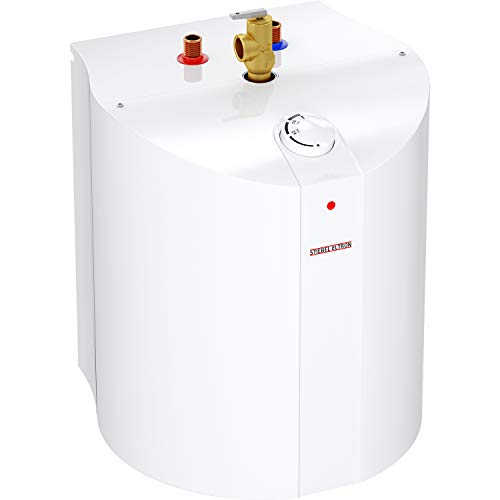
Stiebel Eltron SHC 6 Mini-Tank Electric Water Heater 6 Gallon
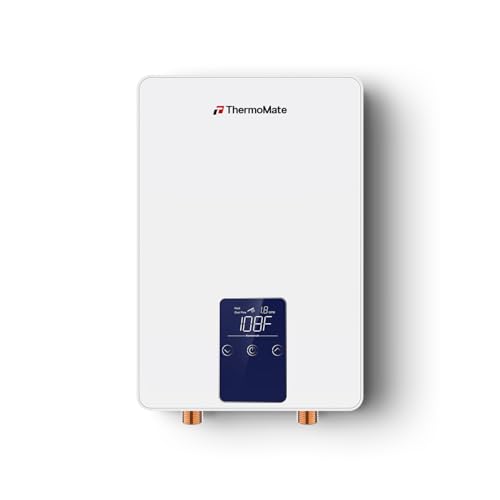
ThermoMate 6kW Tankless Electric Water Heater ETL Listed

ThermoMate CZ422LP Propane Tankless Water Heater Indoor 5 GPM
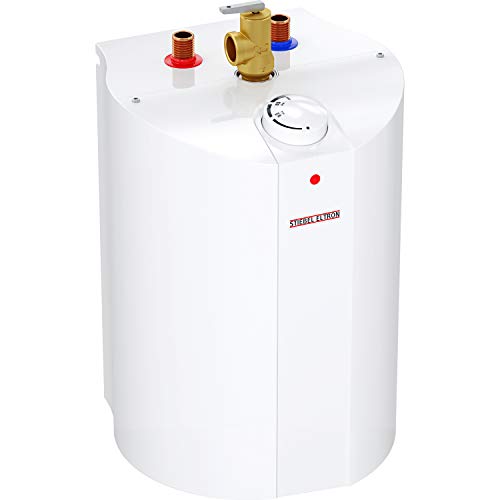
Stiebel Eltron 233219 SHC 2.5 Mini-Tank Electric Water Heater
ThermoMate CZ422NG Natural Gas Tankless Water Heater Indoor 5 GPM
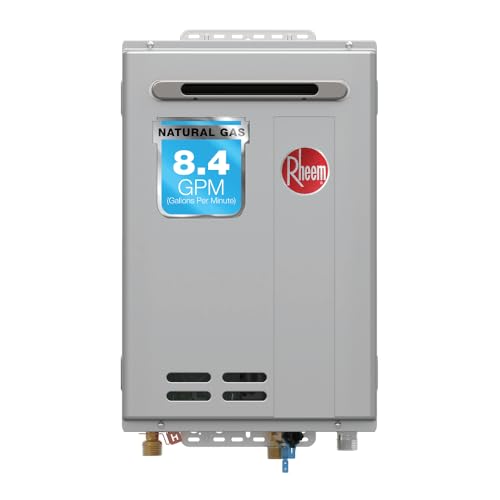
Rheem RTG Series 8.4 GPM Outdoor Natural Gas Tankless Water Heater

FOGATTI Propane Tankless Water Heater Indoor 7.5 GPM CSA Certified
Taking A Closer Look At The Options
Anode rods live a quiet life inside a water heater tank, slowly sacrificing themselves so the steel tank does not. The Eleventree 2 Pack is built for Suburban and Mor-Flo RV hot water tanks, with 3/4″ NPT threads and a magnesium composition that actively attracts corrosive elements in the water. Because magnesium corrodes faster than aluminum, it tends to wear down more aggressively, which is exactly the point: the rod degrades so the tank wall does not.
For anyone storing an RV over winter or running hard water through the heater, swapping in a fresh rod every year or two is one of the cheapest insurance policies in the category. A spare in the bag means you are not stuck mid-trip with a corroded tank. Compared with the tankless units further down this list, this is a part, not a whole appliance, so it earns its spot for owners who already have the heater and want it to last.
The Case For It
- Magnesium material actively draws corrosion away from tank walls
- Direct replacement match for Suburban part 232767 and Mor-Flo tanks
- Two-pack format keeps a spare rod on hand for the next service interval
- 9.25″ length fits common RV water heater dimensions without modification
Worth Noting
- Magnesium rods deplete more quickly than aluminum, so expect more frequent replacements in aggressive water
- Draining the RV water heater and breaking the anode seal can be stubborn if the rod has fused over time
- Only useful if your RV or cabin already runs a Suburban or Mor-Flo tank-style heater
Best Suited To
RV owners and cabin dwellers with Suburban or Mor-Flo tank heaters who do seasonal water heater maintenance and want a budget-friendly way to extend tank life.
Skip It When
The Stiebel Eltron SHC 6 Mini-Tank fits your setup better, since you need a small electric point-of-use heater rather than a corrosion-protection part.
Condensing gas water heaters are efficient, but they produce acidic condensate as a byproduct of combustion. A condensate neutralizer kit routes that liquid through a media bed that raises the pH before it reaches a floor drain or sewer line, which protects plumbing and often satisfies local code. This particular kit is associated with Rinnai-style condensing tankless installations, where the manufacturer notes these units can last around two decades.
The practical value here is plumbing protection and code compliance rather than comfort. Anyone installing a high-efficiency condensing unit indoors should consider whether the local jurisdiction requires neutralization. Compared with the anode rod in Pick 1, this sits at the other end of the gas water heater conversation: it is about what comes out of the heater, not what protects the inside of one.
What It Does Well
- Neutralizes acidic condensate to protect drain lines and septic components
- Supports code compliance for condensing tankless installs in many jurisdictions
- Compact footprint fits near the heater or along the drain run
Points To Note
- Neutralization media needs periodic replacement, depending on household usage
- Only relevant if you actually run a condensing gas tankless unit; a standard non-condensing install does not need it
- Drain routing and access for media changes should be planned before installation
Right Fit For
Homeowners installing a high-efficiency condensing tankless gas unit in an area where acidic condensate must be neutralized before reaching the drain.
A Better Fit Elsewhere
The ThermoMate CZ422NG Natural Gas Tankless Water Heater makes more sense for a household that wants the actual heater rather than an accessory for one.
The Stiebel Eltron SHC 6 is the bigger sibling in the SHC mini-tank family, holding six gallons and heating with a 1300W element on a standard 120V circuit. It tucks under a counter or mounts on a wall bracket, and it quietly solves the “why does my sink run cold for a full minute” problem at a single fixture. For a back-of-house hand sink in a restaurant, a workshop utility sink, or a garage wet bar, that six-gallon buffer is the difference between waiting and washing.
The category note worth flagging: a “gas water heaters” roundup that includes electric mini-tanks is doing so because most homes also need point-of-use support. Many whole-home gas systems still benefit from a small electric buffer at the farthest faucet. Compared with the 2.5-gallon SHC further down, this one trades a slightly larger footprint for noticeably more stored hot water, which matters when you actually fill a bucket.
Why It Works Well
- Plugs into a standard 120V outlet, no special wiring required
- Six-gallon capacity covers a sink’s worth of warm water without long waits
- Glass-lined tank and a temperature-and-pressure valve for safer operation
- Versatile enough for residential, commercial, or light industrial point-of-use setups
Trade Offs
- Recovers at 1300W, so back-to-back heavy draws will outpace reheating
- Six gallons is a chunk of under-sink space, so measure the cabinet first
- Electric-only; not a substitute for a whole-home gas system
Feature Snapshot
Whose Shelf It Belongs On
Workshop owners, food-truck operators, and homeowners with a garage sink who want hot water fast without retrofitting a full gas line.
Reach For A Different Pick When
The ThermoMate 6kW Tankless Electric Water Heater suits you better, since you want endless on-demand heat at the sink rather than a stored six-gallon buffer.
ThermoMate’s 6kW point-of-use tankless is a different philosophy than the SHC 6 above. Instead of storing six gallons and reheating, it heats water as it flows, drawing 25 amps on a 240V circuit and delivering roughly 1.0 GPM at a 35°F temperature rise. In plain terms, that is enough for a steady hand-sink stream at comfortable warmth, but it will not run two fixtures at once. The temperature range tops out around 131°F, and self-modulating power adjusts the draw to whatever the faucet is asking for.
This unit shines in retrofits: an older home without a recirculation loop, an accessory dwelling unit, or a basement bar sink that was never given its own heater line. Compare that with the FOGATTI propane tankless further down, which is a whole-house machine. The ThermoMate 6kW is a focused tool, not a primary home heater.
Positive Takeaways
- On-demand heating removes standby energy losses
- Compact body fits under or over a sink in tight cabinets
- Self-modulating power adjusts output to actual flow demand
- ETL listing offers a third-party safety check for electrical installs
Honest Caveats
- Requires a dedicated 240V circuit pulling 25 amps, which an older kitchen may not have
- 1.0 GPM at 35°F rise cannot support a shower; it is a sink unit
- Cold inlet temperatures in winter will reduce the effective flow rate
Made For
Homeowners adding a hot-water sink to a basement, garage, or ADU where a small dedicated 240V circuit is already available.
Where A Sibling Pick Shines
The Stiebel Eltron 233219 SHC 2.5 Mini-Tank fits better when you only have a standard 120V outlet and want stored warmth instead of on-demand heat.
The CZ422LP is the propane version of ThermoMate’s indoor tankless lineup, rated for up to 5 GPM. That is enough to feed a shower and a sink at the same time in most homes, and the unit uses an advanced flow sensor that adjusts heating output thousands of times per second to keep temperature stable. Where it gets interesting is the wind-rated DC fan: at 360 Pa of static pressure, the system is engineered to keep exhausting reliably even in hurricane-category winds, which matters for outdoor-vented installs in exposed locations.
The honest read is that 5 GPM handles a small-to-mid household comfortably, but a family running two showers plus a dishwasher at once will test the ceiling. Compared with the natural gas sibling reviewed next, the trade is fuel type and a slight capacity difference. For rural homes already plumbed for propane, this is a sensible whole-house replacement for a tired tank.
Bright Spots
- 5 GPM flow supports two simultaneous showers in typical home conditions
- High static-pressure fan resists wind-related burner issues
- Smart flow sensor trims output swings during back-to-back draws
- Indoor-rated footprint saves space compared with a 40-gallon tank
Practical Considerations
- Propane supply must support the BTU load; undersized tanks can starve the burner
- Venting must be installed per local code, which adds install cost
- Performance dips when inlet water is very cold; a mixing valve can help at peak demand
Key Product Details
Who It Suits Best
Rural households on propane with one or two bathrooms who want whole-home endless hot water without a storage tank.
Swap It Out When
The FOGATTI Propane Tankless Water Heater suits you better, since you need closer to 7.5 GPM for a large household with multiple simultaneous fixtures.
The 233219 is the smallest member of the SHC family: 2.5 gallons, 1300W, plugs into a 120V outlet, and includes a temperature-and-pressure valve plus a wall-mounting bracket. Two-and-a-half gallons sounds tiny until you use it at a single fixture, where it cuts the cold-water wait from a minute to a few seconds. For a wet bar, a powder room sink, or a basement bar area, that difference alone justifies the install.
The 6-year tank warranty and glass-lined interior hint at the durability you would expect from a German-engineered electric unit. Compare that with the bigger SHC 6 reviewed earlier: that one stores more water, this one fits in tighter spaces. If you only need to push warm water to one fixture and want to plug it into an existing outlet, the 233219 is the easier path.
The Practical Payoff
- Plugs into a standard 120V outlet with no extra wiring work
- Wall-mount bracket keeps the floor clear under sinks
- Glass-lined tank and T&P valve add safety and longevity
- Fast recovery on light draws thanks to the 1300W element
Things To Weigh
- 2.5 gallons will feel small for anything heavier than hand-washing or a quick rinse
- Best used as a single-fixture buffer, not a whole-home heater
Perfect Match For
Homeowners with a far-away powder room or wet bar who want warm water at the tap without running a new 240V circuit.
Look Elsewhere When
The Stiebel Eltron SHC 6 Mini-Tank fits better, since you need the extra capacity for a workshop or larger point-of-use demand.
The CZ422NG is the natural-gas sibling to the propane model reviewed above, with a similar 5 GPM ceiling and 113,000 BTU input. What sets this version apart is its 3.5-inch LED diagnostic display, which lets you adjust setpoint between 90 and 140°F and monitor flow, fan, and flame status at a glance. Error codes surface on the same screen, so troubleshooting does not require removing the cover or chasing a service manual. For a household comfortable with basic appliance diagnostics, that visibility is genuinely useful.
Physical sizing is friendly too, at roughly 21″ tall by 13″ wide by 7″ deep. That is less than a third of the footprint of a traditional tank, and standard 3/4″ NPT water connections plus a 1/2″ NPT gas inlet keep the plumbing side familiar. Compared with the propane CZ422LP, the trade is fuel availability: if your home already runs natural gas, this version plugs right into the existing supply line.
What Helps Most
- LED diagnostic display makes troubleshooting less mysterious
- ±1°F temperature stability keeps showers from swinging hot-to-cold
- Compact indoor-friendly footprint fits utility closets and small mechanical rooms
- High static-pressure fan handles exposed venting conditions
Soft Spots
- Natural gas line sizing must support the unit’s draw, especially in older homes
- 5 GPM is plenty for many homes but tight for large families running multiple showers
- Annual descaling is commonly recommended in hard-water areas to maintain heat-exchanger performance
Feature Card
Who Should Grab It
Suburban homeowners on natural gas service who want a diagnostic-friendly indoor tankless that fits a tight mechanical room.
Not Your Match When
The Rheem RTG Series 8.4 GPM Outdoor Tankless fits better, since your household needs higher flow for simultaneous fixtures and an outdoor install.
Rheem’s RTG-84XLN-3 is the heavyweight in this roundup: 180,000 BTUs at 8.4 GPM, mounted outdoors so it does not consume interior wall space. That flow rate is the headline number, since it supports three or more fixtures at once, including long back-to-back showers without a cold burst. Rheem’s Hot Start Programming keeps the heat exchanger primed between draws, which is a quiet but meaningful quality-of-life detail in real households.
The trade-off is real. An outdoor non-condensing unit in a cold climate may see efficiency losses in winter, and freeze protection becomes a planning consideration. Compared with the indoor ThermoMate units reviewed above, the Rheem gives up interior flexibility for raw capacity. For larger homes where multiple people shower in the morning, that capacity is exactly what makes the difference.
Well-Handled Touches
- 8.4 GPM flow handles large households with multiple simultaneous draws
- Outdoor mounting frees up mechanical-room space
- Hot Start Programming cuts the cold-burst between back-to-back uses
- 180,000 BTU input supports heavy simultaneous demand without lag
Areas To Watch
- Non-condensing design is less efficient than condensing models in cold inlet conditions
- Outdoor location requires freeze-prevention planning in cold climates
- Larger gas-line sizing may be required compared with smaller units
Built With In Mind
Large families on natural gas who need to run two or three showers at once and have outdoor wall space for the unit.
Consider Something Else When
The FOGATTI Propane Tankless Water Heater fits better, since your home runs on propane rather than natural gas.
FOGATTI’s indoor propane unit closes out the roundup with serious muscle: 170,000 BTU at up to 7.5 GPM on propane, enough to run three to five fixtures at once in a typical home. A water-servo system holds temperature within roughly ±1°F, and a smart digital display exposes the same kind of diagnostic feedback found on the ThermoMate NG unit. CSA certification gives an independent safety check for gas-fired installations.
The honest comparison is with the Rheem outdoor unit reviewed above: FOGATTI sacrifices a bit of peak flow for an indoor-friendly footprint. For propane households that do not want a unit on the exterior wall, that trade is worth taking. For a 3-bathroom home with a busy morning routine, 7.5 GPM buys real breathing room.
A Favorable Mix
- 7.5 GPM handles 3-5 simultaneous fixtures in typical conditions
- Water-servo control maintains tight temperature stability during demand shifts
- Indoor mounting avoids exterior wall venting and weather exposure
- CSA certification supports code approval for gas-fired installs
Less Ideal Details
- Requires a substantial propane supply and properly sized gas line
- Venting must be planned carefully for indoor installation per local code
- Hard water areas commonly need periodic descaling to protect the heat exchanger
Who Will Love This
Large propane households with multiple bathrooms and a busy morning routine who want whole-house capacity in an indoor-friendly footprint.
Where Another Pick Suits Better
The ThermoMate CZ422LP Propane Tankless Water Heater fits better, since you only need around 5 GPM and prefer a simpler installation.
What To Weigh Before Choosing A Gas Water Heater
Match The Heater To The Fuel And The Flow
Start with the fuel that is already at the house. A natural gas line in place is a strong reason to stay with NG; rural homes on propane tanks should default to LP from the start. After that, look at peak flow in gallons per minute. A 5 GPM unit covers a small family with one running shower and a sink; an 8 GPM class covers three fixtures at once. Honest sizing prevents the morning cold-shock complaint better than any feature list.
Think About Venting, Location, And Code
Indoor tankless units need a dedicated intake and exhaust vent, often through a sidewall. Outdoor units skip that step but trade weather exposure for indoor square footage. Local code may require a condensate neutralizer for high-efficiency condensing models, and many jurisdictions require professional installation for any gas-fired appliance. Plan for those costs up front.
Consider Recovery, Not Just Capacity
A tank’s first-hour rating and a tankless unit’s GPM tell you how fast the heater refills. A household that runs two showers back-to-back needs recovery that survives a second draw, not just a generous first number. For point-of-use fixtures, a small electric buffer like the SHC mini-tanks often pairs well with a central gas unit to cut the wait at the farthest faucet.
Key Considerations Across These Picks
Common Shopping Slip Ups
A frequent mistake is sizing a tankless unit by the home’s bathrooms alone. Three bathrooms in a home where everyone showers at once is a very different load than three bathrooms with staggered routines. Another slip is ignoring the gas-line size: a high-BTU unit on an old 1/2-inch line will underperform and can starve the burner. Finally, shoppers sometimes skip the condensate question entirely, only to discover their jurisdiction requires neutralization at install time.
What The Higher Tier Buys
Stepping up from a 5 GPM indoor tankless to an 8 GPM outdoor model adds real capacity for simultaneous fixtures, plus the comfort of never running out mid-shower. Higher tiers also tend to add diagnostic displays, more precise temperature control, and weather-resistant venting. Whether that is worth the upgrade depends on household size, climate, and how much you value never hearing “the shower went cold” again.
Frequently Asked Questions
What Size Gas Water Heater Do I Need For A Family Of Four?
Look at peak demand, not just tank size. A family of four running two showers at once typically needs a tankless unit rated for at least 5 to 7 GPM, or a tank with a 50+ gallon first-hour rating.
How Long Do Tankless Gas Water Heaters Last?
Properly maintained tankless units commonly last around 20 years, while traditional tanks often need replacement sooner. Annual descaling in hard-water areas tends to extend heat-exchanger life.
Do I Need A Condensate Neutralizer With A Gas Water Heater?
Only with condensing high-efficiency units, since those produce acidic condensate that must be neutralized before reaching the drain in many jurisdictions. Standard non-condensing models do not require one.
Can I Install A Gas Tankless Water Heater Myself?
Most local codes require a licensed professional for gas-fired installs, and improper venting creates serious safety risks. Even confident DIYers typically hand the gas and venting work to a licensed installer.
Are Point-Of-Use Mini-Tanks Worth It With A Central Gas Heater?
They reduce the wait at faraway fixtures and cut water waste, especially in larger layouts. A small electric mini-tank near the farthest sink is one of the cheapest comfort upgrades a household can add.
Closing Remarks
The right home gas water heater depends less on chasing specs and more on matching fuel, flow, and location to the way the household actually runs water. Smaller point-of-use electric units and accessories solve the secondary problems that whole-home machines leave behind. Once the fuel type, peak GPM, and install location are honest answers, the choice between a compact indoor unit and a high-capacity outdoor one becomes much easier to make.




