

Treated water is one of those things most households take for granted until the tap starts tasting off, or a city advisory makes headlines. Modern home filtered water systems tackle everything from chlorine and lead to minerals that throw off coffee and ice. Whether you live in a small apartment with one bathroom or a four-bedroom house with a busy kitchen, picking the right setup changes what your water actually does for you. Reverse osmosis, multi-stage carbon, and ultraviolet sterilization each address different problems, and they pair well with specific plumbing layouts. This roundup covers ten options across that range, from compact under-sink units to whole-home UV systems, with practical notes about who each one actually fits.
The Choices Worth Comparing

Home Master TMAFC Artesian Full Contact RO System 7-Stage

Home Master TMAFC-ERP-L Artesian Full Contact with Permeate Pump

iSpring F9K 1-Year RO Replacement Filter Set

Waterdrop 10UB Under Sink Water Filter System
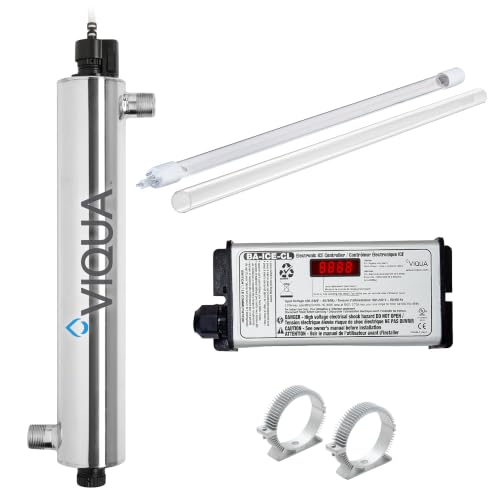
VIQUA VH410 Whole-Home UV Water System 18 GPM

VIQUA S2Q-PA Home Stainless Steel UV Water System
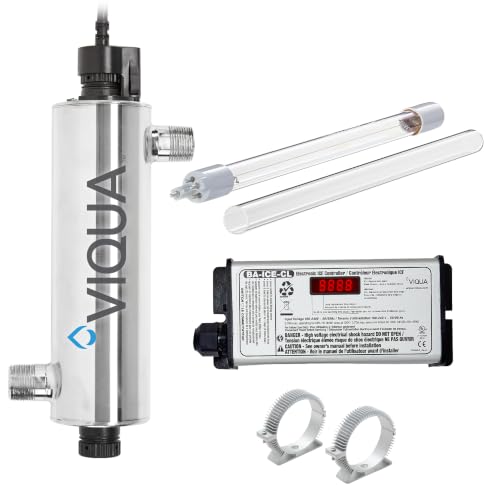
VIQUA VH200 Home Stainless Steel UV Water System

VIOMI Master M1 1000 GPD Alkaline RO System
VIVA21 5-Stage Under Sink RO System with Leak Detector

AQUASPREE Maifanite Mineral Stone Filter
Why These Options Stand Out
The Home Master TMAFC sits at the center of what most under-sink reverse osmosis shoppers actually want: purified water that still feels like water. Where basic RO strips everything out and leaves a flat, almost mineral-void taste, the patented two-pass remineralization adds calcium and magnesium back into the stream after filtration, which also helps protect the pressurized storage tank from corrosion over time.
It is a seven-stage configuration, meaning water passes through sediment, carbon, the RO membrane, and a final polish, with mineral injection built in along the way. NSF certified components add a layer of material-safety confidence that the listing promotes heavily. The bundled filter change set with this package also stretches value for shoppers planning a year or more of use. For households drinking from the kitchen tap every day, it does the job without forcing you to chase taste with a separate remineralizer.
Notable Upsides
- Two-pass mineral addition gives the finished water a softer, less flat profile than stripped RO.
- Seven-stage flow targets sediment, chlorine byproducts, dissolved solids, and lingering taste issues in sequence.
- NSF listed components signal verified material safety rather than vague marketing claims.
- Included filter set means no separate accessory shopping on day one.
- Tank-based design delivers a familiar pressurized draw at the dedicated faucet.
Trade-Offs To Consider
- Storage tank eats cabinet space, something a tankless unit like the Waterdrop 10UB does not.
- RO systems produce wastewater during filtration, a common ownership cost worth understanding before install.
Key Specs
Who Will Love This
Daily drinkers who want purified water with minerals retained and who have the under-sink cabinet space to spare.
Look Elsewhere When
The Waterdrop 10UB is a better fit when cabinet space is tight and a tankless footprint matters more than a seven-stage flow.
Step up from the base Artesian and you land here, the loaded TMAFC-ERP-L. The headline change is the permeate pump, a small device that recycles energy from the concentrate stream to push more purified water into the storage tank under lower feed pressure. In real kitchens, that translates to faster tank refill and better performance in homes where the incoming line pressure runs on the soft side.
This version also ships with a brushed nickel RO faucet, a refrigerator connection kit, and the Dow Filmtec high-hardness RO membrane rated at 75 gallons per day. The membrane is built for tougher feed water, which matters if your area sits in a high-TDS (total dissolved solids) zone. The two-pass remineralization carries over from the base model, so flavor and tank protection are unchanged. For households that run ice makers and fridge dispensers alongside the kitchen tap, the bundle covers every connection point.
Useful Touches
- Permeate pump lifts tank-filling speed and efficiency under low feed pressure.
- Brushed nickel faucet and fridge hookup kit are included, so no separate parts run.
- Dow Filmtec 75 GPD high-hardness membrane handles tougher inlet water.
- Two-pass mineral re-addition keeps taste from going flat after filtration.
Some Limits To Know
- More components under the sink mean more potential service points over years of ownership.
- The Watts Premier drain line adapter bundled here is a small part, but plumbing layouts still vary, so install prep matters.
Made For
Busy families running fridge dispensers and ice makers who want a turnkey RO bundle without sourcing fittings separately.
Swap It Out When
The VIOMI Master M1 fits better if a tankless, app-connected setup with very high daily output is the priority.
This is not a new system. It is a consumables bundle, and that framing matters. The iSpring F9K pack is a one-year replacement cartridge set built for six-stage reverse osmosis systems, including iSpring’s own RCC line. If you already own a compatible RO and the calendar is reminding you that filter changes are overdue, this is the kind of bulk purchase that keeps you from scrambling for cartridges one at a time.
Inside the pack you get sediment, granular activated carbon, carbon block, post-carbon, and two alkaline remineralization filters. That last pair is what gives the water its mineral character and raises pH toward a less acidic profile. NSF certification on the components adds a familiar material-safety signal. For most households, swapping in a fresh set once a year keeps the system running close to its rated performance, though actual filter life depends on your local water quality and usage volume.
The Upside
- Year-long supply at once removes the hassle of reordering cartridges individually.
- Alkaline stages reintroduce minerals and shift pH away from purely acidic RO water.
- NSF certification covers the included cartridges for material safety.
Possible Compromises
- Not a full system, so this only helps shoppers who already own a compatible six-stage RO.
- Actual replacement intervals vary with feed water quality, which can shorten or stretch the calendar guidance.
Right Fit For
Existing RO owners with a compatible six-stage setup who want a single annual purchase instead of piecemeal cartridge runs.
Not Your Match When
The Home Master TMAFC pair fits better for shoppers who need a complete first-time system, not replacement media.
The Waterdrop 10UB takes the opposite design path from the Home Master pair. No storage tank sits under the cabinet. Water flows through multistage filtration and straight to the dedicated faucet, which keeps the under-sink footprint trim and renters in particular will not lose the shelf they were using for cleaning supplies.
It runs multistage filtration rather than full reverse osmosis, so it targets chlorine, sediment, and certain heavy metals without the wastewater profile of an RO membrane. That distinction matters for shoppers on municipal water who want cleaner-tasting drinking water without committing to the tank, drain line, and recovery-rate math that RO demands. The dedicated faucet is included. Use it for municipal cold water only, since the system is not designed for hot supply lines or untreated well water with high sediment loads.
Useful Highlights
- Tankless design frees up cabinet space compared to traditional RO units.
- Multistage filtration hits chlorine taste and common contaminants without a membrane.
- Included dedicated faucet completes the install without extra accessory runs.
Practical Considerations
- Without a permeate pump or membrane, the flow rate at the faucet is modest, so filling a large pot takes patience.
- Not built for well water or hot supply lines, so source water type limits where it can live.
Best Suited To
Renters and small-kitchen owners on municipal water who want better taste and fewer contaminants without a bulky tank.
Skip It When
The Home Master TMAFC pair is the right call for shoppers who want full reverse osmosis, not carbon-stage filtration.
Ultraviolet systems solve a different problem than the RO units above. UV light inactivates microorganisms like E. coli, Giardia, and Cryptosporidium without adding chemicals or stripping minerals. The VIQUA VH410 does that at the point where water enters the house, so every fixture (shower, kitchen, laundry) gets the same treatment.
At 18 GPM (gallons per minute) and a 100-240V power supply, the VH410 covers most mid-to-large homes without throttling flow during morning showers. The 3/4-1 inch NPT (National Pipe Thread) connection range helps it fit common residential plumbing. UV is not a filter, it is a disinfection stage, so it works best paired with sediment and carbon pre-filtration for cloudy or chlorinated water. For shoppers on well water or those whose municipal source has known microbial concerns, this whole-home approach is hard to beat.
A Few Strong Suits
- Whole-home coverage means every tap and shower receives treated water.
- 18 GPM flow keeps up with multi-bathroom demand during peak use.
- Chemical-free disinfection preserves healthy minerals already in the water.
Factors To Consider
- UV lamp replacement is an annual task owners commonly overlook, and lamp output weakens past its rated window.
- Requires a dedicated electrical outlet and pre-filtration for sediment-heavy water to work as intended.
Perfect Match For
Well-water households and larger homes that need whole-house microbial disinfection without a kitchen-only setup.
Another Choice May Suit
The VIQUA S2Q-PA makes more sense for single-tap disinfection in a smaller home where whole-home flow is overkill.
The S2Q-PA is the smaller sibling in the VIQUA residential UV line. Built for single-tap use, it routes water through a stainless steel chamber where a UV lamp inactivates the same suite of microorganisms as its larger siblings, just at a more modest flow rate of 3 GPM (roughly 11 liters per minute).
At 22W it draws modest power, and the stainless construction shrugs off the corrosion that cheaper plastic chambers can show after years of service. For most apartments, in-law suites, or single-fixture point-of-use applications, it covers the drinking-water tap without overbuilding. Lamp replacement is the main ownership rhythm. Yearly is the recommended interval, and going past that window means reduced disinfection strength, a real-world concern rather than a marketing footnote.
What It Does Well
- Targeted UV treatment at one tap keeps install and cost low.
- Stainless chamber resists corrosion better than plastic-bodied alternatives.
- 22W draw fits standard residential circuits without dedicated wiring.
Details To Watch
- Annual lamp swaps are mandatory, since UV output drops past the rated lifespan.
- Best paired with pre-filtration when source water carries sediment, which can shield microbes from UV.
Who Should Grab It
Single-tap shoppers in apartments or small homes who need targeted disinfection without whole-home plumbing work.
A Better Fit Elsewhere
The VIQUA VH410 covers more fixtures for households that want every tap treated, not just the kitchen.
Where the S2Q-PA is the single-tap specialist and the VH410 is the whole-home heavyweight, the VH200 lands in the practical middle. Rated flow options stretch from 9 GPM at the higher UV dose up to 16 GPM at a lower dose, giving installers flexibility based on how aggressive the microbial concern is in your area.
The 35W lamp sits inside a compact stainless chamber that measures roughly 15 by 3.5 inches, which is a friendlier footprint for tighter utility rooms. For small to mid-size homes that want whole-home UV without the higher power draw of the VH410, this is the natural fit. Pre-filtration is still important when sediment runs high, since particles can shield organisms from UV light. Owners commonly report that the annual lamp swap is the one ownership rhythm they have to keep.
Good Reasons To Consider
- Flexible flow ratings let installers tune the dose to the home’s specific concern.
- Compact stainless chamber fits where larger UV units cannot.
- Whole-home disinfection at moderate power draw.
Worth Bearing In Mind
- Sediment in the source water reduces effectiveness, so pre-filtration is worth budgeting in.
- UV lamp life is finite, and missing a swap quietly reduces disinfection performance.
Built With In Mind
Small to mid-size homes that want whole-house UV treatment without the higher power needs of the largest units.
Reach For A Different Pick When
The VIQUA VH410 suits larger homes with multiple simultaneous fixtures, where the VH200’s flow may feel tight.
The VIOMI Master M1 plays in a different weight class than the rest of this roundup. At 1000 GPD (gallons per day), it produces more purified water than most home RO systems by a wide margin, and it does it without a bulky storage tank. That combination matters in large households where multiple people draw filtered water through the day, or where an ice maker and fridge dispenser pull from the same line.
It also runs an alkaline remineralization stage, so the finished water carries back the calcium and magnesium that a standard RO would strip. Smart-home connectivity is part of the package, with app-based monitoring and a multi-device mode that activates when you route the line to a refrigerator or ice maker via standard tubing. Installation does require a dedicated electrical outlet and two drilled holes, so planning the cabinet layout is worth doing before the box arrives.
Key Advantages
- 1000 GPD output supports heavy daily demand without a storage tank bottleneck.
- Alkaline remineralization stage keeps water from tasting flat or acidic.
- Smart-app integration supports monitoring and multi-device routing.
Room For Improvement
- Requires both a power outlet and two drilled holes, which adds install complexity versus simpler units.
- App-dependent features may feel like overkill for shoppers who want a hands-off, traditional RO.
The Right Fit
Smart-home owners and large families who want tankless RO with enough daily capacity to feed multiple fixtures.
Where A Sibling Pick Shines
The Home Master TMAFC-ERP-L is a friendlier path for households that want a traditional RO without app integration.
Five-stage RO is the classic format most shoppers picture when they imagine under-sink filtration, and the VIVA21 V21RS5S01 leans into that familiar design. Sediment, carbon, the RO membrane, and a post-carbon polish take care of the standard suspects: chlorine byproducts, dissolved solids, and a range of contaminants that affect taste and odor.
The package comes complete, including a lead-free faucet, tank, and a leak detector that monitors the area under the filter for drips. The leak sensor is a small addition that addresses a real concern with any under-sink plumbing job, since slow leaks in a kitchen base cabinet often go unnoticed for weeks. WQA Gold Seal certification to NSF/ANSI 58 and 372 gives the listing a verifiable third-party seal. For households stepping into RO for the first time, this is a coherent, complete kit.
What Works In Its Favor
- Complete kit removes the need to source a faucet or tank separately.
- Leak detector adds early warning for under-sink drips that often go unnoticed.
- WQA Gold Seal certification covers both performance and lead content.
Honest Caveats
- Five-stage flow is more basic than the seven-stage Home Master, with fewer polishing passes.
- Tank-based footprint, like other classic RO designs, takes up under-sink cabinet space.
Whose Shelf It Belongs On
First-time RO shoppers who want a complete, certified kit with a leak sensor built in.
Consider Something Else When
The Home Master TMAFC fits better when extra polishing stages and remineralization matter more than the leak sensor.
The Maifanite stone filter is the niche entry on this list. It is a replacement cartridge built specifically for AQUASPREE’s seven-stage alkaline system, designed to introduce trace minerals while continuing to pull residual heavy metals and toxins from the water that earlier stages did not catch.
Maifanite is a mineral-rich stone that releases calcium, manganese, potassium, and zinc into the flow, giving the water a fuller mouthfeel compared to the flat profile of pure RO. Rated lifespan is roughly one year or 1000 gallons, though actual timing depends on incoming water quality and household consumption. For shoppers already running an AQUASPREE system, this is the right cartridge at replacement time. For everyone else, it is a reminder that the alkaline-remineralization category includes more than just the standard carbon and calcite stages.
Where It Excels
- Releases calcium, manganese, potassium, and zinc for a more mineral-rich finish.
- Continues polishing water by addressing residual heavy metals that passed earlier stages.
Where It Is Less Suited
- Only fits AQUASPREE systems, so it is not a cross-compatible upgrade.
- Rated lifespan varies with source water, so budget for an earlier swap in harder or higher-TDS areas.
Who It Suits Best
Current AQUASPREE owners replacing the mineral stage of their seven-stage alkaline system.
Not Your Match When
The iSpring F9K set fits better for owners of compatible six-stage RO systems that need a full annual media refresh.
Picking The Right System For Your Home And Habits
Match The System To Your Water Source
Municipal water, well water, and hard-water regions all push you toward different setups. Reverse osmosis handles dissolved solids, chlorine byproducts, and a broad range of contaminants, which is why most kitchen-side picks lean on it. UV systems like the VIQUA trio address microbial concerns without stripping minerals, a useful layer for well water or any home with a known boil advisory. Knowing your source makes the format question almost answer itself.
Think About Flow Rate And Daily Demand
GPD ratings tell you how much purified water a system can produce, and they vary wildly across this list. The Waterdrop 10UB targets single-tap convenience without a tank, while the VIOMI Master M1 pushes a thousand gallons per day for households that need fridge dispensers and ice makers running constantly. Pick a GPD that matches how many people in your home actually drink filtered water, not the number of guests you might host twice a year.
Decide Between Tank And Tankless
Tank-based units like the VIVA21 and Home Master pair deliver pressurized flow at the dedicated faucet but eat cabinet space. Tankless systems like the Waterdrop 10UB and VIOMI keep the footprint trim but trade off flow speed for that compact form. The honest read is that neither is strictly better, the right answer depends on the cabinet you actually have.
Plan For Filter Replacement And Maintenance
Every system here has a consumables rhythm. RO cartridges typically run on an annual calendar, UV lamps need yearly replacement, and mineral stages vary with source water. Buying replacement media at the same time as the system itself avoids the scramble later and keeps performance close to rated levels for the life of the unit.
Key Considerations Across These Picks
Pitfalls Shoppers Hit
A common mistake is buying a system that targets the wrong contaminants. Carbon-only units like the Waterdrop 10UB will not address dissolved solids the way an RO will, and UV systems do not remove chemicals that carbon filtration is built to catch. The other trap is underestimating cabinet space or feed pressure, both of which can turn a promising install into a frustrating retrofit. Always measure before you buy.
When Paying More Pays Off
Higher-tier systems like the Home Master TMAFC-ERP-L and VIOMI Master M1 cost more for reasons that show up in daily use. A permeate pump speeds tank refill under low pressure. A 1000 GPD membrane keeps up with fridge dispensers and busy mornings. Remineralization stages keep purified water from tasting like laboratory output. The upgrade is worth it when those differences match your household’s actual demand.
Frequently Asked Questions
What is reverse osmosis, and is it necessary at home?
Reverse osmosis pushes water through a semipermeable membrane to remove dissolved solids, heavy metals, and many contaminants. It is not strictly necessary if your municipal water already meets safety standards, but it adds a layer of control over taste and purity that many households appreciate.
How often do filters and UV lamps need replacement?
Most RO cartridges run on a six-to-twelve month cycle, while UV lamps typically need annual replacement to maintain disinfection strength. Actual timing varies with source water quality and household consumption.
Can a home filtered water system work with well water?
Some can, some cannot. UV systems pair well with well water for microbial concerns, but RO membranes may need pre-filtration to handle high sediment. Always check the system’s compatibility with your specific source before installing.
Do these systems waste a lot of water?
Traditional RO units produce a waste stream as part of filtration, and the ratio varies by model. Tankless high-recovery systems reduce this, but any RO will use more water than it produces as purified output. UV and carbon-only systems do not generate wastewater.
What is the difference between point-of-use and whole-home systems?
Point-of-use systems treat water at a single tap, usually the kitchen. Whole-home systems treat water where it enters the house, so every fixture gets the same quality. The right choice depends on whether your concern is drinking water or total household treatment.
Closing Remarks
The best home filtered water system is the one that matches your water source, daily demand, and cabinet realities, not the one with the most stages or the largest tank. Start by identifying what you want to remove or add to your water, then narrow down from there. With the options above covering compact carbon filtration, mineral-balanced RO, high-output tankless units, and whole-home UV, there is a fit for nearly every household setup. Pick the one that suits your routine, and the daily glass of water gets quietly better from day one.




