

Drinking water quality slips under the radar in most homes, yet the science of staying hydrated starts with what’s in your glass. From aging municipal pipes to regional well water quirks, the stuff coming out of your tap carries more than just H₂O, and the right home purification setup turns that daily pour into something you’d actually trust without a second thought.
Whether you’re renting and can’t drill into the cabinetry, prepping a go-bag for hurricane season, or building a proper under-sink rig in a forever kitchen, the category has split into clear lanes. Countertop reverse osmosis units skip the plumber. Under-sink systems disappear into the basement of your kitchen. Purification tablets throw a lifeline on the trail. Each works a different angle on the same goal, and matching the format to your space and habits is where the real decision lives.
A Closer Look At The Lineup

Bluevua RO100ROPOT-Lite Countertop Reverse Osmosis Water Filter

iSpring RCC7P-AK 6-Stage Reverse Osmosis System With Pump

Aquatabs 49mg Water Purification Tablets, 30 Pack
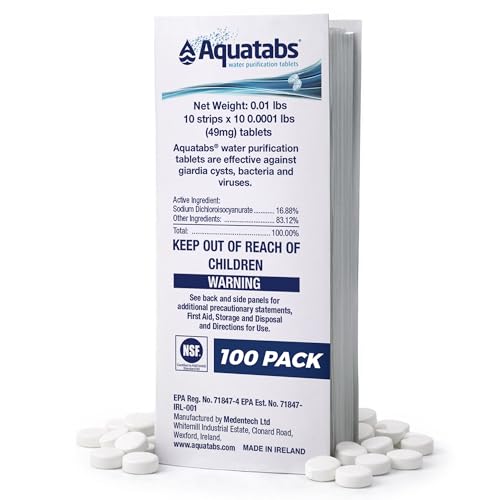
Aquatabs 49mg Water Purification Tablets, 100 Pack

Aquatabs Water Purification Tablets 397mg, 100 Pack

iSpring US31-NC 3-Stage Under Sink Water Filter System

Frizzlife PX600 600GPD Tankless Reverse Osmosis System

Brio SIMPL 4-Stage Tankless Reverse Osmosis System

Bluevua RO100ROPOT Countertop Reverse Osmosis System
Bluevua RO100ROPOT-Travel Reverse Osmosis Water Filter
A Breakdown Of The Leading Choices
Reverse osmosis (a membrane filtration process that forces water through a near-impermeable barrier to strip dissolved contaminants) typically lives under the sink, but the Bluevua RO100ROPOT-Lite brings that same membrane logic to a portable countertop unit. You fill the back tank from any tap, hit the power button, and let the internal pump push water through the filter stages into a glass carafe. For renters, dorm dwellers, and anyone locked out of permanent plumbing work, that one-cord setup is the whole pitch.
The Lite pairs down the original RO100ROPOT into a tighter footprint, which matters if your counter already hosts a coffee maker and a knife block. Owners commonly mention that the glass carafe feels like a thoughtful detail, since most budget RO units still dump filtered water into plastic. The trade-off, naturally, is output speed. You’ll likely find the dispensing cycle longer than a plumbed under-sink rig, so filling a single tall bottle before work is realistic, but filling four pitchers before dinner is not.
Why It Works Well
- True plug-in setup with zero plumbing modifications, ideal for leased spaces.
- Borosilicate glass carafe keeps filtered water away from plastic storage.
- Reverse osmosis membrane handles the same broad contaminant class as under-sink models.
- Compact footprint slides beside a kettle without dominating the counter.
Worth Noting
- Throughput is slower than plumbed units, so heavy-fill mornings may test your patience.
- Filter replacements are an ongoing cost worth tracking if you drink a lot of water daily.
Key Specs
Made For
Studio and rental dwellers who want membrane-level filtration without committing to a permanent installation.
Swap It Out When
Households that drink several gallons a day should look at the full-size Bluevua RO100ROPOT further down the list for faster output.
The iSpring RCC7P-AK is the under-sink workhorse of this roundup, and the booster pump is its headline feature. Reverse osmosis membranes need line pressure in a specific band to push water through efficiently. In homes where incoming pressure sits below that threshold, plain RO rigs trickle. The pump fixes that, restoring strong production while also dialing down wastewater ratio. That makes the unit a sensible pick for older homes, upper-floor apartments, and well-water setups with marginal pressure.
Six filtration stages, finishing in an alkaline remineralization stage, mean the water coming out of the dedicated faucet has both been stripped of contaminants and picked up a small mineral buffer. If straight RO tastes flat to you, that final stage is the difference between flat and pleasant. The catch shows up at install time: this is a plumbed system, so you’ll need a spare under-sink hole or the included top-mount faucet, plus a willingness to spend a Saturday sorting tubing and saddle valves.
Notable Upsides
- Booster pump keeps output strong even in homes with low incoming line pressure.
- Alkaline remineralization stage softens the flat taste that plain RO water can carry.
- Top-mounted faucet design removes some of the under-sink guesswork during setup.
- Six filtration stages target a wide spectrum of common tap-water concerns.
Honest Caveats
- Installation is more involved than a countertop unit and rewards patient DIYers.
- Periodic filter and membrane swaps are part of long-term ownership, so budget for them.
- Adds a small hum from the booster pump, audible in quiet kitchens depending on cabinet construction.
Whose Shelf It Belongs On
Homeowners with low or unstable water pressure who want a permanent RO install and don’t mind a one-time plumbing project.
Consider Something Else When
Anyone renting or unable to drill should pivot to the Bluevua RO100ROPOT-Lite at pick 1 for a zero-plumbing path.
Tablet purification is the lightest end of the spectrum, and Aquatabs owns this corner. The 30-pack of 49mg tablets tucks into a ziplock, a bear canister, or a glove compartment without complaint. Drop one tablet into a quart of clear water, wait the labeled window, and you’ve neutralized bacteria, viruses, and cysts. For backpackers, international travelers, and emergency kits, the simplicity is the point.
The 30-count format is the right size for a short trip, a single weekend, or a starter emergency stash. Compared with the 100-pack further down this list, it’s the more conservative buy. One honest note: tablets work best in clear water. Murky river water benefits from a pre-filter bandana or coffee filter, since sediment can shield microbes from the active chemistry.
Positive Points
- Tiny footprint, zero moving parts, and nothing to break mid-trip.
- Trusted in international relief and outdoor communities as a baseline purification method.
- Long shelf life makes them a set-and-forget emergency supply.
Small Caveats
- Treats a smaller volume per tablet than the heavier 397mg version covered later in this list.
- Doesn’t polish taste or clarity, so silt-heavy sources need pre-filtering.
Best Suited To
Weekend hikers and travelers building a small, low-effort emergency water reserve.
A Better Fit Elsewhere
Long-trip families and group leaders should jump to the Aquatabs 100-Pack at pick 4 for fewer resupply runs.
The 100-pack version of the same 49mg Aquatabs is essentially the same chemistry in a longer-running supply. For multi-week backpackers, scout troops, or anyone maintaining a household emergency bin, the larger count means fewer reorders. The tablets are individually loose in the bottle, so counting out a week’s worth at a time is easy.
Compared with the 30-pack at pick 3, the only meaningful change is supply length, which lowers per-tablet cost over time. You’ll still treat water by the quart, still wait the labeled minutes, and still want to pre-filter murky sources. Nothing flashy here, but dependable for the use case it targets.
Positive Takeaways
- Bulk count lowers cost per treatment, ideal for extended trips or recurring training.
- Same trusted 49mg dose trusted by aid organizations for field water treatment.
- Shelf-stable, so the bottle can live in a closet until a real emergency hits.
Points To Keep In Mind
- Bottle bulk may be overkill for casual weekend use; the 30-pack is a tighter fit there.
- Doesn’t strip chemical contaminants, only microbial ones.
Perfect Match For
Multi-trip outdoor households, group leaders, and emergency-prep families stocking for several weeks.
Look Elsewhere When
Solo weekend campers who’ll never burn through a 100-count bottle before the next reorder can save with the 30-pack at pick 3.
The 397mg tablet is the heavy hitter in the Aquatabs lineup. Each tablet treats roughly four gallons rather than a single quart, which dramatically reduces the dose-counting overhead for larger groups. For a base camp, a road-trip cooler, or a family riding out a multi-day power outage, that volume math reshapes how the supply gets used.
The faster action time is the other headline. Where the 49mg tablets ask for longer waiting windows, the heavier dose cuts treatment time down for the same microbial reduction. One trade-off: a faint chlorine taste can creep in if the dose sits longer than needed. For most emergency contexts, that’s a small price to pay for the speed and scale.
Everyday Perks
- Treats roughly four gallons per tablet, dramatically lowering per-trip tablet count.
- Faster purification window compared to the smaller-dose Aquatabs covered above.
- Excellent fit for emergency storage where you need bulk water ready fast.
Practical Considerations
- Light residual taste if water sits longer than the required contact window.
- Overkill for solo backpackers who’d rather meter doses more carefully with smaller tablets.
Who Should Grab It
Group trip leaders, family emergency kits, and preppers managing larger water caches at home.
Reach For A Different Pick When
Solo travelers who prize precise dosing will be happier with the 49mg 100-pack at pick 4.
Not every home needs a reverse osmosis rig. The iSpring US31-NC sits in the under-sink carbon-filtration lane, which is a smarter match for households whose main complaint is chlorine taste, odor, and sediment rather than dissolved solids. With three stages, including a chloramine-focused catalytic carbon cartridge, this unit targets the contaminants most municipal systems still rely on for disinfection.
Compared with the RO systems above, this is simpler, faster at the tap, and produces zero waste water. You get a dedicated faucet, a cleaner glass of water, and far fewer replacement cartridges to track. The honest read is that chloramine-treated municipal water is the sweet spot. Households on private wells with agricultural runoff concerns may want the broader reduction profile of an RO unit instead.
Everyday Advantages
- Catalytic carbon media specifically targets chloramine, the disinfectant many cities now use instead of chlorine.
- Fast, on-demand flow at the tap without a holding tank or pump cycle.
- Zero wastewater ratio makes it a friendlier daily-driver for high-volume kitchens.
- Three-stage cartridge layout keeps annual upkeep to a single routine swap.
Trade Offs
- Doesn’t reduce dissolved solids the way RO membranes do, so hard-water areas won’t see TDS drop.
- Plumbed install still requires drilling a dedicated faucet hole in some sinks.
Right Fit For
Municipal-water households who mainly want better taste, fewer odors, and chloramine reduction at the kitchen tap.
Where Another Pick Suits Better
Households chasing the broadest contaminant reduction should consider the Frizzlife PX600 at pick 7 for full RO coverage.
Traditional RO systems live behind a bulky pressure tank that takes up cabinet space and slows output. The Frizzlife PX600 skips the tank entirely. Water passes through the multi-stage filter and out the faucet on demand, with a published 600 GPD (gallons per day) flow rate that translates to roughly a glass every few seconds under real conditions. For big families that run a kitchen hard, that flow is the whole story.
Multi-stage filtration targets a wide contaminant class, and the 2:1 pure-to-drain ratio keeps wastewater in check relative to older RO designs. One honest note: tankless units rely on strong feed-water pressure to maintain that flow, so households with marginal pressure may want to confirm compatibility before installing. Compared with the iSpring RCC7P-AK at pick 2, this one trades the booster pump for raw flow capacity.
Strong Points
- Tankless design frees up significant under-sink storage space.
- High GPD flow rate keeps up with cooking, coffee, and hydration for multiple people at once.
- 2:1 pure-to-drain ratio trims wastewater compared with older RO setups.
- Multi-stage cartridge stack targets broad contaminant categories in a single pass.
Where It May Fall Short
- Flow performance depends on adequate incoming line pressure, so very low-pressure homes may see less than the published rate.
- Filter replacements on a multi-stage unit run higher than simple carbon systems.
Key Specs
Who It Suits Best
Larger households with strong feed-water pressure that need a continuous flow of RO water from a dedicated faucet.
Not Your Match When
Low-pressure homes should pivot to the iSpring RCC7P-AK at pick 2, whose booster pump solves the same flow problem a different way.
The Brio SIMPL aims at the homeowner who wants RO filtration without spending Saturday afternoon under the sink. Three color-coded tubes, a quarter-turn filter cartridge, and a front-access housing mean the install is closer to changing a furnace filter than rebuilding plumbing. The 0.0001-micron membrane targets the contaminant class RO is known for, including PFAS compounds (a category of persistent “forever chemicals” used in nonstick coatings and food packaging).
Compared with the Frizzlife PX600 at pick 7, the Brio trims flow rate and stage count but adds setup simplicity. For a small-to-mid household that drinks filtered water through a single faucet and isn’t trying to run multiple taps at once, the published daily output is plenty. The unit’s main appeal is the maintenance story: swap a cartridge in seconds, no wrench required.
Where It Helps
- Quarter-turn front-access cartridges make filter swaps genuinely fast and tool-free.
- Color-coded tubing takes a lot of the confusion out of first-time under-sink installs.
- Targets PFAS and other common concerns using a fine 0.0001-micron RO membrane.
- Tankless design keeps the under-sink cabinet usable for storage.
A Few Limitations
- Daily output is lower than the higher-GPD Frizzlife, so very heavy households may notice.
- Pure-to-waste ratio, while improved, still produces some wastewater by RO necessity.
Built With In Mind
Homeowners who want a low-maintenance under-sink RO install without the wrestling match of traditional plumbing work.
Skip It When
Large families running multiple filtered taps at once will appreciate the higher flow of the Frizzlife PX600 at pick 7.
The full-size Bluevua RO100ROPOT is the larger sibling to the Lite at pick 1, offering a bigger tank and faster output in the same portable format. You still fill the back tank from any tap and plug into a wall outlet, but the larger reservoir means longer intervals between refills. The borosilicate glass carafe carries over, which is unusual at this price tier.
For households that like the plug-in convenience of the Lite but want to scale up drinking volume, this is the natural next step. The trade-off is footprint: the unit takes up more counter real estate, so small kitchens may need to clear space. Compared with the iSpring RCC7P-AK at pick 2, this trades permanent plumbing for a cord you can unplug when you move.
What Pays Off
- Larger tank cuts down on refill frequency over the Lite model at pick 1.
- Borosilicate glass carafe stays consistent with the brand’s plastic-light approach.
- Same RO membrane technology as plumbed under-sink units, in a portable shell.
- Easy to relocate, ideal for anyone who moves apartments on a regular cycle.
Possible Compromises
- Larger countertop footprint may crowd smaller kitchens.
- Filter swap cadence rises with heavier daily use, so track replacement intervals.
Key Specs
Who Will Love This
Renters and frequent movers who want higher daily output than the Lite without giving up the no-plumbing promise.
Where A Sibling Pick Shines
Kitchens where counter space is tight will be happier with the more compact RO100ROPOT-Lite at pick 1.
The Travel version of the Bluevua lineup is the most ambitious of the countertop trio. It pairs a multi-stage reverse osmosis filter with a UV stage, then packages the whole stack into a portable housing aimed at road trippers, RV kitchens, and short-term rental stays. The idea: take RO-level water treatment anywhere you can find a power outlet, including hotel rooms and vacation rentals where tap quality is an unknown.
Compared with the Aquatabs tablets in this roundup, the Travel unit trades ultimate portability for actual filtration rather than chemical treatment. Compared with the other Bluevua countertop units at picks 1 and 9, this one adds UV polishing on top of the RO membrane. The honest read: it’s a niche but compelling tool for anyone whose work or play pulls them off the beaten plumbing grid for weeks at a stretch.
Real Benefits
- UV stage adds an extra disinfection pass on top of the RO membrane.
- Carry-ready format suits road trips, RVs, and short-term rental kitchens.
- Reverse osmosis in a portable housing, unusual for the travel category.
- Multi-stage filter stack targets a broad contaminant class on the road.
Worth Bearing In Mind
- UV stage requires power, so true backcountry use still leans on tablets at picks 3 through 5.
- Heavier and bulkier than a tablet kit, so packing discipline matters.
Key Specs
The Right Fit
Road trippers, RV owners, and remote workers who want RO-quality water from unfamiliar taps across multiple stays.
Another Choice May Suit
Backcountry hikers without power access are better served by the Aquatabs at picks 3 through 5 for lightweight reliability.
What To Weigh Before Choosing A Home Purification Setup
The right pick depends less on specs on paper and more on what your water actually carries, where the unit will live, and how much daily drinking volume your household moves. Three angles shape the decision most clearly.
Match the unit to your water source. Municipal water treated primarily with chlorine responds well to a carbon-block under-sink filter like the iSpring US31-NC. Chloramine-treated municipal water still benefits from carbon, but specifically catalytic carbon. Private wells with agricultural runoff concerns, old plumbing, or TDS (total dissolved solids) concerns typically call for reverse osmosis to address dissolved contaminants that carbon alone can’t touch. Tablet purification like the Aquatabs only handles microbial threats, not chemical ones, so they’re a complement, not a substitute, in most homes.
Match the format to your living situation. Renters and frequent movers benefit from plug-in countertop units like the Bluevua ROPOT lineup, since they avoid any plumbing modifications. Homeowners committed to a long stay can justify the higher flow and lower per-gallon cost of a plumbed under-sink RO system. The tablet options cover a different lane entirely: backup water for outages, camping, and travel where no plumbing or power exists.
Think about daily volume before chasing GPD numbers. A solo drinker in a studio won’t notice the difference between 100 GPD and 600 GPD at the tap. A four-person household cooking daily with filtered water will. Higher daily output often means a more expensive unit and higher filter costs, so sizing to actual consumption keeps the long-term spend honest.
Key Considerations Across These Picks
Common Buying Traps To Dodge
Chasing the highest GPD rating usually leads to overspending. Most small households never push 600 gallons of daily output, so the extra flow doesn’t translate to real benefit. The other common misstep is buying an RO system when a carbon filter would solve the actual problem. If your tap water tastes fine and your main concern is chlorine or chloramine, a multi-stage RO rig is over-engineered. Finally, ignoring filter replacement costs creates sticker shock six months in. Factor in annual cartridge and membrane costs before you commit.
Where The Extra Money Goes
Higher-tier models earn their keep in three concrete ways: faster flow, less wasted water, and easier upkeep. Tankless units like the Frizzlife PX600 reclaim cabinet storage and pump out water on demand rather than refilling a holding tank. Booster pumps on systems like the iSpring RCC7P-AK keep flow consistent where pressure is marginal. Front-access cartridges on the Brio SIMPL cut maintenance time from a wrench-and-towel job to a quarter turn. Whether those upgrades justify the spend depends on how heavily your household runs the tap and how much you value your time under the sink.




