A frozen PEX line in an unheated crawl space is the kind of plumbing failure you only think about once, and then never forget. The right heat tape, chosen to match your pipe length, layout, and climate, keeps water moving through deep-freeze nights without burning through electricity. This list covers both adhesive high-temp tapes for craft and electronics work and self-regulating heating cables built specifically for PEX freeze protection, so you can match the tool to the actual job.
The Main Contenders

MS WGO High Temperature Heat Tape 10mm X 33m

MS WGO PI Film Polyimide High Temperature Tape 1/2″ x 100 Ft
Frost King HC6A Automatic Electric Heat Kit 6 Feet

Radiant Solutions Intelligent Heat Tape with GlowCap 18 Ft

Cupohus 3FT Heat Tape for Water Pipes

JDZKOMKE 50FT Pipe Heating Cable for Freeze Protection

CHUANGSEED 2″ x 216 Ft Heat Resistance Tape

CHUANGSEED 4″ x 216 Ft Heat Resistance Tape

CHUANGSEED 3″ x 216 Ft Heat Resistance Tape

FYTSE Easy Heat Freeze Protection Cable 10 Foot
Inside Each Recommended Option
This narrow polyimide tape earns its place on craft benches rather than pipe runs. The 10-millimeter width slips into tight corners of a heat press platen, holding designs steady without bleeding adhesive onto the fabric. For vinyl transfer work and mug sublimation, the slim profile means you can mask a single letter or thin stripe without taping off the whole panel.
Compared to the wider CHUANGSEED rolls reviewed later, this one trades coverage for precision. People running small-batch apparel or hobby electronics tend to reach for a roll like this because it lays flat and peels cleanly after a high-temp cycle. The honest read is that it is overkill for general masking but a quiet workhorse for detail jobs.
Useful Strengths
- 10mm width fits into detail areas wider rolls cannot reach
- 33-meter length supports many small sublimation sessions before replacement
- Designed to lift off without leaving residue on fabrics or coated surfaces
- Useful for holding transfers flat during heat-press cycles
Worth Bearing In Mind
- Too narrow to mask large panels in a single pass
- Not a heating cable, so it cannot protect PEX from freezing
Whose Workbench It Belongs On
Crafters doing sublimation mugs, vinyl apparel, or small electronics assemblies benefit most from this narrow, residue-free tape.
A Better Fit Elsewhere
Anyone needing actual pipe freeze protection should reach for the Radiant Solutions Intelligent Heat Tape reviewed below instead.
Polyimide film tape is the gold-standard masking layer for printed circuit boards passing through a wave solder or reflow oven, and this 1/2-inch-wide roll from MS WGO fits that niche cleanly. The two-roll packaging gives electronics hobbyists enough material for a long stretch of project work without constant reordering. You will often see this exact format on repair benches and small assembly lines.
Where the first pick on this list targets sublimation crafters, this one shifts focus to anyone soldering or working with hot air rework stations. The half-inch width handles gold-finger masking on expansion cards and protects nearby components from accidental heat exposure. The trade-off is the same as other PI tapes: it costs more per foot than generic masking tape, but it survives heat that would char a paper-backed roll.
A Favorable Mix
- Polyimide film tolerates soldering temperatures without curling or shedding adhesive
- Two rolls in the package stretch further for repeat electronics projects
- Half-inch width suits PCB edge masking and gold-finger protection
- Electrical insulation properties make it useful during capacitor and transformer work
Points To Note
- Not designed for outdoor pipe heating, so do not substitute it for a real heat cable
- Half-inch width may feel narrow for masking larger board sections
Feature Snapshot
Right Fit For
Electronics hobbyists and small repair shops running soldering and rework stations get the most from this polyimide tape.
Skip It When
Pipe freeze protection is the goal, in which case the Frost King HC6A heating cable is the more relevant pick.
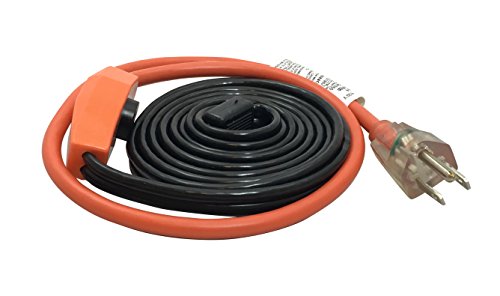
The Frost King HC6A is the kind of cable a first-time homeowner reaches for when a single exposed PEX run under a sink needs a quick freeze fix. At six feet with a 120-volt rating and roughly 7 watts per foot output, it handles short stretches of pipe without the complexity of longer systems. The black outer jacket is easy to spot in a cluttered mechanical room.
Because the cable is pre-terminated and ready to plug in, the install path is genuinely short: spiral or straight-lay it along the pipe, add insulation over the top, and route the cord to a GFCI outlet. The catch, as with most pre-cut cables, is the fixed length. If your run is longer or shorter than six feet, the HC6A either falls short or leaves slack you have to manage.
Everyday Advantages
- Pre-terminated ends speed installation for first-time users
- Compatible with metal and plastic pipe, including PEX runs
- Compact six-foot length fits under short sink or utility sections
- Output designed to keep water flowing in deep-freeze conditions
Honest Caveats
- Fixed length makes it a poor match for long whole-house PEX layouts
- Lacks a built-in indicator light, so you have to trust the outlet to confirm operation
Technical Highlights
Made For
First-time installers protecting a short exposed PEX run in a basement or under-sink cavity will find this kit easy to live with.
Look Elsewhere When
Longer whole-house plumbing needs are better served by the JDZKOMKE 50FT heating cable reviewed further down.
Radiant Solutions leans into the smart-cable category with a built-in thermostat and a visible GlowCap indicator that lights up only when the cable is actively heating. That single feature removes a lot of guesswork on cold mornings when you cannot tell whether the cable has failed or the weather simply has not dropped low enough to trigger it. The 18-foot length lands in a useful middle zone for basement utility rooms.
Compatibility runs through copper, steel, PVC, ABS, and PEX, so it fits most residential plumbing without requiring a separate product line. The integrated thermostat activates only when ambient temperatures fall near freezing, which keeps electricity use modest compared to always-on cables. One operational requirement to keep in mind: the thermostat must sense real cold air to switch on, so the cable should not be buried deep under insulation that masks the ambient reading.
Notable Upsides
- GlowCap indicator confirms at a glance that the cable is actively heating
- Self-regulating core adjusts output to match surrounding cold
- Works on copper, steel, PVC, ABS, and PEX plumbing materials
- 18-foot length covers a typical basement utility run without splicing
Trade-Offs To Consider
- Designed for indoor pipe runs, not outdoor hose or spigot applications
- Thermostat must be exposed to ambient air to trigger reliably
Feature Overview
Who It Suits Best
Homeowners in cold climates who want a thermostat-controlled, indoor pipe protection cable with visible status feedback get strong value here.
Consider Something Else When
You need a very short under-sink run, where the Cupohus 3FT tape reviewed below is a tighter fit.
Most cables on this list target long pipe runs, but Cupohus focuses on the opposite end of the spectrum: a compact three-foot tape with a thermostat built in. That footprint is genuinely useful in tight spots like a kitchen sink base, an outdoor spigot stub-out, or a short exposed PEX section behind a washing machine. The integrated thermostat watches the line temperature rather than room temperature, which suits short-run freeze protection.
Compared with the 18-foot Radiant Solutions cable, this one is a fraction of the size and targets a different problem entirely. Where the longer cable handles a basement utility room, the Cupohus tape handles a single vulnerable elbow that has frozen twice in past winters. It is small, but that is the point: most pipe failures start at one short exposed section, not the whole run.
Useful Highlights
- Three-foot length fits where longer cables would bunch or overlap
- Integrated thermostat monitors line temperature automatically
- Suitable for PEX as well as copper and other common pipe materials
- Compact profile tucks behind fixtures without crowding the workspace
A Few Limitations
- Far too short to handle a basement main or long crawl-space line
- Single-purpose design leaves little room for layout mistakes
Perfect Match For
Apartment dwellers and homeowners with a single vulnerable pipe section behind a sink or washing machine benefit most from this compact tape.
Reach For A Different Pick When
You need to protect an entire basement or crawl space, in which case the JDZKOMKE 50FT heating cable is the stronger fit.
The JDZKOMKE cable scales up to where the Cupohus and Frost King options leave off. A 50-foot run, paired with an aluminum alloy shield and a TPE outer jacket, covers most residential PEX layouts in a single continuous strip. The grounded plug includes an indicator light, which adds a small but practical touch on longer installations where one bad section can otherwise hide.
Compatibility covers copper, PVC, and PEX, so most homeowners can run this cable along mixed-material plumbing without swapping products mid-project. Output runs around 5 watts per foot, which sits in a sensible range for freeze prevention rather than pipe heating. The honest trade-off is that bulk cable like this needs careful layout planning: sloppy spiral wrapping wastes heat and creates cold spots.
A Few Highlights
- 50-foot length handles whole-room PEX runs without splicing
- Aluminum shield plus TPE jacket resists shorts and surface wear
- Grounded plug with indicator light confirms power at a glance
- Compatible with copper, PVC, and PEX pipe materials
Possible Compromises
- Not designed for permanent submersion, so routing must avoid standing water
- Long length demands careful layout to avoid cold spots along the pipe
Spec Overview
Built With In Mind
Homeowners with a long PEX run running through a crawl space or basement mechanical area benefit most from this heavy-duty cable.
Swap It Out When
You only need to protect a single short section, in which case the Cupohus 3FT tape reviewed earlier is a less wasteful choice.
Resin casting and powder coating projects tend to need wider masking tape than the electronics rolls reviewed earlier, and CHUANGSEED’s two-inch polyimide roll sits in that sweet spot. At 216 feet of length, the roll carries a small studio through many pours before it runs out. The silicone-based adhesive is built to survive the exotherm of a deep resin pour without peeling back at the edges.
Unlike the MS WGO narrow tape at the top of this list, this one trades precision for coverage. People masking the perimeter of a tabletop pour or sealing the back of a circuit board before soldering tend to favor a width like this. The trade-off shows up on curved surfaces, where a 2-inch tape is less forgiving than a slimmer profile when wrapping tight radii.
What Earns Its Place
- Two-inch width covers the borders of a typical resin mold in fewer strips
- High-temperature resistance suits powder coating and soldering workflows
- Silicone adhesive is formulated to peel away without residue
- 216-foot length supports long project runs in a small shop
Less Ideal Details
- Wider format can bunch on curved or detailed surfaces
- Not a heating cable for PEX freeze protection despite the name overlap
Best Suited To
Resin artists, powder coaters, and small electronics workshops that need broad, residue-free masking benefit most from this format.
A Better Fit Elsewhere
Anyone looking to protect PEX plumbing from freezing should skip this and reach for the Radiant Solutions Intelligent Heat Tape reviewed earlier.
This four-inch CHUANGSEED roll broadens the masking coverage further for large-surface projects. Anyone powder coating a wide panel or sealing the back of a sizable substrate for resin work gets a faster path with this format. The PET-based tape holds steady through high-temperature curing cycles without lifting at the edges.
Where the 2-inch CHUANGSEED roll targets mold perimeters, this wider sibling handles broad backs and large flat areas in fewer passes. The trade-off is that on small or detailed parts, a 4-inch tape becomes wasteful and harder to control. People running a mixed project load sometimes keep both widths on hand for that reason.
Practical Pluses
- Four-inch width covers large panel surfaces in a single pass
- Heat-tolerant adhesive survives curing and soldering cycles
- Clean peel reduces post-process cleanup on coated surfaces
- Long roll length supports extended production schedules
Potential Sticking Points
- Too wide for small circuit boards or compact craft projects
- Storage needs a dedicated hook or shelf given the roll size
Who Should Grab It
Shops handling wide-format powder coating, large resin slabs, or oversized masking jobs benefit most from this broad tape.
Where Another Pick Suits Better
Smaller electronics projects fit the 2-inch CHUANGSEED roll reviewed just above more cleanly.
Between the two-inch and four-inch CHUANGSEED rolls sits this three-inch mid-width option, which gives a small shop flexibility without stocking multiple formats. The 3-inch profile works on mid-size resin pours, mid-sized circuit boards, and powder coating panels that fall between the extremes. PET construction keeps the adhesive stable under heat and peels away cleanly when the project finishes curing.
The same heat-endurance profile applies here as on the wider and narrower siblings. Where this one earns its place is in mixed-project workflows where neither extreme width is quite right. The honest read is that a shop with a steady stream of medium-format work gets more daily use out of this than out of either end of the width range.
Reasons It Performs
- Three-inch width handles mid-size projects without trimming
- PET tape holds up under soldering and curing temperatures
- Residue-free peel saves cleanup time on coated surfaces
- One roll can serve across resin, electronics, and coating work
Things To Weigh
- A compromise width that excels at nothing in particular
- Not interchangeable with a pipe heating cable despite shared “heat tape” naming
The Right Fit
Hobbyists running a rotating mix of resin, electronics, and shop projects get solid daily utility from this medium-width tape.
Not Your Match When
You only need pipe freeze protection, where the FYTSE Easy Heat cable reviewed last is the proper tool.
The FYTSE cable wraps up this list with a self-regulating heating tape pre-cut to ten feet and fitted with an installed plug head. That combination removes the most common installation stumbling block: people wrestling with cold-stiff cable and fumbling to terminate a plug in a tight crawl space. It is genuinely plug-and-go in the literal sense.
Self-regulating cable technology is the quiet hero here. The internal core adjusts its own heat output as temperatures shift, so the cable pulls less power on milder nights and ramps up only when the deep cold sets in. Compared with the always-on Frost King HC6A reviewed earlier, this one can save meaningful electricity over a full winter. The trade-off is the price step up from basic pre-cut cables.
What Works In Its Favor
- Pre-installed plug head removes the hardest install step
- Self-regulating core trims electricity use on moderate nights
- Ten-foot length suits typical under-sink or spigot stub-outs
- Pre-cut format avoids the guesswork of trimming bulk cable
Where It May Fall Short
- Not designed for submerged water lines, so routing must stay above standing water
- Premium self-regulating tech sits above basic always-on cable pricing
Who Will Love This
DIYers who want a fast, no-tools install for a short PEX run benefit most from the pre-cut, pre-plugged design.
Skip It When
A much longer whole-house run is the project, where the JDZKOMKE 50FT heating cable is a smarter match.
What To Weigh Before Choosing Heat Tape For PEX
Match The Cable Type To The Job
The first fork in the road is adhesive high-temperature tape versus electrical heating cable. Adhesive tapes like the MS WGO and CHUANGSEED rolls reviewed here are designed for masking, sublimation, and electronics work, not pipe heating. Electrical heating cables like the Frost King, Radiant Solutions, Cupohus, JDZKOMKE, and FYTSE options are the actual freeze-protection products for PEX plumbing. Mixing them up is a common mistake, because both categories share the word “heat” in their names.
Size The Run Before Buying
Cable length dictates whether a single product will cover your exposed PEX without splicing or wasteful slack. A short under-sink stub-out suits the Cupohus 3FT or Frost King 6FT cables. Mid-size basement utilities fit the 10 to 18-foot options. Whole-house crawl spaces typically call for the 50-foot JDZKOMKE run. Measure first, then shop: a cable that is even a few feet short forces compromises that hurt performance.
Thermostat And Self-Regulation Matter
A built-in thermostat or self-regulating heating core reduces electricity use by activating only when temperatures approach freezing. Cables with always-on designs draw power every cold hour regardless of need. If your winters swing between mild stretches and deep cold, a regulated cable pays back the modest premium through lower operating cost over a single season.
Check Pipe Compatibility And Insulation Habits
Most PEX-rated heating cables work on copper, PVC, and ABS in addition to PEX, which simplifies mixed-material plumbing. Outdoor hose lines and submerged applications are a different category entirely and call for products designed and rated for those conditions. Layering pipe insulation over the cable improves efficiency and reduces hot spots along the run.
Things Worth Knowing Before You Click
Where Shoppers Go Wrong
The most common slip is buying an adhesive high-temperature tape (masking tape) instead of an actual electrical heating cable. Both are called “heat tape” in casual conversation, but only heating cables carry electricity along the pipe. Skipping pipe insulation over the cable is the second misstep: bare cables lose much of their warmth to the surrounding air.
Another trap is underestimating run length. A cable that is two feet short either leaves a vulnerable gap or forces dangerous overlap. Measure the pipe, account for valves and elbows, and pick a length with a small margin rather than an exact match.
When Paying More Pays Off
Self-regulating cables and thermostat-controlled designs cost more upfront than basic always-on cables. The premium buys two things: lower electricity bills across a full heating season, and automatic response to temperature swings without manual intervention. For primary residences in cold climates, the upgrade typically pays back within a couple of winters through reduced power draw.
For vacation cabins or properties left unattended for stretches, the built-in thermostat becomes a safety feature as much as an efficiency one. The cable only runs when needed, which reduces the chance of long-duration heating cycles on pipes that may not be monitored for weeks at a time.
Frequently Asked Questions
What Is The Difference Between Heat Tape And A Heating Cable?
Heat tape in the adhesive sense is a high-temperature masking tape used for crafts, electronics, and coating work. Heating cable is an electrical product that warms along its length to prevent PEX and other pipes from freezing. The naming overlap causes frequent confusion, but the two product types are not interchangeable.
Can Heat Tape Be Used On PEX Pipe Safely?
Electrical heating cables rated for plastic pipe can be applied to PEX without damaging the line. Most cables on this list list PEX, copper, PVC, and ABS in their compatible materials. Adhesive high-temperature tapes should never be wrapped around plumbing as a substitute for an actual heating cable.
Do I Need A Thermostat On My Pipe Heating Cable?
A built-in thermostat is not strictly required, but it reduces electricity use by activating only when temperatures approach freezing. Self-regulating cables achieve a similar effect through an internal core that adjusts output automatically. For most homeowners, either feature is worth the modest premium.
How Long Should A Pipe Heating Cable Last?
Quality self-regulating cables from established manufacturers often carry multi-year coverage. Lifespan depends on installation quality, exposure to moisture, and how often the cable cycles. Routing the cable away from standing water and adding insulation over the top typically extends service life.
Is Pipe Insulation Required Over Heat Tape?
Insulation is strongly recommended. Without a layer of foam or fiberglass wrap, much of the warmth the cable produces escapes into the surrounding air rather than transferring into the pipe. Insulation also helps the cable run less often, since the pipe holds its warmth longer between cycles.
The Takeaway
The right pick depends on what you are actually trying to do. For craft and electronics masking, the polyimide tapes on this list cover sublimation, soldering, and resin work cleanly. For genuine PEX freeze protection, the heating cables match a wide range of run lengths and climate needs. Measure your pipe, pick the right category, and the rest of the decision tends to fall into place.