

Shopping for a new hot water setup feels bigger than it should. Your home’s comfort, your morning routine, and your monthly bills all hinge on the call you make. This roundup walks through nine options worth your attention in 2026, covering full-size tankless units, point-of-use electrics, and a few supporting parts that make any install smoother.
The Essentials At A Glance

Eleventree 2 Pack RV Water Heater Magnesium Anode Rods 9.25″

Rinnai Condensate Neutralizer Kit

Watts PLT-5 Potable Water Expansion Tank 2.1 Gallon

Pro Water Parts 2 Gallon Accumulator Expansion Tank with Wall Mount
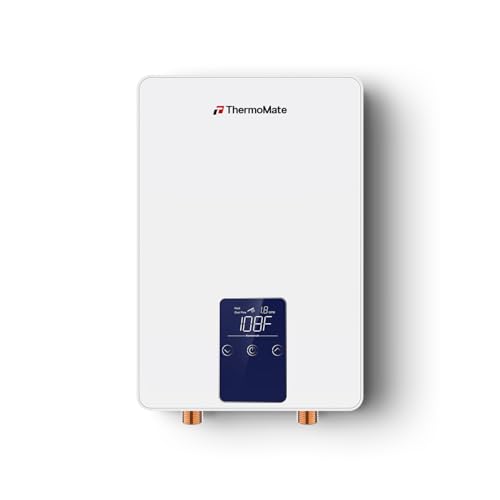
ThermoMate 6kW Electric Tankless Water Heater for Sink

FOGATTI 5.1 GPM Natural Gas Tankless Water Heater Indoor

FOGATTI 5.1 GPM Natural Gas Tankless Water Heater Outdoor
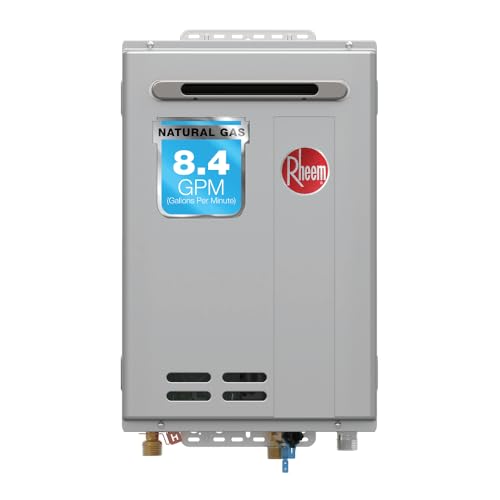
Rheem RTG-84XLN 8.4 GPM Natural Gas Tankless Water Heater Outdoor

FOGATTI 7.5 GPM Propane Tankless Water Heater Indoor
Meet The Standout Selections
An RV water heater lives a hard life. Mineral-heavy campground water, long idle stretches, and the constant cycle of heating and cooling eat at the tank from the inside out. Magnesium anode rods are the sacrificial metal that takes that corrosion instead of your tank lining, slowly dissolving so the steel shell stays intact.
This two-pack from Eleventree fits Suburban-style RV heaters with 3/4″ NPT threads, the standard connection on most camper and motorhome tanks. The 9.25-inch length sits inside the tank where corrosion likes to start, and magnesium reacts more readily than aluminum in softer water, which means a slightly faster sacrificial rate and longer tank life for owners who flush their tanks seasonally.
What Helps Most
- Magnesium composition reacts readily in soft campground water to absorb corrosive action.
- Direct replacement for Suburban 232767, a common factory part number on RV heaters.
- Two-pack format means you have a spare on hand for the next inspection cycle.
- 9.25-inch length fits standard RV tank depth for full submersion in corrosive zones.
Things To Consider
- Magnesium wears faster than aluminum in very hard water, so plan more frequent checks in mineral-heavy regions.
- Requires tank draining and basic wrench work, which may intimidate first-time RV owners.
Who It Suits Best
RV owners and weekend travelers running Suburban-style tank heaters who want a low-effort way to extend tank life.
Consider Something Else When
Fixed-home owners should look at the Watts PLT-5 expansion tank instead, since residential setups need thermal expansion control, not anode replacement.
High-efficiency tankless gas water heaters produce acidic condensate as a byproduct of combustion. That low-pH water cannot legally go into a sanitary drain in many jurisdictions without treatment, which is where a neutralizer kit earns its place alongside the heater itself.
This Rinnai kit is sized for tankless installs and pairs with the brand’s reputation for compact, long-lived units. The neutralizer media needs occasional refilling, but for most households that means checking once a year and topping off a calcite-style media that gradually dissolves to raise the pH.
Everyday Perks
- Designed to match Rinnai tankless units, so plumbing geometry lines up without adapters.
- Helps meet local code requirements for condensate disposal in regions with strict pH rules.
- Compact footprint fits near floor drains or utility sink traps without crowding the install.
Worth Noting
- Media needs replenishment on a schedule, which adds a small maintenance task to your year.
- Most useful with high-efficiency condensing units; standard non-condensing heaters like the FOGATTI outdoor model do not produce the same volume of condensate.
Feature Snapshot
Made For
Homeowners installing a high-efficiency condensing tankless unit who need to keep their condensate drain code-compliant.
Look Elsewhere When
You are running a non-condensing outdoor unit like the FOGATTI outdoor natural gas model, since venting stays simpler and condensate is minimal.
When a water heater heats up, the water inside expands. On a closed plumbing system with a check valve or pressure-reducing valve, that expansion has nowhere to go, and the pressure-relief valve ends up dripping to manage the overflow. A potable expansion tank absorbs that extra volume instead.
The Watts PLT-5 holds 2.1 gallons with a 3/4-inch male NPT inlet and a carbon steel shell finished in epoxy for corrosion resistance. It is sized for typical residential gas or electric heaters and installs directly on the cold supply line, either standing on a pipe or hanging from the bracket.
Practical Advantages
- Carbon steel construction with epoxy finish holds up well in basement and utility-room environments.
- 2.1-gallon volume matches common residential heater sizing without overshooting capacity.
- Versatile mounting, free-standing or hung, adapts to cramped mechanical rooms.
- Stainless inlet resists thread corrosion over years of thermal cycling.
Points To Note
- Pre-charge pressure should be checked annually and adjusted to match system pressure.
- Heavier than plastic alternatives, so wall mounting needs solid backing.
Feature Snapshot
Right Fit For
Homeowners with closed-loop plumbing who keep finding small puddles under the pressure-relief valve drain.
Skip It When
Tankless-only households running a Rinnai unit should consider whether the FOGATTI propane indoor model handles their needs without a separate expansion tank.
Not every home has a basement mechanical room with floor space to spare. In apartments, crawlspaces, and tight utility closets, a floor-standing tank becomes a tripping hazard, and that is exactly where a wall-mounted expansion tank earns its keep.
The Pro Water Parts 2-gallon accumulator uses a 1/2-inch female NPT connection, slightly smaller than the Watts PLT-5, so it suits retrofits where the supply line is already 1/2-inch. The included wall bracket mounts to studs, lifting the tank off the floor and out of the way.
A Few Strong Suits
- Wall-mount bracket keeps the floor clear and reduces snag risk in narrow utility closets.
- 1/2″ female NPT matches older or smaller supply lines without needing an adapter.
- 2-gallon capacity suits small to mid-size residential heaters.
A Few Limitations
- Wall mounting requires locating studs or using solid anchors, which adds install time.
- Max liquid pressure of 130 PSI suits most residential systems but is worth confirming against your relief-valve setting.
- Pre-charge of 30 PSI may need adjusting if your home runs a different nominal pressure.
Feature Snapshot
Whose Shelf It Belongs On
Apartment dwellers and small-home owners who need thermal expansion control without losing floor space in a tight closet.
Reach For A Different Pick When
You have a 3/4-inch supply line and a basement mechanical room; the Watts PLT-5 is the simpler match in that case.
Not every home needs a whole-house overhaul. A point-of-use electric unit under a single sink gives you near-instant hot water for handwashing or a wet bar without waiting for pipes to purge cold water, which is a real comfort on cold mornings.
The ThermoMate 6kW draws 25 amps at 240 volts and delivers 1.0 GPM at a 35-degree temperature rise, enough for a steady stream at a bathroom sink. Its compact housing fits under most vanities, and the self-modulating element only uses power when you actually turn on the tap.
Everyday Wins
- Point-of-use design cuts the wait for hot water at a remote sink.
- Compact housing slips into under-vanity installations where a tank would never fit.
- Self-modulating element pulls only the power needed, reducing standby waste.
- Temperature range of 85 to 131°F covers typical handwashing and light cleaning tasks.
Trade-Offs To Consider
- 1.0 GPM cannot feed a shower and a sink at the same time, so whole-house duty is out.
- Requires a dedicated 240V circuit, which an electrician should confirm before purchase.
Feature Snapshot
Perfect Match For
Homeowners adding a basement bar, guest bath, or workshop sink who do not want to run a long hot-water line from the main heater.
Swap It Out When
You need to serve multiple fixtures at once, in which case the FOGATTI 7.5 GPM propane indoor unit is the right escalation.
Tankless gas water heaters earn the biggest win in homes where space matters. A wall-hung indoor unit takes about a third of the footprint of a traditional tank and delivers hot water only as you need it, which can mean meaningful savings on standby losses over years of ownership.
The FOGATTI indoor natural gas model pushes 120,000 BTU at a 5.1 GPM flow rate, which lines up with the demand of a small to mid-size household running two fixtures at once. CSA certification means it meets recognized North American safety standards for indoor gas venting.
Advantages To Know
- Wall-hung design frees up floor space in utility rooms and closets.
- 5.1 GPM supports two simultaneous fixtures in most homes.
- CSA certification helps smooth the path through local inspection.
- On-demand heating eliminates the standby losses of a traditional tank.
Soft Spots
- Indoor installation requires proper gas venting and combustion air supply.
- Hard water areas benefit from a pre-filter, which is an extra step at install.
Best Suited To
Small to mid-size households with two to three occupants who want on-demand hot water without the venting complexity of an outdoor unit.
Where Another Pick Suits Better
Families with three or more full bathrooms should consider the Rheem RTG-84XLN outdoor unit for the higher GPM headroom.
An outdoor tankless unit sidesteps one of the trickiest parts of gas heater installation: combustion venting. Mounted on an exterior wall, the unit draws combustion air from outside and vents directly through the wall, so your utility room does not need a vertical vent stack or intake pipe.
The FOGATTI outdoor natural gas model carries the same 5.1 GPM flow and 120,000 BTU output as its indoor sibling but in a weather-rated cabinet built to handle the elements. CSA certification applies here too, giving inspectors a familiar safety reference.
Notable Upsides
- Outdoor mounting removes the need for a vertical vent stack through the roof.
- 5.1 GPM handles two to four outlets at once in most households.
- Weather-rated cabinet tolerates typical exposure to rain and sun.
- Frees interior wall space for storage or a relocated laundry area.
Things To Weigh
- Cold climates may see reduced output in winter, a known trade-off for non-condensing outdoor units.
- Wall-mount location needs a protected spot away from prevailing wind and direct snow drift.
Feature Snapshot
Who Should Grab It
Homeowners with exterior wall access who want whole-house flow without the cost or complexity of running a new vent stack.
A Better Fit Elsewhere
RVers and mobile-home owners should consider the Eleventree anode rod pack for their existing tank setup rather than switching to a wall-hung unit.
Large households live a different reality. Two showers running while the dishwasher is on, plus a laundry cycle in the afternoon, demands a flow rate that smaller tankless units simply cannot keep up with. The Rheem RTG-84XLN is built for exactly that workload.
At 180,000 BTU and 8.4 GPM, this outdoor non-condensing unit covers simultaneous fixtures across a full-size home without the cold-water sandwich effect that plagues undersized heaters. Rheem’s Hot Start Programming holds the unit in a ready state, which means less cold burst between back-to-back uses.
Real Benefits
- 8.4 GPM supports multiple showers and appliances running at the same time.
- 180,000 BTU input handles cold groundwater temperatures in northern climates.
- Hot Start Programming minimizes cold-water bursts between uses.
- Outdoor cabinet removes the venting complexity of an indoor installation.
Practical Considerations
- Non-condensing design produces some warm exhaust, which is normal but worth noting for tight side-yard installs.
- Larger gas line may be required than smaller units, so a gas-supply check before purchase is wise.
- Higher output means a noticeably bigger cabinet than the 5.1 GPM FOGATTI sibling.
Feature Snapshot
Built With In Mind
Large families with three or more bathrooms and concurrent appliance use who have outgrown smaller tankless units.
Not Your Match When
Smaller households running one or two fixtures will leave most of the Rheem’s capacity unused; the FOGATTI 5.1 GPM outdoor model is the better fit.
Not every home sits on a natural gas line. Rural properties, off-grid builds, and homes where propane is the primary fuel need a tankless unit designed around that BTU profile, and the FOGATTI 7.5 GPM propane model fits that exact niche.
At 170,000 BTU and a maximum 7.5 GPM, this indoor unit covers three to five simultaneous outlets with a water servo system that holds outlet temperature within roughly one degree of setpoint. The smart digital display gives a clear readout of outlet temperature and flow, which is genuinely useful during troubleshooting.
Positive Points
- 7.5 GPM supports three to five outlets running at the same time.
- Water servo precision keeps outlet temperature within roughly ±1°F of setpoint.
- Smart digital display makes diagnostics and monitoring straightforward.
- Indoor mounting protects the unit from weather while keeping venting simple.
Details To Watch
- Propane-specific orifice sizing means it cannot be converted to natural gas without a kit.
- Higher BTU demand may require a larger propane tank or dedicated gas line from the regulator.
Feature Snapshot
Who Will Love This
Propane-served households with three or more bathrooms who want whole-house flow without moving the heater outdoors.
Where A Sibling Pick Shines
Natural gas homes with high demand should consider the Rheem RTG-84XLN outdoor unit for its higher GPM ceiling.
Factors To Consider When Choosing Gas Water Heaters For Home
Flow Rate and Household Size
The single most useful spec is flow rate in GPM (gallons per minute). A single shower uses roughly 1.5 to 2.5 GPM, so a 5.1 GPM unit covers two showers plus a sink, while an 8.4 GPM unit handles a busy household with appliances running. For one or two occupants, a smaller unit keeps the install simpler. Larger families should size up rather than push a smaller heater past its comfort zone.
Fuel Type and Venting
Natural gas and propane behave differently at the burner level, which is why tankless units are fuel-specific. Indoor models need a dedicated combustion air path and a vent exhaust, while outdoor units sidestep both by mounting through an exterior wall. Confirming fuel type, gas line size, and venting pathway before purchase avoids a frustrating return.
Indoor Versus Outdoor Installation
Outdoor mounting is simpler to permit and avoids the vertical vent stack, but it exposes the unit to weather and can reduce output in freezing conditions. Indoor mounting protects the unit and keeps performance consistent year-round, at the cost of a more involved venting job. Climate and wall access usually decide this trade-off for you.
Support Parts and Code Compliance
A tankless install often pulls in a few supporting items. Condensate from high-efficiency units needs a neutralizer like the Rinnai kit, while closed-loop systems benefit from an expansion tank such as the Watts PLT-5. Confirming local code requirements early keeps the project on track.
Key Considerations Across These Picks
Mistakes Worth Dodging
Undersizing is the most common slip. Shoppers pick a 5.1 GPM unit for a household that genuinely needs 8 GPM and then blame the technology when showers run cold. Match flow rate to your peak simultaneous demand rather than average use. The other trap is ignoring water hardness, which shortens heat-exchanger life in tankless units. A pre-filter and periodic descaling extend service life meaningfully.
What The Higher Tier Buys
Stepping up to a higher GPM unit or a larger BTU input buys headroom. The Rheem 8.4 GPM and FOGATTI 7.5 GPM propane model both deliver capacity that smaller units cannot match, which shows up as steady showers during back-to-back laundry and dishwashing cycles. Premium tiers also tend to include tighter temperature control and better diagnostics, both of which simplify long-term ownership.
Frequently Asked Questions
How many GPM do I need for a family of four?
Plan on roughly 6 to 8 GPM if two showers might run at the same time, or a shower plus a dishwasher cycle. Smaller households with staggered routines can get by on 5 GPM.
Do tankless gas water heaters need venting?
Indoor units require direct venting for combustion exhaust and intake air. Outdoor units vent through the exterior wall without needing a vertical stack.
What maintenance does a tankless unit need?
Annual descaling in hard-water areas is the most common task, along with cleaning the inlet water filter. Skipping it shortens heat-exchanger life.
Can I install a tankless heater myself?
Indoor gas work typically requires a licensed professional under local code. Outdoor natural gas units may be permitted as a homeowner install in some jurisdictions, but inspection still applies.
How long do these units typically last?
Non-condensing tankless units commonly run 15 to 20 years with proper maintenance, which is longer than most tank-style heaters but assumes water-softener or pre-filter use in hard-water regions.
Wrap Up
The right pick comes down to your fuel type, your peak demand, and where the unit will live. Smaller homes do well with a 5.1 GPM unit, larger households need the headroom of 7.5 or 8.4 GPM, and supporting parts like expansion tanks and anode rods keep any system running smoothly for years. Match the spec to your reality, and the rest of the decision tends to take care of itself.




