

Choosing a water heater shapes your daily comfort more than most appliances in the house. Cold showers, slow recovery, and rising utility bills usually point back to a unit that is too small, too old, or the wrong fuel type for your home. This roundup sorts through tank, tankless, RV, and point-of-use options so you can match the right heater to your space, your household size, and the way you actually use hot water.
The Essentials At A Glance

Eleventree 2 Pack RV Water Heater Anode Rods 9.25 Magnesium

Ariston 12 Gallon 120V Electric Water Heater Compact Point of Use
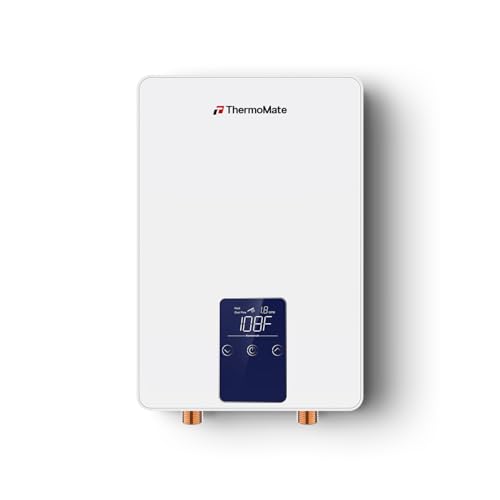
ThermoMate 6kW Tankless Water Heater Electric for Sink Washing

ThermoMate CZ422LP Propane Tankless Water Heater Indoor 5 GPM
ThermoMate CZ422NG Natural Gas Tankless Water Heater Indoor 5 GPM
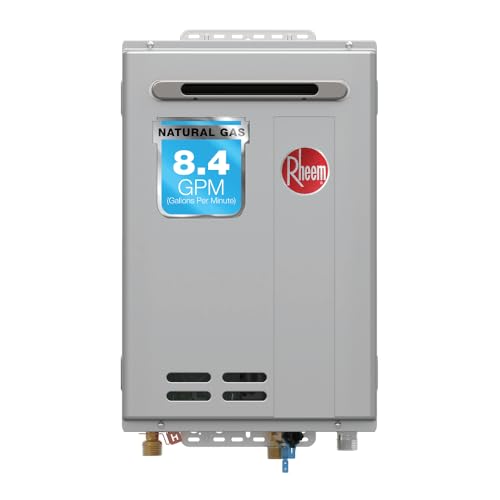
Rheem RTG Series 8.4 GPM Natural Gas Tankless Water Heater Outdoor 180,000 BTU

Rheem RTG Series 7.0 GPM Natural Gas Tankless Water Heater Indoor 160,000 BTU

FOGATTI Tankless Water Heater Gas Propane Indoor 7.5 GPM 170,000 BTU CSA Certified
What Each Pick Brings To The Table
An RV water heater faces harsher conditions than a residential unit: tighter tanks, mineral-heavy water at campgrounds, and long stretches sitting unused between trips. The Eleventree magnesium anode rods are designed as a direct replacement for Suburban 232767 and similar Mor-Flo tanks, with a 3/4″ NPT thread and a 9.25-inch length that matches the common six-gallon RV tank cavity.
If you own a Suburban or Mor-Flo RV heater and want to extend tank life on the road, these rods are a sensible preventive purchase. They are not a full heater, but they keep the tank you already have alive longer.
Practical Pluses
- Magnesium construction attracts the corrosive action in hot water, drawing damage away from the steel tank walls.
- Two-pack format means you can replace a rod now and stash the spare for the next service interval.
- 9.25-inch length and 3/4″ NPT threads fit common Suburban and Mor-Flo RV tanks without modification.
- Installation is a single hex-head swap, so most RV owners handle it roadside with basic tools.
Worth Noting
- Magnesium rods wear faster than aluminum in very hard water, so expect more frequent replacement than the tank itself.
- Only fits RV-style tanks with matching thread and length, so it does not substitute for residential anode rods.
Whose Shelf It Belongs On
RV owners running a Suburban or Mor-Flo hot water tank who want to extend service life between trips.
Reach For A Different Pick When
You need actual hot water output rather than tank maintenance, in which case the Ariston 12 Gallon 120V Electric Water Heater Compact Point of Use is the more useful pick.
Point-of-use electric tanks fill the gap where a full water heater is overkill but a cold start in the morning is still unwelcome. The Ariston 12-gallon unit runs on a standard 120V household circuit, which simplifies installation in a bathroom closet, under a kitchen sink, or inside an RV compartment.
For a studio apartment, a basement wet bar, or a small camper, this kind of compact tank delivers stored warmth without pulling in a gas line. It also acts as a booster when paired with a distant primary heater, pushing hot water to a remote sink faster.
Everyday Wins
- Twelve gallons is enough for two quick hand-washes or a short shower rinse, which fits the casual use case.
- 120V operation means no special wiring or gas venting, so most installs are a same-day project.
- Compact shape fits under counters, in vanities, and in tight RV utility bays where larger tanks would not clear.
- Functions as a standalone heater or as a booster to cut wait times at far-away fixtures.
Points To Keep In Mind
- Recovery speed depends on incoming water temperature, so cold-climate users may see longer reheats between uses.
- A small tank runs out fast for back-to-back showers, so larger households will still need a primary unit.
Key Specs
Best Suited To
Studio dwellers, van converters, and anyone adding a remote sink far from the main water heater.
Swap It Out When
You want whole-house flow on natural gas, in which case the ThermoMate CZ422NG Natural Gas Tankless Water Heater Indoor 5 GPM serves you better.
Electric tankless heaters earn their keep when you only need warm water at one tap and want to skip the standby losses of a tank. The ThermoMate 6kW unit runs on 240V and 25 amps, delivering about 1.0 GPM at a 35°F temperature rise. That output covers a bathroom sink, a utility sink, or a bar faucet without overbuilding the circuit.
Compared to the Ariston tank from earlier in this list, this model has no stored water at all. That trade-off removes standby heat loss but also removes the buffer of pre-heated water, so users turn the handle and wait a few seconds.
Useful Highlights
- Self-modulating power adjusts output only as needed, which trims wasted energy at low flow.
- 24-hour standby keeps the unit ready without constantly cycling.
- Output range of 85°F to 131°F covers hand-washing, dish rinsing, and light cleaning tasks.
- Wall-hung format clears floor space and fits under-counter or above-sink layouts.
Small Caveats
- 1.0 GPM at a 35°F rise is not enough for a shower or a multi-fixture run, so this stays a single-tap solution.
- Requires a dedicated 25A, 240V circuit, which may call for a panel upgrade in older homes.
The Right Fit
Homeowners with one remote sink, a workshop basin, or a garage bar who want on-demand warmth without a tank.
A Better Fit Elsewhere
You need full-home flow for multiple fixtures, in which case the Rheem RTG Series 8.4 GPM Natural Gas Tankless Water Heater Outdoor 180,000 BTU handles busy households better.
Propane tankless heaters open up whole-home hot water where natural gas lines stop short of the building. The ThermoMate CZ422LP delivers up to 5 GPM at 113,000 BTU, which the manufacturer rates for two simultaneous showers at 105°F from a 65°F inlet. For a rural home or a converted outbuilding on propane, that profile covers the daily demand.
The CZ422LP also leans into a hurricane-grade exhaust fan, designed to maintain proper venting even when coastal winds push past 111 mph. For property owners in storm-prone zones, that airflow stability reduces backdraft risk during the worst weather.
Benefits That Matter
- Up to 5 GPM handles two showers and a faucet at once for medium households.
- Wind-rated DC fan keeps exhaust moving under high winds, which helps in storm-prone installs.
- Propane fuel works off-grid or in homes without a natural gas tap, widening installation options.
- Indoor-mount design frees up outdoor wall space and reduces freeze risk in cold climates.
Honest Caveats
- Propane fuel runs pricier per BTU than natural gas in many regions, so operating cost is a real factor.
- Requires safe propane line sizing, and indoor mounting needs code-compliant venting through a wall or roof.
Quick Facts
Made For
Country homes, off-grid cabins, and rural properties that already run propane for cooking or heating.
Not Your Match When
You have an existing natural gas line and want a similar capacity unit, in which case the ThermoMate CZ422NG Natural Gas Tankless Water Heater Indoor 5 GPM is the closer match.
For households that already have a natural gas line, the CZ422NG delivers the same core platform as its propane sibling on the cleaner-burning fuel. At 113,000 BTU and up to 5 GPM, it can run two showers at once from a 65°F inlet while keeping the temperature swing within a degree.
The unit is also compact. At roughly 21 inches tall, 13 inches wide, and 7 inches deep, it occupies less than a third of the space of a traditional tank. Standard 3/4″ NPT water connections and a 1/2″ NPT gas inlet keep the plumbing familiar for installers.
The Good Stuff
- Smart flow sensor adjusts heating 20,000 times per second for steady output even when fixtures toggle on and off.
- 3.5-inch LED display shows temperature, fan status, and flame signal at a glance.
- Wind-rated exhaust fan supports stable operation during severe weather.
- Adjustable temperature range of 90°F to 140°F covers dishwasher, laundry, and shower needs.
Trade Offs
- Performance drops when groundwater enters the home very cold, so northern climates see lower real-world GPM.
- Error-code diagnostics help, but installation still requires a licensed gas fitter in most jurisdictions.
Spec Overview
Who Should Grab It
Two-to-three-person households with a natural gas line who want continuous hot water without taking over a closet.
Consider Something Else When
You need higher flow for a larger family or want a unit that lives outside, in which case the Rheem RTG Series 8.4 GPM Natural Gas Tankless Water Heater Outdoor 180,000 BTU steps up capacity.
Outdoor tankless units trade indoor venting complexity for wall space and a cleaner mechanical room. The Rheem RTG-84XLN-3 puts 180,000 BTU and 8.4 GPM on the side of the house, which means it handles simultaneous showers, laundry, and dishwashing without flinching in most climates.
For households that have struggled through mornings where one shower always steals from another, the outdoor mount also keeps combustion gases fully outside, which simplifies installation where indoor venting would be hard to route.
Key Advantages
- 8.4 GPM capacity handles large families with multiple fixtures running at once.
- 180,000 BTU input keeps temperature stable even when groundwater runs cold in winter.
- Hot Start Programming minimizes cold bursts between back-to-back uses.
- Outdoor mounting removes the need for indoor vent runs through walls or ceilings.
Factors To Consider
- Outdoor exposure means freeze protection matters in cold climates, and freeze-related damage is a commonly reported issue.
- Higher BTU demand may require gas line upsizing in older homes.
Feature Snapshot
Perfect Match For
Four-or-more-person households with high morning demand and space on an exterior wall for a ventless outdoor unit.
Skip It When
Your climate drops well below freezing regularly and you would rather keep combustion inside, in which case the Rheem RTG Series 7.0 GPM Natural Gas Tankless Water Heater Indoor 160,000 BTU is the safer pick.
The indoor sibling of the outdoor 8.4 GPM Rheem sits at 7.0 GPM and 160,000 BTU, with the same Hot Start Programming that keeps the heat exchanger primed for the next call. For a mid-size family that wants tankless hot water without mounting anything to an exterior wall, this is a tidy fit.
Compared to the ThermoMate CZ422NG earlier, this Rheem trades a smaller display for a higher flow ceiling and Rheem’s own Overheat Film Wrap on the heat exchanger. That wrap is meant to protect the unit when scale builds up, which matters in areas with hard water.
Points In Its Favor
- 7.0 GPM runs two showers plus a kitchen fixture in most homes.
- Indoor mount avoids freeze risk and keeps combustion venting predictable year-round.
- Hot Start Programming trims the cold-water sandwich between back-to-back uses.
- Overheat Film Wrap adds a layer of defense when mineral scale accumulates.
Some Limits To Know
- Non-condensing design produces hotter exhaust than condensing units and may need a dedicated vent path.
- Hard-water areas can shorten heat-exchanger life without a planned descaling routine.
Built With In Mind
Three-to-four-person households in colder regions who want indoor installation and steady temperature across multiple fixtures.
Look Elsewhere When
You need more simultaneous flow or want outdoor mounting, in which case the Rheem RTG Series 8.4 GPM Natural Gas Tankless Water Heater Outdoor 180,000 BTU serves the larger household.
FOGATTI’s propane tankless sits at the high-capacity end of this list. With 170,000 BTU and a peak flow of 7.5 GPM, it claims to run three to five outlets at once while holding the temperature within a degree of the setpoint. That kind of output covers busy family life without ever asking someone to wait for hot water.
Versus the ThermoMate CZ422LP from earlier, this unit leans into a higher flow ceiling and a digital display for live temperature readouts. The propane focus also makes it a strong match for households outside the natural gas grid.
What Makes Sense
- 7.5 GPM peak handles simultaneous showers, laundry, and a kitchen tap without major temp drop.
- ±1°F temperature control via a water servo keeps showers comfortable during pressure changes.
- CSA certification supports code approval in regions that require third-party listings.
- Compact wall-mount design frees floor space compared to traditional tanks.
Where It Is Less Suited
- Propane operating cost can climb in homes where the fuel also runs a furnace and range.
- Indoor installation requires a proper exhaust vent run, which adds project scope.
Feature Rundown
Who Will Love This
Large households on propane with multiple bathrooms and a long list of simultaneous hot water demands.
Where Another Pick Suits Better
You have natural gas instead of propane, in which case the Rheem RTG Series 7.0 GPM Natural Gas Tankless Water Heater Indoor 160,000 BTU gives similar capacity with a different fuel.
Matching The Right Heater To Your Home And Habits
Choosing a water heater works best when you start with how the home actually uses hot water, not the spec sheet. Three things shape the right fit: the fuel you can connect to, the peak demand your household places on the system, and the physical space the unit will live in.
For most homes on natural gas, a tankless indoor unit balances capacity, venting, and operating cost. The ThermoMate CZ422NG and Rheem 7.0 GPM both fit that description, with the Rheem edging ahead for larger households. Homes that lean on propane will find similar capacity in the ThermoMate CZ422LP and the higher-flow FOGATTI 7.5 GPM.
If your hot water need is small or scattered, the conversation changes. RV owners, garage builds, and basement wet bars do not need 100,000+ BTU. The Ariston 12-gallon point-of-use tank and the ThermoMate 6kW electric tankless handle those jobs without overspending. RV owners should also remember the Eleventree anode rods for tank maintenance.
Climate matters as well. Cold inlet water in northern winters cuts the real-world GPM of every tankless unit on this list, so it is worth oversizing flow capacity if your groundwater stays below 50°F for months. Outdoor units add freeze risk to that equation, which is why many northern shoppers still choose indoor mounting.
Key Considerations Across These Picks
Mistakes Worth Dodging
The biggest trap in this category is buying by BTU alone. A high BTU rating does not help if the gas line cannot deliver it, and undersized gas piping is one of the most common reasons new tankless installs underperform. Always confirm the gas line sizing for your home before settling on a model.
Another frequent slip is choosing a tankless unit for a home with very hard water without planning for descaling. Mineral scale shortens heat-exchanger life and is widely reported as the top cause of premature tankless breakdowns. A planned vinegar flush once or twice a year is a small habit that adds years to the unit.
When Paying More Pays Off
Spending up in this category usually buys you one of three things: higher flow, better temperature stability, or stronger component protection. The Rheem 8.4 GPM and the FOGATTI 7.5 GPM both deliver those upgrades, and they tend to matter most in homes with three or more bathrooms and multiple fixtures running at once. For smaller households, the middle tier handles daily life with less to install or service.
Frequently Asked Questions
What Size Water Heater Do I Need For A Family Of Four?
A tankless unit rated around 6 to 8 GPM is a comfortable starting point for a family of four, though cold-climate inlet water can drop real output. Larger families or homes with deep soaking tubs often step up to 8 GPM or higher to keep temperature stable during overlapping showers.
Are Tankless Water Heaters Worth The Upgrade?
Tankless units cost more up front but remove the standby heat losses of a storage tank. For households that use hot water in shorter bursts spread across the day, the operating savings and endless supply often justify the higher purchase price.
How Often Should An RV Water Heater Anode Rod Be Replaced?
A magnesium RV anode rod typically lasts a couple of seasons under normal use, though heavily mineralized water shortens that interval. Owners commonly report swapping the rod whenever the original is more than half worn down, since a spent rod leaves the steel tank unprotected.
Can A Point-Of-Use Electric Tank Replace A Whole-House Heater?
A point-of-use electric tank only covers one or two nearby fixtures. It cannot keep up with whole-house demand, so it works best as a standalone supply in a tiny space or as a booster alongside a primary heater.
Do Indoor And Outdoor Tankless Units Perform Differently?
Indoor and outdoor tankless units of the same BTU and GPM rating heat water the same way. The main practical differences are venting, freeze exposure, and where the installer needs to route intake and exhaust air.




